How Much Is A Miter Saw?
On this page (7 sections)
A miter saw generally costs anywhere from $100 to over $800, depending on its type, features, and brand. Basic models for hobbyists typically fall into the lower end of this range, while professional-grade saws can exceed $1000.
The price you pay for a miter saw often reflects its power, precision, and the advanced features it offers, impacting your project’s quality and speed.
Here’s a quick overview of what to expect:
- Basic miter saws for simple cuts start around $100-$200.
- Mid-range compound miter saws often sit between $250-$500, offering more versatility.
- Sliding and dual-bevel models, especially from top brands, can cost $500-$800+.
- Professional-grade or specialized saws might even push past $1000.
- Your specific project needs will be the biggest factor in finding the right saw for your budget.
How Much Is A Miter Saw?
You’re looking to add a miter saw to your workshop, a smart move for cutting precision. For more detail, see our used miter saw value guide. So, what’s the damage to your wallet? The truth is, the price of a miter saw has a pretty wide range, making it a bit tricky to pin down without more details. We found prices generally start around $100 and can go up to $800 or more for top-tier models.
Understanding the Price Tags
Think of miter saws like cars. You have your basic, reliable sedans, then you have luxury SUVs with all the bells and whistles. Each serves a purpose, and each comes with a different price. Your miter saw journey is similar; the cost aligns with its capabilities and intended use.
Entry-Level Miter Saws (Around $100 – $200)
If you’re just starting out or tackling small DIY projects, an entry-level miter saw is a fantastic choice. These are usually basic compound models. They offer decent accuracy for simple crosscuts and some angled cuts. You might find brands like Ryobi miter saws or Wen in this category. Many experts say they are perfect for homeowners doing occasional work (Consumer Reports).
Mid-Range Miter Saws (Around $250 – $500)
Stepping up, you’ll find more powerful and versatile options here. This price point often includes sliding compound miter saws. They give you the ability to cut wider boards. You’ll also see improvements in motor quality and sometimes a laser guide. Brands like DeWalt, Makita, and Bosch often have solid options here. Compare current picks in our best miter saw guide.
Professional-Grade Miter Saws (Over $500 – $800+)
For serious woodworkers, contractors, or those who demand the highest precision, this is your territory. Job-site buyers can compare our construction site miter saw picks. These saws boast powerful motors, larger blade capacities, and advanced features. You’ll often get superior dust collection and robust build quality. Brands like Festool and higher-end models from DeWalt or Makita fit into this premium bracket. Research often connects these saws with maximum accuracy and long-term durability (Wood Magazine).
Key Factors Influencing Miter Saw Cost
Why do some saws cost more than others? Our miter saw buying guide can help you weigh features against your needs. It boils down to a few key areas. Understanding these will help you see where your money goes. Let’s look at the main elements.
Type of Miter Saw
The core design of the saw plays a huge role in its price. Each type offers different capabilities. This affects what projects you can tackle.
Standard Miter Saws
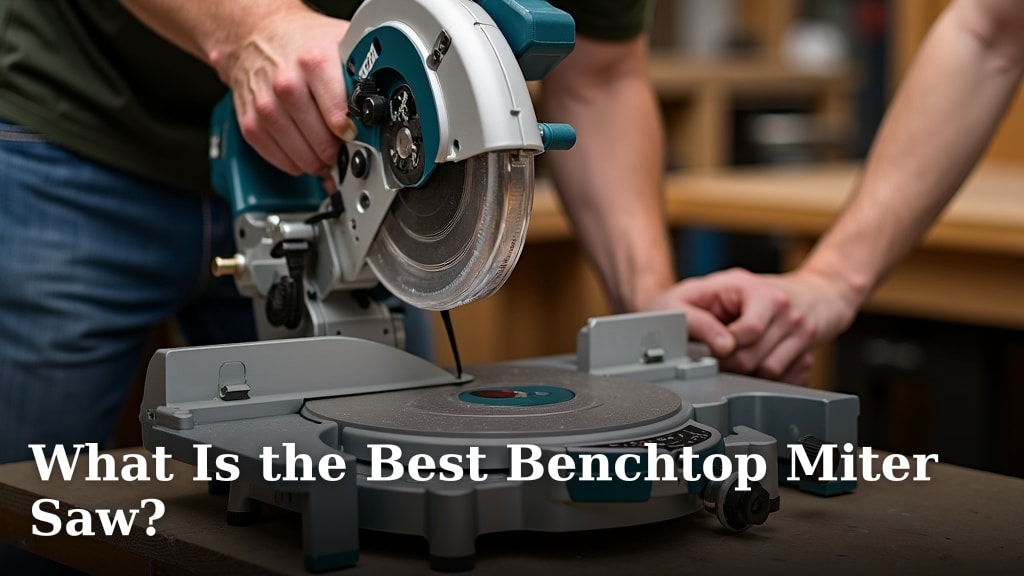
These are the simplest, offering basic crosscuts and miter cuts (angled cuts). They are usually the most affordable option. Think of them for picture frames or trim work. You won’t be cutting very wide boards with these.
Compound Miter Saws
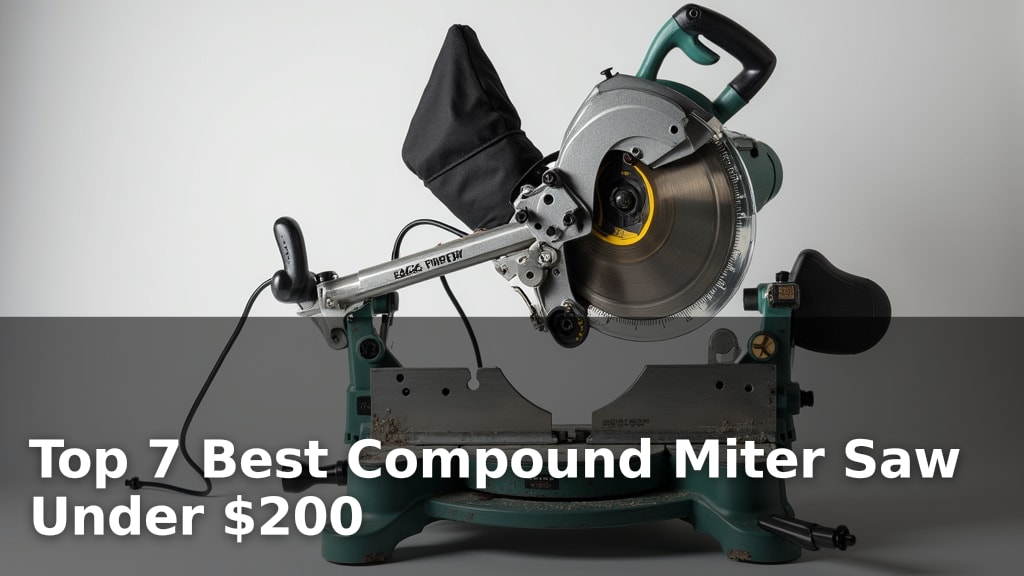
A step up, these saws can tilt (bevel) as well as pivot (miter). This allows for compound cuts, which means cutting an angle and a bevel at the same time. They offer more versatility for crown molding. They are a very popular choice for many users.
Sliding Compound Miter Saws
Now we’re talking about cutting wider stock! These saws have a rail system that allows the blade to slide forward and back. This significantly increases the crosscut capacity. Naturally, this added mechanism makes them more expensive. Many pros use these regularly.
Dual Bevel Miter Saws
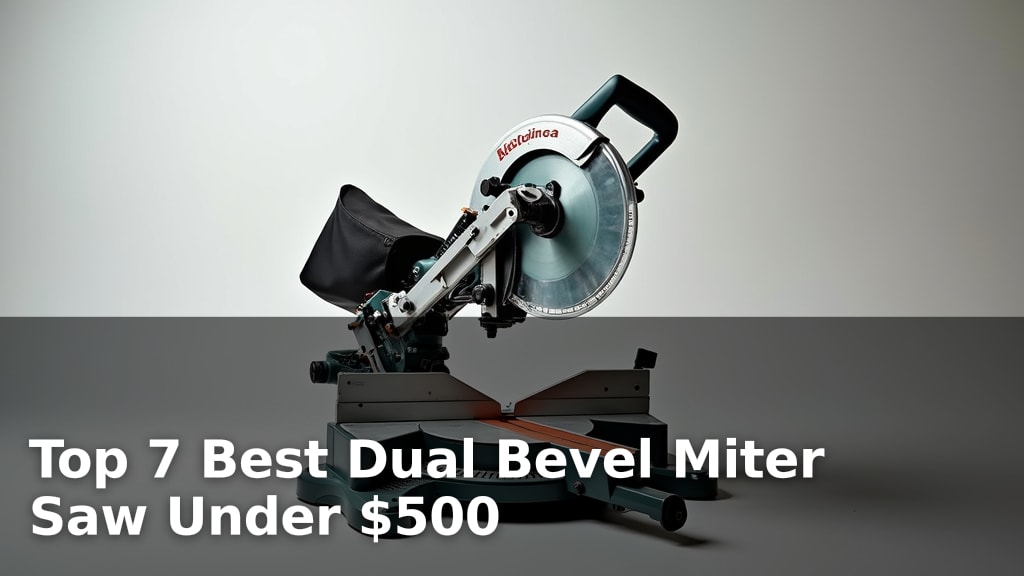
These are often a feature found on compound or sliding compound saws. A dual-bevel saw can tilt left and right without you having to flip your workpiece. This feature adds convenience and saves time. It generally means a higher price tag for the added flexibility.
Brand Reputation and Quality
Just like anything else, brand matters. Established brands with a history of quality and good customer service often charge more. You’re paying for their track record. We found that brands like Bosch, Makita, and DeWalt consistently rank high. Their saws are often built to last.
Motor Power (Amps/HP)
A more powerful motor means the saw can handle tougher, denser materials without bogging down. Motors are typically rated in amps (10-15 amps is common). Higher amp ratings or horsepower (HP) usually mean a higher price. This is vital for consistent, clean cuts.
Blade Size
Miter saws commonly come with 8-inch, 10-inch, or 12-inch blades. Larger blades allow for deeper and wider cuts. A saw designed for a 12-inch blade will likely be more robust and therefore more expensive. The blade itself is a consumable, but the saw’s capacity is permanent.
Special Features and Technology
Modern miter saws come packed with helpful features. Think laser guides for accurate cutting lines, LED work lights, or advanced dust collection systems. Digital displays for angle settings, or even soft-start motors, can also add to the cost. These features can significantly improve your workflow and precision.
A Quick Look at Miter Saw Costs
To give you a clearer picture, here’s a general breakdown:
| Saw Type | Common Features | Typical Price Range |
|---|---|---|
| Standard Miter Saw | Basic miter cuts, fixed head | $100 – $200 |
| Compound Miter Saw | Miter & single bevel cuts | $200 – $400 |
| Sliding Compound Miter Saw | Wider cuts, miter & single bevel | $350 – $600 |
| Dual Bevel Sliding Compound Miter Saw | Wider cuts, miter & dual bevel | $500 – $800+ |
What Are You Paying For? The Value Proposition
When you invest in a miter saw, you’re not just buying a tool; you’re buying capability. A higher price often translates to better performance in several key areas. Think of it as investing in your project’s success and your own satisfaction.
Durability and Build Quality
A more expensive saw often features heavier-duty components and better construction materials. This means it can withstand the rigors of a busy workshop or job site. It also suggests a longer lifespan for the tool. Research often links higher prices with increased durability (Tool Reviews).
Accuracy and Precision
For fine woodworking or critical construction, accuracy is paramount. Higher-priced saws typically have tighter tolerances and more precise adjustments. This ensures your cuts are consistently square and true. Many experts say a good saw can save you headaches from inaccurate cuts.
Safety Features
Your safety is always important. Better saws often include superior blade guards, electric brakes that stop the blade quickly, and secure clamping mechanisms. These features can make your work both safer and more enjoyable. You might pay a bit more for advanced safety components.
Is a More Expensive Miter Saw Worth It?
This is the million-dollar question, isn’t it? The answer really depends on your personal situation. If you’re a professional making daily cuts, a higher-end saw could easily pay for itself in saved time and better results. For occasional use, a mid-range or entry-level option might be perfectly adequate. Consider your needs carefully.
Your Project Needs Checklist
Before you buy, ask yourself these questions:
- What types of materials will you be cutting most often?
- How wide do your typical boards need to be?
- How often do you plan to use the saw (daily, weekly, monthly)?
- Is extreme precision critical for your projects?
- Do you need portability, or will it stay in one spot?
- What is your budget, realistically?
Finding the Best Deal
Even with varied prices, you can still find a great deal. For more detail, see our Home Depot saw prices guide. Keep an eye out for sales events, especially around holidays. Many retailers offer discounts on power tools. You might also consider refurbished models from reputable sellers. These often come with a warranty and can be a cost-effective option for quality tools.
Conclusion
So, how much is a miter saw? It’s clear there’s no single answer. The price range is broad, reflecting the diverse features, capabilities, and brands available. From budget-friendly options for weekend warriors to heavy-duty models for seasoned pros, there’s a miter saw out there for every need and wallet. By considering your projects, your usage, and the key factors discussed, you’re now equipped to make an informed decision. Choose wisely, and happy cutting!
How much should a beginner spend on a miter saw?
A beginner should generally expect to spend between $100 and $250 for a reliable entry-level miter saw. This range offers sufficient power and accuracy for common DIY projects and ensures you get a good feel for the tool without overspending on features you might not yet need.
What is the difference between a standard and a compound miter saw?
A standard miter saw primarily cuts angles (miters) horizontally. A compound miter saw adds the ability to also tilt the blade (bevel) vertically. This allows it to make complex, two-plane cuts, which are often needed for things like crown molding and trim work.
Are more expensive miter saws always better?
Not always, but they often offer significant advantages. More expensive miter saws typically provide better motor power, higher precision, superior build quality, and more advanced features like digital angle readouts or improved dust collection. For professional use or critical projects, the investment in a higher-end model often pays off in durability and accuracy.
Can I use a miter saw for all types of cuts?
While miter saws are excellent for crosscuts, miter cuts, and bevel cuts on various materials (wood, plastics, some metals with the right blade), they are not suitable for all types of cuts. They are generally not designed for ripping (cutting along the grain) or making very long cuts that a table saw handles better. Always use the appropriate tool for the job.
What size blade is most common for a miter saw?
The most common blade sizes for miter saws are 10-inch and 12-inch. A 10-inch blade is sufficient for most home workshop tasks and offers a good balance of capacity and cost. A 12-inch blade provides greater cutting depth and wider crosscut capacity, making it a favorite for professionals and those working with larger stock.