
Where To Put Miter Saw?
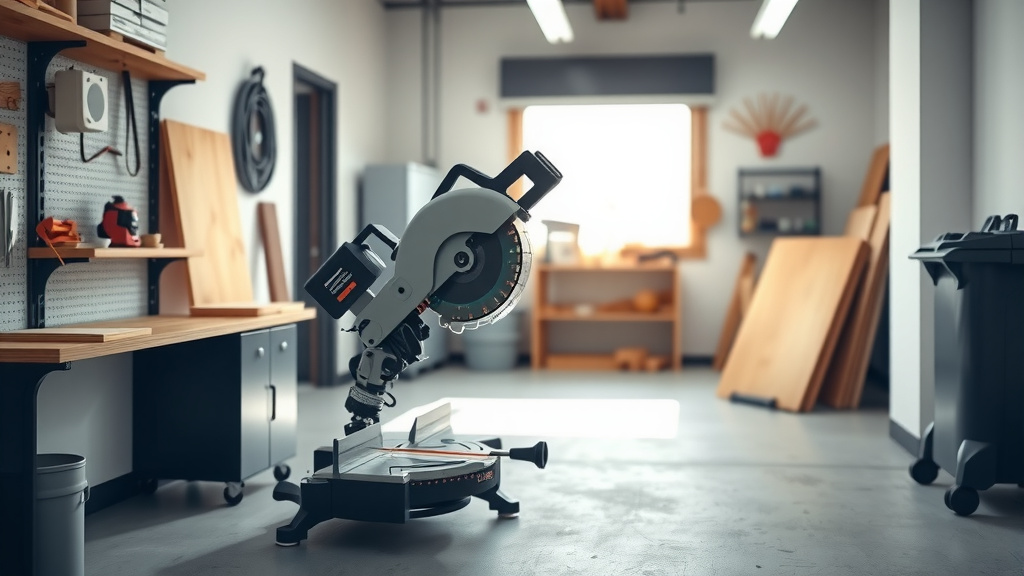
You can put your miter saw in a dedicated workshop, garage, or even a well-ventilated basement, prioritizing a stable, flat surface with good lighting.
The ideal spot for your miter saw offers ample space for material support, proper dust collection, and convenient access to power.
- Find a stable surface like a workbench or a dedicated miter saw stand.
- Ensure enough clear space around your saw for handling long materials safely.
- Prioritize a good dust collection system to maintain a cleaner workspace.
- Adequate lighting and accessible power outlets are essential for precision and safety.
- Consider a portable setup if you need to move your miter saw between different work areas often.
Where To Put Miter Saw?
Putting your miter saw in the right place can really change your woodworking experience. It’s not just about finding an open spot; it’s about creating an efficient and safe workspace where you feel confident making precise cuts.
Why Location Matters for Your Miter Saw
Think of your miter saw as the heart of many woodworking projects. Its location directly impacts your safety, the quality of your cuts, and how much you actually enjoy your craft. A cramped or poorly lit area can lead to mistakes or even injuries.
Safety First: A Key Consideration
When you’re working with power tools, safety is always number one. A good miter saw location minimizes hazards. You need enough room to maneuver wood pieces without bumping into things or tripping (National Safety Council).
Optimizing for Workflow and Efficiency
Imagine trying to cut a long board in a tiny corner. Frustrating, right? The right spot helps your projects flow smoothly. It means less lifting and repositioning, which saves your back and your time.
Common Miter Saw Locations and Their Trade-offs
Where do most people put their miter saws? We’ve found that the answer often depends on available space and the type of work you do. Each spot has its own perks and potential drawbacks.
The Dedicated Workshop Setup
If you’re lucky enough to have a dedicated workshop, you’ve hit the jackpot. This space allows for a permanent setup, often with custom-built outfeed tables and integrated dust collection. It’s the dream for many woodworkers.
Utilizing Your Garage Space
Garages are a common home for miter saws. They offer good space, especially for larger projects, and often have concrete floors that are easy to clean. However, sharing space with cars and storage means you might need portable solutions or clever fold-away designs.
Basement Workshop Considerations
A basement can be a cozy, year-round workspace, offering protection from the elements. But you need to watch out for humidity, which isn’t good for tools or wood. Plus, getting materials down there can be a real workout sometimes.
The Portable Miter Saw Stand
Many experts recommend a portable miter saw stand for flexibility. These stands are great if your workspace is shared or if you work on different job sites. They offer a stable base and often have integrated material support, making setup quick and easy.
Key Factors for Choosing the Best Spot
Picking the perfect spot for your miter saw is a bit like choosing a home for a new pet: you need to consider its needs to keep it happy and working well. Let’s look at what really matters.
Space and Material Support
Your miter saw needs more than just its own footprint. You need room for the wood you’re cutting, both before and after the blade. We found that at least 6-8 feet of clear space on both sides of the saw is ideal for most projects.
Power Requirements and Outlets
Miter saws are power-hungry tools. Ensure your chosen spot has easily accessible, properly grounded outlets. Using long extension cords can be dangerous and might reduce power, affecting saw performance (Electrical Safety Foundation International).
Dust Collection and Ventilation
Cutting wood creates a lot of dust, which isn’t good for your lungs or your tools. A good miter saw location should allow for an effective dust collection system, whether it’s a shop vacuum or a dedicated dust collector. Good airflow is also critical.
Lighting for Precision Cuts
Can you see your cut line clearly? If not, you’re asking for trouble. Bright, shadow-free lighting is essential for accuracy and safety. Many professionals use a combination of overhead and task lighting directly focused on the saw blade area.
Noise Reduction Strategies
Miter saws can be loud. If your workspace is near living areas or neighbors, you might want to consider some noise reduction. Things like sound-absorbing panels or tool enclosures can make a difference, making your projects more enjoyable for everyone.
Building a Dedicated Miter Saw Station
For many, a dedicated miter saw station is the ultimate solution. This often involves a custom workbench that integrates the saw, outfeed tables, and dust collection into one seamless unit. It’s a project in itself, but it pays off in efficiency.
| Feature | Dedicated Workshop | Garage Space | Basement | Portable Stand |
|---|---|---|---|---|
| Stability | Excellent (Fixed) | Good (Workbench) | Good (Workbench) | Very Good (Designed) |
| Space | Ample & Expandable | Often Good | Limited & Fixed | Depends on location |
| Dust Control | Integrated Systems | Requires Planning | Needs Ventilation | Often Basic |
| Lighting | Customizable | Variable | Often Needs Upgrade | Depends on location |
| Portability | Low | Medium | Low | High |
Before you commit to a spot, ask yourself a few questions. This helps solidify your choice.
- Is the surface completely stable and flat?
- Do I have enough clearance for long workpieces?
- Are power outlets easily accessible and safe?
- Can I connect my dust collection system effectively here?
- Is the lighting sufficient to prevent shadows on my cuts?
- Will the noise disturb others or myself too much?
Making Your Miter Saw Spot Work for You
The best spot for your miter saw isn’t just about the physical space. It’s about how that space serves your unique woodworking needs. Some prefer a permanent fixture, while others prioritize the ability to pack up and move.
We found that adapting your setup to your specific projects and available space is key. Don’t be afraid to experiment a little, maybe starting with a portable stand before committing to a permanent workstation. The goal is to create a space where you love to work.
Conclusion
Choosing where to put your miter saw is a significant decision that impacts safety, efficiency, and the enjoyment of your woodworking projects. Prioritize a stable surface, ample material support, effective dust collection, and excellent lighting. Whether it’s a dedicated workshop, a corner of your garage, or a portable setup, the best spot is one that feels safe, efficient, and comfortable for you. Take your time, assess your needs, and create a workspace that inspires great craftsmanship.
How much space do I need around a miter saw?
You generally need at least 6-8 feet of clear space on both sides of your miter saw for safely handling long lumber. This allows for proper material support and movement without obstructions, which is vital for accuracy and preventing accidents.
Can I use a miter saw indoors?
Yes, you can use a miter saw indoors, but proper ventilation and dust collection are absolutely essential. Wood dust can be harmful, so ensure you have a shop vacuum attached to the saw’s dust port and consider an air filter for the room to keep the air clean.
Is a miter saw stand worth it?
Many woodworkers find a miter saw stand very worthwhile. It provides a stable, ergonomic height for cutting and often includes built-in material supports. This makes it safer and more comfortable to use your saw, especially for longer pieces, whether you work in a garage or on a job site.
How do I reduce miter saw noise in my home workshop?
To reduce miter saw noise, you can use hearing protection, which is always recommended. For the space itself, consider placing sound-absorbing panels on walls or enclosing the saw in a custom cabinet with acoustic dampening. Operating in an isolated area also helps.
What is the best type of lighting for a miter saw station?
The best lighting for a miter saw station combines overhead ambient light with focused task lighting. Overhead lights illuminate the general area, while an adjustable task light, like an LED work light, helps eliminate shadows directly around the blade and cut line for maximum precision and safety.
