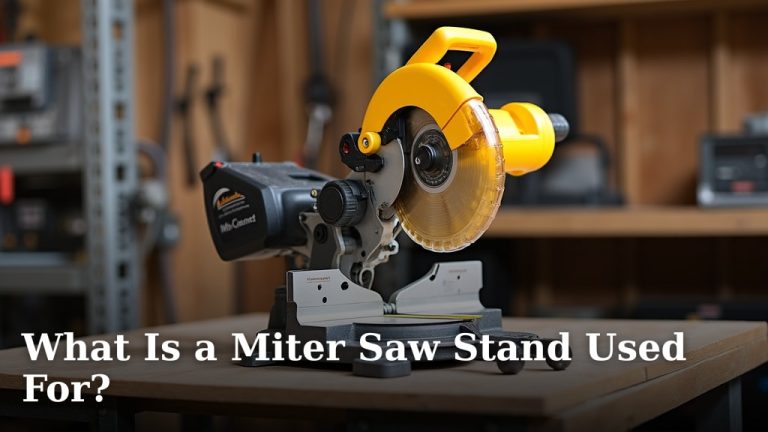
What Accessories Come with a Miter Saw?
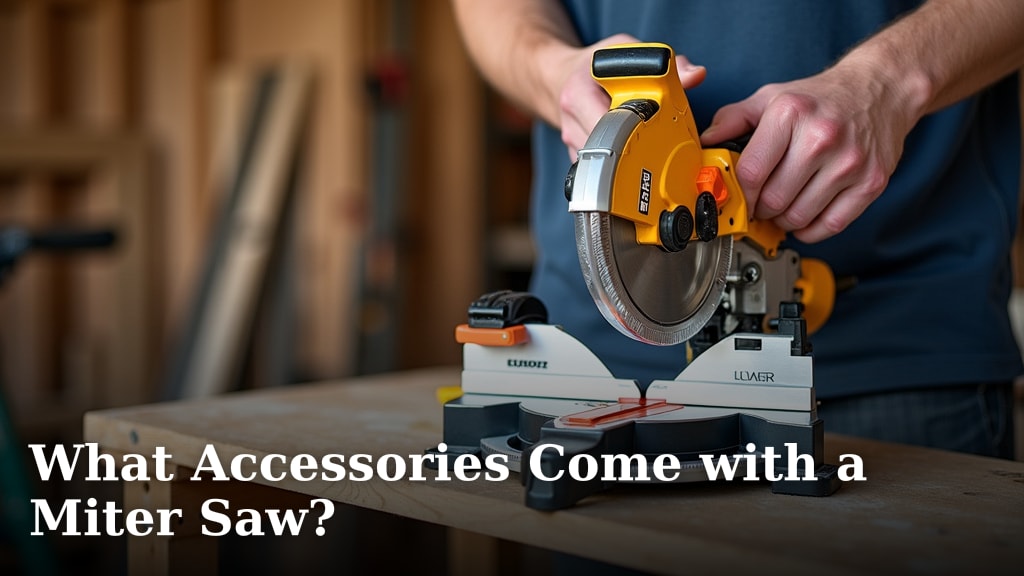
When you purchase a new miter saw, you generally receive more than just the tool itself. Most miter saws come with essential accessories to get you started, including a carbide-tipped blade, a blade wrench, and a dust bag. Some models also include a work clamp for securing your material.
The specific accessories can vary quite a bit between brands and models. For example, a basic saw might have fewer extras than a high-end professional model. We found that most manufacturers include the absolute necessities, but additional features are often sold separately.
- What to expect in the box with your miter saw.
- Common accessories like blades, wrenches, and dust bags.
- How model differences affect included items.
- Why some accessories are always sold separately.
Let’s dive into the details and find out exactly what accessories you can expect to come with your miter saw, ensuring you’re ready for your next project.
Understanding What’s Included with Your Miter Saw
When you unbox a new miter saw, you’ll generally find the saw itself along with a few key items. These items are designed to help you get started cutting right away, or at least set up the saw safely.
The Bare Necessities: What to Always Expect
Most manufacturers aim to give you what you need for basic operation. Think of it as a starter kit. You wouldn’t buy a car without tires, right? A miter saw is similar; certain accessories are just part of the package.
The Standard Blade
Almost every miter saw comes with a blade. This is typically a carbide-tipped general-purpose blade. These blades are fine for rough cuts in wood. However, if you need super-fine cuts or plan to work with different materials, you’ll likely want to upgrade (Journal of Wood Science and Technology).
- Usually a 40-tooth or 60-tooth blade for 10-inch or 12-inch saws.
- Good for cross-cutting softwood and some hardwood.
- Not ideal for very precise work or non-wood materials.
Blade Wrench
How do you change that blade? With a blade wrench! Every saw we’ve seen includes one. It’s usually a simple stamped metal wrench that fits the arbor nut. Keep it somewhere safe; you’ll need it when it’s time for a new blade.
Dust Bag
Wood dust is no fun, and it’s certainly not good for your lungs. Most miter saws include a small dust bag that attaches to the dust port. It’s usually not super efficient, but it catches some of the sawdust. It’s a start, but many users opt for a shop vac connection for better dust control (Occupational Safety and Health Administration).
Handy Extras: Sometimes Included, Sometimes Not
Beyond the absolute basics, some manufacturers throw in a few extra items. These can make your initial experience a bit smoother or add to the saw’s versatility. It really depends on the model and price point.
Material Clamp
A material clamp is a huge safety feature. It holds your workpiece firmly against the fence and base, preventing movement during a cut. We found that many mid-range and professional saws include one. If your saw doesn’t, we highly recommend getting one separately. Safety first, always!
Workpiece Supports or Extensions
Cutting long boards on a miter saw can be tricky. Some saws come with small, slide-out workpiece supports on either side of the main base. These offer a little extra surface area for your material. They’re usually short, but better than nothing for stability.
Laser Guides
A laser guide projects a line onto your workpiece, showing you exactly where the blade will cut. This can be super helpful for lining up cuts quickly. Some saws integrate this feature directly, while others offer it as an add-on. We’ve noticed it’s more common on higher-end DIY and professional models.
Accessories Often Sold Separately
There’s a whole world of miter saw accessories out there that don’t usually come in the box. Manufacturers keep the base price down by only including essentials. This also lets you customize your setup for your specific needs.
Specialty Blades
The included blade is a generalist. For fine woodworking, dado cuts (on some specialized miter saws), or cutting aluminum, you’ll need a different blade. There are blades optimized for plywood, laminates, non-ferrous metals, and super-fine crosscuts. Choosing the right blade makes a huge difference in cut quality.
Miter Saw Stands
Unless you plan to keep your saw on a workbench forever, a miter saw stand is a fantastic investment. These stands provide a stable, often portable, platform at a comfortable working height. Some even have integrated outfeed supports for long material. They almost never come with the saw itself, but we found them to be incredibly popular additions.
Dust Collection Adapters
While a dust bag is included, connecting your saw to a shop vacuum or dedicated dust collection system is far more effective. Often, you’ll need a specific adapter to get a tight seal between the saw’s dust port and your vacuum hose. These are usually sold separately and vary by brand.
Comparing Included Accessories: A Quick Look
To give you an idea, here’s a general table of what you might find with different tiers of miter saws. Keep in mind this is a generalization, and specific models will vary significantly.
| Accessory | Entry-Level Saws (Budget-Friendly) | Mid-Range Saws (DIY/Prosumer) | Professional Saws (Job Site/Shop) |
|---|---|---|---|
| Standard Blade | Yes | Yes | Yes |
| Blade Wrench | Yes | Yes | Yes |
| Dust Bag | Yes (Basic) | Yes (Improved) | Yes (Often larger) |
| Material Clamp | Rarely | Often | Almost Always |
| Workpiece Supports | Sometimes (Small) | Often (Adjustable) | Yes (Robust) |
| Laser Guide | Rarely | Often | Sometimes (High-end models) |
Why Do Accessory Kits Vary So Much?
It can be a little frustrating to see different brands offer different things, can’t it? The main reasons boil down to cost and target audience. A budget saw is designed to be as affordable as possible, so extras are cut. A professional saw expects heavy use and demanding tasks, so it includes more to boost efficiency and safety.
Manufacturers are also trying to create value. Sometimes, a brand will include a “bonus” accessory to stand out from competitors. It’s smart marketing, but it also means you have to read the box carefully!
Your Miter Saw Accessory Checklist
Before you dive into your first project, take a moment to confirm what you have and what you might need. Here’s a quick checklist to help you:
- Default Blade: Is it the right type for your first project?
- Blade Wrench: Do you know where it is? Keep it attached to the cord or in a designated spot.
- Dust Bag: Is it securely attached? Do you need better dust collection?
- Material Clamp: Is one included? If not, do you have another way to secure your wood safely?
- Workpiece Supports: Are they present and adequate for the length of your material?
- Owner’s Manual: Don’t forget to read through this! It covers assembly and safety.
Conclusion
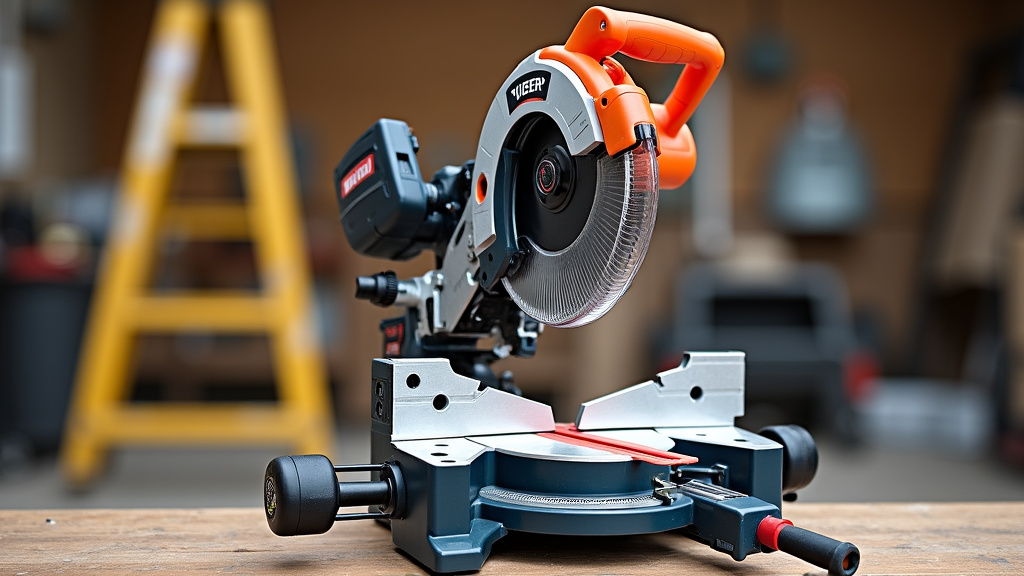
As you’ve seen, what comes with your miter saw can vary quite a bit, from the absolute necessities like a standard blade and wrench to handy extras such as material clamps or laser guides. Always check the product description carefully before buying. Understand that many useful accessories, like specialty blades or a dedicated stand, are often sold separately. This lets you customize your setup to your exact needs and budget.
Take our advice: plan for those extra purchases if you want the best performance and safety. Your miter saw is a powerful tool; outfitting it properly will make your projects much more enjoyable and efficient.
Frequently Asked Questions
Is the blade that comes with my miter saw good enough?
The blade included with most miter saws is a general-purpose, carbide-tipped blade, usually suitable for basic cross-cuts in softwood. While it will get you started, for finer cuts, different materials, or specific projects, you will likely want to upgrade to a specialty blade.
Should I buy a material clamp if my miter saw doesn’t include one?
Absolutely, yes. A material clamp is a critical safety accessory. It securely holds your workpiece in place, preventing movement during the cut and significantly reducing the risk of kickback or injury. We always recommend using one for stability and safety.
Why don’t miter saw stands usually come with the saw?
Miter saw stands are typically sold separately to keep the initial cost of the saw lower and to allow you to choose a stand that best fits your workspace and portability needs. There are many types, from portable folding stands to heavier-duty workbench models.
How can I improve dust collection on my miter saw?
While most miter saws include a dust bag, it’s generally not very effective. For better dust control, you should connect your saw to a shop vacuum or a dedicated dust collection system. You might need a specific adapter to ensure a tight seal with your vacuum hose.
Are laser guides really helpful on a miter saw?
Many users find laser guides very helpful for quickly aligning cuts and improving accuracy. They project a line onto your material, showing you the exact path of the blade. This can save time, especially when making multiple repetitive cuts.