Why Is My Miter Saw Vibrating?
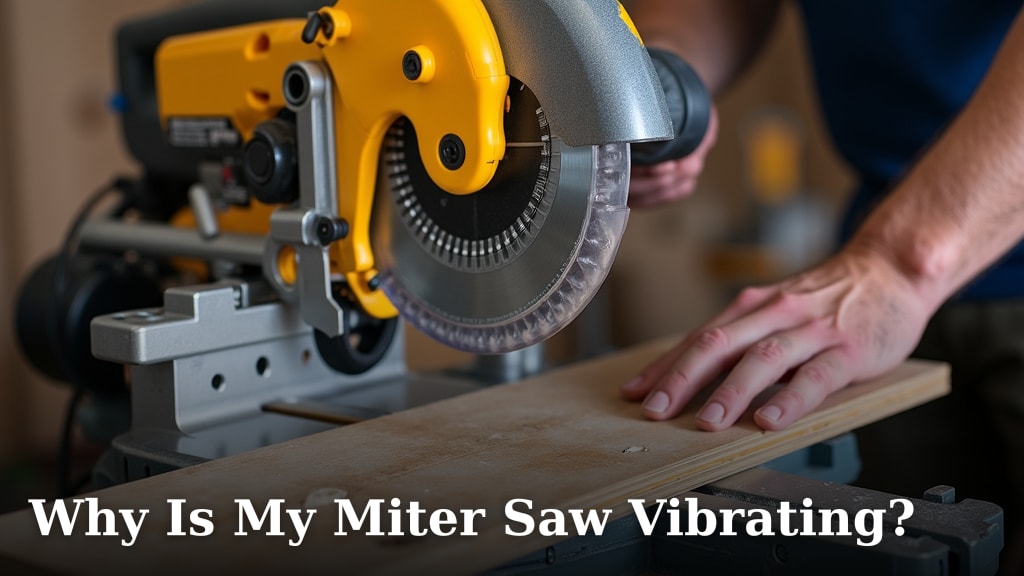
Your miter saw is vibrating because of common issues like a dull blade, loose components, or an unbalanced saw. These problems can cause a lot of shuddering and make accurate cuts impossible. Fixing them is often straightforward and quick.
You might be wondering if it’s just normal wear and tear, or if something more serious is happening. A vibrating miter saw isn’t just annoying; it can be dangerous and affect your project quality. We found that most vibration issues stem from a few key culprits that are easy to check.
- A dull or damaged blade causes poor cuts.
- Loose bolts or nuts create instability.
- Buildup of sawdust affects balance.
- Worn motor brushes lead to inconsistent power.
- An uneven workbench can also contribute.
Let’s walk through the common reasons why your miter saw is vibrating and what you can do to get it running smoothly again. We’ll help you diagnose the problem and offer simple solutions.
Common Reasons Your Miter Saw Shakes
When your miter saw starts to vibrate, it’s usually trying to tell you something. We found that the culprits are often quite common and fixable. Let’s look at what might be causing that unsettling shake.
Blade Issues: The Top Culprit
A surprising number of vibration problems trace back to your saw blade. It’s the part that does all the heavy lifting, so it takes a lot of abuse. A healthy blade is key to smooth operation.
Dull or Damaged Blades
Is your blade old? A dull blade has to work harder to cut through material. This extra resistance creates friction and vibration. You might notice burning smells or rough cuts too. Similarly, a damaged blade with bent teeth or a warped body will never run true. Even a tiny bend can throw off the balance significantly.
Think of it like trying to drive a car with a flat tire. It’s not going to be smooth, right? Your saw blade is similar. If it’s not perfectly round and sharp, it will wobble. This wobble translates directly into vibration.
Incorrect Blade Type or Size
Using the wrong blade for the job can also cause vibration. For instance, a blade with too few teeth for fine woodworking can grab and vibrate more. Also, make sure the blade’s arbor hole matches your saw’s arbor. A slightly oversized hole means the blade won’t sit snugly, leading to a noticeable wobble.
Always check your saw’s manual for recommended blade sizes and types. It’s there for a reason – to ensure safe and efficient operation. We found that many users overlook this simple but critical detail.
Loose or Worn Components
Miter saws have many moving parts, and over time, things can loosen up. It’s just the nature of tools that experience a lot of force and movement. These small imperfections can build up and cause big issues.
Loose Fasteners and Bolts
Have you checked all the nuts and bolts on your saw lately? Vibrations can cause fasteners to loosen. This includes the blade arbor nut, fence bolts, and even the bolts holding the motor housing. A loose blade nut is particularly dangerous and a major cause of vibration. This is often the first thing to check, as it’s a quick fix. If tightening the nut doesn’t resolve the issue, you might need to change a miter saw blade entirely.
We often compare this to a wobbly chair. If a leg is loose, the whole chair feels unstable. Your miter saw is no different. A few turns with a wrench can often solve the problem instantly. Many experts suggest a regular check of all fasteners (Consumer Reports).
Worn Bearings
Bearings allow parts to spin smoothly. If the motor bearings or blade arbor bearings are worn out, they won’t hold the shaft or blade perfectly centered. This creates play, which then leads to vibration, especially under load. You might hear a grinding noise along with the vibration.
Think of worn bearings like tiny ball bearings that have lost their roundness or lubrication. They can’t do their job effectively anymore. Replacing bearings can be a more involved repair, but it’s crucial for the saw’s longevity and performance.
Motor and Power Issues
The motor is the heart of your miter saw. If it’s not running correctly, you’ll feel it throughout the machine. Power delivery and motor health are critical for smooth cuts.
Worn Motor Brushes
Many miter saws use universal motors with carbon brushes. These brushes wear down over time. When they get too short, they make poor contact with the commutator. This can lead to intermittent power delivery, causing the motor to stutter and vibrate. You might also see excessive sparking around the motor vents.
Replacing motor brushes is usually a straightforward task. It’s like replacing the batteries in a remote – a simple swap can bring things back to life. Check your saw’s manual for instructions on how to access and replace them.
Power Supply Problems
Is your saw getting enough consistent power? Running your miter saw on an extension cord that is too long or too thin can cause voltage drop. This means your saw isn’t getting the full power it needs, leading to the motor struggling and vibrating. An underpowered motor will vibrate more as it tries to compensate.
Always use a heavy-duty extension cord appropriate for your saw’s amperage and the distance. We found that using the right cord is a simple way to prevent many motor-related issues. It’s like giving your saw a steady meal, not just crumbs.
Sawdust Buildup and Obstructions
Sawdust is the inevitable byproduct of woodworking. While it might seem harmless, excessive buildup can seriously affect your saw’s performance. It gets into places you wouldn’t expect.
Dust Accumulation Around Moving Parts
Sawdust can pack into the saw’s moving parts, like the blade guard, pivot points, or even the motor housing. This buildup can create friction or unbalance parts. For example, if sawdust gets stuck unevenly on the blade itself, it throws off the blade’s balance, causing vibration.
Regular cleaning is your best friend here. A shop vac and an air compressor can work wonders. Make sure to unplug your saw before cleaning! It’s a quick habit that pays off in preventing many common problems.
Workpiece and Workbench Stability
Sometimes, the saw itself isn’t the problem. The issue might be with what the saw is sitting on, or what you’re cutting. The environment around your saw plays a big role.
Unstable Workbench
Is your workbench sturdy? If your miter saw is on a wobbly table, the saw will vibrate right along with it. Even a slight wobble in the workbench can amplify the saw’s natural vibrations, making them much more noticeable and problematic. Your saw needs a solid foundation to operate correctly.
Ensure your workbench is flat, stable, and doesn’t rock. If your saw is mounted, check that all mounting bolts are tight. A stable base is fundamental for precise and safe cuts.
Improper Workpiece Support
How are you supporting the wood you’re cutting? If the workpiece isn’t firmly clamped or supported, it can vibrate during the cut. This vibration can then transfer back to the saw, making you think the saw is the problem. Using outfeed supports for longer pieces is crucial.
Always ensure your material is secure. A wiggling piece of wood creates a wiggling blade, and that means a vibrating saw. It’s all interconnected.
Your Miter Saw Vibration Checklist
Here’s a quick list to go through when your saw starts shaking:
- Check the blade for sharpness and damage.
- Ensure the blade arbor nut is tight.
- Inspect all visible bolts and fasteners.
- Clean out any sawdust buildup thoroughly.
- Check your motor brushes for wear.
- Verify your workbench is stable and level.
- Ensure your workpiece is clamped securely.
| Problem Area | Common Symptoms | Quick Fix/Check |
|---|---|---|
| Blade | Rough cuts, burning wood, noticeable wobble. | Replace or sharpen blade; check for correct size. |
| Loose Parts | Rattling noises, excessive movement. | Tighten all bolts and fasteners. |
| Motor | Intermittent power, excessive sparking. | Check/replace motor brushes; verify power supply. |
| Dust | Grinding sounds, parts getting stuck. | Thoroughly clean saw’s interior. |
| Stability | Saw moves with workbench, workpiece chatters. | Secure workbench, use clamps/supports. |
Conclusion
Dealing with a vibrating miter saw can be frustrating, but as we’ve discussed, most issues are quite solvable. By systematically checking your blade, tightening loose components, cleaning out sawdust, and ensuring a stable setup, you can often restore your saw’s smooth operation. Your diligence not only improves cut quality but also significantly boosts safety in your workshop. Take the time to diagnose the problem using our checklist, and you’ll be making precise, vibration-free cuts again in no time.
Frequently Asked Questions
Is some miter saw vibration normal during operation?
A small amount of vibration can be normal, especially when the saw motor engages or disengages. However, excessive or continuous vibration that affects your cut quality or comfort is a sign of a problem and should be addressed.
Can extension cords really cause miter saw vibration?
Yes, an inadequate extension cord can cause issues. If the cord is too long or too thin (low gauge), it can lead to a voltage drop, starving your saw’s motor of the power it needs. This struggle can manifest as increased vibration.
How often should I check my miter saw for loose parts?
We recommend a quick check of critical fasteners, especially the blade arbor nut and fence bolts, before each major project or at least quarterly. Regular use naturally loosens things, so routine inspection is key to preventing problems.
What’s the best way to clean sawdust from my miter saw?
Always unplug your saw first. Use a shop vacuum to remove loose debris, followed by compressed air to blow out dust from crevices and motor vents. Avoid using water or harsh chemicals, which can damage electrical components or lubricated parts.
Can a cheap blade cause more vibration than a high-quality one?
Often, yes. Cheaper blades may have poor balance, inconsistent tooth geometry, or less durable materials that dull quickly. These factors can all contribute to increased vibration compared to a well-balanced, sharp, and high-quality blade.