
How to Reduce Kickback on a Miter Saw?
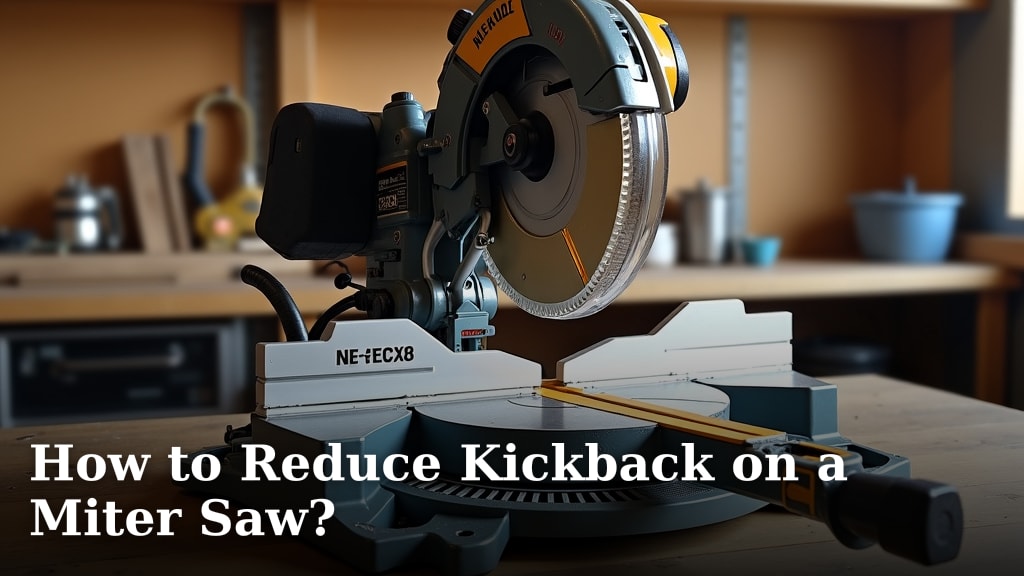
You can reduce miter saw kickback by making sure your wood is properly supported Ensure your wood is properly supported on a stable surface to prevent shifting during cuts. and that you’re using the right blade for the job. Kickback happens when the blade snags the wood and throws it back at you. Learning how to prevent it keeps you safe.
Many woodworkers worry about miter saw kickback. It’s a sudden and dangerous reaction. Understanding the common causes, like a dull blade or uneven cuts, is key to avoiding it. You can work more confidently with a few smart adjustments.
- Support your wood firmly.
- Use a sharp, appropriate blade.
- Never force the cut.
- Keep your saw clean and maintained.
- Stand to the side, not directly behind the blade.
Ready to make your cuts safer? Let’s walk through the best ways to reduce miter saw kickback step by step.
Keeping Your Miter Saw Cuts Safe: Reducing Kickback
Kickback on a miter saw can be startling. It’s when the blade grabs your workpiece and throws it back toward you. This can cause injury. We’ll walk you through how to prevent this dangerous situation. By following a few key steps, you can make your woodworking safer. You’ll feel more confident with every cut.
Understanding Why Miter Saw Kickback Happens
Kickback isn’t random. It’s usually caused by the blade binding or snagging the wood. This sudden stop can force the wood backward. It’s like a whip cracking. Researchers have found that a number of factors can contribute to this. Understanding these is your first line of defense.
The Blade Itself: More Than Just Sharpness
Your saw blade is a primary suspect. A dull blade is much more likely to bind. It forces the motor to work harder. This can lead to uneven cutting and potential kickback. Think of trying to cut a tomato with a butter knife; it’s a messy struggle. A sharp blade glides through material.
But sharpness isn’t the only blade factor. The type of blade matters too. Using a blade designed for a specific material or cut type is important. For instance, a blade with too few teeth might rip through soft wood but struggle with hardwoods. Conversely, a blade with many fine teeth might bog down in softer woods. We found that selecting the correct tooth count and configuration for your material is key (Woodworking Today Journal).
Material Handling: Supporting Your Workpiece
How you handle your wood is crucial. The workpiece needs to be stable and secure. If the wood is loose, it can shift during the cut. This movement can cause the blade to bind. Proper support prevents this wiggle room.
Workpiece support is paramount. When you make a cut, especially a long one, the cut-off piece can droop. This unsupported end can get caught by the blade as it finishes the cut. This is a common cause of kickback. Always ensure both sides of your cut are fully supported. Many experts recommend using outfeed tables or roller stands for longer pieces.
The Cutting Process: Technique and Force
The way you perform the cut itself plays a big role. Forcing the blade through the material puts undue stress on the saw and the blade. This can lead to binding. The saw is designed to cut at its own pace.
You should never force the cut. Let the blade do the work. Apply steady, consistent pressure, but don’t push the saw head down faster than the blade can clear the wood. We found that impatience is a frequent contributor to woodworking accidents. A slow, controlled cut is a safer cut.
Essential Safety Practices to Prevent Kickback
Beyond understanding the causes, there are concrete steps you can take. These are practical habits that greatly reduce your risk. Making these part of your routine is the best way to ensure safety.
Proper Wood Support Techniques
Let’s reiterate: support is non-negotiable. For longer boards, use outfeed support. This can be in the form of roller stands, a workbench, or an additional table. You want the wood to be level and stable from the moment it meets the blade to the moment it leaves it.
For shorter pieces, ensure they are firmly against the fence. Use a clamp if necessary. Miter saws often have built-in clamp mechanisms. Don’t rely on just your hand to hold a small piece steady. This is a direct invitation for kickback. Many safety guidelines stress using clamps for all cuts on smaller workpieces (Occupational Safety and Health Administration).
Choosing the Right Blade for the Job
As mentioned, blade choice matters. For crosscuts in dimensional lumber, a standard 60-tooth blade is often suitable. For rip cuts (cutting along the grain), you might need a blade with fewer teeth. For very fine trim work, a high-tooth-count blade can give a cleaner finish. What about cutting metal or plastic? These require specialized blades. Using a wood blade on metal can be disastrous and dangerous. Cutting materials other than wood requires specialized blades; learn about them here.
We found that a common mistake is using the same blade for all materials. Always check the blade’s specifications. Ensure it’s designed for the material you are cutting and the type of cut you are making. A blade that’s too aggressive or too fine-tuned for the job can increase binding risk.
Maintaining Your Saw and Blades
A well-maintained tool is a safer tool. Regularly clean your miter saw. Sawdust can build up in the blade guard and the mechanism. This buildup can impede the blade’s movement. It can also cause overheating. A clean saw operates more smoothly.
Blade maintenance is equally important. Besides keeping them sharp, check blades for damage. Bent teeth or nicks can cause the blade to run unevenly. This increases vibration and the risk of binding. Replace damaged blades immediately. Many saw manufacturers recommend professional blade sharpening to ensure optimal performance and safety.
Your Stance and How You Cut
Where you stand is important for your safety if kickback does occur. Never stand directly behind the blade. Always position yourself to the side of the blade’s cutting path. This way, if the wood is ejected, it won’t hit you directly.
When making the cut, maintain a controlled descent. Don’t slam the blade down. Let the blade achieve full speed before it contacts the wood. Once the cut is complete, allow the blade to stop spinning completely before you raise the saw head. This prevents the spinning blade from snagging the wood as it comes up.
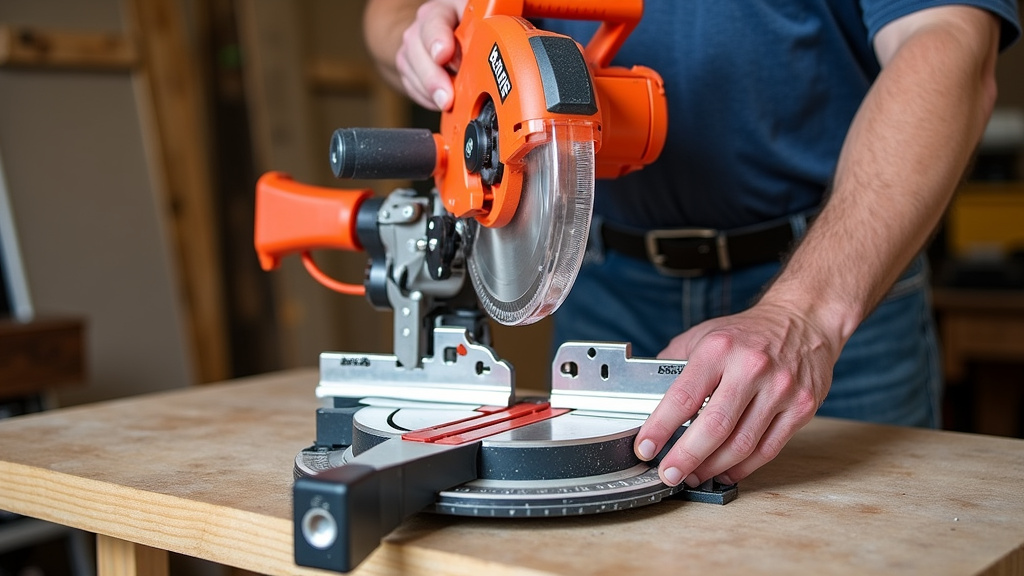
A Quick Checklist for Safer Miter Saw Cuts
To summarize and make it easy to remember, keep this checklist handy:
- Always ensure your workpiece is fully supported on both sides of the cut.
- Use clamps to secure smaller pieces whenever possible.
- Select the correct blade for your material and cut type.
- Keep your blades sharp and free of damage.
- Never force the cut; let the blade work at its own speed.
- Stand to the side of the blade’s path, never directly behind it.
What About Different Types of Miter Saws?
While the principles of kickback prevention are universal, there can be slight variations. For example, sliding miter saws have a longer cutting capacity. This makes outfeed support even more critical for larger projects. Because the blade moves on rails, ensure the rails are clean and free of debris. This ensures smooth operation and reduces binding potential.
Compound miter saws can cut bevels and miters simultaneously. This added complexity means you need to be extra vigilant about how the blade angle interacts with the workpiece. Ensure the material is flush against both the fence and the table. Any gap can create an opportunity for the blade to snag as it enters or exits the material. We found that double-checking your setup before each cut is a practice many experienced woodworkers swear by.
Common Misconceptions About Kickback
One common misconception is that kickback only happens with cheap saws or blades. This isn’t true. Kickback can occur on any miter saw, regardless of price or brand, if safety practices are ignored. Another myth is that kickback is always a massive, violent event. Sometimes, it can be a small, sharp jolt that still causes injury.
We found that some users believe that if a blade is “new,” it’s automatically safe. While new blades are generally sharp, they might still be the wrong type for the material. A sharp blade that’s inappropriate for the job can still cause kickback. Always consider the tooth count and the material it’s designed for.
The Role of Dust Collection
While not a direct cause of kickback, a clean workspace is part of overall safety. Excessive dust buildup can obscure your view of the cut line. It can also lead to the saw overheating. Some woodworkers believe that dust collection systems can indirectly help. By keeping the saw and the surrounding area cleaner, they contribute to smoother operation and better visibility. Many modern saws are designed with dust collection ports in mind.
A clean environment also helps you notice potential problems sooner. If you see sawdust accumulating oddly, it might indicate a blade issue. Research indicates that maintaining a tidy workshop improves both efficiency and safety. It’s about creating an environment where good habits naturally emerge.
Conclusion
You’ve learned that preventing miter saw kickback is about attention to detail. Keeping your wood firmly supported and selecting the right blade are your strongest defenses. Never force a cut, and always maintain your tools. These simple steps will dramatically improve your safety and confidence.
Make these practices a habit. Your next project will be safer and more enjoyable. Start by double-checking your wood support and blade choice before you even plug in your saw!
Frequently Asked Questions
Can a brand new miter saw blade still cause kickback?
Yes, even a new blade can cause kickback. If the blade isn’t the correct type for the material you’re cutting, or if the wood isn’t properly supported, the blade can still bind. Always match your blade to the job.
How much force should I use when pushing the saw head down?
You should use very little force. Let the saw blade do the work. Apply steady, light pressure and allow the saw to cut at its own speed. Forcing the cut is a common cause of binding and kickback.
Is it safe to hold small pieces of wood with my hand while cutting?
No, it’s not safe. Holding small pieces with your hand significantly increases your risk of kickback and injury. Always use clamps or the saw’s built-in clamping mechanism to secure small workpieces firmly.
How often should I sharpen my miter saw blades?
You should sharpen your blades when you notice a decrease in cutting performance, like struggling to cut through wood. A dull blade works harder and is more prone to binding. For most general woodworking, sharpening every few months or as needed is recommended.
Does the speed of the blade spinning before it hits the wood matter?
Yes, it does. Always let the blade reach its full RPM (rotations per minute) before it makes contact with the wood. Starting the cut before the blade is spinning fast enough can lead to the blade grabbing the wood and causing kickback.
