
Can You Rip a Board on a Miter Saw?
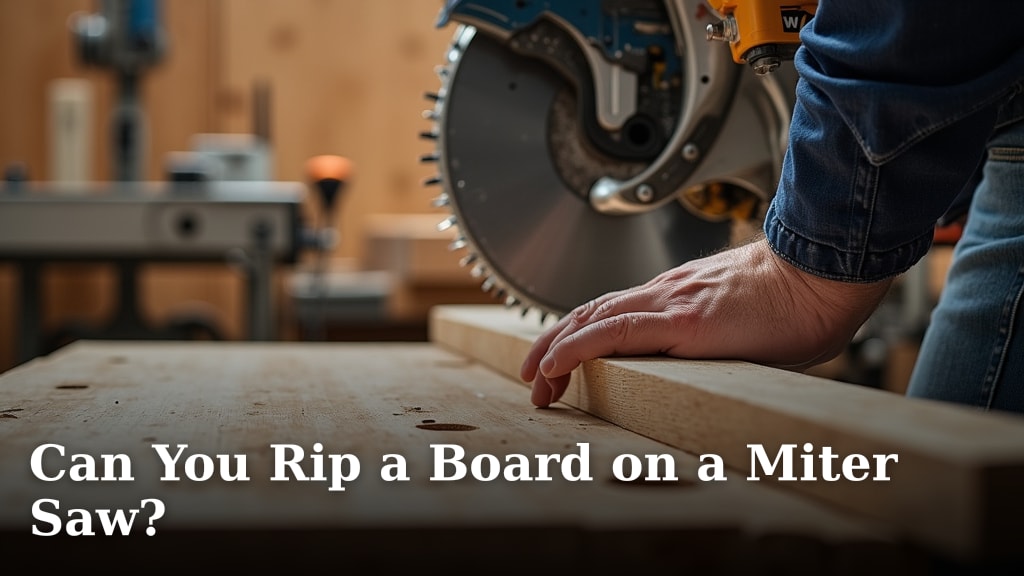
No, you generally should not rip a board on a miter saw. A miter saw is designed for cross-cutting wood, meaning you cut across the grain. Ripping involves cutting along the grain, which is dangerous and can lead to kickback when attempted on a miter saw.
Trying to rip a board on a miter saw can be extremely hazardous. The blade geometry and fence setup are not suited for long, lengthwise cuts. This can cause the wood to bind, resulting in the saw violently throwing the workpiece back at you, or even causing serious damage to the saw itself. For safety and precision, always use the right tool for the job.
- Miter saws are for cross-cuts, not ripping.
- Ripping on a miter saw is dangerous and can cause kickback.
- Kickback can lead to serious injury or saw damage.
- Use a table saw or circular saw for ripping boards safely.
So, what exactly happens when you try to rip a board on a miter saw, and why is it such a bad idea? Let’s explore the dangers and the correct tools to use for ripping.
Why Ripping on a Miter Saw is So Dangerous
Attempting to rip a board lengthwise on a miter saw creates a very hazardous situation. It’s not just inefficient; it can lead to serious injury or damage to your tools. Let’s look at why this specific saw is ill-suited for ripping.
The Design Mismatch: Blade and Fence
A miter saw is built for cross-cutting. This means its design optimizes cuts across the wood grain. Think of cutting a 2×4 to length. That’s its sweet spot.
Blade Geometry
Miter saw blades typically have a high tooth count and a specific tooth angle. These features are great for smooth cross-cuts, preventing splintering. However, for ripping, this design is a problem. Ripping blades have fewer teeth and a different angle to efficiently slice through the grain. A miter saw blade will try to “chew” its way through a rip cut, causing excessive friction and heat.
Fixed Fence Limitations
Miter saws have a fixed fence. When you cross-cut, the board sits firmly against this fence. This provides stability for a short, quick cut. For ripping, you need to guide the wood along the blade over a much longer distance. A fixed fence on a miter saw offers no support for this kind of cut, making it easy for the wood to drift and bind.
Understanding Kickback: The Primary Hazard
Kickback is the biggest risk when using a miter saw incorrectly for ripping. It’s when the saw blade grabs the workpiece and throws it back at you with considerable force. This can happen very fast.
What Causes Kickback During Ripping?
When you try to rip a long board on a miter saw, several factors align to cause kickback. The blade’s angle, the long contact with the wood, and the lack of proper support all contribute. The wood can twist, pinch the blade, and then — whoosh! — it’s heading your way. We found that the Occupational Safety and Health Administration (OSHA) consistently highlights kickback as a major hazard in woodworking, especially with improper saw use.
Potential Injuries from Kickback
Kickback isn’t just startling; it can cause severe injuries. These can include deep cuts, broken bones, or even internal injuries if the wood hits your body or head. Imagine a heavy piece of wood being flung at high speed. It’s not a risk worth taking for a quick, improper cut.
The Right Tools for Ripping Wood Safely
Since a miter saw is out of the question for ripping, what should you use? There are specific tools designed to rip boards safely and accurately. Using the right tool ensures both your safety and the quality of your cut.
Table Saws: The Ripping Champion
A table saw is the ideal tool for ripping wood. Its design is perfectly suited for long, straight cuts along the grain. If you do a lot of woodworking, this is a must-have.
How Table Saws Facilitate Safe Ripping
Table saws feature a large, flat surface and an adjustable rip fence. You set the fence to the desired width, and it guides the wood perfectly parallel to the blade. This setup keeps the workpiece stable and prevents binding. Many safety devices, like riving knives and blade guards, are also standard on modern table saws, further reducing kickback risks (Consumer Product Safety Commission).
Key Table Saw Safety Tips for Ripping
Even with the right tool, safety is paramount. Always use a push stick or push block to keep your hands away from the blade. Ensure the rip fence is locked securely. Keep the wood firmly against the fence throughout the cut. Never stand directly behind the workpiece — stand slightly to the side in case of kickback.
Circular Saws: A Portable Ripping Solution
If a table saw isn’t available, a circular saw can also rip boards. It’s more portable and versatile, though it requires a bit more setup for accurate ripping. It’s a great option for occasional ripping tasks or when working on-site.
Using a Circular Saw for Ripping
To rip with a circular saw, you need a straight edge or a ripping guide. Clamp a straight piece of wood or a metal ruler to your workpiece, parallel to your intended cut line. The base plate of your circular saw will then slide along this guide, creating a straight rip cut. This method needs careful measurement and secure clamping.
Circular Saw Ripping Checklist
- Check the blade: Use a blade designed for ripping or a combination blade.
- Set blade depth: Adjust the blade so it cuts just through the workpiece.
- Secure the workpiece: Clamp your board firmly to a workbench or sawhorse.
- Use a guide: Always use a clamped straight edge or a dedicated rip fence attachment.
- Wear safety gear: Always use eye protection and hearing protection.
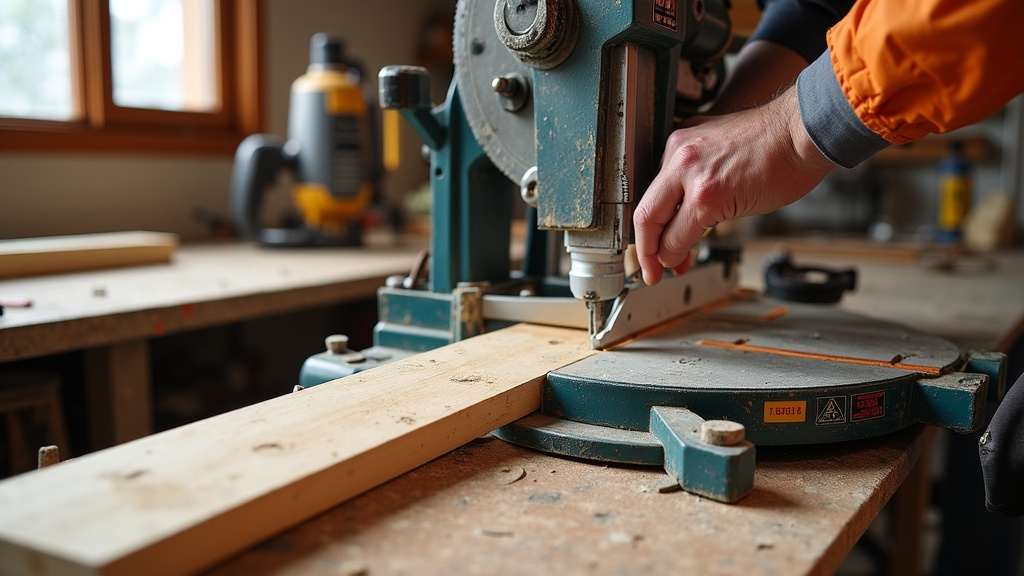
Understanding Different Woodworking Cuts
Knowing the difference between various cuts helps you choose the correct tool. It’s all about matching the saw to the task at hand for optimal safety and results.
Cross-Cutting vs. Ripping: A Clear Distinction
These are the two fundamental cuts in woodworking. While they both involve cutting wood, they differ significantly in direction relative to the wood grain.
| Cut Type | Definition | Grain Direction | Best Saw | Miter Saw Suitability |
|---|---|---|---|---|
| Cross-Cut | Cutting across the board’s width, shortening its length. | Across the wood grain. | Miter Saw, Circular Saw, Hand Saw | Excellent (Primary Function) |
| Rip Cut | Cutting along the board’s length, reducing its width. | Parallel to the wood grain. | Table Saw, Circular Saw with Guide | Poor (Dangerous, Not Recommended) |
Other Common Cuts
Beyond ripping and cross-cutting, you’ll encounter other cuts. Miter cuts are angled cross-cuts, often done on a miter saw. Bevel cuts are angled through the thickness of the wood, which many saws can perform by tilting the blade. Each cut has its own ideal tools and safety considerations.
Conclusion
You’ve learned that a miter saw is simply not designed for ripping wood. Trying to force it can lead to dangerous kickback and serious injury. Always prioritize your safety by using the right tool for the job. A table saw is your best bet for accurate, safe rip cuts, while a circular saw with a guide works well for occasional tasks. Understanding these differences protects both you and your project.
So, before you start your next woodworking project, take a moment to confirm you have the correct saw ready. It makes all the difference.
Frequently Asked Questions
What is the main difference between a ripping blade and a cross-cut blade?
Ripping blades usually have fewer teeth with a more aggressive angle, helping them efficiently slice along the wood grain. Cross-cut blades have more teeth and a different tooth geometry for cleaner cuts across the grain, preventing splintering.
Can I use a miter saw to cut a small piece of wood lengthwise if I’m very careful?
No, even for small pieces, attempting to rip on a miter saw is highly unsafe. The fundamental design mismatch between the saw and the cut type creates an immediate kickback risk. It’s never worth the danger.
Is there any attachment that makes a miter saw safe for ripping?
There are no attachments that safely convert a miter saw into a ripping saw. Its fixed fence and blade geometry are fundamental limitations. For ripping, you need a different tool altogether.
What should I do if my workpiece binds or kicks back on any saw?
If kickback occurs, immediately release the power button and step away from the saw. Disconnect the power before attempting to clear the jammed wood. Always inspect the saw and blade for damage before resuming work.
Why is a push stick so important when ripping on a table saw?
A push stick keeps your hands and fingers a safe distance from the spinning blade, especially as you finish a cut. It ensures you can maintain control over the workpiece without putting your body at risk, preventing severe injuries.
