
How Tall Should A Miter Saw Station Be?
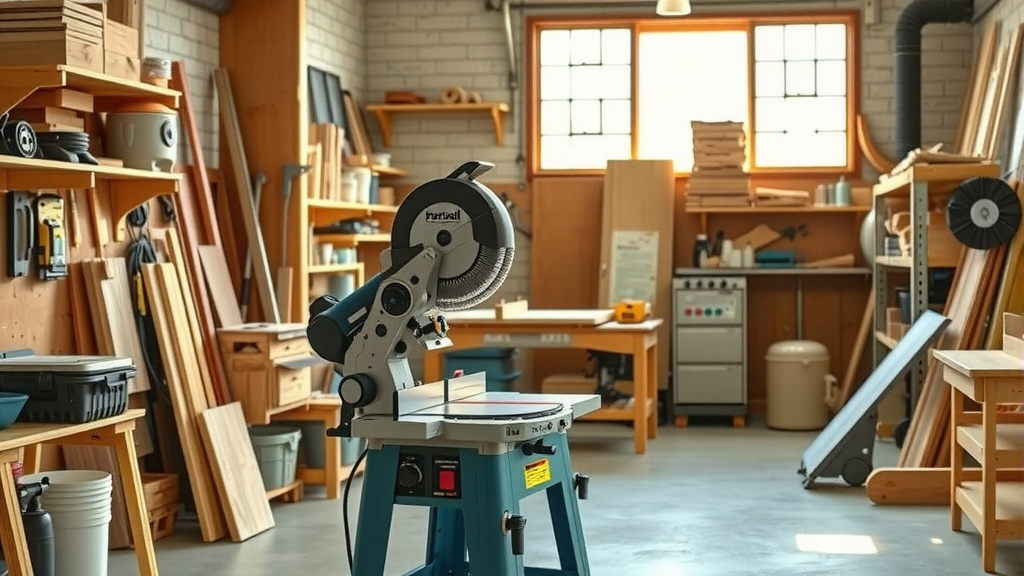
The ideal height for a miter saw station typically aligns with your existing workbench or table saw, often around 36 inches for average-height users.
However, the most crucial factor for a miter saw station’s height is your personal comfort and ergonomics to ensure safe and accurate cuts.
TL;DR: Here’s the essential takeaway for your miter saw station:
- Aim for a height that lets you stand upright without bending over.
- Match it to your other primary work surfaces for seamless material transfer.
- Prioritize personal ergonomics; a custom height often works best.
- Consider adding adjustable features for maximum versatility.
- A comfortable stance prevents fatigue and improves cutting precision.
How Tall Should A Miter Saw Station Be?
Finding the perfect height for your miter saw station makes a world of difference in your woodworking. Think of it like this: a chef wouldn’t want a chopping block too low or too high, right? You need a comfortable posture for precise, safe work.
Many experts agree that a station height between 34 and 38 inches is a great starting point. This range often accommodates most users and aligns with standard tool heights.
Why Does Miter Saw Station Height Matter So Much?
Your miter saw station isn’t just a place to put your saw. It’s the hub for accurate cuts and comfortable work. The height directly impacts your posture, reducing strain on your back and shoulders. Poor posture leads to fatigue, and fatigue leads to mistakes. Nobody wants that.
An incorrectly sized station can also affect your sightline to the blade. This creates a safety risk and compromises the accuracy of your cuts. You want a clear view of your work always.
Ergonomics: Your Body’s Best Friend
Ergonomics is just a fancy word for designing your workspace to fit you. For a miter saw station, this means a height where you can stand naturally. Your arms should hang relaxed, and your hands should meet the saw’s handle without hunching or reaching awkwardly.
We found that keeping your wrists straight and your elbows slightly bent is a good indicator of proper height. This reduces repetitive strain and makes long work sessions far more enjoyable (Occupational Safety and Health Administration guidelines often highlight this).
Standard Bench Height vs. Personal Preference
Many workshops aim for a uniform workbench height. Standard kitchen counters are usually 36 inches tall. This is often a good reference for your miter saw station if you’re looking for a quick answer.
However, you are unique! Your height, arm length, and even your preferred standing posture all play a role. Don’t be afraid to customize your setup to fit your body perfectly.
The “Comfort Test” for Your Station
Here’s a simple test you can do. Stand at your planned station height. Place your hands as if you were operating the saw. Do you feel hunched? Are you stretching? Your back should be straight, and your shoulders relaxed. If not, adjust.
Research suggests that minor height adjustments can prevent significant back pain over time. Listen to your body; it’s telling you something important.
Factors Influencing Your Ideal Miter Saw Station Height
Several things contribute to the perfect station height. Thinking about these helps you build a setup that truly works for you.
- Your Height: Taller individuals often need a higher station.
- Saw Model: Some saws sit higher on their base than others.
- Material Size: Cutting long, heavy boards might require different considerations.
- Other Work Surfaces: Matching your table saw or workbench creates a seamless workflow.
Matching Your Other Tools
Imagine sliding a long board from your table saw straight onto your miter saw station. Smooth, right? If your surfaces are at different heights, that board will catch, creating frustration and potential inaccuracy. Many woodworking experts suggest making all primary work surfaces the same height for effortless material handling.
This “outfeed support” consistency is key for both safety and precision when working with larger pieces of wood. It truly streamlines your process.
Adjustable vs. Fixed Height Stations
Some woodworkers prefer a fixed, sturdy station, especially if only one person uses it. A fixed station can be rock-solid and straightforward to build.
However, an adjustable height station offers incredible flexibility. Perhaps you want to sit for some tasks or accommodate different users. Think about your future needs and potential uses for the station.
Consider Adjustable Feet or Casters
Even if you build a fixed-height station, adding adjustable feet can be a game-changer. These let you fine-tune the height by an inch or two, compensating for uneven floors or slight adjustments. Heavy-duty locking casters also add mobility while maintaining a stable work surface.
This small addition provides surprising versatility. It’s like having a custom fit with just a few turns.
Common Miter Saw Station Heights Compared
Here’s a quick look at common heights and what they typically suit:
| Height Range | Best For | Considerations |
|---|---|---|
| 32-34 Inches | Shorter individuals (under 5’6″), sitting for tasks. | May require taller individuals to stoop. |
| 36 Inches | Average height (5’6″ – 6’0″), matching kitchen counters/table saws. | Most common and versatile for many workshops. |
| 38-40 Inches | Taller individuals (over 6’0″), or specific tool requirements. | Can be too high for shorter users, causing shoulder strain. |
Remember, these are guidelines. Your body will give you the most accurate answer.
Building Your Custom Miter Saw Station: A Checklist
Ready to build? Here’s a quick checklist to ensure you nail the height:
- Set up your miter saw on a temporary surface at varying heights.
- Stand as if you’re making a cut and find your comfortable zone.
- Measure that comfortable height from the floor to the saw’s cutting deck.
- Consider the height of your outfeed supports for other tools.
- Add an inch or two if you plan to use anti-fatigue mats underfoot.
- Factor in any adjustable feet or locking casters you might add.
Don’t Forget About Outfeed Supports!
A good miter saw station isn’t just about the saw’s spot. It includes wing extensions or outfeed supports. These need to be perfectly level with your saw’s base to prevent material binding. This is where those matching heights really shine.
Even a slight difference can cause your material to lift or dip, ruining your cut. Take the time to get these perfectly aligned.
The Trade-Offs of Too Low or Too High
What happens if your station isn’t just right? Too low, and you’ll be constantly bending, leading to back pain and poor sightlines. Your shoulders will hunch, and your arms will get tired quickly.
Too high, and you’ll struggle to apply downward pressure, especially on tough cuts. This can cause you to stand on your tiptoes, losing stability. Both scenarios increase fatigue and decrease accuracy, sometimes even posing a safety risk.
Invest in Your Comfort (and Your Projects)
Think of your miter saw station height as an investment. Investing a little time in getting it right now will pay dividends in comfort, safety, and project quality for years to come. It’s truly worth the effort to dial it in.
A happy woodworker makes for a productive woodworker. You deserve a setup that supports your passion.
Conclusion
The ideal height for your miter saw station isn’t a one-size-fits-all number. It’s a sweet spot found at the intersection of ergonomics, existing workshop tools, and your personal comfort. While 36 inches is a common and often effective starting point, your own body provides the ultimate guide.
By prioritizing a straight back, relaxed shoulders, and level material support, you’ll create a miter saw station that enhances your workflow, protects your well-being, and ensures precise, satisfying cuts every time. Take the time to measure, test, and adjust. Your future projects (and your back) will thank you.
How do I measure the correct height for my miter saw station?
To measure the correct height, first, place your miter saw on a temporary surface. Stand in your normal cutting position with relaxed shoulders and a straight back. Measure the distance from the floor to the saw’s cutting deck (the surface where the wood rests). This measurement is your ideal station height.
Should my miter saw station match my table saw height?
Yes, many woodworking professionals strongly recommend matching your miter saw station height to your table saw. This creates a continuous, level surface for easier material transfer, especially for long boards, significantly improving both safety and cutting accuracy.
What if multiple people use the miter saw station?
If multiple people use the station, consider building an adjustable-height station or one with sturdy, adjustable feet. Alternatively, you could aim for a median height that accommodates most users comfortably, with taller users potentially stooping slightly and shorter users perhaps using an anti-fatigue mat to gain a little height.
Does the type of miter saw affect the station height?
Yes, the specific model of your miter saw can affect the overall station height. Some saws have a taller base or sit higher on their integrated stands. Always measure from the floor to the actual cutting surface of your specific saw to ensure accuracy, rather than just relying on a general workbench height.
Are anti-fatigue mats important for miter saw stations?
Anti-fatigue mats are very beneficial, especially if you spend long periods at your miter saw station. They provide cushioning that reduces strain on your feet, legs, and back. If you plan to use one, remember to factor its thickness into your station’s overall height measurement to maintain ergonomic comfort.
