Are Miter Saw Stands Worth It?
Yes, miter saw stands are absolutely worth it for anyone regularly using their miter saw, transforming your workspace and boosting cutting precision. They provide a stable, ergonomic platform that significantly improves safety and efficiency for various projects.
Investing in miter saw stands can dramatically enhance your woodworking experience, making repetitive cuts faster and more accurate while reducing strain on your body.
Here’s a quick summary of why a miter saw stand might be your next best investment:
- Gain significant stability and precision for all your cuts.
- Enjoy an improved ergonomic working position, reducing back strain.
- Achieve greater portability and setup speed for job site efficiency.
- Experience enhanced safety features that keep you and your work secure.
- Benefit from handy material support extensions for longer workpieces.
Are Miter Saw Stands Worth It?
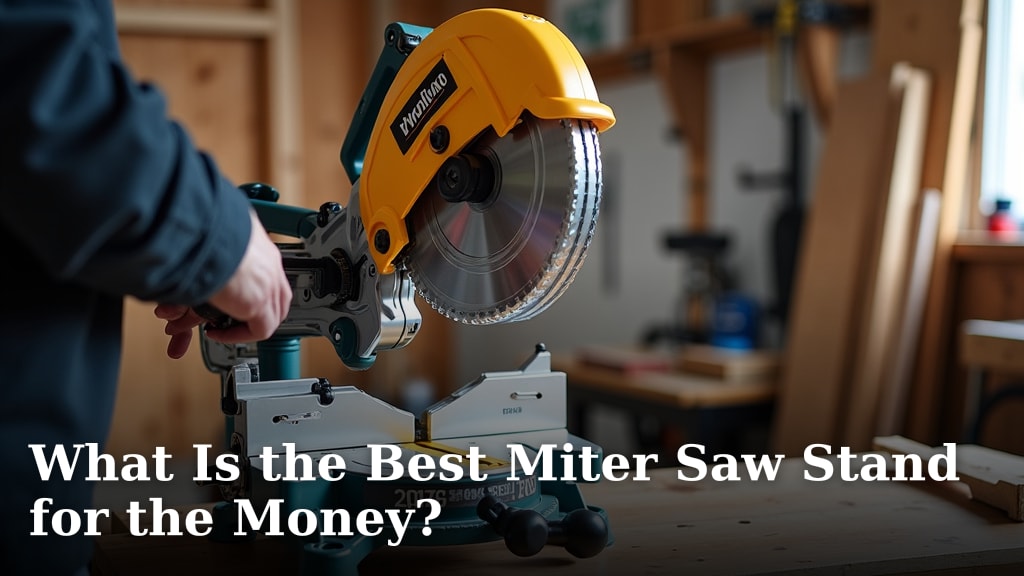
For many woodworkers and DIY enthusiasts, a miter saw stand quickly becomes an indispensable tool. It takes your miter saw from a tabletop balancing act to a dedicated miter saw with a stand, making every cut safer and more accurate.
The Core Benefits: Why They Make a Difference
When you use a miter saw, especially on a regular basis, a proper stand offers foundational stability. This stability is key for safety and achieving consistently accurate cuts. Trying to balance a miter saw without a stand on makeshift supports often leads to frustration and inconsistent results.
Enhanced Stability and Precision
Imagine trying to draw a straight line on a shaky table. That’s similar to cutting with a miter saw on an unstable surface. A dedicated stand locks your saw in place, providing a rock-solid base for every angle and depth cut. This makes achieving perfect joints and consistent lengths much easier.
Improved Ergonomics and Comfort
Working on the floor or a low bench with a miter saw can put serious strain on your back and knees. Miter saw stands typically raise the saw to a comfortable working height. This means less bending, less stooping, and a much more comfortable experience overall, especially during long projects (OSHA guidelines often recommend ergonomic setups to reduce worker strain).
Portability and Quick Setup
Many stands are designed for easy folding and transport. If you move your saw between different job sites or simply need to reclaim space in your garage, a portable stand is a game-changer. You can set up and break down your workspace in minutes, saving valuable time.
Material Support Extensions
Cutting long pieces of lumber without proper support is challenging and unsafe. Most miter saw stands come with adjustable material supports. These extensions prevent your workpiece from tipping or sagging, ensuring straight cuts and reducing the risk of kickback.
Types of Miter Saw Stands: Finding Your Match
Just like miter saws themselves, stands come in different designs, each with its own advantages. Understanding these differences helps you pick the best one for your specific needs.
Stationary Stands
These are typically robust, non-folding stands, ideal for dedicated workshops. They offer maximum stability and can often support heavier saws. If you rarely move your saw, a stationary stand offers solid support.
Portable Folding Stands
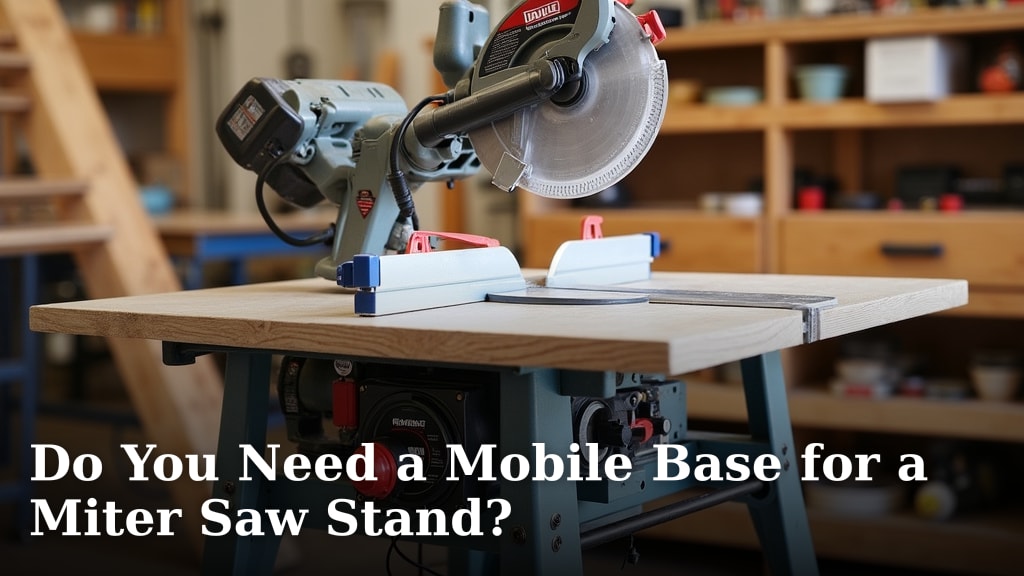
The most common type, these stands fold up for easy transport and storage. They are perfect for those who need to move their saw often, whether to different rooms, outside, or to job sites. Many feature wheels for effortless movement.
Rolling or Wheeled Stands
Designed for maximum mobility, these stands often have larger, more durable wheels. They make it simple to roll your saw and stand around a workshop or job site, even over uneven terrain. We found that these are preferred by contractors for their job site flexibility.
Here’s a quick comparison to help you visualize the choices:
| Stand Type | Key Benefit | Ideal User |
|---|---|---|
| Stationary | Maximum stability | Dedicated workshop user |
| Portable Folding | Easy transport & storage | DIYer, light contractor |
| Rolling/Wheeled | High mobility | Contractor, large workshop |
Choosing the Right Miter Saw Stand for You
The best stand isn’t always the most expensive one. It’s the one that best fits your specific needs, your saw, and your workspace. Consider these points before making a decision.
Compatibility with Your Saw
Not all stands fit all saws. Check the stand’s specifications to ensure it can accommodate your miter saw’s size and mounting pattern. Some stands are universal, while others are brand-specific or require adapters.
Weight Capacity and Durability
Consider the weight of your miter saw, especially if it’s a large sliding model. A good stand should have a sufficient weight capacity to safely support your saw and any heavy workpieces. Durable construction, often steel, ensures longevity.
Portability vs. Stability Needs
Will you be moving your saw often, or will it stay in one spot? If portability is key, look for lightweight, easily foldable stands with wheels. If maximum stability for heavy-duty work is your priority, a heavier, more rigid stand might be better.
Storage Footprint
When not in use, where will your stand go? If garage space is tight, a stand that folds down compactly is essential. Many models are designed to be quite slim when folded, allowing for convenient vertical storage.
Budget Considerations
Miter saw stands vary widely in price. Determine your budget but remember that investing in a quality stand can save you time, improve safety, and potentially extend the life of your saw. We found that mid-range stands often offer the best value for most users. For specific recommendations, see our guide to the best value miter saw stands.
Is a Miter Saw Stand a Must-Have?
While you can technically use a miter saw on a workbench, table, or even the floor, a DIY miter saw stand offers another option. For casual, infrequent use, you might get by without one. However, for serious DIYers or professionals, it quickly becomes a necessity.
A good stand transforms your cutting experience, making it more efficient, safer, and much more enjoyable. It’s not just a luxury; it’s a tool that helps you produce better work with less effort.
Checklist for Your Ideal Miter Saw Stand
- Does it fit your miter saw model?
- Is it stable enough for your typical projects?
- Can you easily transport and store it?
- Does it offer adequate material support?
- Is the working height comfortable for you?
- Does it fit your budget and durability expectations?
Conclusion
When you weigh the benefits of increased safety, improved precision, enhanced ergonomics, and greater portability, it becomes clear that miter saw stands are an excellent investment. They empower you to work more efficiently and comfortably, transforming your miter saw into a truly versatile and user-friendly tool. For anyone serious about woodworking or home improvement, a quality miter saw stand quickly proves its worth, becoming an essential part of your toolkit.
What is the main benefit of using a miter saw stand?
The main benefit is significantly enhanced stability, which leads to greater cutting precision and improved safety. It ensures your saw is securely mounted and your material is properly supported for consistent results.
Can I use any miter saw with any stand?
Not always. While many stands are designed to be universal, it’s crucial to check the stand’s mounting specifications against your miter saw’s dimensions to ensure proper compatibility and safe attachment.
Are miter saw stands difficult to set up and take down?
Most portable miter saw stands are designed for quick and easy setup and breakdown. Many feature quick-release mounting clamps and folding legs that allow you to transition from storage to work in just a few minutes.
Do miter saw stands help with cutting long pieces of wood?
Absolutely. Miter saw stands typically include adjustable material support extensions that can handle long boards, preventing them from tipping or sagging. This is crucial for making accurate and safe cuts on longer workpieces.
What should I look for in a stand if I have limited workshop space?
If space is a concern, prioritize a stand that folds compactly and can be stored vertically. Many models are specifically designed to minimize their footprint when not in use, allowing you to reclaim valuable workshop floor space.