How To Secure Miter Saw To Table?
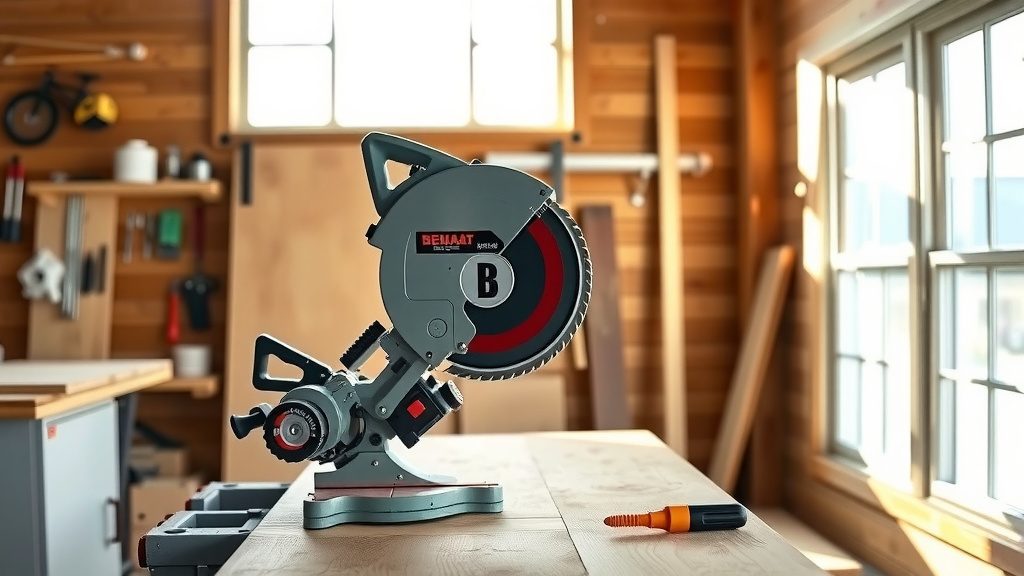
To secure your miter saw to a table, you primarily use heavy-duty bolts and nuts for a permanent setup, or C-clamps for a strong, temporary hold.
Properly securing your miter saw is a must-do step; it stops dangerous movement, helps with accurate cuts, and keeps you safe from harm.
- For a truly solid setup, use bolts to fix your saw permanently.
- C-clamps are great for quick jobs and when you need to move your saw later.
- Mounting brackets offer a handy mix of security and easy removal for storage.
- Always check for any wobbles or instability before you make your first cut.
- A stable saw means safer operation and better results every time you work.
How To Secure Miter Saw To Table?
Securing your miter saw to a workbench or stand prevents unwanted movement. This keeps your cuts precise and, most importantly, keeps you safe from potential hazards. Think of it like fastening your seatbelt before driving; it’s a simple step that makes a world of difference.
Safety First: Why Secure Your Saw?
Is securing your miter saw really that important? Absolutely! A loose saw can kick back, vibrate excessively, or even slide across your workbench. This leads to inaccurate cuts, damaged materials, and serious injury. Many safety organizations consistently highlight the dangers of unstable power tools.
A secured saw gives you control. It means your focus stays on the wood, not on wrestling with a wobbly tool. We found that a stable setup dramatically reduces the chances of errors and accidents, making your workshop a much safer place.
Your Options for a Solid Hold
You have a few trusted ways to make sure your miter saw stays put. Each method has its good points, depending on your needs. Let’s look at the most popular choices.
Bolting Down: The Permanent Solution
Bolting your miter saw to a heavy-duty workbench is often considered the gold standard for stability. This method is best if your saw lives in one spot and you use it often. It provides unmatched security.
Tools You’ll Need for Bolting
For bolting, you’ll need carriage bolts, washers, and nuts that fit your saw’s base holes. A drill, the correct drill bit, and wrenches are also essential. Always make sure your bolts are long enough to pass through your saw base and your workbench. Many experts say to choose hardware that is appropriately sized for your saw’s weight and the workbench material.
Step-by-Step Bolting Guide
- Position your miter saw exactly where you want it on the table.
- Use a pencil to mark the locations of the mounting holes in the saw’s base onto your workbench.
- Move the saw aside and carefully drill holes through your workbench at the marked spots.
- Place the saw back, aligning its holes with the drilled holes.
- Insert the carriage bolts from the top, through the saw base and the workbench.
- On the underside of the table, add a washer and then tighten a nut onto each bolt. Make them snug, but do not overtighten.
C-Clamps: Quick and Nimble
C-clamps are your go-to for a fast, reliable, and temporary hold. Do you need to use your saw for a quick project, then put it away? C-clamps are perfect. They are simple to use and incredibly effective.
When Are Clamps Best?
Clamps are fantastic for small workshops where space is tight. They are also ideal when you need to take your saw to different job sites. We found that clamps give you the flexibility to move your setup without much fuss. Choose clamps with a deep throat and strong gripping power.
How to Use C-Clamps Effectively
Place your saw on your workbench. Position two or more C-clamps strategically around the base of the saw. Clamp them down to the workbench, making sure they grip both the saw base and the table firmly. Give the saw a gentle nudge to check for movement before you start cutting.
Mounting Brackets and Quick-Release Systems
Some miter saws, especially those designed for portability, come with or are compatible with quick-release mounting brackets. These systems offer a blend of stability and convenience.
Benefits of Brackets
Quick-release brackets often let you snap your saw onto a stand or workbench and remove it with ease. This is super handy for storing your saw away when not in use. Research often points to these systems as a good choice for people who need flexibility (Fine Woodworking Magazine).
Choosing the Right System
If your saw has a built-in quick-release option, use that. Otherwise, many universal quick-release plates are available. Make sure the system you pick is sturdy enough for your saw’s weight and intended use. Always read reviews and safety notices before buying.
Making Your Workstation Miter Saw Ready
Securing the saw is only half the battle. Your workbench itself needs to be up to the task. Is your table ready for the power of a miter saw?
Table Material Matters
A flimsy card table will not do. Your workbench should be heavy, stable, and made of a durable material like thick plywood or solid wood. A solid work surface absorbs vibrations and provides a strong anchor for your saw. Many experts suggest at least 3/4-inch thick plywood for a stable base.
Stability Checks Before You Cut
Before every cut, grab your saw and try to wobble it. Any movement means you need to tighten things up. This quick check is a habit that can save you from big problems. It takes seconds but prevents issues.
Common Miter Saw Mounting Mistakes to Avoid
Even with the best intentions, it’s easy to make small errors. Knowing what to watch out for can save you time and keep you safer.
Skipping the Test Wobble
We already mentioned this, but it bears repeating. Not checking for wobbles before you begin is a common oversight. That tiny bit of play can lead to a messed-up cut or worse. Make it a routine; it is a simple safeguard.
Over-tightening Can Harm
While you want a snug fit, over-tightening bolts or clamps can damage your saw’s base or even crack your workbench. Tighten until secure, then stop. You don’t need superhuman strength for this job.
Comparison: Securing Methods at a Glance
| Method | Security Level | Portability | Setup Time | Best For |
|---|---|---|---|---|
| Bolting | Highest | Low | Medium | Permanent workshops, heavy use |
| C-Clamps | Medium-High | High | Fast | Temporary setups, small spaces, mobility |
| Mounting Brackets | High | Medium-High | Fast | Dedicated stands, quick storage |
Miter Saw Securing Checklist
- Is your workbench sturdy and level?
- Are all bolts or clamps tightly secured?
- Did you test for any saw movement or wobble?
- Is there enough clearance for saw arm movement?
- Are all guards in place and working correctly?
- Is your work area clean and free of clutter?
Maintenance and Rechecking Your Setup
Even after a perfect initial setup, things can loosen over time. Vibrations from cutting can slowly back out a bolt. Make it a habit to check your saw’s mounting periodically, especially after many cuts. A quick once-over can stop problems before they start.
Conclusion
Securing your miter saw to your table is a foundational step for any woodworking project. It ensures your safety, improves your cut quality, and gives you peace of mind. Whether you choose the rock-solid permanence of bolts, the flexibility of C-clamps, or a convenient quick-release system, the goal remains the same: a stable saw is a safe and effective saw. Take the time to set up your saw right; your projects and your fingers will thank you.
How tight should I secure my miter saw?
You should secure your miter saw to be firmly snug, preventing any movement or wobble during operation. Over-tightening is not necessary and can damage your saw or workbench.
Can I use screws instead of bolts to secure my miter saw?
While screws might seem easier, bolts are generally preferred for securing a miter saw. Bolts with nuts provide a much stronger, more reliable hold that resists the vibrations of the saw better than screws alone. Screws can strip or loosen more easily.
What if my workbench isn’t thick enough for bolts?
If your workbench is too thin for bolts, you can add a piece of thick plywood (at least 3/4 inch) to the top, securing it to your existing bench. Then, bolt your miter saw through this added layer and your workbench for increased stability. C-clamps might also be a better alternative in this situation.
Is it okay to use my miter saw without securing it for quick cuts?
Even for quick cuts, it is strongly recommended to secure your miter saw. An unsecured saw can kick back unexpectedly, causing injury or damaging your material. Safety should always be your top priority, no matter how brief the task.
How often should I check my miter saw’s mounting?
It’s a good practice to check your miter saw’s mounting for tightness before each significant work session or after every few hours of use. Regular vibration can slowly loosen fasteners, so a quick check ensures ongoing safety and accuracy.