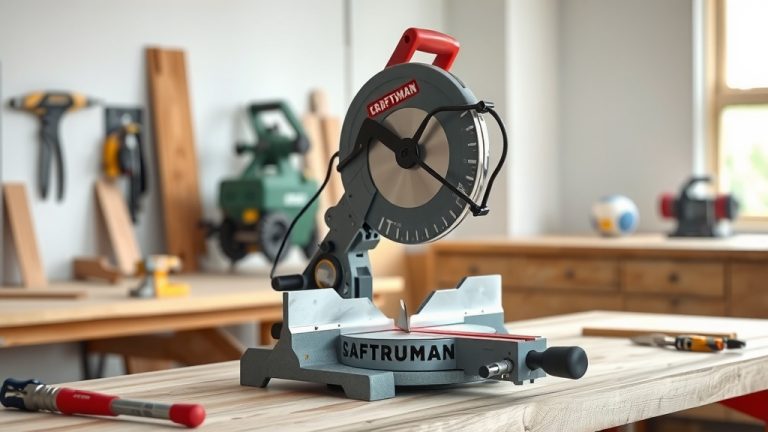
How To Store Compound Miter Saw?
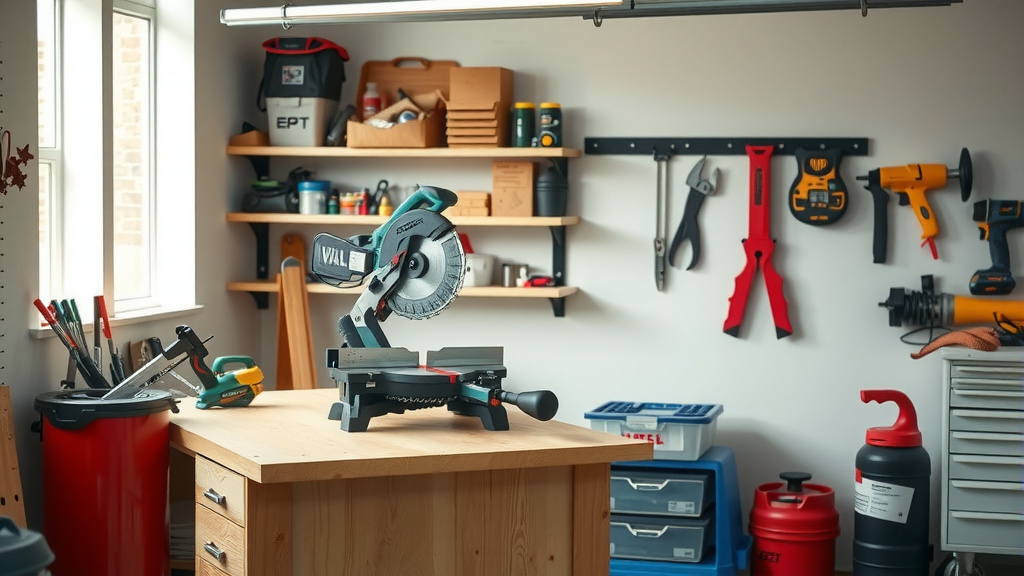
Storing your compound miter saw safely means keeping it clean, dry, and secure to protect its accuracy and extend its lifespan.
You can store a compound miter saw on a dedicated stand, a workbench, inside a cabinet, or mounted on a wall, always prioritizing stability and environmental control.
TL;DR: Here’s what you need to know about storing your miter saw:
- Always clean and maintain your saw before putting it away.
- Choose a dry, stable, and secure spot to prevent damage and rust.
- Protect the blade and manage the power cord properly.
- Consider using a stand, cabinet, or wall mount for efficient space use.
- Periodically check your stored saw for any issues, especially in changing climates.
How To Store Compound Miter Saw?
To store your compound miter saw, first ensure it’s clean and unplugged, then place it in a stable, dry location, ideally with the blade protected and the machine secured against movement.
Why Proper Storage Matters for Your Saw
Think of your miter saw like a precision instrument; it deserves proper care. Correct storage prevents damage to delicate components and keeps the saw accurate for years to come.
Neglecting storage can lead to rust, alignment issues, or even safety hazards. We want your saw to be ready and reliable every time you need it.
Safety First: Protecting Yourself and Your Saw
An improperly stored saw is a safety risk. Imagine tripping over a loose cord or a saw falling from an unstable perch. It’s scary, right?
Securing your saw means protecting both the tool and anyone who might be near it. Safety is always the top priority in any workshop.
The Ideal Environment for Your Miter Saw
Your miter saw thrives in a cool, dry, and stable environment. Extreme temperature changes or high humidity are big no-nos.
Many experts say keeping tools in a controlled space helps prevent rust and preserve electrical components (NIH).
Cleaning Your Saw Before Storage
Before you tuck your saw away, give it a good clean. Sawdust can attract moisture and even cause rust over time.
Use a shop vacuum and an air compressor to remove all sawdust and debris. A small brush can help with tight spots. This simple step makes a big difference.
Pre-Storage Checklist
Before storing your compound miter saw, run through this quick list:
- Unplug the saw for safety.
- Clean off all sawdust and debris.
- Inspect the blade for damage.
- Lubricate any moving parts as needed.
- Wrap the power cord securely.
- Cover the blade for protection.
Protecting the Blade: A Key Step
The blade is the heart of your miter saw. Never store your saw with an exposed blade.
Always lower the blade completely and, if possible, use a blade guard or a piece of scrap wood as a temporary cover. This prevents accidents and protects the blade’s teeth.
Managing the Power Cord
A tangled cord is a trip hazard and can damage the cord itself. Neatly wrap the power cord around the saw’s designated cord wrap or secure it with a hook and loop strap.
Keep the cord from bending sharply or being pinched. This simple act extends the cord’s life and keeps your workspace tidy.
Accessory Storage: Keep Things Organized
Miter saws often come with fences, clamps, or dust bags. Store these accessories with the saw itself or in a clearly labeled container nearby.
Knowing where everything is saves time and frustration. It’s like finding a matching sock every morning – a small win for productivity.
Dedicated Miter Saw Stands
Miter saw stands are designed to hold your saw securely and at a comfortable working height. Many are foldable, which is great for small shops.
These stands keep your saw off the ground and can be a good portable storage solution for active workshops.
Workbench Storage Solutions
If you have a large, sturdy workbench, you might opt to keep your miter saw permanently mounted. This makes it always ready for action.
Just remember that it consumes valuable bench space. Consider if this works for your overall shop layout and workflow.
Cabinet and Enclosed Storage Options
For long-term storage or extra protection, a dedicated cabinet is fantastic. It keeps dust, moisture, and accidental bumps away.
A custom-built cabinet can integrate storage for blades and accessories, creating a truly organized system.
Wall-Mounting Your Miter Saw
Got limited floor space? Wall-mounting can be a smart solution. You can find robust brackets or build a custom shelf that keeps the saw out of the way.
Ensure your wall is strong enough to support the saw’s weight safely. A dropped saw is a disaster nobody wants.
Mobile vs. Stationary Storage
Your choice often depends on how often you use your saw and where. Do you need to move it around your shop or to different job sites?
Mobile stands offer flexibility, while stationary setups provide stability for dedicated tasks. Think about your habits and needs.
Climate Considerations: Humidity and Temperature
Humidity is a silent killer for power tools. It leads to rust on metal parts and can affect electrical components. We found that a relative humidity between 30% and 50% is ideal for tool storage.
Temperature swings can also cause condensation. If your shop isn’t climate-controlled, consider a dehumidifier or moisture-absorbing packets inside an enclosed storage unit (Mayo Clinic).
| Storage Type | Pros | Cons | Best For |
|---|---|---|---|
| Miter Saw Stand | Portable, raises saw to working height. | Takes up floor space, can be bulky. | Frequent use, workshop portability. |
| Workbench | Always ready, stable, integrated workspace. | Uses valuable bench space, less mobile. | Dedicated cutting station. |
| Cabinet/Enclosure | Protects from dust/damage, secure. | Requires space, less immediate access. | Long-term storage, dust-sensitive areas. |
| Wall Mount | Saves floor space, out of the way. | Requires sturdy wall, fixed location. | Small workshops, infrequent use. |
Regular Checks for Long-Term Storage
If your saw will be stored for an extended period, don’t just forget about it. Periodically check on it.
Look for any signs of rust, pests, or moisture buildup. A quick visual inspection can catch potential issues early and save you a headache later.
Conclusion
Storing your compound miter saw correctly is more than just putting it away; it’s an act of care for a valuable tool. By keeping it clean, dry, secure, and in an appropriate location, you protect its accuracy, extend its life, and ensure it’s always ready for your next project.
Whether you choose a stand, a workbench, a cabinet, or a wall mount, prioritize safety and environmental protection. Your miter saw will thank you with reliable performance every time you power it up.
What is the best way to protect a miter saw blade during storage?
The best way to protect a miter saw blade is to ensure it is fully lowered into its guard. For added safety and protection against nicks, you can use a blade cover or even wrap it with a sturdy cloth or cardboard.
Can I store my compound miter saw in a garage that gets cold?
Yes, you can store it in a cold garage, but the main concern isn’t just the cold but rather rapid temperature fluctuations and high humidity. These can lead to condensation and rust. Keep the saw covered and consider using a moisture absorber if humidity is an issue.
How often should I clean my miter saw for storage?
You should clean your miter saw after every major use or before any period of extended storage. Regular cleaning prevents sawdust buildup which can attract moisture and impair moving parts over time.
Is it okay to store a miter saw directly on the floor?
Storing a miter saw directly on the floor is generally not recommended. It increases its exposure to moisture, dust, and potential impacts. It also creates a trip hazard. Elevating it on a stand, workbench, or in a cabinet is much safer and better for the tool.
Should I remove the blade from my miter saw for long-term storage?
Removing the blade is not strictly necessary for long-term storage, especially if the blade is well-protected by its guard and a cover. If you prefer to remove it for separate sharpening or deep cleaning, store the blade safely in its own protective sleeve or case.