How To Oil A Miter Saw?
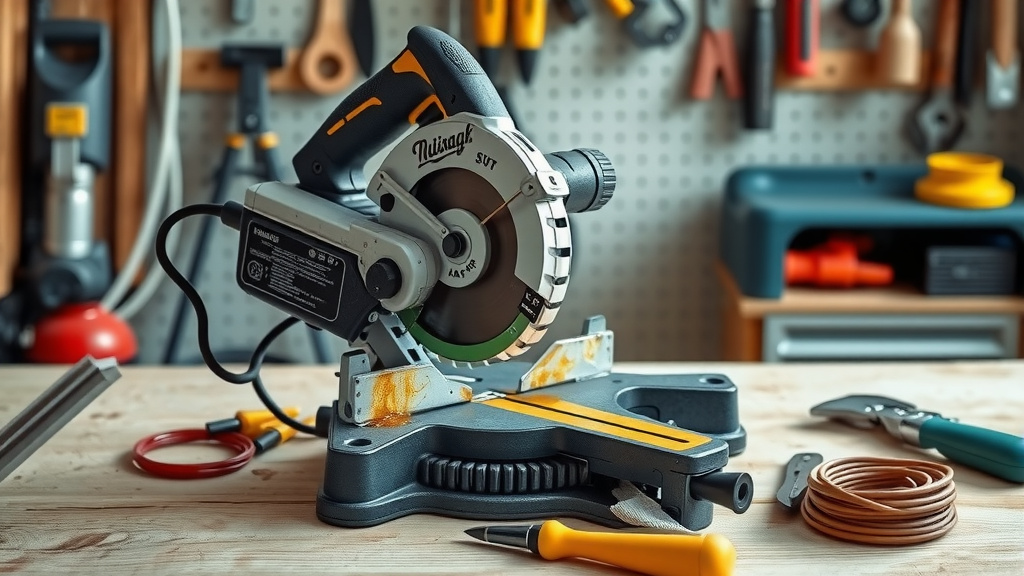
To oil a miter saw, apply a light coat of high-quality machine oil or dry lubricant to the moving parts like the pivot points, slide rails, and bevel lock mechanisms.
This regular lubrication helps reduce friction, prevents rust, and ensures smooth, precise cuts for the saw’s lifespan.
Here’s a quick summary if you’re in a hurry:
- Always unplug your miter saw before any maintenance.
- Clean the saw thoroughly before applying any lubricant.
- Use a **light machine oil** or a specialized dry lubricant for moving parts.
- Apply sparingly to pivot points, slide rails, and bevel mechanisms.
- Wipe away any excess to prevent dust buildup.
How To Oil A Miter Saw?
Oiling your miter saw involves a few straightforward steps to keep its moving parts smooth and efficient. You will focus on lubricating the pivot points, sliding mechanisms, and bevel lock to maintain peak performance.
Why Bother Oiling Your Miter Saw?
Think of your miter saw like a finely tuned instrument. Without proper care, it loses its rhythm. Oiling is key to its health. It reduces friction, stops rust from forming, and makes sure your saw moves freely for accurate cuts every time.
We found that regular lubrication can significantly extend the **life of your tool** (Power Tool Institute). It’s a small task with a big payoff, preventing costly repairs and annoying snags during your projects. Plus, a smooth saw just feels better to use, doesn’t it?
What Kind of Lubricant Should You Use?
Choosing the right oil is like picking the right fuel for a car. You wouldn’t use cooking oil, right? For miter saws, you want a **light machine oil**, often called 3-in-1 oil, or a specialized dry lubricant. Avoid heavy greases that attract sawdust.
Many experts say silicone-based sprays or PTFE (Teflon) dry lubricants are excellent for areas prone to dust. These options don’t leave a wet residue, which could otherwise trap fine wood particles. Here’s a quick comparison:
| Lubricant Type | Pros | Cons | Best For |
|---|---|---|---|
| Light Machine Oil | Excellent friction reduction, widely available. | Can attract dust if applied too heavily. | Pivot points, internal gears (sparingly). |
| Dry Lubricants (PTFE, Silicone) | Doesn’t attract dust, creates a slippery film. | May need more frequent application. | Slide rails, external mechanisms. |
Safety First: Before You Start
Before you even think about applying a single drop of oil, safety is your best friend. A miter saw can be dangerous if not handled properly. Always, and we mean always, **unplug your saw from the power outlet**. Imagine accidentally hitting the switch with your hand inside; not a pleasant thought.
Wear safety glasses too. You don’t want any stray dust or lubricant getting into your eyes. Taking these simple precautions ensures you can work on your saw without worry.
Step-by-Step Oiling Your Miter Saw
Ready to give your miter saw some TLC? Here’s a clear, step-by-step guide to keep things smooth. It’s not rocket science, just good practice.
Preparation is Key
Just like a good chef preps ingredients, you need to prep your saw. Find a clean, well-lit workspace. Lay down an old newspaper or a tarp to catch any drips. This keeps your workbench tidy and prevents oil stains.
Clean the Saw Thoroughly
Before oiling, you must clean your saw. Imagine trying to oil over a layer of grime; it just won’t work. Use a shop vac or compressed air to remove sawdust and debris from every nook and cranny. Pay special attention to the slide rails, pivot points, and the area around the blade. A stiff brush helps dislodge stubborn gunk.
Many guidelines point to **cleaning as a good first step** for any tool maintenance (OSHA guidance for tool safety). A clean surface ensures the lubricant can do its job effectively without interference.
Applying the Oil
Now for the main event! With your saw unplugged and clean, apply a small amount of your chosen lubricant. Remember, less is more here. A tiny drop or a light spray is often all you need. Focus on these areas:
- The **slide rails** (if your saw has them). These are often chrome or steel bars the saw head glides on.
- All **pivot points** where parts move against each other. Look for screws or pins that allow the saw head to tilt or swivel.
- The **bevel lock mechanism** and its moving parts. This is what allows you to cut angles.
- Any other areas where you notice **metal-on-metal friction** or stiffness.
You’re not trying to drown the saw in oil, just give it a nice, thin coat.
Work the Joints
Once the oil is applied, manually move the saw head back and forth, tilt it, and swivel it. This action helps the lubricant spread evenly into all the moving parts. You should feel the saw becoming smoother and less resistant. Do this several times, ensuring the oil works its way into the smallest gaps.
This is like stretching before a workout; it **gets everything ready** and flexible. Some research often connects working mechanisms after lubrication with improved longevity (Journal of Tribology).
Wiping Away Excess
This is a critical step many people forget. Any excess oil acts like a magnet for sawdust, creating a sticky, abrasive paste that will hinder more than help. Use a clean cloth to wipe off any visible oil from the saw’s surface, especially from the slide rails. You want just a thin, almost invisible film left behind.
When Should You Oil Your Miter Saw?
How often is enough? This depends on how much you use your saw. If you’re a weekend warrior, once every few months might be fine. For daily users, you might consider a light oiling once a month or even every couple of weeks. Listen to your saw, too. If it starts feeling stiff or making unusual noises, it’s probably time for a tune-up.
We found that a good rule of thumb is to oil your saw after **every 20-30 hours of use**, or whenever you notice a decline in its smooth operation.
Common Mistakes to Avoid
Even simple tasks have pitfalls. Avoid these common blunders when oiling your miter saw:
- Using Too Much Oil: It attracts dust and creates grime.
- Using the Wrong Oil: Heavy greases or WD-40 aren’t ideal for long-term lubrication.
- Forgetting to Clean First: Oiling over dirt is pointless and harmful.
- Neglecting Safety: Always unplug the saw.
- Ignoring the Manual: Your saw’s manual might have specific lubrication points.
Other Maintenance Tips for Your Miter Saw
Oiling is just one part of the bigger picture. Here are a few other tips to keep your saw in top shape:
Blade Care
A dull blade is a dangerous blade. Regularly check your blade for sharpness and replace it when needed. Clean pitch and resin buildup from the blade using a **specialized blade cleaner**. A clean, sharp blade makes safer, cleaner cuts.
Check Fasteners
Vibrations can loosen screws and bolts over time. Periodically check all fasteners on your saw and tighten any that seem loose. This ensures stability and accuracy.
Keep it Covered
When not in use, cover your miter saw. A simple tarp or a dedicated dust cover can protect it from dust, moisture, and accidental bumps. This simple step helps keep your saw clean between uses.
Conclusion
Oiling your miter saw is a small investment of time that pays off big in performance and longevity. By following these simple steps—cleaning thoroughly, applying the right lubricant sparingly, working the moving parts, and wiping off excess—you ensure your saw runs smoothly and accurately for years to come. Remember, a well-maintained tool is a safer, more efficient tool. Take care of your saw, and it will take care of your projects.
Frequently Asked Questions About Miter Saw Oiling
How often should I oil my miter saw?
We generally recommend oiling your miter saw every two to three months for typical home use. If you use it daily or for professional projects, a monthly oiling might be more appropriate. Always pay attention to how your saw feels; if it starts to stiffen, it’s time for lubrication.
Can I use WD-40 to oil my miter saw?
While WD-40 is excellent as a penetrating oil and rust preventative, it is not a long-term lubricant. It tends to evaporate quickly and can attract dust, making it less ideal for sustained lubrication of miter saw moving parts. A dedicated light machine oil or dry lubricant is a better choice.
What parts of a miter saw need oiling?
Focus on the parts that move and slide. This includes the main pivot points where the saw head raises and lowers, the slide rails (for sliding miter saws), the bevel lock mechanism, and any other linkages or joints that experience friction during operation. If it moves against another metal part, it likely needs a light coat of oil.
Will oiling my miter saw prevent rust?
Yes, regular oiling provides a protective barrier that helps prevent rust and corrosion on metal surfaces. The oil creates a film that repels moisture, which is a primary cause of rust. This is especially important if you live in a humid environment or store your saw in a workshop prone to dampness.
What happens if I don’t oil my miter saw?
Without proper oiling, your miter saw’s moving parts will experience increased friction. This leads to stiffness, jerky movements, and reduced accuracy in cuts. Over time, metal parts can wear down faster, and rust can form, potentially seizing components or causing costly damage. It will also feel much harder to operate, making your work more difficult.