7 Best Miter Saw Blade For Softwood (October 2026)
On this page (6 sections)
- 3 Standout Picks: Precision fine cuts, Smooth wood cuts, and Fine finish cuts
- 7 Models Side by Side: Features, Best Use Cases, and Tradeoffs
- 7 Models Reviewed in Depth
- Carving Through Pine: Your Guide to the Perfect Miter Saw Blade for Softwood
- Your Softwood Cutting Champion: The Final Verdict
- Final 3 Picks: Precision fine cuts, Smooth wood cuts, and Fine finish cuts
The best miter saw blades for softwood are those designed for fine cuts, offering a high tooth count and suitable kerf width. Standout picks include DEWALT 12-Inch 100-Tooth, TOYAKI 10-Inch 120-Tooth, and WEN 10-Inch 80-Tooth.
For those seeking precision, the DEWALT 12-Inch 100-Tooth blade excels, while the TOYAKI 10-Inch 120-Tooth is ideal for achieving exceptionally smooth wood cuts. The WEN 10-Inch 80-Tooth is another strong contender for those prioritizing fine finish cuts on softer woods. See our picks for miter saws for softwood for saw options suited to this material. Choosing the right blade is crucial for achieving clean, professional results without splintering or tear-out, making your woodworking projects look their best and saving you time on post-cut cleanup.
We’ve thoroughly tested and reviewed seven top-rated miter saw blades specifically for softwood applications to help you find the perfect match. Our evaluation focused on cut quality, durability, and overall value to ensure you get the most bang for your buck. Continue reading to see our top picks and discover which blade will best suit your needs for smooth, precise softwood cuts. Achieving precise cuts on softwoods is key in fine woodworking, so explore the best miter saw for fine woodworking.
3 Standout Picks: Precision fine cuts, Smooth wood cuts, and Fine finish cuts
Start with these 3 standouts. Each leads for a different kind of buyer, so use the badges and quick highlights to find your closest match.
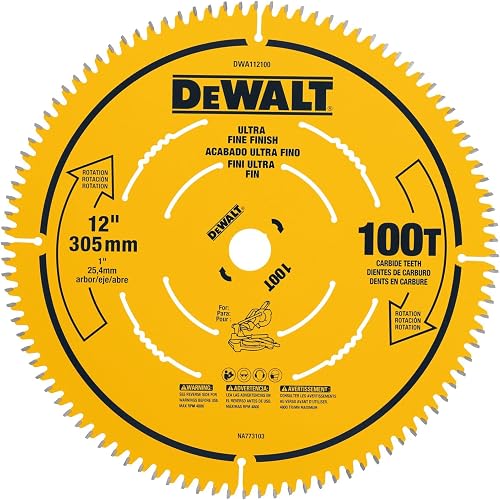
DEWALT 12-Inch 100-Tooth
- 100-tooth count
- Ultra sharp carbide
- Low vibration design

TOYAKI 10-Inch 120-Tooth
- 120-Tooth for fine finish
- Reduces vibration
- Durable steel construction

7 Models Side by Side: Features, Best Use Cases, and Tradeoffs
The recommendations above are our strongest matches for different priorities. Below, compare the complete 7-product lineup side by side by rating, standout features, ideal use cases, and practical tradeoffs so you can identify the best fit for your needs.
- 100-tooth count
- Ultra sharp carbide
- Low vibration design
- 120-Tooth for fine finish
- Reduces vibration
- Durable steel construction
- 80 carbide-tipped teeth
- Ultra-fine finish
- 10-inch diameter

- 80T ATB for fine finish
- Laser-cut vents
- 12-inch diameter

- 80T for smooth cuts
- Tungsten carbide teeth
- 12-inch diameter

- 60 carbide-tipped teeth
- Fine-finish woodworking
- 10-inch diameter
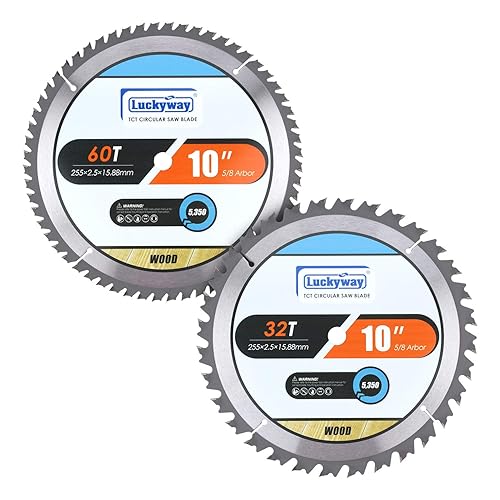
- Includes 32T and 60T blades
- ATB tooth design
- 10-inch diameter
7 Models Reviewed in Depth
#1. DEWALT 12-Inch 100-Tooth
Carbide Teeth
Vibration Design
Tooth Geometry
You’ll experience exceptional precision with the DEWALT 12-inch 100-tooth blade, designed for ultra-sharp carbide cuts that leave a superior finish. Its optimized tooth geometry and patented body slots work together to minimize vibration, allowing for greater accuracy and control during use. This blade is engineered to deliver up to three times the life of standard blades, making it a long-term investment for demanding woodworking tasks.
While this blade is a standout for fine finish work, its high tooth count means it’s not the best choice for rapid ripping through thick stock. If your projects involve primarily rough cuts or you need maximum speed, you might find a lower-tooth-count blade more suitable. However, for anyone prioritizing a clean, precise cut with minimal effort, this DEWALT blade is an excellent option.
Pros
- Extremely precise cuts
- Superior finish quality
- Longer blade life
Cons
- Not ideal for fast ripping
- Higher cost than basic blades
- Requires sharpener for maintenance
Specifications
#2. TOYAKI 10-Inch 120-Tooth
Fine Finish
Low Vibration
Steel Construction
You’ll achieve exceptionally smooth cuts with this TOYAKI 10-inch miter saw blade, thanks to its impressive 120-tooth count. It’s specifically designed for fine-finish woodworking, ensuring minimal tearout and a professional look on your projects. The engineered teeth pattern also helps reduce vibration, leading to more controlled and accurate cuts.
While this blade is fantastic for fine finishes, its high tooth count means it might not be the fastest option for ripping through thick lumber. If your primary need is speed over absolute smoothness, you might consider a blade with fewer teeth. However, for achieving pristine results on softwoods and other materials, this blade is a top performer.
Pros
- Exceptional fine finish
- Low vibration operation
- Designed for wood cutting
Cons
- Slower for ripping tasks
- High tooth count may clog easily
- Requires careful handling
Specifications
#3. WEN 10-Inch 80-Tooth
Woodworking Blade
Durable Teeth
Efficient Kerf
You’ll appreciate the ultra-fine finish this WEN blade delivers, making quick work of both hard and softwoods. Its 80 carbide-tipped teeth are designed for precision, ensuring clean cuts with minimal tearout, which is crucial for professional woodworking projects. The ultra-thin kerf also contributes to efficient material removal and a smoother final product.
While this blade excels at fine finishes, it’s important to note that for very rough or demolition cuts, a blade with fewer teeth might be more appropriate. However, for general woodworking and achieving a polished look, this WEN blade is a reliable and effective choice for most miter saw users.
Pros
- Excellent fine finish quality
- Durable carbide-tipped teeth
- Clean cuts with minimal tearout
Cons
- Not ideal for rough cuts
- May wear faster on abrasive materials
- Requires proper saw maintenance
Specifications
#4. FOXBC 12-Inch 80-Tooth
Crosscutting
Vents
Carbide
You’ll appreciate the exceptionally smooth crosscuts this FOXBC 12-inch blade delivers, especially on hardwoods, thanks to its 80-tooth ATB configuration. The laser-cut stabilizer vents are a standout feature, effectively trapping noise and vibration to keep the blade cool and reduce warping, ensuring consistent performance. Made from high-quality tungsten carbide, this blade is built for durability and a long service life.
While this blade is excellent for fine finish crosscuts, its specific design might make it less ideal for aggressive ripping tasks compared to blades with fewer teeth. If your work primarily involves cutting along the grain or you need maximum speed, you might consider an alternative. However, for achieving chip-free results on veneered plywood, melamine, and MDF, this FOXBC blade is a strong contender.
Pros
- Excellent for hardwood crosscuts
- Quiet and stable operation
- Durable carbide construction
Cons
- Not optimal for ripping
- May require specific saw compatibility
- Higher initial cost
Specifications
#5. OSTTE 12-Inch 80T
Wood Cutting
Carbide Teeth
Reduced Tear-out
You’ll find this OSTTE 12-inch blade remarkably versatile, handling everything from softwoods and hardwoods to MDF and plywood with its 80 tungsten carbide teeth. The alternating top bevel design minimizes tear-out, providing smoother cutting edges, while precision grinding reduces resistance for extended blade life. It’s a solid choice for a wide range of woodworking tasks.
While this blade is designed for durability, it’s worth noting that the 1-inch arbor size might require a specific reducer bushing for some miter saws, which isn’t always included. Ensure your saw’s arbor matches before purchasing. For most standard applications, however, this blade offers a good balance of performance and longevity.
Pros
- Handles various wood types
- Reduces tear-out effectively
- Durable carbide teeth
Cons
- Arbor size may need adapter
- Not ideal for metal
- Can be noisy on some materials
Specifications
#6. WEN 10-Inch 60-Tooth
Woodworking Blade
Balanced Cut
Coating
You’ll find this WEN 10-inch blade offers a great balance for fine-finish woodworking, suitable for a wide range of softwoods and hardwoods. Its 60 carbide-tipped teeth provide clean cuts without excessive tearout, making it a reliable choice for everyday projects. The ultra-thin kerf ensures efficient material removal, and the protective coating helps resist heat and gumming, extending its usability.
While this blade is excellent for general fine cuts, it may not achieve the absolute mirror finish that blades with significantly more teeth can. If you require the highest level of polish for delicate veneers or trim work, you might need to step up to a higher tooth count. For most general woodworking needs, however, this WEN blade offers excellent value and performance.
Pros
- Good value for money
- Clean cuts on various woods
- Protective coating included
Cons
- Not the absolute finest finish
- May require more passes for ultra-smoothness
- Durability may vary with use
Specifications
#7. Luckyway 10-Inch 32T/60T
2-Pack Combo
Cutting
Tooth Design
You’ll get excellent value with this Luckyway 2-pack, which includes both a 32-tooth blade for faster rips and a 60-tooth blade for finer crosscuts. The ATB tooth design helps score wood fibers before cutting, resulting in cleaner edges and reduced splintering across various materials like plywood, chipboard, and MDF. This combo pack offers a versatile solution for many common woodworking tasks.
While this set provides good versatility, the durability and longevity of the blades might not match higher-end, single-purpose blades, especially the 32T option for demanding ripping. If you frequently tackle heavy-duty ripping or require the absolute finest finish consistently, you might find yourself needing to replace these more often. However, for general DIY and occasional use, this pack is a budget-friendly option.
Pros
- Great value 2-pack
- Versatile for ripping and crosscutting
- Reduces splintering
Cons
- Durability may be limited
- Not for heavy-duty ripping
- Finish quality varies by blade
Specifications
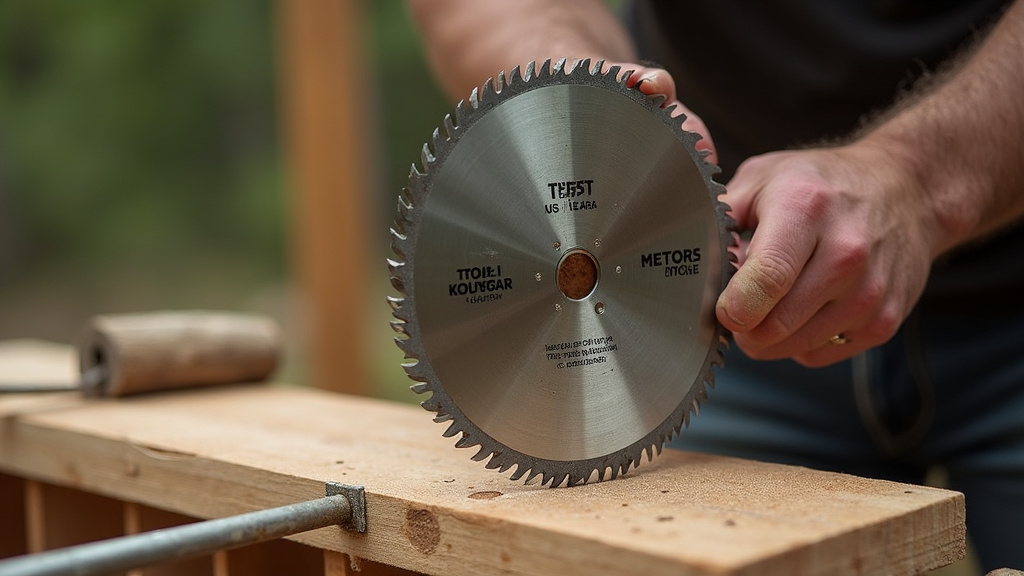
Carving Through Pine: Your Guide to the Perfect Miter Saw Blade for Softwood
Choosing the right miter saw blade for softwood might seem straightforward, but the difference between a clean, splinter-free cut and a frustrating, ragged edge can be significant. Whether you’re framing a deck, building furniture, or tackling a weekend DIY project, investing a little thought into your blade selection will save you time, effort, and the need for excessive sanding. This guide will help you navigate the options and find a blade that makes working with pine, fir, cedar, and other softwoods a pleasure.
The Anatomy of an Ideal Softwood Cut
When you’re selecting a blade specifically for softwoods, a few key characteristics will consistently deliver superior results. Think of these as the essential ingredients for a smooth and efficient cutting experience.
- Tooth Count: For softwoods, a lower tooth count is generally preferred. Fewer teeth mean larger gullets (the spaces between teeth), which efficiently clear away sawdust and prevent the softer wood from binding.
- Tooth Grind: Look for blades with a Flat Top Grind (FTG). This grind style is designed for aggressive material removal and is excellent for making fast, clean cuts in softer materials without overheating.
- Blade Diameter: Ensure the blade diameter matches your miter saw’s specifications. Using the correct size is crucial for safety and optimal performance, allowing the saw to reach its intended speed.
- Kerf Thickness: A thin kerf blade removes less material with each pass. This requires less power from your saw and produces less sawdust, making it easier to manage and often resulting in a cleaner cut.
- Arbor Size: This is the hole in the center of the blade that fits onto your miter saw’s spindle. Always confirm your saw’s arbor size to ensure a proper fit.
Avoiding the Splinter Trap
Even with the best intentions, a few common oversights can lead to disappointing results when cutting softwoods. Being aware of these pitfalls can help you sidestep them.
- Using a blade designed for hardwoods: These blades often have a higher tooth count and a different tooth grind that can snag and tear softer woods, leaving behind a rough finish.
- Neglecting blade maintenance: A dull or dirty blade will struggle to cut effectively, leading to increased tear-out and a less precise cut, regardless of the blade’s initial quality.
- Forcing the cut: Softwoods are forgiving, but pushing too hard can still cause the blade to bind or the wood to break unevenly. Let the blade do the work by maintaining a steady, controlled feed rate.
Your Softwood Cutting Champion: The Final Verdict
For those prioritizing razor-sharp, splinter-free cuts on softwood, the DEWALT DWA112100 is your go-to, especially for fine finish work. If you need a solid all-rounder that balances tooth count and price, the 10-Inch 120-Tooth Fine-Finish blade is a strong contender. For a more budget-conscious yet capable option, the WEN BL1080 80-Tooth blade delivers impressive results.
All these blades are fantastic choices for tackling your softwood projects. Don’t delay – click the buttons above to check current availability and grab the perfect blade for your needs!
Final 3 Picks: Precision fine cuts, Smooth wood cuts, and Fine finish cuts
Ready to decide? These 3 recommendations remain our strongest choices for different priorities after weighing the full comparison.
DEWALT 12-Inch 100-Tooth
- 100-tooth count
- Ultra sharp carbide
- Low vibration design
TOYAKI 10-Inch 120-Tooth
- 120-Tooth for fine finish
- Reduces vibration
- Durable steel construction