Top 7 Best Benchtop Miter Saw For Garage Workshop
The best benchtop miter saws for a garage workshop are those offering a balance of power, precision, and portability, with top contenders like the DEWALT DWS779 12-Inch Miter Saw for…

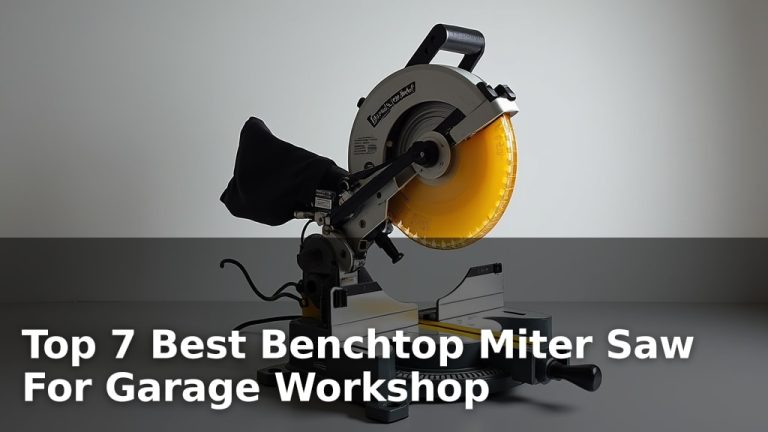
The best benchtop miter saws for a garage workshop are those offering a balance of power, precision, and portability, with top contenders like the DEWALT DWS779 12-Inch Miter Saw for…

Your cordless miter saw battery drains quickly mainly due to heavy usage, an aging battery, or issues with the saw’s motor. It’s frustrating when your tool dies mid-project, but we…
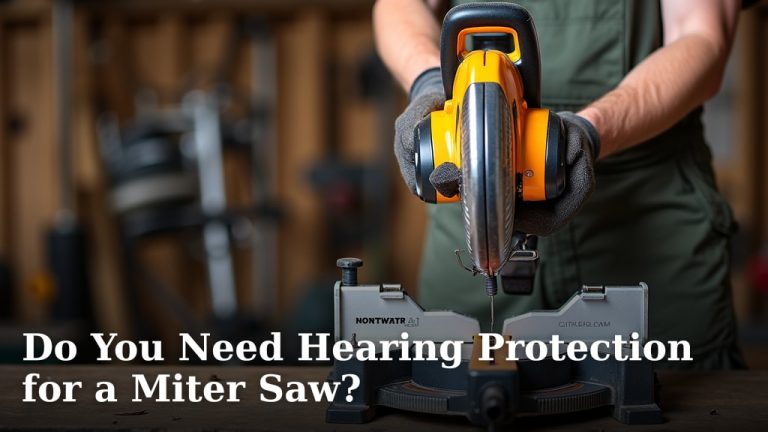
Yes, you absolutely need hearing protection when using a miter saw. The loud noise produced by these saws can cause Protecting your eyes with safety glasses is also crucial when…
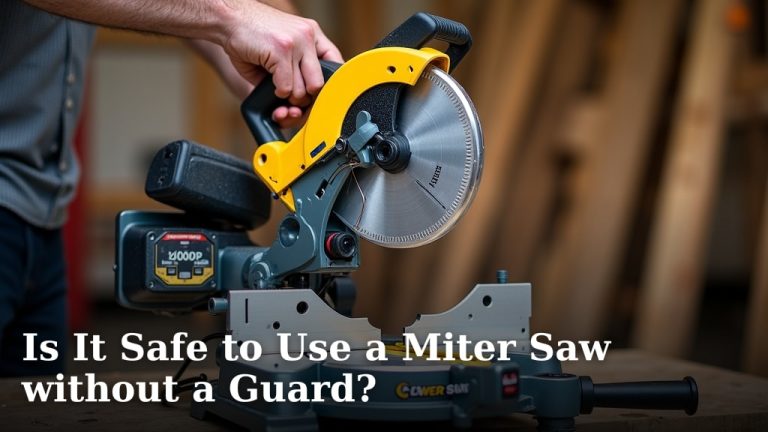
No, it is absolutely not safe to use a miter saw without its guard. The guard is your primary safety feature, designed to protect you from flying debris and accidental…
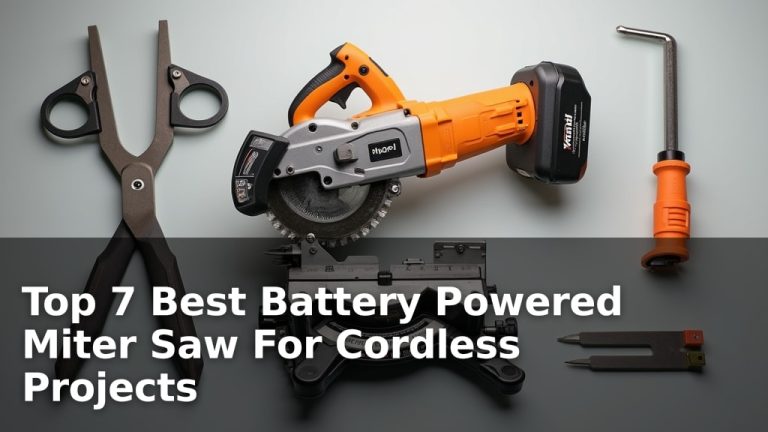
The best battery-powered miter saws for cordless projects include options like the DEWALT 20V MAX XR Saw for maximum capacity, the DEWALT 20V MAX Miter Saw for professional accuracy, and…

The best benchtop miter saws for apartment use are compact, lightweight, and offer sufficient precision for smaller projects without requiring extensive workspace. Standout picks include JOUNJIP Mini Miter Saw, VEVOR…
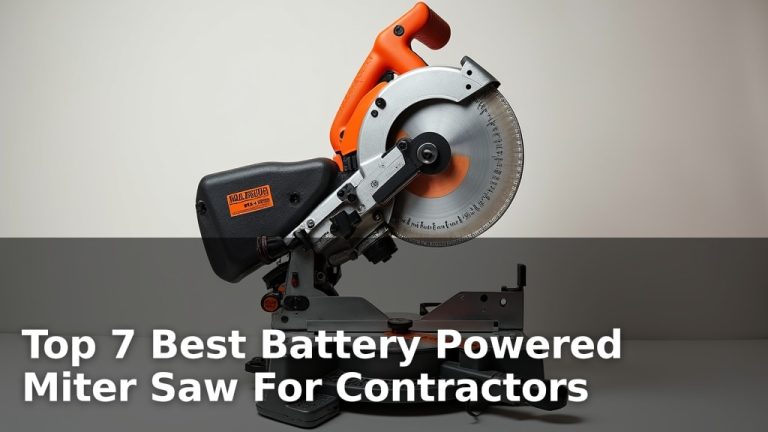
The best battery-powered miter saws for contractors are versatile, powerful cordless tools that offer on-the-go cutting without sacrificing performance. Standout picks include DEWALT 20V MAX XR 12-Inch, DEWALT 20V MAX…
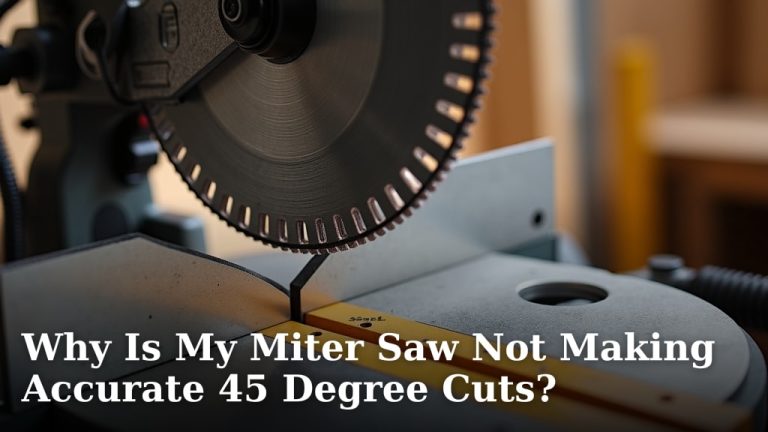
Your miter saw isn’t making accurate 45-degree cuts primarily because of misalignment issues. This can stem from a loose fence, a wobbly blade, or worn-out bevel detents. Ensuring your saw…

Your miter saw dust collection isn’t working because of a clogged hose, a full dust bag, or an improper connection. These common issues can quickly turn a clean workshop into…
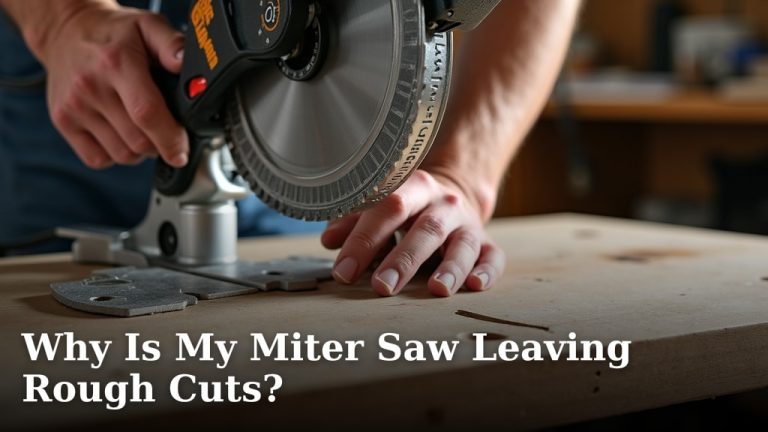
Your miter saw is leaving rough cuts primarily because of a dull blade, using the wrong type of blade, or a blade that’s not spinning fast enough. These issues can…