Is It Safe to Use a Miter Saw without a Guard?
On this page (7 sections)
- Why You Should Never Operate a Miter Saw Without Its Guard
- Understanding the Miter Saw Guard’s Essential Role
- The Dangers of Operating Without a Guard
- Common Reasons People Remove the Guard (and Why They’re Flawed)
- Best Practices for Miter Saw Safety (With the Guard!)
- Conclusion
- Frequently Asked Questions
No, it is absolutely not safe to use a miter saw without its guard. The guard is your primary safety feature, designed to protect you from flying debris and accidental contact with the spinning blade. Removing it drastically increases your risk of serious injury.
While you might think it makes certain cuts easier, the reality is that operating a miter saw without a guard invites danger. Many woodworkers have learned the hard way that this safety device is not optional; it’s essential for preventing accidents and ensuring you can finish your project, and your day, with all your fingers intact.
- Operating a miter saw without a guard is extremely dangerous.
- The guard is a critical safety mechanism.
- Removing it greatly increases the risk of severe injury.
- Always ensure the guard is in place and functioning correctly.
- Safety should always come before convenience.
Let’s walk through why this is so important and what you should do to stay safe when using your miter saw.
Why You Should Never Operate a Miter Saw Without Its Guard
Let’s get straight to the point: using a miter saw without the blade guard is incredibly risky. It’s like driving a car without seatbelts or airbags. The guard isn’t just an accessory; it’s a fundamental safety device. Its presence is non-negotiable for anyone serious about avoiding a trip to the emergency room. Think of it as your saw’s guardian angel, keeping you safe from harm.
Many DIYers and even seasoned professionals have had close calls or worse because they thought they could get away without the guard. You might be tempted to remove it for a better view or to make a specific cut easier. We understand that impulse, but the potential for severe injury far outweighs any perceived convenience. We’ve found that safety always comes first when working with power tools.
Understanding the Miter Saw Guard’s Essential Role
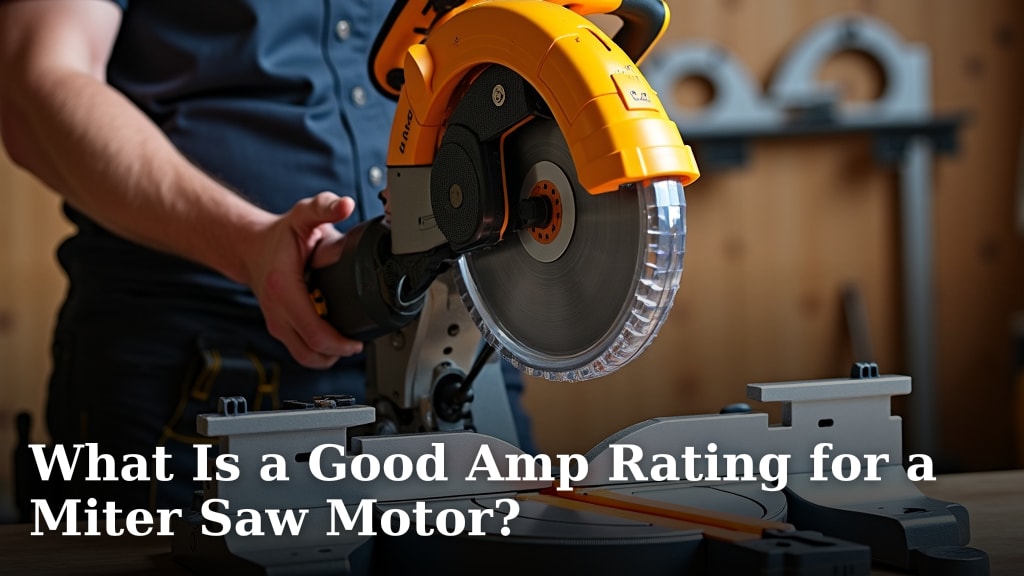
So, what exactly does this piece of plastic or metal do? The miter saw guard has a few critical jobs. Its primary function is to act as a physical barrier between you and the rapidly spinning blade. This stops your hands, fingers, or any loose clothing from coming into contact with the sharp teeth. It’s a simple yet highly effective design.
Beyond preventing direct contact, the guard also helps to contain debris. When you make a cut, wood chips and dust fly everywhere. The guard deflects a good portion of this material downwards, away from your face and eyes. This reduces the risk of flying particles causing eye injuries, a common occurrence without proper protection. We found that even small wood chips can be surprisingly painful and dangerous.
How the Guard Protects Against Kickback
One of the most dangerous aspects of using a miter saw is something called “kickback.” This happens when the blade binds in the material you’re cutting, causing the saw to violently lurch backward or upward. It can happen in an instant, and if your hands are too close, the results can be catastrophic. The guard is designed to mitigate the severity of kickback.
While it can’t completely prevent kickback, the guard helps to absorb some of the energy. It also provides a barrier that can slow down or stop the blade’s upward movement if it starts to rise. Many experts agree that a functioning guard is a vital layer of defense against this sudden and forceful reaction. You’ll want every bit of help you can get when facing kickback.
The Dangers of Operating Without a Guard
Removing the guard opens you up to a host of potential injuries. The most obvious is a direct cut from the blade. Even a momentary lapse in concentration can lead to your hand or fingers coming into contact with the spinning teeth. This is often the result of reaching for the workpiece or adjusting it without thinking. The speed of the blade means there’s little to no time to react once contact is made.
Another significant danger is eye injury from flying debris. Wood chips, sawdust, and even small pieces of the workpiece can be ejected at high speeds. Without the guard to deflect them, these particles can easily enter your eyes, causing pain, irritation, or even permanent vision damage. Always wear safety glasses, but the guard offers an extra layer of protection for your face and eyes.
Increased Risk of Lacerations and Amputations
We’ve seen reports and heard stories where the absence of a guard directly led to severe lacerations. These cuts can be deep and require extensive medical attention, including stitches or even surgery. In the worst-case scenarios, the spinning blade can cause partial or complete amputation of fingers.
This isn’t hyperbole; it’s a grim reality that power tool users face. The Occupational Safety and Health Administration (OSHA) has strict guidelines regarding machine guarding precisely because of these risks. These regulations are in place to protect workers and ensure that tools are used as safely as possible. Following these guidelines is not optional; it’s a necessity for your well-being.
The Psychological Impact of Accidents
Beyond the physical pain and the medical bills, accidents involving power tools can have a lasting psychological impact. The fear and trauma associated with a severe injury can make it difficult to return to woodworking or even operate tools again. It can affect your confidence and your ability to enjoy your hobbies or your work. Protecting yourself with the guard is also about protecting your mental peace.
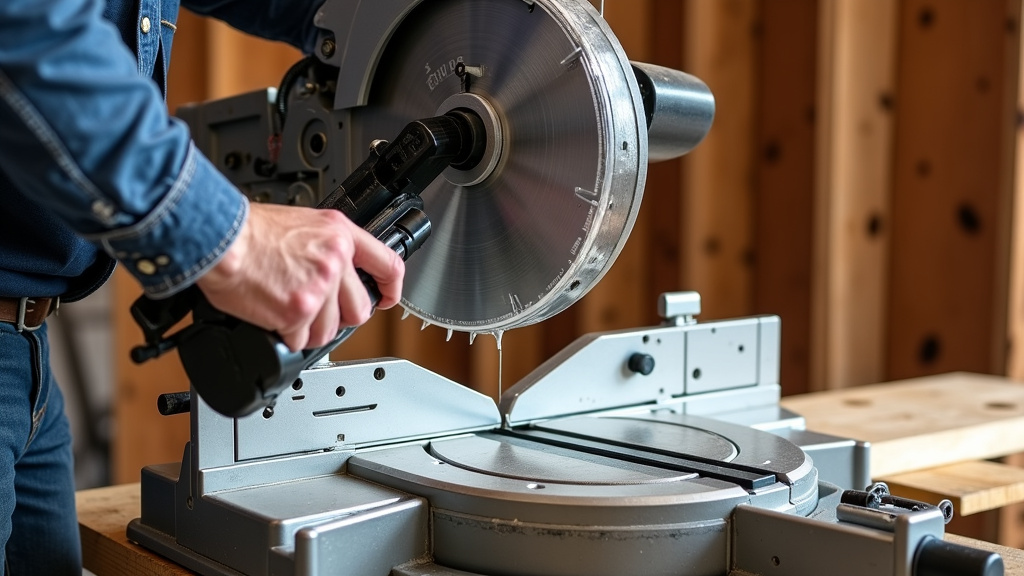
Common Reasons People Remove the Guard (and Why They’re Flawed)
We know why people are tempted to take off the guard. Let’s address those common reasons and explain why they just don’t hold up when safety is concerned. Understanding these flawed arguments might help you stick to the safe practice.
“I Can’t See My Cut Line Clearly”
This is perhaps the most frequent complaint. The guard, especially older or poorly designed ones, can indeed obstruct the view of your cut line. However, modern miter saws often feature improved guard designs, like those with clear plastic sections or folding mechanisms, that offer better visibility. Plus, there are techniques you can use to improve your sightline without compromising safety.
Try marking your cut line clearly with a sharp pencil or a fine-tip marker. You can also use a temporary chalk line. Another trick is to make a shallow “kerf” cut first with the saw raised, allowing you to see where the blade will enter the wood. Many experienced woodworkers develop a feel for their saw and learn to position the material accurately even with the guard in place. We found that practice with the guard on significantly improves accuracy over time.
“It Gets in the Way of Certain Cuts”
Some users feel the guard hinders their ability to make specific types of cuts, like bevels or compound cuts, or to cut small, irregularly shaped pieces. While it might require a slight adjustment in technique, it doesn’t make these cuts impossible. The guard is designed to pivot or retract out of the way as you lower the blade.
For very small pieces, using a clamp to secure the workpiece is often a safer practice anyway. This keeps your hands further away from the blade’s path, regardless of the guard’s presence. It’s about adapting your workflow, not eliminating safety features. Safety guidelines from the Consumer Product Safety Commission (CPSC) strongly advise against modifying or removing safety guards.
“It Slows Me Down”
We get it; efficiency is important, especially when you have a lot of cuts to make. But is saving a few seconds per cut worth risking a serious injury that could put you out of commission for weeks or months? We think not. The time spent fumbling with a guard or dealing with an accident is far greater than any time saved by removing it.
Think of the guard not as an impediment, but as part of the efficient operation of the tool. A well-maintained saw with a functioning guard can still produce precise cuts quickly. Focusing on precise setup and smooth operation is more important than rushing by skipping safety steps. Your productivity will actually increase if you avoid injuries.
Best Practices for Miter Saw Safety (With the Guard!)
Now that we’ve established why the guard is so important, let’s reinforce some best practices for using your miter saw safely. Remember, safety is a combination of using the right equipment and employing the right techniques.
Ensure the Guard is Properly Functioning
Don’t just assume the guard is okay. Before you even plug in the saw, give the guard a quick check. Does it move freely? Does it return to its covering position smoothly? Are there any cracks or damage? If the guard is stiff, damaged, or not covering the blade correctly when raised, it needs to be repaired or replaced. Never use a saw with a faulty guard.
Always Wear Proper Personal Protective Equipment (PPE)
While the guard offers protection, it’s not a substitute for other essential PPE. Always wear safety glasses or a full face shield to protect your eyes from any debris that might escape. Hearing protection is also vital, as miter saws are loud. A dust mask or respirator can help prevent you from inhaling fine sawdust.
Secure Your Workpiece
Never try to hold small pieces of wood with your hand while making a cut. Always use clamps to secure the workpiece to the saw’s base. This keeps your hands a safe distance from the blade and prevents the wood from shifting during the cut, which could cause kickback. For larger pieces, ensure they are well-supported.
Keep the Saw Area Clean and Tidy
A cluttered workspace is a dangerous workspace. Keep the area around your miter saw clean and free of sawdust, wood scraps, and other tripping hazards. This ensures you have stable footing and reduces the risk of the saw or workpiece becoming unstable.
Understand Your Saw’s Capabilities and Limitations
Read your miter saw’s manual thoroughly. Understand how it operates, its safety features, and any specific warnings. Don’t try to force the saw to do something it wasn’t designed for. If you’re unsure about a cut or a technique, seek advice from experienced woodworkers or consult reliable woodworking resources.
Maintain Your Miter Saw
Regular maintenance is key to safe operation. Keep the blade clean and sharp; a dull blade can increase the risk of kickback. Ensure all parts of the saw are clean and free of debris. Regularly check that the motor housing is clear and the ventilation slots are not blocked.
Here’s a quick checklist to run through before you start cutting:
- Is the blade guard in place and free of damage?
- Does the blade guard pivot smoothly and return to cover the blade?
- Are you wearing safety glasses, hearing protection, and appropriate clothing?
- Is your workpiece securely clamped to the saw’s table?
- Is the area around your saw clear of clutter and tripping hazards?
- Is the blade sharp, clean, and installed correctly?
Conclusion
Your miter saw’s guard is your first line of defense against serious harm. We’ve shown you why it’s absolutely essential for protecting you from flying debris and accidental blade contact. While tempting shortcuts might seem convenient, they can lead to painful injuries and long recovery times. By always keeping your guard in place and functioning correctly, you prioritize your safety above all else. Make it a habit to double-check your guard before every cut, and you’ll be well on your way to woodworking with confidence and peace of mind. Keep your fingers safe and your projects running smoothly!
Frequently Asked Questions
Can I remove the guard if I’m cutting very small pieces?
No, you should never remove the guard, even for small pieces. For tiny workpieces, it’s safer to use clamps to secure them firmly to the saw. This keeps your hands a safe distance away from the spinning blade, regardless of the guard’s presence.
What should I do if my miter saw guard is damaged or broken?
If your miter saw guard is damaged, cracked, or doesn’t function properly, stop using the saw immediately. You must repair or replace the guard before you can safely operate the saw again. Never attempt to use the saw without a functional guard.
Does the guard really help with kickback?
Yes, the guard plays a role in mitigating kickback. While it can’t prevent it entirely, it can absorb some of the energy and provide a barrier that slows the blade’s upward motion. It’s an important layer of defense against this dangerous saw reaction.
Are there miter saws with better guards for visibility?
Many modern miter saws feature improved guard designs, often with clear plastic sections or pivoting mechanisms. These can offer better visibility of your cut line compared to older models. Always check your saw’s manual for its specific guard features and maintenance.
Is it illegal to operate a miter saw without a guard?
While not always a criminal offense for individuals, operating machinery without safety guards often violates workplace safety regulations set by bodies like OSHA. Many manufacturers also void warranties if safety features are removed. It’s strongly discouraged and widely considered unsafe practice.