What to Look for in a Dual Bevel 7-1/4-Inch Miter Saw
A dual bevel 7-1/4-inch miter saw can bevel both left and right without flipping the workpiece. Check its cut capacity, blade clearance and support needs, since a compact blade may not cut wide or thick stock in one pass.
On this page (7 sections)
- What does a dual bevel 7-1/4-inch miter saw do?
- Which cut capacities should you check?
- Does dual bevel matter for your projects?
- What features help with trim and molding?
- How should you plan the work surface and storage?
- What safety and dust features deserve attention?
- How do you choose the right compact dual bevel saw?
A dual bevel 7-1/4-inch miter saw can tilt its blade left and right, letting you make opposing bevel cuts without flipping the workpiece. Its compact blade can be easier to move and store, but cut capacity varies by model, so check the cut chart against your stock before choosing.
The key tradeoff is between a smaller footprint and the size of material you can cut in one pass. Compare crosscut width, bevel capacity, fence clearance and the support setup you'll need.
If you're comparing compact saws by budget, see our Top 7 Inch Miter Saw Under 300 dollars. The title describes a different blade size, so check each saw's specs for the capacity you need.
What does a dual bevel 7-1/4-inch miter saw do?
A dual bevel saw tilts the blade in both directions, while a 7-1/4-inch blade describes its diameter. Dual bevel saves repositioning time on repeated angled cuts, but it doesn't tell you how wide or thick a board the saw can cut.
For example, matching bevels on picture frames or trim can be quicker when you don't have to turn the stock around. The saw still needs a miter setting, a stable fence contact and enough clearance for the blade to travel through the material.
A compact blade may have less reach than a larger one, though actual capacity depends on the saw's design. Review the maker's cut-capacity chart for straight crosscuts, miter cuts and bevel cuts separately.
For a broader comparison of bevel mechanisms and features, read what to look for in a miter saw.
Which cut capacities should you check?
Check the saw's stated maximum width and thickness at each angle you plan to use. A straight crosscut capacity does not guarantee the same capacity at a bevel or miter angle.
| Capacity check | Why it matters |
|---|---|
| Straight crosscut width | Shows the widest board the saw can crosscut at 90 degrees |
| Crosscut thickness | Sets the maximum stock height for a straight cut |
| Miter capacity | Angling the table can reduce the width you can cut |
| Bevel capacity | Tilting the blade can reduce the usable width or thickness |
| Nested crown capacity | Shows whether crown molding can be cut while held at an angle against the fence |
Use the dimensions of your actual stock rather than relying on general phrases such as “cuts a 2x4.” Lumber can vary, and the saw's capacity may change with the cut angle.
When a board is too wide, don't assume you can finish the cut by turning it over. The two passes may not meet cleanly, and the stock could move.
Check the instructions for an approved method or use a saw with enough capacity.
How does a 7-1/4-inch blade affect capacity?
A 7-1/4-inch blade gives the saw a compact cutting diameter, but blade size alone cannot predict the finished cut. The arbor position, guard, fence and slide travel all affect how much stock fits.
Compare the machine's capacity chart with the size of your material. Make sure the chart covers the cut type, not only a maximum width for a straight cut.
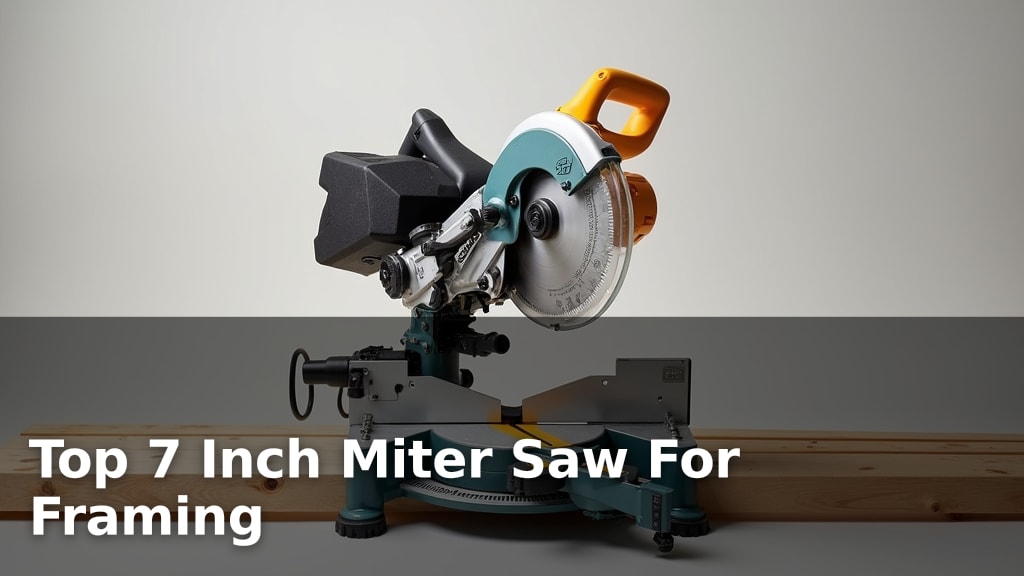
If you often cut wide boards or tall trim, compare larger saw formats as well. Our guide to top 7-inch miter saws for framing covers a smaller blade class, so use it as a separate comparison and verify each model's capacity.
Does dual bevel matter for your projects?
Dual bevel is most useful when you make repeated left and right bevel cuts. It reduces the need to flip the workpiece, which can help keep the reference face and cut orientation consistent.
It may matter less if most of your work consists of square crosscuts or single-direction bevels. A single bevel model may cover those tasks if its capacity and features fit your projects.
Before choosing, list the cuts you make most often:
- Repeated opposing bevels for trim or frames
- Straight crosscuts on boards and molding
- Compound cuts that combine a miter and a bevel
- Occasional cuts on wide or thick stock
Then check whether the saw provides useful stops at the angles you use. Stops can make common settings easier to repeat, but you still need to confirm the angle and secure the work.
For a deeper look at the tradeoffs, see what is the best dual bevel miter saw?.
What features help with trim and molding?
For trim, check the fence height, crown molding capacity and how the saw holds material at an angle. The right support setup matters as much as the bevel feature when molding needs to stay steady against the fence.
Crown molding is often cut with the back of the piece against the fence and its top or bottom resting on the table. Confirm the saw's instructions for the molding position and capacity before cutting.
The DEWALT DW7084 includes 2 stops and is specified for certain DEWALT saw models, including the DW715, DW716, DW718 and DWS780. Check your saw's model before buying; the stops are not described as universal.
For smaller manual trim cuts on material 1/4 in thick or less, the Olson ZONA mini miter box offers another kind of tool. It's not a powered miter saw, but its adjustable stop and beveled channel are intended for tubing and dowels.
A hand miter box can suit small pieces that don't need a powered saw. Keep it to the material size stated for this tool, and use a suitable powered saw for larger work.
How should you plan the work surface and storage?
Choose a level, stable surface that supports the saw and gives long stock room on both sides. A compact saw still needs a safe work area where the board can lie flat and remain under control.
Measure the saw's footprint and the space needed for the head and blade to move through a cut. Check for nearby walls, shelves and other obstructions that could limit the saw's travel.
If you carry the saw between jobs, consider its weight and how you'll protect or store it. A hand miter box is a separate option for small manual cuts and storage.
The Stanley 1-20-600 is a manual miter box with a saw, not a powered miter saw. Its listed slots suit simple hand cuts; compare its 11.81 in length with the pieces you need to cut before relying on it for a project.
What safety and dust features deserve attention?
Choose a saw with clear guard operation, a stable fence and dust collection you can connect or manage. Read the manual and keep hands outside the blade path while supporting the workpiece securely.
Check whether the saw's dust port fits your collection setup, and consider where chips will go if you work indoors. Dust collection can help control debris, but it does not replace suitable eye and hearing protection.
Before each cut, confirm the stock sits flat and firmly against the fence. Wait for the blade to stop before lifting the saw head or removing offcuts.
How do you choose the right compact dual bevel saw?
Choose a compact dual bevel saw when its cut chart covers your regular stock and you value left and right bevel cuts in a smaller format. If you frequently cut wide boards or tall molding, prioritize capacity over blade size.
Use this decision rule:
- Pick a 7-1/4-inch model if its published capacity covers your common cuts and easy handling matters.
- Look at a larger saw if your stock exceeds its cut chart or you often work with wide trim.
- Consider a single bevel saw if you rarely bevel in both directions and its other features suit your work.
- Add a compatible crown stop only after checking your exact saw model.
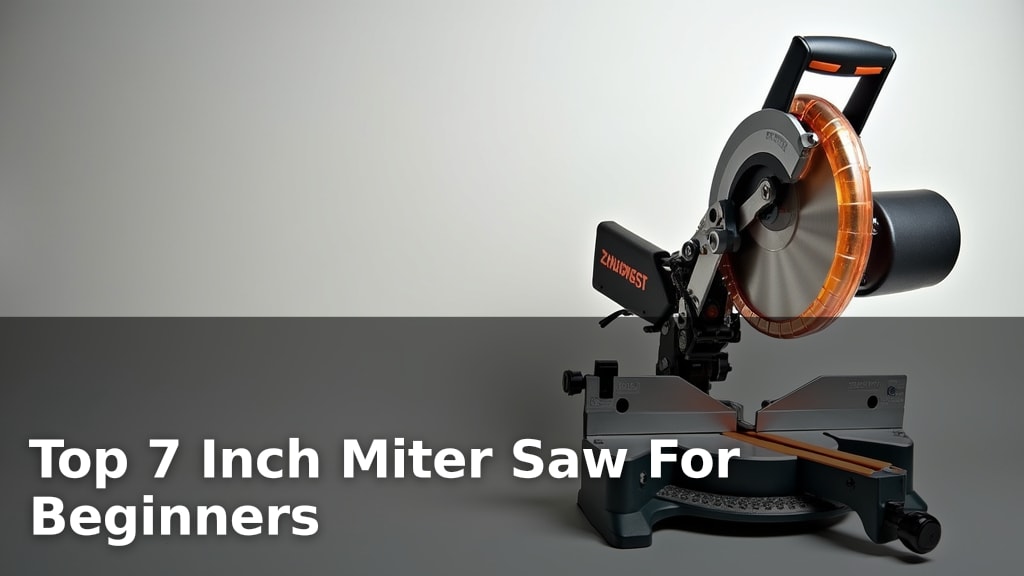
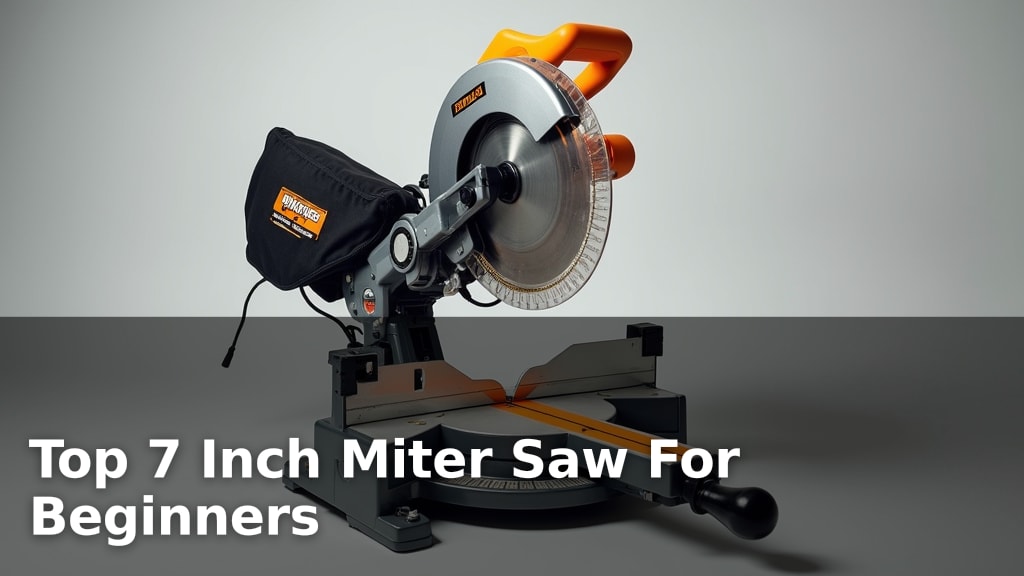
For beginner-focused comparisons, see Top 7 Inch Miter Saw For Beginners and another guide to Top 7 Inch Miter Saw For Beginners. Check the blade size and cut chart in each model's details.
A dual bevel 7-1/4-inch miter saw is a fit when its capacity, clearance and support needs match your projects. Choose a larger format if your normal stock is wider or thicker than the compact saw can cut in one pass.
Frequently asked questions
What does dual bevel mean on a miter saw?
A dual bevel miter saw tilts its blade to the left and right, so you can make opposing bevel cuts without turning the workpiece around. Check the saw's bevel range and stops, then confirm that its cut capacity matches the stock you plan to use.
Can a 7-1/4-inch miter saw cut a 2x4?
Many 7-1/4-inch miter saws are designed to cut common framing lumber, but capacity varies by model and cut angle. Check the maker's stated crosscut capacity for the exact thickness and width you need, especially for bevel cuts.
Is a 7-1/4-inch miter saw enough for trim?
A 7-1/4-inch saw can suit smaller trim and many routine crosscuts if its capacity covers the material. Wide crown or baseboard may exceed a compact saw's one-pass capacity, so compare the cut chart and plan how you'll support and position each piece.
What should I check before buying a compact dual bevel saw?
Compare crosscut capacity, bevel range, blade clearance, fence height, dust collection and the saw's weight. Also check whether the stand or work surface can support long stock, and whether the saw's footprint fits your workspace.
Do you need a stand for a 7-1/4-inch miter saw?
A stand is not always required, but the saw needs a stable, level surface and enough room for stock to move. Long boards need support on both sides so they stay level and don't shift during a cut.