What To Look For In A Miter Saw?
When selecting a miter saw, you should prioritize its power, blade size, cutting capacity, and the specific features that match your woodworking projects.
A good miter saw for most home users or professionals balances portability with the ability to handle common lumber dimensions efficiently and safely.
- A miter saw’s power directly impacts its ability to cut hardwoods smoothly.
- Blade size determines your maximum cross-cut width and depth.
- Compound and sliding features expand cutting angles and capacities.
- Safety mechanisms like blade guards and electric brakes are non-negotiable.
- Consider dust collection and portability for a better user experience.
What To Look For In A Miter Saw?
Finding the right miter saw means looking at its power, blade size, and what kind of cuts it can make. It’s about matching the saw to your project needs and how often you’ll use it.
Power and Motor Strength
The motor is the heart of your miter saw. A stronger motor generally means it can handle tougher materials like dense hardwoods or large pieces of lumber without bogging down. We found that motor amperage is key here.
Most miter saws come with 10, 12, or 15-amp motors. For occasional DIY tasks, a 10-amp saw might be enough. But for regular use and demanding jobs, 15 amps is a standard recommendation among professionals.
Brushed vs. Brushless Motors
You’ll often see two types of motors: brushed and brushless. Brushed motors are common and more affordable. Brushless motors are more efficient, run cooler, and tend to last longer with less maintenance, though they cost more (Popular Mechanics).
Brushless motors also give you a bit more power when you need it most. They adjust their power output to the task, which helps them maintain speed under load. This can be a game-changer for precise cuts.
Blade Size Matters Greatly
The blade size dictates the maximum cutting depth and width you can achieve. Think about what kind of wood you typically cut. Do you work with trim, decking, or larger framing lumber? Your projects define the blade.
Common Blade Diameters
Miter saws usually come with 8-inch, 10-inch, or 12-inch blades. A 10-inch blade is a good all-around choice for many home workshops. It offers a solid balance of capacity and cost.
If you’re handling wider boards, say 2x12s, a 12-inch blade will give you the reach you need. Smaller 8-inch saws are often lighter and more portable, great for smaller trim work or crafts.
Cutting Capacity
This is where the rubber meets the road. Can the saw cut the wood you need it to? Cutting capacity includes both cross-cut width and depth. It also covers how much bevel or miter angle you can set. Always check these specs.
Cross-Cut Capacity
Cross-cut capacity tells you the widest board your saw can cut in a single pass at 90 degrees. A standard 10-inch miter saw might cut a 2×6, but a 12-inch sliding miter saw can often handle a 2×12 or even wider (Fine Woodworking).
Depth and Bevel Capacity
Bevel cuts are angled cuts through the thickness of the material. Miter cuts are angled cuts across the face. Many saws offer both. Here’s a quick look at typical ranges:
| Cutting Type | Typical Range | What it Means |
|---|---|---|
| Miter Angle | 0 to 50 degrees (left/right) | How much you can angle the blade horizontally. |
| Bevel Angle | 0 to 45 degrees (left or dual) | How much you can tilt the blade vertically. |
| Cross Cut (90°) | 6 to 16 inches | Max width of material cut straight. |
Types of Miter Saws
There isn’t just one type of miter saw; several variations exist, each with specific strengths. Understanding these differences helps you choose the best tool for your tasks.
Standard Miter Saws
These are the simplest, designed for basic cross-cuts and miter cuts. They pivot left and right for angle cuts. They are often the most affordable and great for simple projects like framing or cutting trim.
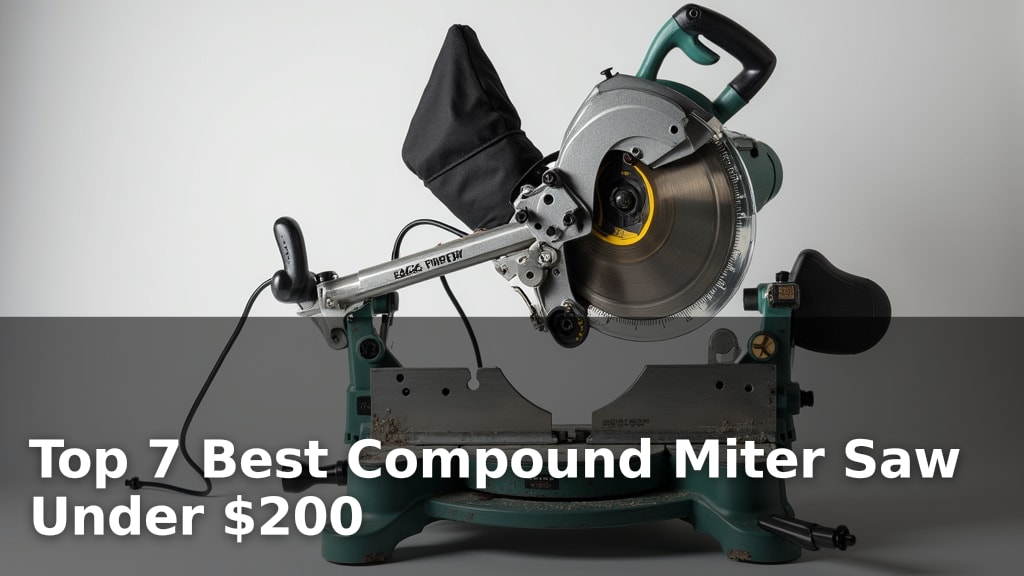
Compound Miter Saws
A compound miter saw adds the ability to tilt the blade for bevel cuts. This means you can cut angles in two planes at once, essential for crown molding. Many experts find these to be a versatile choice for many users.
Sliding Compound Miter Saws
These saws have rails that allow the blade to slide back and forth, dramatically increasing cross-cut capacity. If you regularly cut wide boards, a sliding feature is a must-have (Wood Magazine).
This sliding action lets a 10-inch saw perform like a 12-inch non-sliding model in terms of width. They tend to be heavier and more expensive, but their versatility is unmatched for wider stock.
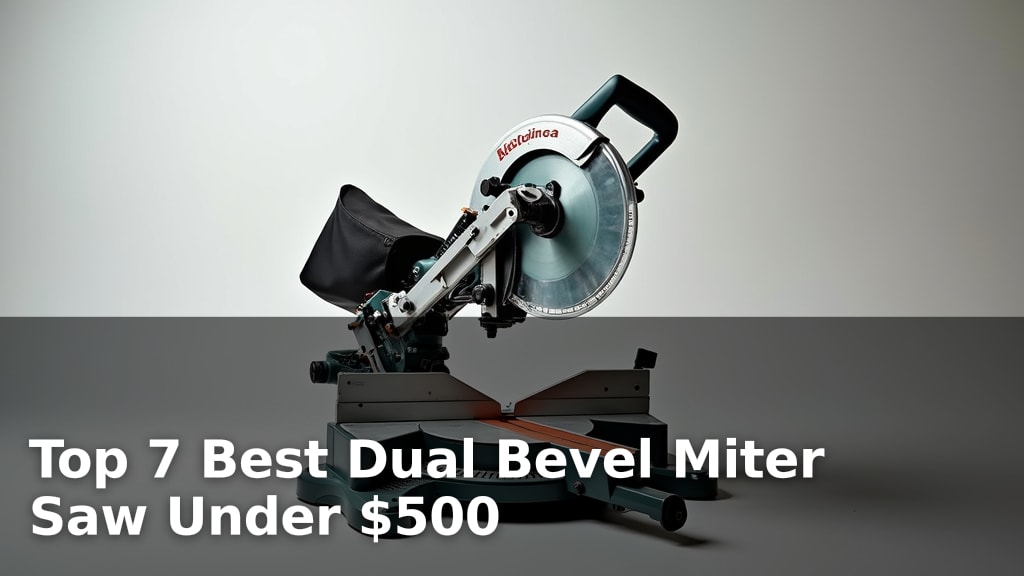
Dual-Bevel Saws
Dual-bevel saws tilt both left and right for bevel cuts. This saves you from flipping your workpiece around for opposite angles, making your work faster and often more accurate. It’s a significant convenience feature.
Important Features to Consider
Beyond the basics, several features can greatly improve your saw’s usability, accuracy, and safety. Don’t overlook these details when making your decision. They often define a good user experience.
- Integrated laser guide or LED light for cut line visibility.
- Effective dust collection system.
- Robust fence and workpiece clamps.
- Easy-to-use miter and bevel detents for common angles.
- An electric brake to stop the blade quickly.
Laser Guide and LED Worklight
A laser guide projects a line onto your material, showing you where the blade will cut. An LED worklight brightens your work area. Both features greatly improve cut accuracy and safety, especially in dim lighting.
Dust Collection
Miter saws create a lot of sawdust. A good dust collection port or bag helps keep your workspace clean and improves visibility. Many found that a shop vacuum connected to the port offers the best dust management.
Fence and Clamps
A tall, sturdy fence provides better support for your material, especially during bevel cuts. Workpiece clamps secure your wood, preventing movement during the cut. This boosts both accuracy and safety.
Miter Detents and Stops
These are pre-set stops at common angles (like 0, 15, 22.5, 30, 45 degrees). They allow for quick, repeatable settings without manually finding the angle. This is a huge time-saver for repetitive cuts.
Portability and Weight
Will your saw live in one spot or move around? If you work on different job sites, weight and portability matter. Some models are designed to be lighter and have built-in carrying handles. We found that lighter saws often sacrifice some power or features, though.
Safety Features
Your safety is paramount. Look for a transparent blade guard that automatically retracts. An electric brake, which stops the blade within seconds of releasing the trigger, is also a top safety feature. Many government guidelines recommend these.
Quick Checklist for Your Miter Saw Search:
- Does it have enough power (amps) for your projects?
- Is the blade size appropriate for your typical lumber?
- Can it handle the cross-cut and bevel capacities you need?
- Does it have a sliding or dual-bevel feature if you require them?
- Are important safety features like a blade guard and brake included?
- Does it offer helpful extras like a laser guide or good dust collection?
Conclusion
Choosing the right miter saw is like picking the right paintbrush for an artist; it makes all the difference in the final product. By focusing on motor power, blade size, cutting capacity, and essential features, you can find a saw that not only meets your project demands but also enhances your woodworking journey. Don’t rush the decision; consider your needs and invest in a tool that will serve you well for years.
How do I know if I need a sliding miter saw?
You need a sliding miter saw if you regularly cut boards wider than 6 to 8 inches. Its sliding action greatly increases the cross-cut capacity, letting you tackle wider stock like shelving or wider trim boards that a standard miter saw can’t handle in one pass.
What’s the difference between single and dual bevel?
A single-bevel miter saw tilts the blade only in one direction (usually left) for angled cuts through the thickness of the wood. A dual-bevel saw can tilt both left and right, which saves you time and effort because you don’t have to flip your workpiece over to make opposing bevel cuts.
Is a 10-inch or 12-inch miter saw better for DIY projects?
For most DIY projects, a 10-inch miter saw often offers a great balance of portability, power, and capacity. It’s usually more affordable and sufficient for common tasks like cutting 2x4s, 2x6s, and many types of trim. A 12-inch saw provides more cutting capacity, especially for wider lumber, but it’s typically heavier and more expensive.
How important is dust collection on a miter saw?
Dust collection is quite important for both safety and cleanliness. Miter saws produce a lot of sawdust, which can reduce visibility, affect cut accuracy, and create a messy workspace. Effective dust collection, whether through a bag or a shop vacuum connection, helps keep your work area cleaner and can improve air quality.
Should I get a corded or cordless miter saw?
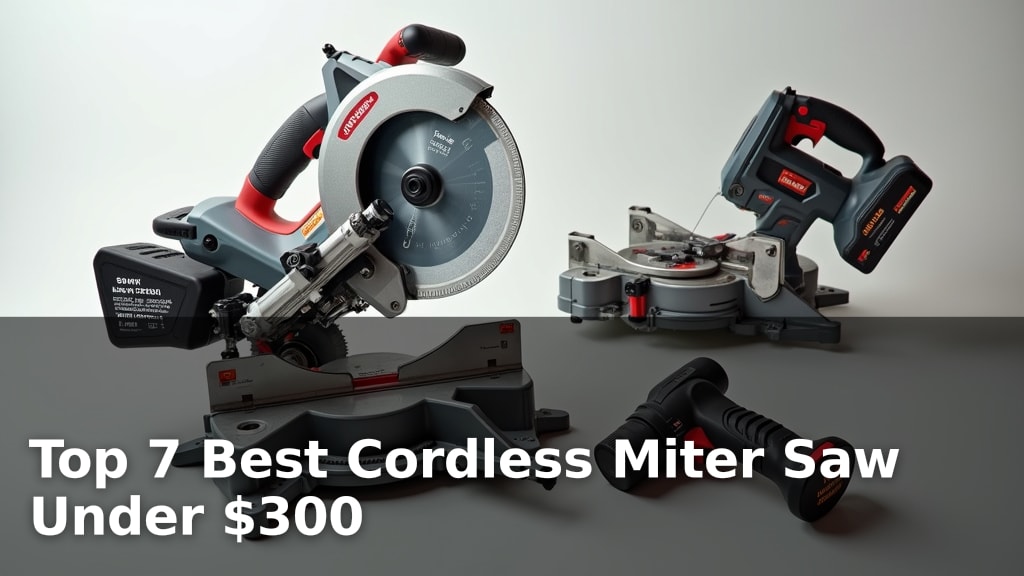
The choice between corded and cordless depends on your needs. Corded miter saws typically offer consistent, strong power for long work sessions without worrying about battery life. Cordless models provide ultimate portability and convenience, allowing you to work anywhere, but they rely on battery power and may have less sustained power for very heavy use (Consumer Reports). If you often work without access to an outlet, cordless is a great option.