What Is the Best Dual Bevel Miter Saw?
On this page (3 sections)
The best dual bevel miter saw for you ultimately depends on your project needs and budget. See our dual-bevel saws under $500 guide for more on this option. We found that Bosch, DeWalt, and Makita consistently offer top-performing models with excellent features. You’ll want to consider power, accuracy, and ease of use when making your choice.
These saws allow you to cut angles in two directions without flipping your workpiece. This feature saves time and boosts your accuracy, especially for complex trim work or framing. Getting the right saw can significantly improve your woodworking projects.
TL;DR:
- Project Needs: Consider what you’ll be building most often.
- Budget: Determine how much you’re comfortable spending.
- Top Brands: Bosch, DeWalt, and Makita are strong contenders.
- Key Features: Look for power, accuracy, and user-friendliness.
- Dual Bevel Benefit: Cuts angles in both directions for efficiency.
Let’s walk through everything you need to know about picking the perfect dual bevel miter saw for your workshop.
Finding the Ideal Dual Bevel Miter Saw for Your Projects
Choosing the right dual bevel miter saw can feel overwhelming. Don’t worry, we’re here to simplify it. We’ll help you understand what truly matters.
You want a saw that performs reliably and makes your work easier. Let’s break down the key factors to consider.
What Makes a Miter Saw “Dual Bevel”?
A dual bevel miter saw is a game-changer for many woodworkers. But what does “dual bevel” actually mean?
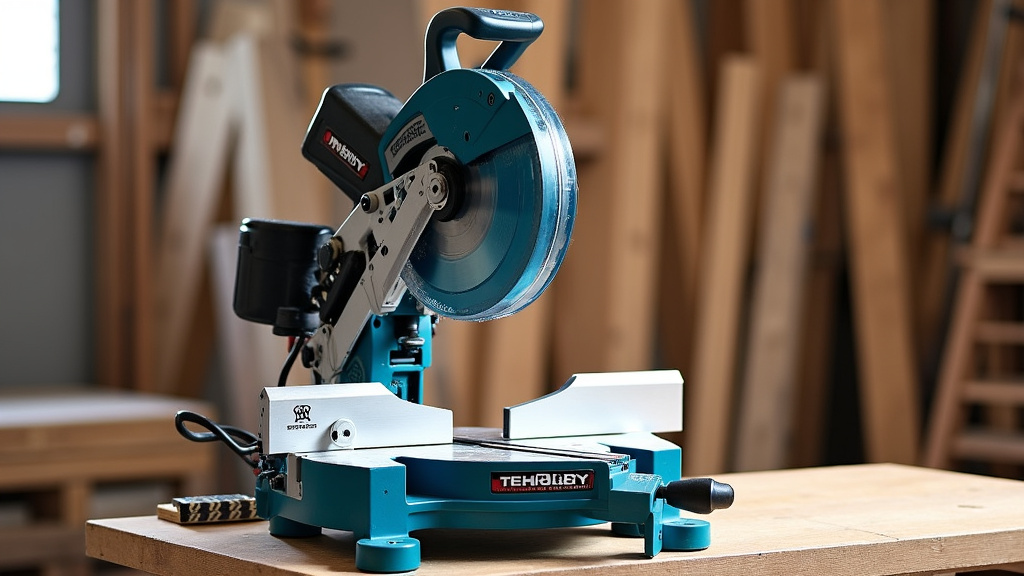
It means the saw head can tilt both to the left and to the right. See our compound-angle miter saws guide for more on this option. This allows you to make angled cuts from either direction without repositioning your workpiece. Imagine cutting crown molding; this feature saves you a lot of time and ensures better accuracy.
Single Bevel vs. Dual Bevel
You might be wondering about the difference. A single bevel saw only tilts in one direction, usually to the left. If you need a right-hand bevel cut, you have to flip your material over. This can be awkward and can lead to errors.
A dual bevel saw eliminates this hassle. See our dual-bevel saw upgrades guide for more on this option. It’s a huge convenience, especially for repetitive cuts or long pieces. We found that most serious DIYers and professionals prefer dual bevel saws for their versatility and efficiency.
Key Features to Look for in Your Saw
When you’re shopping for a dual bevel miter saw, certain features stand out. These impact both performance and your experience using the tool.
Consider these points carefully before making your decision.
Power and Motor Performance
The power of your miter saw’s motor is crucial. It determines how easily it cuts through different materials. Look for saws with a good amperage rating.
Most miter saws come with 15-amp motors. This is generally sufficient for cutting common lumber, hardwoods, and even some non-ferrous metals. A powerful motor reduces bogging down and ensures smoother cuts.
Blade Size and Cutting Capacity
Blade size directly impacts how large a piece of wood you can cut. Common sizes are 10-inch and 12-inch blades. A 12-inch blade offers greater cutting capacity.
Think about the types of projects you do. If you often cut wide decking or large crown molding, a 12-inch saw might be better. For smaller trim work or picture frames, a 10-inch saw can be perfectly adequate.
Accuracy and Precision
What good is a miter saw if it isn’t accurate? We all want precise cuts. Look for saws with clear, easy-to-read miter and bevel scales. Positive stops are also important.
Positive stops are pre-set detents at common angles (like 0°, 22.5°, 45°). These make it quick and easy to set your saw to exact, repeatable angles. A good fence system also contributes to overall accuracy.
Dust Collection Efficiency
Woodworking creates a lot of dust. A good dust collection system is vital for your health and for keeping your workspace clean. We found that some saws have better integrated systems than others.
Look for saws with a large dust port and an effective dust bag. Even better, consider models that can connect to a shop vacuum. Many experts say connecting to a shop vac is the most effective way to manage dust (National Institute for Occupational Safety and Health).
Sliding vs. Non-Sliding Miter Saws
You’ll notice two main types of miter saws: sliding and non-sliding. Each has its advantages. Your choice here depends on your available space and cutting needs.
Sliding Miter Saws
A sliding miter saw features rails that allow the blade to move forward and backward. This significantly increases the saw’s cross-cutting capacity.
Need to cut a 2×12 board? A 12-inch sliding miter saw can often handle it. They are great for wider materials like shelves or stair treads. The downside? They often require more space behind the saw for the rails.
Non-Sliding Miter Saws (Chop Saws)
These are simpler saws where the blade chops straight down. They are more compact and generally less expensive. Their cutting capacity is limited to the blade’s diameter.
A 10-inch non-sliding saw might only cut a 2×6, for example. If your projects involve mostly narrower trim or framing lumber, a non-sliding saw might be all you need. They also tend to be lighter and more portable.
Top Brands to Consider
When it comes to dual bevel miter saws, certain brands consistently receive high marks for quality and performance. See our professional sliding miter saws guide for more on this option. Our research shows a few names always come up.
You’ll find these brands offer a range of models, from entry-level to professional-grade.
| Brand | Known For | Typical Features |
|---|---|---|
| Bosch | Innovative design, accuracy | Axial-Glide System, strong motors, good dust collection |
| DeWalt | Durability, job site performance | Powerful motors, excellent dust bags, XPS crosscut alignment system |
| Makita | Smooth operation, precision | Direct drive motors, smooth sliding action, compact designs |
| Milwaukee | Heavy-duty, cordless options | Robust build, powerful batteries, good for professionals |
Essential Accessories for Your Miter Saw
Your miter saw is just the start. Certain accessories can greatly enhance its safety, accuracy, and versatility. Don’t overlook these when budgeting for your setup.
- Quality Blades: The blade that comes with your saw is often basic. Upgrade to a high-tooth-count blade for smoother, cleaner cuts in fine wood.
- Miter Saw Stand: A dedicated stand provides a stable and often portable workstation. Many have integrated material supports.
- Clamps: Always secure your workpiece to the fence. Clamps prevent movement and kickback, making cuts safer and more accurate.
- Dust Extractor/Shop Vac: Essential for managing sawdust and maintaining a clean shop.
- Digital Angle Finder: For ultimate precision, a digital angle finder helps you set exact bevels and miters, especially for non-standard angles.
Setting Up Your Miter Saw for Success
Once you have your saw, proper setup is key to getting the best results. A few minutes spent on alignment can save hours of frustration later.
Always consult your saw’s manual for specific instructions. But here are some general tips.
Calibrating Your Saw
Before your first cut, check the blade’s alignment to the fence and the table. Use a reliable square to ensure it’s perfectly 90 degrees to both. Adjust as needed. Most saws have adjustment screws for this.
Similarly, check the 45-degree stops. Even new saws can be slightly off. A correctly calibrated saw prevents annoying gaps in your joinery.
Workspace Considerations
Think about where your saw will live. You need enough room not just for the saw itself, but for the material you’ll be cutting. This is especially true for long boards.
Good lighting is also crucial. You need to clearly see your cut line and measurements. Keep your workspace clear of clutter to prevent accidents.
Your Dual Bevel Miter Saw Checklist
Ready to make a decision? Use this quick checklist to confirm you’ve considered all the important aspects for your new dual bevel miter saw.
- Does it have a powerful 15-amp motor?
- Is the blade size appropriate for your typical projects (10″ or 12″)?
- Are the miter and bevel scales clear and easy to read?
- Does it feature positive stops for common angles?
- Is the dust collection system effective, or can it connect to a shop vac?
- Is it a sliding or non-sliding model, based on your space and capacity needs?
Conclusion
Choosing the best dual bevel miter saw doesn’t have to be complicated. By focusing on your specific project needs, considering key features like power and accuracy, and understanding the differences between sliding and non-sliding models, you can confidently select the right tool. Remember the top brands we discussed, and don’t forget those essential accessories for an optimized setup.
You’re now equipped with the knowledge to make an informed decision. Take your time, compare models, and pick the saw that will make your woodworking projects both easier and more precise. Happy building!
Frequently Asked Questions
Is a dual bevel miter saw worth it for a beginner?
Yes, absolutely. While they might cost a bit more, the added convenience and accuracy of not having to flip your workpiece for opposing angle cuts can save a beginner a lot of frustration and lead to better results faster. It helps you focus on learning other techniques.
Can I use a 10-inch miter saw for most home DIY projects?
For many common home DIY projects like trim work, picture frames, or smaller furniture, a 10-inch dual bevel miter saw is often sufficient. It handles standard lumber sizes well. If you frequently cut wider boards, though, a 12-inch model might be more suitable.
How important is dust collection on a miter saw?
Dust collection is very important for both your health and keeping your workspace clean. Fine sawdust can be a respiratory hazard. A good dust collection system, ideally connected to a shop vacuum, significantly reduces airborne dust and keeps your cut lines visible.
Should I get a corded or cordless dual bevel miter saw?
Corded saws generally offer consistent, sustained power for long work sessions and heavy use. Cordless models provide portability and convenience, especially on job sites without easy access to outlets. Your choice depends on where and how you plan to use the saw most often.
What’s the one most important factor for miter saw accuracy?
While many factors contribute, the most important is ensuring your saw is properly calibrated. Even a high-end saw will make inaccurate cuts if its blade isn’t perfectly square to the fence and table, and its detents aren’t precisely set. Always check and adjust before critical projects.


