How Much Does A Miter Saw Cost?
A miter saw can cost anywhere from $100 for basic models up to over $800 for professional-grade sliding compound miter saws with advanced features. The price largely depends on the saw’s type, motor power, and extra functionalities.
You’ll find a wide range of miter saw costs because different projects demand different levels of precision and power. Think about your woodworking goals before you buy.
Here’s a quick summary of what you’ll learn about miter saw costs:
- Entry-level saws are perfect for hobbyists and DIY tasks.
- Mid-range options offer a great balance of features and price for serious enthusiasts.
- Professional models provide top-tier accuracy and durability for daily use.
- Factors like saw type, brand, and motor power heavily influence the price.
- Remember to budget for blades, stands, and safety gear too.
How Much Does A Miter Saw Cost?
So, you’re looking to add a miter saw to your workshop, but the price tags are all over the place, right? See our good cordless miter saw cost guide for related details. Typically, a new miter saw can run you from around $100 to upwards of $800. This wide range exists for good reason; not all miter saws are created equal, just like not all cars are the same.
Understanding Miter Saw Pricing Tiers
Just like any tool, miter saws fall into different categories based on their features and performance. We’ve broken down the pricing to help you understand what you get at each level. It’s about finding the right tool for your specific needs without overspending.
Entry-Level Miter Saws: Budget-Friendly Options
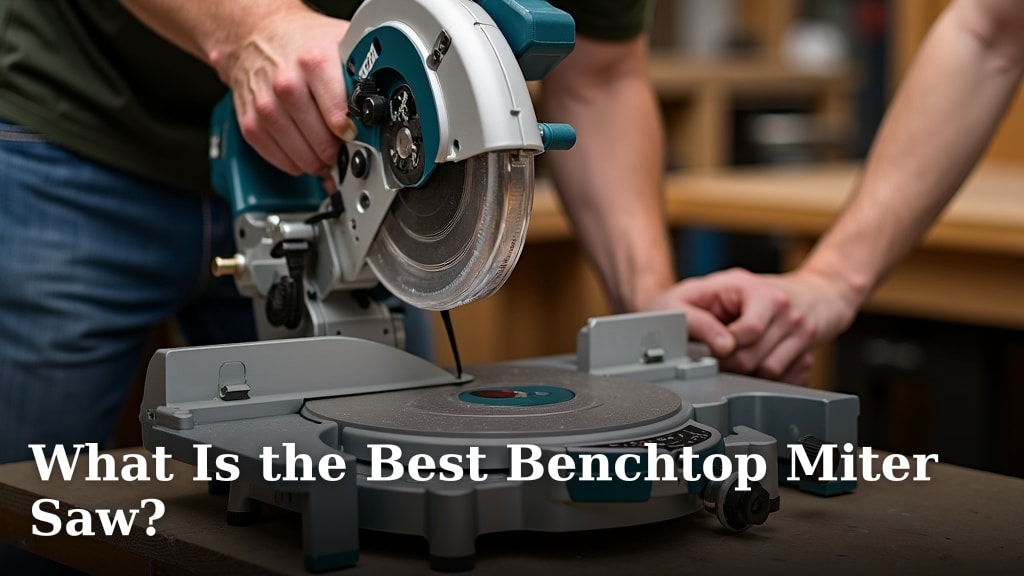
These saws usually cost between $100 and $250. Benchtop models are another category; compare benchtop miter saw costs. They are perfect for homeowners or casual DIYers. If you’re building a small shelf, cutting trim, or tackling simple projects, these will do the job. You might get a single-bevel compound miter saw with a basic fence.
While they might not have all the bells and whistles, many experts agree that these entry-level models offer excellent value for occasional use (DIY Guides). They are great for beginners just starting their woodworking journey.
Mid-Range Miter Saws: The Sweet Spot
Expect to pay about $250 to $500 for saws in this category. This is often where you find the best balance of features, power, and precision. Many serious hobbyists and even some professional contractors find their ideal saw here.
You’ll often get dual-bevel capabilities, more powerful motors, and better build quality. These saws can handle a wider variety of materials and more demanding tasks. Think of it as the versatile all-rounder for most workshop needs.
Professional-Grade Miter Saws: Power and Precision
These saws typically start around $500 and can go beyond $800. They are built for daily, heavy-duty use by professional carpenters and contractors. Precision, durability, and advanced features are the hallmarks of this tier.
You’ll see features like soft-start motors, advanced dust collection, and highly accurate laser guides. Many industry experts highlight the robust construction and lasting accuracy of these high-end machines (Pro Tool Reviews). They are an investment, but they pay off in reliability and performance.
What Influences Miter Saw Prices?
So, what exactly makes one saw cost $150 and another $750? Several key factors contribute to the price. Understanding these will help you make a smart decision.
Saw Type Matters
The type of miter saw you choose has a big impact on cost. A basic miter saw is the least expensive. Compound miter saws add bevel cuts. Sliding miter saws extend cutting capacity, making them more versatile and thus more expensive.
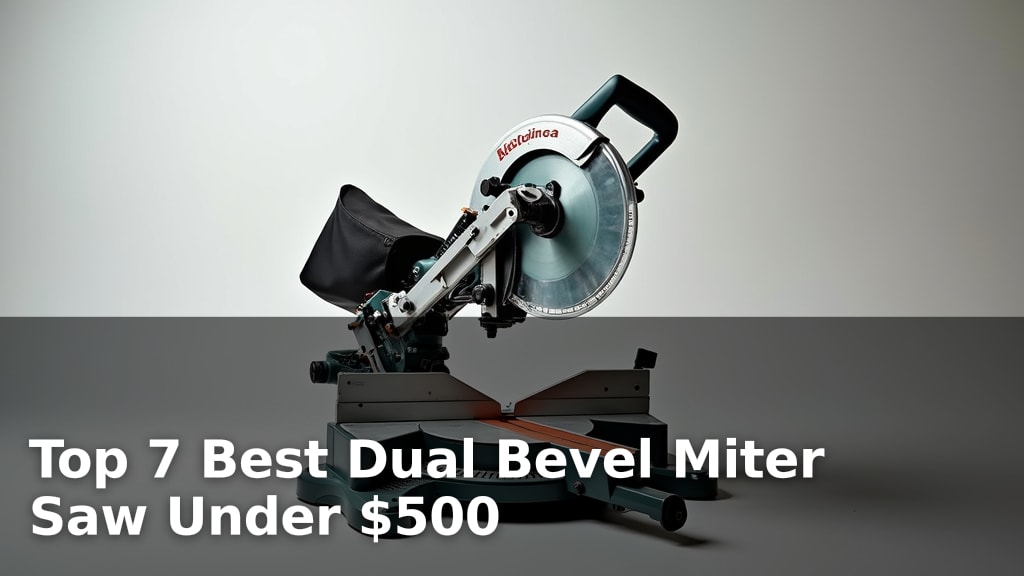
Dual-bevel compound miter saws, which can tilt left and right, are usually priced higher than single-bevel models. It’s like comparing a compact sedan to a larger SUV; each has different capabilities and price points.
Brand Reputation and Warranty
Well-known brands often command higher prices, but they also typically offer better warranties and customer support. Research often shows that established brands have a track record of reliability and easier access to spare parts (Tool Manufacturer Insights).
Are you buying from a brand with decades of experience, or a newer name? This affects the price and often your peace of mind.
Motor Power and Blade Size
A more powerful motor, measured in amps (e.g., 15 amp), and a larger blade diameter (e.g., 12-inch vs. 10-inch) generally mean a higher price. Larger blades and more power let you cut thicker and wider materials, which is a big advantage for bigger projects.
If you’re only cutting thin trim, you might not need the biggest motor. For a related project budget, see our baseboard installation cost guide. But for 4×4 posts, power becomes really important.
Advanced Features and Technology
Features like laser cut guides, LED work lights, digital angle readouts, and integrated dust collection systems add to the cost. These features can improve accuracy and user experience, but they aren’t always essential for everyone.
Consider if these conveniences are worth the extra investment for your specific work style. Sometimes a simple pencil line is all you need!
Miter Saw Cost Comparison Table
To give you a clearer picture, here’s a quick overview of typical price ranges and capabilities:
| Miter Saw Type | Typical Price Range | Key Advantages |
|---|---|---|
| Standard Miter Saw | $100 – $200 | Simple, great for straight cuts |
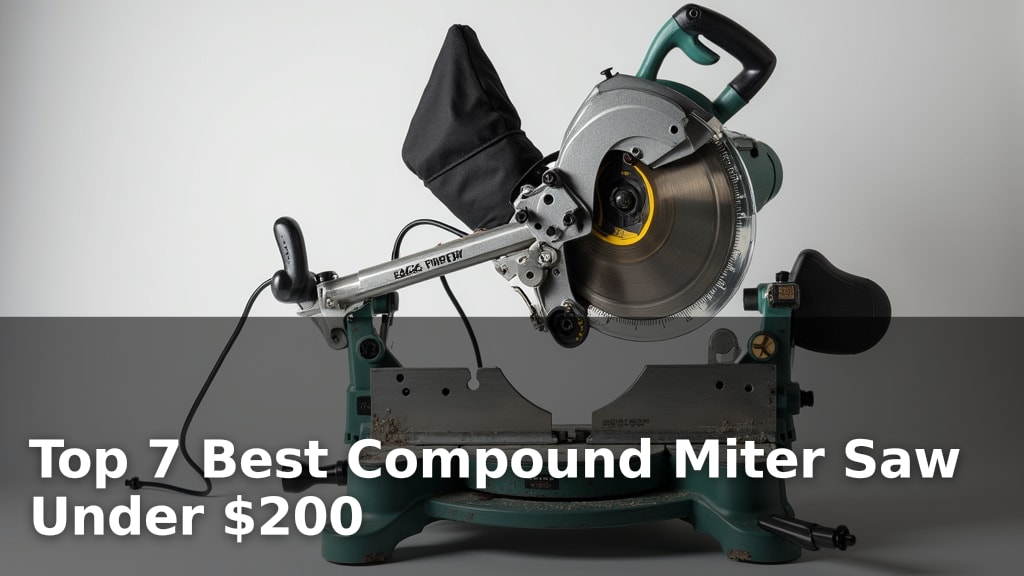
| Compound Miter Saw | $150 – $350 | Cuts angles and bevels in one pass |
| Sliding Compound Miter Saw | $300 – $600 | Wider cross-cut capacity, versatile |
| Dual-Bevel Sliding Compound Miter Saw | $400 – $800+ | Bevels left and right, ultimate versatility |
Accessories and Hidden Costs
The saw itself isn’t your only expense. Don’t forget the accessories! A miter saw stand is another purchase to budget for. These items can add to your overall investment but are often necessary for safe and efficient operation.
Must-Have Accessories
- Extra Blades: Different blades for different materials (wood, laminate, fine finishes).
- Miter Saw Stand: Essential for stability and portability, especially on job sites.
- Safety Gear: Eye protection, hearing protection, and dust masks are not optional.
- Dust Collection: A shop vacuum or dust extractor to keep your workspace clean.
- Clamps: To secure your workpiece for accurate and safe cuts.
Is a More Expensive Miter Saw Always Better?
Not necessarily! The “best” saw is the one that meets your needs and fits your budget. A high-end professional saw is overkill if you only cut a few pieces of trim once a year. If you would rather hire out the work, see our trim carpenter cost guide. That’s like buying a race car for grocery runs!
On the other hand, trying to tackle professional framing jobs with an entry-level saw can lead to frustration and inaccurate cuts. It’s about matching the tool’s capability to your project demands. We often find that mid-range saws offer the best overall value for most users (Woodworking Forums).
Choosing the Right Miter Saw for Your Needs
Feeling a bit overwhelmed? Here’s a quick checklist to guide your decision:
- What types of materials will you cut most often?
- How wide and thick are your typical workpieces?
- How frequently do you plan to use the saw?
- Do you need portability, or will it stay in your workshop?
- What’s your absolute maximum budget for the saw and accessories?
- Are dual-bevel or sliding features essential for your projects?
Conclusion
The cost of a miter saw varies significantly, from around $100 for basic models to over $800 for professional machines. Your perfect saw isn’t the most expensive, but the one that aligns with your project needs and budget.
By considering factors like the saw type, features, and necessary accessories, you can make a choice that you’ll be happy with for years to come. Take your time, do your research, and invest wisely. Happy cutting!
How much should I spend on a miter saw?
For DIYers or occasional use, spending $150-$300 is often sufficient. If you’re a serious hobbyist or professional, a budget of $300-$700 will get you a robust and feature-rich model.
What is the cheapest type of miter saw?
The cheapest type is typically a basic standard miter saw, which only cuts miter angles but not bevels. For a retailer-specific comparison, see our Harbor Freight miter saw prices guide. These can start as low as $100-$150, offering a simple solution for straightforward cross-cutting tasks.
Do miter saws come with blades?
Most new miter saws come with a general-purpose blade to get you started. However, this blade may not be ideal for all materials or for achieving very fine cuts. You will likely want to purchase specialized blades for specific tasks.
Is a 10-inch or 12-inch miter saw better?
A 12-inch miter saw offers a greater cutting capacity, allowing you to cut wider and thicker stock. A 10-inch saw is usually more compact and lighter, making it easier to transport; see our miter saw weight guide for more detail. The “better” choice depends on the size of the material you typically work with.
Are refurbished miter saws a good value?
Refurbished miter saws can offer significant savings, often providing a mid-range saw for an entry-level price. Many come with a limited warranty. Always buy from reputable sellers to ensure the saw has been properly inspected and restored.