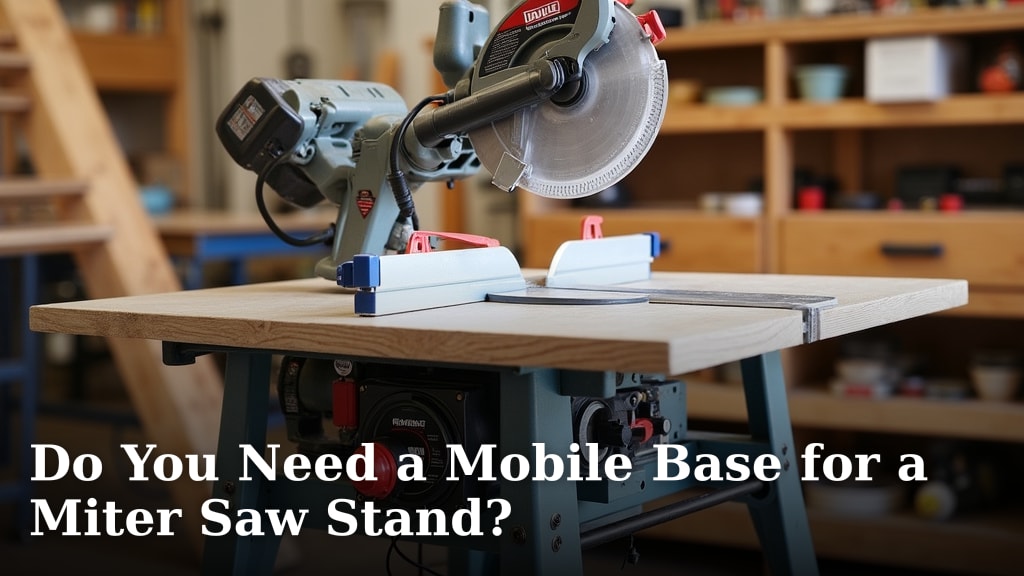
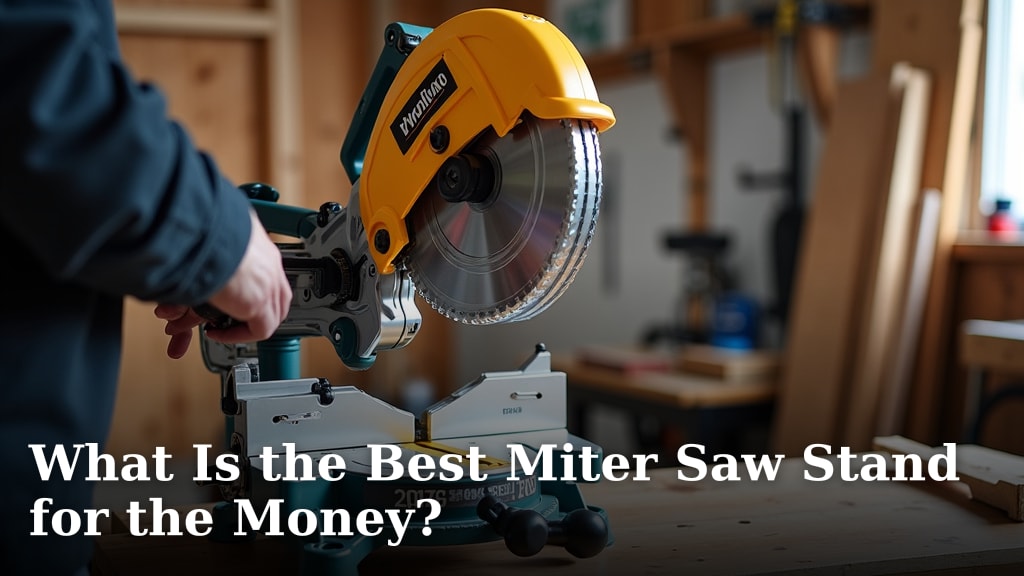
How To Build A Miter Saw Station?
To build a miter saw station, you generally start with a sturdy base, then add side support wings at the same height as your saw’s table, and finally integrate storage solutions for tools and materials.
This approach creates a dedicated workspace that significantly improves accuracy, safety, and efficiency for all your miter saw projects.
- A miter saw station transforms your workspace, making cuts more accurate and safer.
- Planning is key: measure your saw, available space, and consider your workflow before you begin.
- Common materials like plywood and 2x4s offer strength and affordability for construction.
- Focus on building a robust base and ensuring level outfeed wings for consistent cuts.
- Adding smart storage and dust collection makes the station a truly organized powerhouse.
How To Build A Miter Saw Station?
Building a miter saw station involves careful planning and construction to create a stable, efficient, and organized workspace. You want a dedicated setup that makes every cut easier and more precise.
Why Bother With a Miter Saw Station?
Think about your current setup. Is your miter saw wobbling on a makeshift stand? Do you struggle with long boards? A dedicated station offers unmatched stability and support, making your work safer and more accurate. It’s a game-changer for any serious woodworker.
We found that having a proper station drastically cuts down on project time. You spend less time setting up and more time cutting with confidence. This efficiency truly simplifies your woodworking process.
First Things First: Plan Your Dream Station
Before you grab a single board, take a moment to plan. What kind of space do you have? Will your station be stationary or mobile? Many experts say a well-thought-out plan saves you headaches later (Fine Woodworking). You need to measure your miter saw precisely.
Consider your personal workflow. For more detail, see our miter saw project ideas guide. Where do you typically stand? Do you need lots of storage? Will you cut long pieces of lumber often? These questions guide your design and ensure your station fits your unique needs.
Key Measurements to Take
- Saw Base Dimensions: Length and width of your saw’s base.
- Table Height: The exact height from the floor to your saw’s cutting surface. This is critical.
- Work Area: Measure the available space in your shop or garage.
- Material Lengths: How long are the typical boards you cut?
- Storage Needs: What tools and accessories need a home nearby?
Choosing Your Materials: Strong and Stable
For a durable miter saw station, you need materials that can withstand heavy use. Plywood and 2x4s are popular choices for their strength and affordability. We often see stations built with ¾-inch plywood for surfaces and 2x4s for framing.
For the workbench top, MDF is another good option. It’s very flat and smooth, providing an excellent work surface. Just remember that MDF doesn’t handle moisture well, so keep it dry.
Here’s a quick look at common material choices:
| Material | Pros | Cons |
|---|---|---|
| Plywood (¾-inch) | Strong, stable, holds fasteners well. | Can be heavy, edges may chip. |
| MDF (Medium Density Fiberboard) | Very flat, smooth, affordable. | Heavy, susceptible to moisture damage. |
| 2×4 Lumber | Excellent for framing, very strong. | Can warp if not stored properly. |
Building the Core: Your Saw’s Home
Start by constructing the main cabinet where your miter saw will sit. For a related bench design, see our miter saw workbench guide. This needs to be rock-solid and level. You’ll build a sturdy frame from 2x4s, then clad it with plywood.
Remember that crucial saw table height? Your cabinet’s top surface must be precisely that height. Many builders create a recessed opening for the saw itself, so the saw’s table becomes flush with the surrounding outfeed wings.
The Outfeed Wings: Support for Long Cuts
These are the extensions on either side of your miter saw. They provide crucial support for longer workpieces, preventing dangerous tipping. The top surface of these wings absolutely must match your saw’s table height. Any difference will lead to inaccurate cuts.
Build these wings with the same sturdy materials as your main cabinet. They can be fixed, or you might opt for foldable wings if space is tight. Foldable options offer great flexibility in smaller shops.
Integrating Storage: Keep it Tidy
What’s a great workstation without smart storage? Drawers, shelves, and cubbies keep your blades, pencils, and safety gear organized. This prevents clutter and means everything is within reach when you need it.
Consider adding custom compartments for measuring tools or even a dedicated spot for your dust mask. A well-organized station means less time searching, more time doing.
Smart Storage Solutions to Consider
- Drawers for miter saw blades and small hand tools.
- Open shelving for quick access to measuring tapes and pencils.
- Vertical storage slots for long straightedges or clamps.
- Built-in cubbies for scrap wood or smaller material offcuts.
Dust Collection: A Must-Have Feature
Miter saws create a lot of sawdust. Integrating a dust collection system into your station keeps your workspace clean and improves air quality. Many stations include a dedicated dust hood or shroud around the saw’s dust port to capture debris effectively.
Research often connects good shop ventilation with better health outcomes (OSHA). A simple shop vacuum with a dust separator can be a very effective solution for your miter saw station.
Safety First: Always a Priority
While building, think about safety features for the finished station. Ensure all surfaces are smooth and free of snags. Consider adding a kill switch for your saw that’s easily accessible. Safety experts often recommend clear work zones.
You might also want to incorporate a stop block system for repetitive cuts. This not only boosts efficiency but also reduces the risk of kickback by firmly holding your material.
Customization: Make It Yours
This is your chance to really make the station work for you. Do you need T-track for clamps? How about a stop system for precise, repeatable cuts? Add a power strip with multiple outlets to power your saw and accessories. These small additions enhance functionality significantly.
Some people even integrate a router table or a small workbench area into their miter saw station. For more detail, see our projects with a miter saw guide. The possibilities are vast, limited only by your needs and imagination. Make it a true multi-purpose hub.
Final Checklist Before You Start Cutting
- Have you double-checked all measurements, especially saw height?
- Are your materials free of warps or damage?
- Do you have all the necessary tools and hardware?
- Is your design simple enough for your skill level?
- Have you considered mobile casters if you need to move it?
- Will the finished station fit through your workshop door?
Conclusion
Building a miter saw station is a project that truly pays off, transforming your workshop into a more efficient and safer environment. By carefully planning your design, choosing robust materials, and focusing on precision, you create a workspace that supports accurate cuts and organized storage.
Remember, this isn’t just about a place for your saw; it’s about building a better woodworking experience. Take your time, enjoy the process, and soon you’ll have a station that makes every project a pleasure.
What are the essential components of a miter saw station?
An essential miter saw station includes a sturdy base for the saw, outfeed support wings on either side at the same height as the saw table, and integrated storage for tools and accessories. Dust collection is also highly recommended for a cleaner and healthier workspace.
How do I ensure the outfeed wings are perfectly level with my miter saw?
To ensure perfect alignment, measure the exact height from your floor to the saw’s cutting surface. Build your outfeed wings to this precise height. Many builders use shims or adjustable feet during installation for fine-tuning, then verify with a long, accurate straightedge placed across the saw table and outfeed wing.
Can I make a miter saw station mobile?
Yes, absolutely! You can add heavy-duty locking casters to the base of your miter saw station. This allows you to move the station around your shop as needed, making it ideal for smaller spaces or multi-purpose workshops. Just ensure the casters are robust enough to handle the station’s weight.
What kind of wood is best for building a miter saw station?
For structural integrity and durability, ¾-inch plywood is an excellent choice for the main surfaces and framing. Construction-grade 2x4s work well for the frame. MDF is also great for flat, smooth tops but remember its vulnerability to moisture. Use screws and wood glue for strong joints.
What safety features should I include in my miter saw station design?
Prioritize stability by building a solid, non-wobbling base. Consider adding a clear stop block system to hold workpieces securely during repetitive cuts, reducing kickback risk. Good lighting and an easily accessible power switch are also key. Always keep the area around the saw clear of clutter.