
How To Change Bearing On Dewalt Miter Saw?
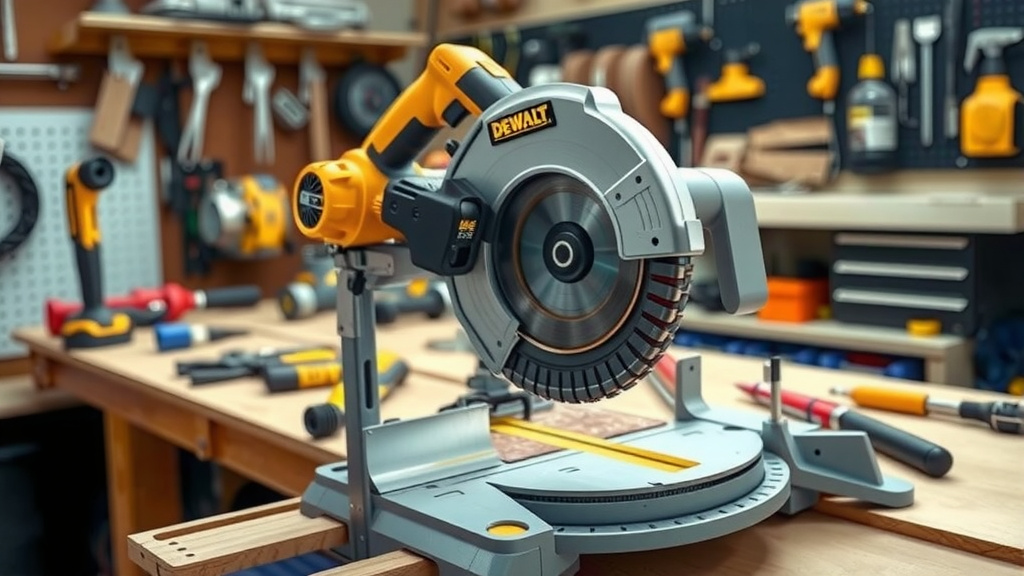
To change a bearing on your DeWalt miter saw, you first need to diagnose the specific bearing that is faulty, then carefully disassemble the saw to access it, remove the old bearing, and press a new one into place before reassembling.
You can identify a failing DeWalt miter saw bearing by unusual noises like grinding or squealing, excessive vibration during operation, or a blade that doesn’t spin freely or has wobble when the power is off.
- First, always unplug your saw for safety.
- Next, carefully take apart the saw, often starting with the blade and guard.
- Then, find the worn bearing within the motor housing or blade assembly.
- Gently remove the old bearing, sometimes needing specialized tools.
- Finally, install the new bearing, reassemble your saw, and test it cautiously.
How To Change Bearing On Dewalt Miter Saw?
Changing a bearing on your DeWalt miter saw involves a few crucial steps, starting with careful disassembly and ending with precise reassembly. This repair can bring your saw back to smooth, quiet operation, making your woodworking projects much more enjoyable.
Understanding Why Bearings Fail
Why do these small parts give out? Bearings wear down over time due to constant friction, heat, and sometimes even dust ingress. We found that the main reasons include heavy use, lack of maintenance, and sudden impacts. Over time, the internal components simply degrade, causing issues.
Signs Your DeWalt Miter Saw Bearing Needs Attention
How can you tell if a bearing is the culprit? Listen closely. A common sign is a grinding, squealing, or rattling noise coming from the motor or blade area. You might also feel excessive vibration during cuts, or notice the blade doesn’t spin as freely as it once did (Many experienced users report this).
Safety First: Before You Start Any Repair
Before touching any part of your miter saw, your first and most important step is safety. Seriously, this isn’t optional. Always make sure the saw is unplugged from the power outlet. This prevents any accidental starts that could lead to serious injury (General safety guidelines consistently stress this point).
Gathering Your Tools: The Right Gear for the Job
Having the right tools makes all the difference for this task. It’s like trying to bake a cake without flour – you just won’t get far! Here’s a basic checklist of what you’ll likely need:
- Wrench set (for blade nut, housing bolts)
- Screwdriver set (Phillips and flathead)
- Snap ring pliers (if applicable for retaining rings)
- Bearing puller (sometimes necessary, especially for tight bearings)
- New DeWalt compatible bearing(s)
- Grease or lubricant (appropriate for bearings)
- Shop rags or towels
- Safety glasses and gloves
Step-by-Step Guide: Disassembling Your DeWalt Miter Saw
This part can feel a bit like performing surgery on your saw. Take your time, and maybe even take photos as you go to remember where everything connects. We found that a systematic approach reduces errors significantly.
Removing the Blade and Guard Assembly
Start by removing the saw blade. This usually involves holding the arbor lock and using a wrench to loosen the blade nut. After the blade is off, you can often remove the blade guard. Always store the blade safely away from the work area.
Accessing the Motor Housing and Arm
Next, you’ll typically need to open up the motor housing. This involves unscrewing various external screws that hold the plastic casing together. Be gentle, as plastic parts can be fragile. Once the housing is open, you will start to see the internal components of the saw.
Locating the Faulty Bearing
With the saw partially disassembled, you can now pinpoint the problematic bearing. Spin different shafts by hand. Does one feel rough, gritty, or make a noise? Many experts say that identifying the correct bearing early saves a lot of rework. Sometimes, bearings are located near the blade arbor, others within the motor itself.
Extracting the Old Bearing: A Delicate Operation
Removing the bearing needs a gentle touch but firm action. Sometimes, bearings are held in place by snap rings, which is where your snap ring pliers come in handy. Other times, they are press-fit into a housing. Using a bearing puller makes this task much easier and safer for the surrounding components.
If you don’t have a puller, you might need to tap the shaft or housing lightly with a rubber mallet, always making sure not to damage other parts. Research often connects gentle, even pressure with successful bearing removal (Industrial maintenance guidelines reinforce this).
Installing the New Bearing: A Fresh Start
Before installing the new bearing, it’s a good idea to clean the area thoroughly. Make sure there’s no old grease or debris. We found that a clean surface ensures the new bearing sits correctly. Carefully align the new bearing and press it into place. You can use a socket that matches the outer diameter of the bearing to tap it in evenly, or a bearing press if you have one.
Some bearings require a specific orientation, so double-check your saw’s manual or any markings. Apply a small amount of appropriate grease if recommended for that specific bearing type (Many manufacturers suggest this for longevity).
Reassembly: Putting Your Saw Back Together
Now, reverse your disassembly steps. Take your time and make sure all screws and fasteners are tightened securely, but do not overtighten. It’s important to ensure no wires are pinched. As you reassemble, check that all moving parts, like the blade guard, move freely and correctly.
| Issue | Possible Cause After Bearing Change | Solution |
|---|---|---|
| Saw still noisy | Another bearing failed, or improper seating | Re-evaluate all bearings; ensure new bearing is flush. |
| Blade wobble | Blade nut not tightened, bent arbor, or incorrect bearing size | Check blade nut, inspect arbor, verify bearing specs. |
| Difficulty spinning | New bearing is too tight, or debris present | Ensure nothing is binding; clean the area again. |
| Motor runs hot | Bearing overtightened, or wrong lubrication | Check bearing fit; use correct, minimal lubrication. |
Testing Your DeWalt Miter Saw
Once everything is back together, plug in the saw and do a quick, *no-load* test run. Listen for unusual noises and watch for excessive vibration. If everything sounds and feels good, perform a test cut on a scrap piece of wood. Always be cautious during the first few uses after a repair.
Maintenance Tips for Bearing Longevity
To keep your new bearings happy and extend their life, a bit of ongoing care goes a long way. Think of it as preventative medicine for your tools. We found that regular cleaning and inspection are key.
Checklist for Prolonged Bearing Life:
- Regularly clean saw, especially around moving parts.
- Inspect bearings for signs of wear during routine maintenance.
- Avoid dropping or hitting the saw, which can impact bearings.
- Store the saw in a clean, dry environment to prevent corrosion.
- Use a shop vac to remove sawdust after each project.
- Do not overload the saw, as this strains the motor and bearings.
Conclusion
Changing a bearing on your DeWalt miter saw might seem daunting at first, but with patience and the right steps, it’s a manageable repair. You’ve learned how to identify the problem, safely disassemble your saw, replace the old bearing with a new one, and reassemble it for optimal performance. Remember, taking your time and prioritizing safety makes all the difference for a successful repair. Enjoy those smooth, quiet cuts once more!
Frequently Asked Questions About DeWalt Miter Saw Bearings
How often should DeWalt miter saw bearings be replaced?
There isn’t a fixed schedule for bearing replacement; it largely depends on usage. For a professional who uses their saw daily, it might be every few years. For a hobbyist, it could be much longer. Replace them when you notice the tell-tale signs of wear like noise or vibration, as discussed earlier.
Can I use any bearing for my DeWalt miter saw?
No, you cannot. It’s crucial to use bearings that are specifically designed for your DeWalt miter saw model. Bearings have precise dimensions and load ratings. Using the wrong type can lead to premature failure, poor performance, or even damage to other components. Always refer to your saw’s parts diagram or owner’s manual for the correct bearing specifications.
Is it possible to lubricate the existing bearings instead of replacing them?
Sometimes, if the bearings are sealed units, they are designed to be “lubricated for life” and cannot be effectively re-lubricated without damaging the seals. If a bearing is already noisy or rough, lubrication might offer a very temporary fix, but replacement is almost always the more lasting and reliable solution for truly worn bearings. Re-lubricating a failing bearing often just delays the inevitable.
What causes a DeWalt miter saw blade to wobble after a bearing change?
If your blade wobbles after changing a bearing, first check that the new bearing is seated correctly and is the right size. Also, ensure the blade nut is tightened properly. Other potential causes include a bent arbor shaft (which holds the blade), or the blade itself might be warped. Always inspect these components carefully when troubleshooting blade wobble.
Where can I find replacement bearings for my specific DeWalt miter saw model?
You can typically find replacement bearings through authorized DeWalt service centers, online parts retailers specializing in power tools, or even general industrial bearing suppliers. Many experts recommend checking your saw’s manual for specific part numbers, which makes finding the exact replacement much easier and more accurate.
