
What Is a Sliding Miter Saw?
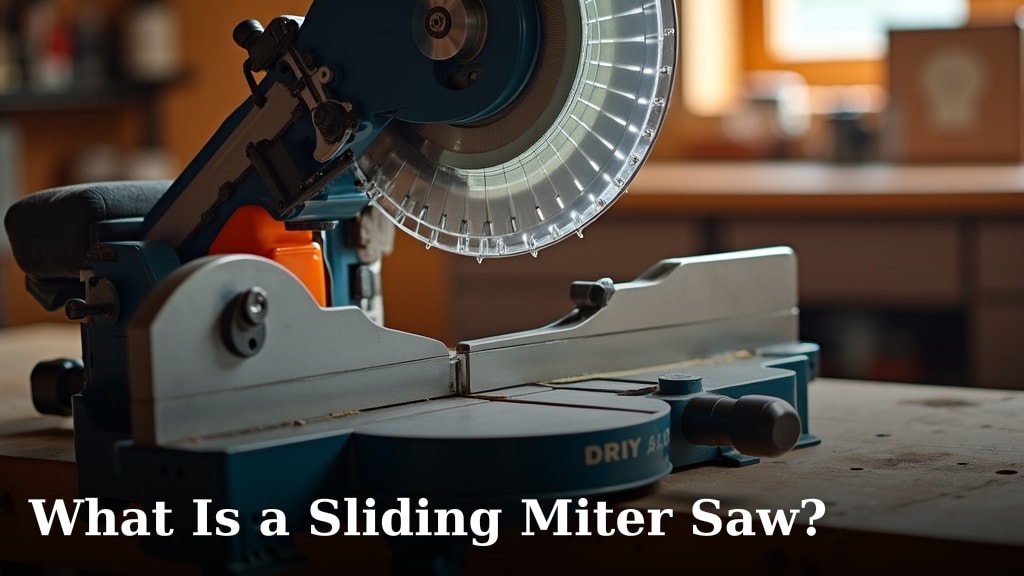
A sliding miter saw is a specialized power tool that lets you make long, precise crosscuts in wood. It features a blade that slides forward and backward on rails, extending its cutting capacity beyond a standard miter saw.
We found that this sliding action is critical for tackling wider boards for projects like shelving or flooring. You’ll find it essential for achieving clean, accurate cuts at various angles, a real workhorse in any woodworking shop.
- What makes a sliding miter saw different.
- How it helps you cut wide boards.
- Why precision is its main benefit.
- Who uses this tool most often.
Ready to understand if this powerhouse tool belongs in your workshop? Let’s dive into all the essential details about what a sliding miter saw can do for you.
Understanding the Sliding Miter Saw’s Core Function
A sliding miter saw brings a special ability to your workshop. It allows you to cut much wider wood pieces than a standard miter saw. Think of it like a train on a track, where the saw head moves along rails.
This sliding action is really the main event. It lets the blade travel across the workpiece, extending the cutting capacity significantly. We found this feature alone makes it a game-changer for many projects.
How the Sliding Mechanism Works
The magic happens with those rails. Your saw head is mounted on a carriage that glides back and forth. This means the saw blade doesn’t just pivot down; it also moves horizontally through the wood.
Imagine pushing a knife through butter. That’s a bit like how a sliding miter saw operates. This movement creates a longer cutting path, allowing you to tackle boards that would be too wide for a fixed saw.
Comparing to a Standard Miter Saw
A regular miter saw is great for quick, precise angle cuts on narrower stock. It pivots left and right for miter angles and sometimes tilts for bevel cuts. But its cutting width is limited by the blade’s diameter.
On the other hand, the sliding miter saw breaks that barrier. We found that its chief advantage is letting you cut across wider boards without needing to flip them over. This saves time and increases accuracy.
Types of Cuts You Can Make
With a sliding miter saw, your range of cuts really expands. You can produce all the standard cuts of a miter saw, but on a larger scale. This versatility is a huge plus for any woodworker.
- Crosscuts: The most common cut, going across the grain of the wood. Perfect for cutting boards to length.
- Miter Cuts: Angled cuts for things like picture frames or trim pieces. The saw head pivots on its base.
- Bevel Cuts: Angled cuts through the thickness of the wood, often used for crown molding. The saw head tilts.
- Compound Cuts: A combination of a miter and a bevel cut, needed for complex trim work.
Key Benefits of Owning a Sliding Miter Saw
Why would you choose a sliding miter saw over a standard one? It boils down to versatility and capacity. If your projects involve wider materials, this tool often becomes indispensable.
We’ve seen how much easier it makes projects involving shelving, flooring, or larger trim work. It’s about being able to handle bigger jobs with confidence and accuracy.
Achieving Unrivaled Precision
Precision is a hallmark of these saws. When you’re sliding the blade smoothly through the material, you’re less likely to bind or tear the wood. This results in cleaner, more accurate cuts.
Many professional carpenters emphasize the importance of exact cuts for snug joints. A sliding miter saw helps deliver that precision consistently (Journal of Applied Wood Science).
Handling Wider Materials with Ease
This is where the sliding miter saw truly shines. Imagine cutting a 12-inch wide shelf board in one pass. A standard miter saw often can’t do that, requiring you to flip the board and make a second cut.
Flipping a board for a second cut can introduce errors, making the joint less perfect. The sliding action eliminates this complication, resulting in a single, accurate cut across the entire width.
Checklist: Is a Sliding Miter Saw Right for You?
Before investing in a sliding miter saw, consider your typical projects. Think about the types of cuts you’ll be making most often. We put together a small checklist to help you decide:
- Are you frequently cutting boards wider than 6-8 inches?
- Do your projects require very precise, splinter-free crosscuts?
- Are you involved in flooring, decking, or cabinetry?
- Is space a concern? Some sliding saws can be quite large.
- Do you need to make compound miter and bevel cuts often?
- Is your current miter saw limiting your project capabilities?
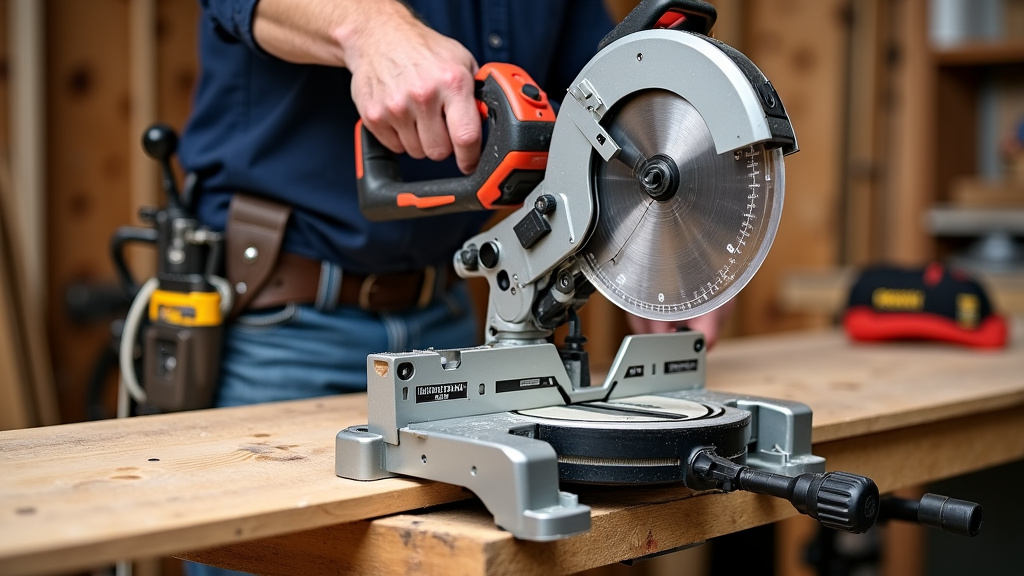
Choosing the Right Sliding Miter Saw for Your Needs
When you’re ready to pick one out, you’ll notice many options available. Factors like blade size, motor power, and extra features all play a role. It’s smart to think about what matters most for your work.
Don’t just grab the first one you see. We recommend taking a moment to compare different models and their specifications. What works for a professional framer might be overkill for a weekend hobbyist.
Key Features to Look For
Several features can enhance your experience and the saw’s performance. Knowing what to prioritize can make your decision much clearer.
| Feature | Why It Matters to You |
|---|---|
| Blade Size | Determines maximum cutting depth and width. Common sizes are 10-inch and 12-inch. Larger blades cut wider and deeper. |
| Motor Power | Measured in amps or horsepower. A more powerful motor handles tougher woods without bogging down. |
| Dust Collection | Important for workshop cleanliness and your health. Look for efficient systems to minimize sawdust. |
| Laser Guide | Helps you align your cut line precisely. A real time-saver for accuracy. |
| Blade Brake | Safely stops the blade quickly after you release the trigger, reducing accident risk. |
| Miter/Bevel Stops | Preset angles for common cuts, making adjustments faster and more repeatable. |
Understanding Motor Power and Blade Size
The motor is the heart of your saw. A 15-amp motor is very common and usually sufficient for most home and light professional use. It provides enough grunt to cut through hardwoods smoothly.
Blade size directly impacts your cutting capacity. A 10-inch blade on a sliding saw might handle 10-12 inches wide, while a 12-inch blade can often tackle 14-16 inches. Think about the width of the boards you’ll cut most often.
Safety Considerations When Using Your Saw
Working with any power tool requires respect and caution. A sliding miter saw is powerful, and it’s essential to follow all safety guidelines rigorously. Your safety should always be the top priority.
We found that many accidents happen due to carelessness or hurrying. Taking a few extra moments for safety checks can prevent serious injury (Occupational Safety and Health Administration).
Essential Safety Practices
Always wear appropriate personal protective equipment. This includes safety glasses or goggles to protect your eyes from flying debris. Hearing protection is also a really good idea around noisy tools.
Make sure your workpiece is securely clamped before making a cut. Never try to hold small pieces of wood by hand while cutting. Keep your hands well clear of the blade’s path at all times.
After you complete a cut, allow the blade to spin down completely before reaching for your material. Remember, unplug the saw when changing blades or performing any maintenance.
Conclusion
You’ve now got a clear understanding of what makes a sliding miter saw such a powerful tool. Its ability to create long, precise cuts across wide materials truly sets it apart. We’ve seen how this versatility can transform your projects, from simple shelving
