
How To Replace Power Cord On Miter Saw?
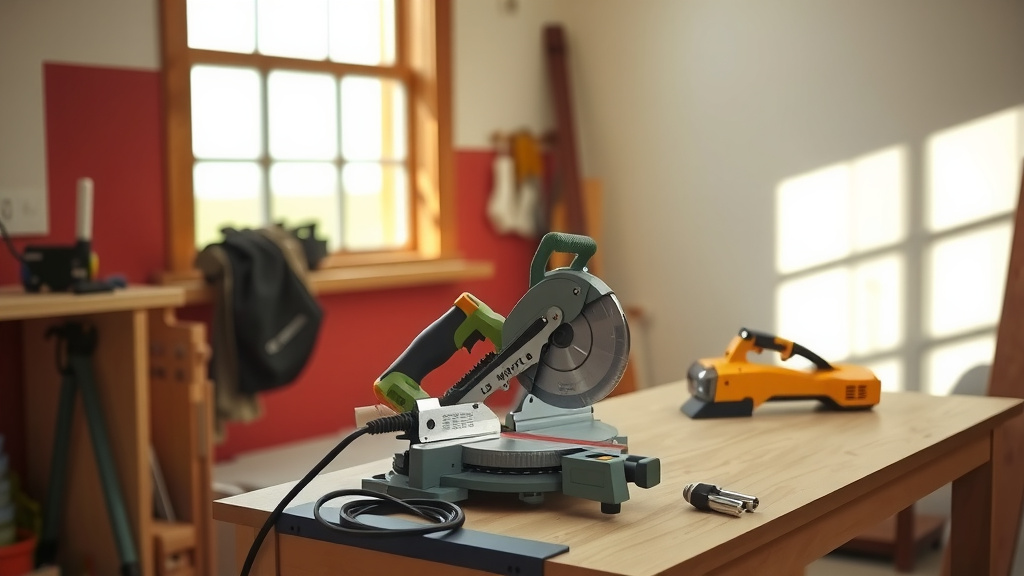
To replace a power cord on a miter saw, first ensure the saw is unplugged. Then, locate and open the wiring compartment, usually near the cord entry point. Carefully disconnect the old cord’s wires, noting their positions, and attach the new cord’s wires to the corresponding terminals before reassembling.
This process typically involves basic hand tools like screwdrivers and wire strippers, and always requires selecting a replacement cord with the correct gauge and length for your specific miter saw model.
- Unplug your miter saw immediately to prevent electrical shock.
- Open the motor housing or cord compartment to expose the wiring.
- Take a picture or make a diagram of the existing wire connections.
- Disconnect the old cord wires and remove any clamps holding it in place.
- Strip the new cord’s wires, connect them, and secure the cord properly.
- Close up the saw, plug it in, and perform a quick test before use.
How To Replace Power Cord On Miter Saw?
Replacing the power cord on your miter saw involves a few straightforward steps, primarily focusing on safety and correct wiring. You’ll need to carefully access the internal connections, swap out the old cord, and secure the new one properly.
Why Would Your Miter Saw Cord Need Replacing?
Have you ever noticed a frayed cord on your trusty miter saw? It happens. Cords can suffer damage over time from being stepped on, pinched, or simply from constant bending and flexing during use. A damaged cord isn’t just an annoyance; it’s a serious safety risk.
Signs of a Damaged Power Cord
Look for obvious visual cues. We found that cracks in the insulation, exposed wires, or a noticeable cut are clear indicators. You might also experience intermittent power or sparks when the saw is running (OSHA guidelines frequently highlight cord integrity).
Sometimes, the damage isn’t visible externally. If your saw stops working unexpectedly or loses power, the cord’s internal wires might be broken. It’s like a hidden snag in a fishing line – you can’t see it, but it stops the flow.
Is It Safe to Replace a Miter Saw Cord Yourself?
For many DIYers, replacing a miter saw cord is a manageable task. However, it absolutely requires careful attention to detail and following safety protocols. If you’re uncomfortable with basic wiring, it’s always best to seek professional help.
When to Call a Pro
If your saw is under warranty, replacing the cord yourself might void it. Many experts say to consult the manufacturer first (Consumer Reports). Also, if you notice any complex wiring beyond simple two or three-wire connections, a qualified technician is a safer bet.
Essential Tools and Supplies for Cord Replacement
Before you start, gather everything you’ll need. Being prepared makes the job much smoother, like having all your ingredients ready before baking.
- New Replacement Power Cord: Ensure it matches the saw’s amperage and voltage.
- Screwdriver Set: Phillips and flat-head often required.
- Wire Strippers: For cleanly preparing the new cord’s ends.
- Pliers: For gripping and bending wires if needed.
- Electrical Tape: For reinforcing connections, if necessary.
- Multimeter (Optional): Useful for checking continuity.
- Camera or Smartphone: To document existing wiring.
- Safety Glasses: Always protect your eyes when working.
Choosing the Right Replacement Cord
This is where precision matters. We found that most miter saws use a 14-gauge or 16-gauge cord, but check your saw’s manual or the old cord for specifics. The length should be similar to the original to avoid inconvenient stretching or excess slack (UL standards provide wire gauge recommendations).
Also, ensure the new cord has the correct plug type for your outlets. Most home tools use a standard three-prong grounded plug. Don’t compromise on cord quality; a heavier-duty cord can withstand more abuse over time.
Step-by-Step Guide: Replacing Your Miter Saw Power Cord
Ready to get your hands dirty? Let’s walk through the process together. Remember, slow and steady wins the race, especially with electrical repairs.
Step 1: Safety First! Disconnect Power
This cannot be stressed enough: UNPLUG YOUR MITER SAW from the wall outlet. Even if the saw is off, residual power can still be present. Think of it as turning off the main water valve before fixing a leaky faucet.
Step 2: Accessing the Wiring Compartment
Locate the cover plate where the power cord enters the saw’s housing. It’s usually secured by a few screws. Carefully remove these screws and set them aside. The goal is to expose the internal wiring connections.
Step 3: Documenting Connections
Before touching any wires, grab your phone and take clear photos of how the old cord is connected. Note the color of each wire and where it attaches. This visual aid is invaluable when connecting the new cord, preventing mix-ups.
Step 4: Removing the Old Cord
Loosen the terminal screws that hold the old cord’s wires in place. You might see a black (hot), white (neutral), and green (ground) wire. Also, remove any strain relief clamp or grommet holding the cord to the housing. Pull the old cord out once everything is disconnected.
Step 5: Preparing the New Cord
Using your wire strippers, carefully strip about 1/2 to 3/4 inch of insulation from the ends of the new cord’s wires. Twist the strands of each wire tightly to prevent fraying. This ensures a solid electrical connection.
Step 6: Connecting the New Cord
Feed the new cord through the housing opening. Refer to your photos and connect the new wires to their corresponding terminals. Typically, green goes to ground, white to neutral, and black to hot. Tighten the terminal screws firmly, making sure no bare wire strands are loose.
Step 7: Securing and Reassembling
Reinstall the strain relief clamp or grommet around the new cord. This prevents tension on the internal wiring if the cord is pulled. Double-check all connections, then carefully replace the cover plate and secure it with its screws.
Step 8: Testing Your Miter Saw
Plug your miter saw into a working outlet. Briefly turn it on to ensure it operates correctly. Listen for any unusual sounds and observe if it powers up smoothly. If it works, you’re good to go!
Troubleshooting Common Issues After Cord Replacement
Sometimes, things don’t go perfectly on the first try. Don’t panic! We found that most issues are minor and easily fixable. Here’s a quick guide:
| Issue | Possible Cause | Simple Fix |
|---|---|---|
| Saw won’t turn on | Loose wire connection, tripped breaker | Check all wire terminals, reset breaker, test outlet |
| Saw sparks or smokes | Incorrect wiring, short circuit | Immediately unplug, recheck wiring diagram carefully |
| Intermittent power | Poor connection, frayed wire inside | Inspect terminal screws, re-strip and reconnect wires |
| Cord feels hot | Overloaded circuit, incorrect gauge cord | Unplug, ensure correct cord gauge, check for other devices |
Maintaining Your Miter Saw Cord for Longevity
Once you’ve replaced the cord, you’ll want to keep it in good shape. Many experts suggest avoiding sharp bends and storing your saw in a way that prevents the cord from being crushed or tangled. Treat your cord with care, and it will serve you well.
Regularly inspect the cord for any signs of wear. A quick visual check before each use can save you from future repairs and potential hazards. It’s like checking your car tires before a long trip; a little prevention goes a long way.
Conclusion
Replacing a miter saw power cord can feel daunting, but with the right tools and a careful, step-by-step approach, it’s a manageable repair. Remember to prioritize safety above all else – always unplug the saw before you begin. By following these guidelines, you can restore your miter saw to full working order and continue your projects safely and efficiently. Your saw, and your peace of mind, will thank you for it.
How often should a miter saw power cord be inspected?
You should inspect your miter saw’s power cord before each use, especially if it’s a tool that gets heavy use or is transported frequently. A quick visual check for cuts, frays, or damage can prevent accidents.
Can I use any electrical cord as a replacement for my miter saw?
No, you should not use just any cord. It’s important to match the gauge (thickness) and amperage rating of the original cord or consult your saw’s manual. Using an undersized cord can lead to overheating and potential fire hazards.
What does “strain relief” mean in the context of a power cord?
Strain relief is a device or mechanism that secures the power cord to the tool’s housing. It prevents the internal wire connections from being pulled or stressed when the cord is tugged, protecting them from damage.
My miter saw has a complex plug with multiple prongs. Can I still replace the cord myself?
If your miter saw has a specialized plug beyond the standard three-prong design, it might involve more complex wiring. We found that consulting a qualified electrician or an authorized service center is often the safest choice in such cases.
Are there situations where a damaged cord indicates a deeper internal problem with the saw?
Yes, sometimes a repeatedly damaged cord, especially near the entry point, could suggest internal movement or rubbing. If you notice persistent cord issues even after replacement, or if the saw itself seems to have performance problems, it’s wise to have it inspected by a professional.
