Is a Dual Bevel Miter Saw Worth the Upgrade?
On this page (7 sections)
Yes, a dual bevel miter saw is often worth the upgrade, especially if you find yourself making frequent angled cuts. It can save you a lot of time and frustration by allowing you to make compound cuts in a single pass. This makes tackling tricky projects much simpler.
Unlike a single bevel saw that only tilts one way, a dual bevel model tilts in both directions. This means you can cut angles on both the left and right sides of your workpiece without having to flip it over. Many woodworkers we’ve researched found this feature to be a huge time-saver for crown molding and trim work.
- What is a dual bevel miter saw? It tilts both left and right for compound cuts.
- Is it worth it? For frequent angled cuts, yes, it saves time.
- Key benefit: Avoids flipping the workpiece for angled cuts.
- Best for: Trim work, crown molding, and complex framing.
Let’s break down exactly what makes a dual bevel saw a great addition to your workshop and who can benefit the most from this upgrade. Learn more about what makes a dual bevel miter saw a great addition to your workshop.
Should You Upgrade to a Dual Bevel Miter Saw?
This is the big question on many woodworkers’ minds. You’ve likely seen them advertised and wondered if that extra tilt capability is truly worth the higher price tag. We’ve looked into it, and the answer really depends on how you use your saw. If you’re frequently cutting angles on trim, crown molding, or framing, the answer is probably a resounding yes.
A single bevel miter saw is a fantastic tool. It lets you cut angles in one direction. But when you need to make the same angle cut on the opposite side of your workpiece, you have to flip the wood over. This can be awkward, especially with long pieces. A dual bevel saw eliminates this step, saving you time and reducing the chances of error. Think of it as a way to streamline your workflow.
Understanding the Mechanics: Single vs. Dual Bevel
Let’s break down what makes these saws different. The bevel adjustment is what we’re talking about here. It controls the angle of the blade relative to the saw’s base. This allows for angled cuts, known as miter cuts.
The Single Bevel Advantage (and Limitation)
With a single bevel miter saw, the blade can tilt in only one direction. This is usually to the left. It’s perfect for making standard miter cuts for things like picture frames or basic shelving. You set your miter angle, tilt the blade to the desired bevel angle (say, 45 degrees), and make your cut. It’s a straightforward process.
The limitation, however, comes into play when you need to make a compound cut. A compound cut involves both a miter angle and a bevel angle. Imagine installing crown molding. You often need to cut it at an angle that mimics how it sits against the wall and ceiling. With a single bevel saw, if you need that same angle but mirrored on the other side of the room, you’d have to flip the molding and potentially readjust the saw or your workpiece. This can lead to inconsistent results if you’re not careful.
The Dual Bevel Difference: What It Does For You
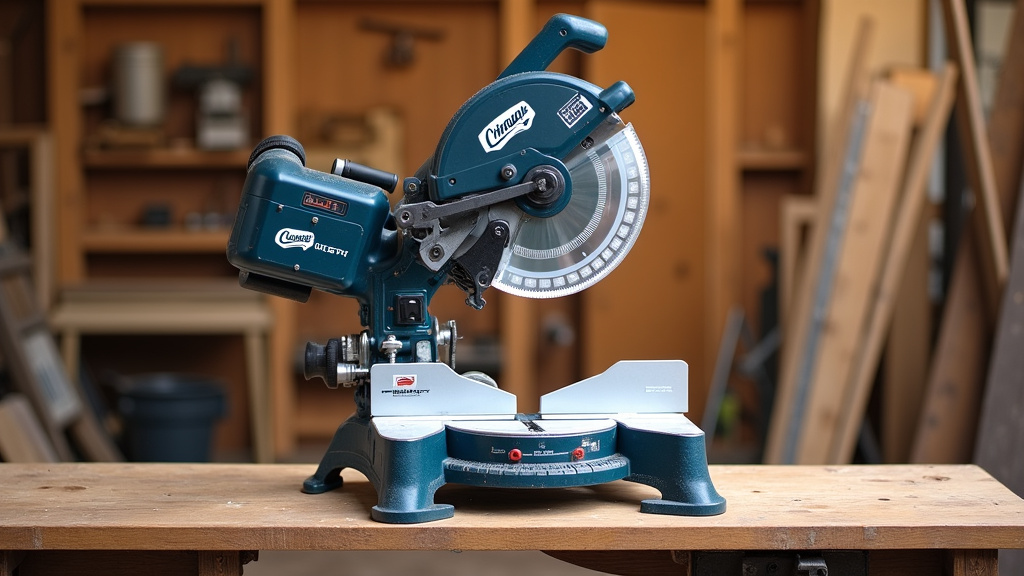
A dual bevel miter saw, on the other hand, tilts left and right. This is a game-changer for compound cuts. You can set your miter angle and then tilt the blade to the left or right bevel angle. The real magic happens when you need to cut the opposite side. You simply adjust the bevel in the other direction, keeping the miter angle the same. You don’t need to flip your workpiece.
This capability is especially useful for specific applications. We found that trim carpenters and remodelers often consider this feature indispensable. Think about cutting corner trim. You need angled cuts on both ends, and often these angles need to be mirrored. A dual bevel saw handles this with ease. It really speeds up the process and makes it much more accurate.
When Does the Upgrade Make Sense?
So, is it always worth it? Not necessarily for everyone. Let’s look at who benefits most from this upgrade.
The Weekend Warrior vs. The Pro (or Serious Hobbyist)
If you only use your miter saw a few times a year for basic projects, like building a simple bookshelf or cutting some 2x4s for a deck, a single bevel saw might be perfectly adequate. The added cost of a dual bevel might not justify the infrequent use.
However, if you find yourself doing projects that involve crown molding, intricate trim work, stair railings, or anything requiring repeated compound angles, then you’ll likely find a dual bevel saw to be a fantastic investment. Many DIYers who tackle more involved renovations or build custom furniture discover that the time saved and frustration avoided make the upgrade well worth the money.
Time is Money (and Sanity)
Let’s consider the practical implications. Fumbling with flipping boards, recalculating angles, and hoping you got it right the second time around eats up valuable workshop time. For professionals, this directly translates to lost income. For hobbyists, it means less time enjoying the craft and more time wrestling with the tools. Research consistently shows that time savings are the primary driver for upgrading to a dual bevel model.
We’ve heard from many woodworkers who say that once they experienced the ease of dual bevel cutting, they couldn’t imagine going back. It’s not just about speed; it’s about reducing the mental load involved in complex cuts. You can focus more on the accuracy of your measurements and less on the mechanics of positioning the workpiece.
Key Benefits of a Dual Bevel Miter Saw
Beyond the core functionality, there are other advantages to consider when making the switch.
Compound Cuts Made Simple
This is the main event. Installing crown molding, for instance, requires cutting the molding upside down and backward compared to its finished orientation. A dual bevel saw allows you to set the correct compound angle and simply tilt left or right to cut both the left and right pieces without flipping. This is a huge advantage for this type of work. Many installation guides will recommend a dual bevel saw for this reason.
Accuracy and Consistency
Flipping a workpiece can introduce errors. You might not place it in the exact same position or angle. With a dual bevel saw, you maintain a consistent setup. This leads to more precise cuts and cleaner joints. This level of accuracy is particularly important when you need pieces to fit together perfectly, like with intricate trim or fine woodworking.
Reduced Material Waste
When you have to make a cut and then flip the wood, there’s always a chance of error. If a cut is off, especially on an expensive piece of wood or molding, you might have to discard it. By reducing the need to flip and reposition, you minimize the opportunities for mistakes, leading to less wasted material.
Improved Ergonomics and Safety
Maneuvering large or awkward pieces of material to flip them can be cumbersome and potentially unsafe. A dual bevel saw allows you to make cuts on either side of the blade without significant repositioning of the workpiece. This can lead to a more ergonomic and safer operation, reducing strain and the risk of accidents.
What to Look For in a Dual Bevel Miter Saw
If you’ve decided to upgrade, there are a few features that can enhance your experience.
Cutting Capacity
Consider the size of the materials you’ll be cutting. Can the saw handle the width and depth you need? Check the specifications for crosscut capacity and depth of cut. Many dual bevel saws offer impressive capacities, but it’s always wise to verify for your specific needs.
Blade Size and Power
Common blade sizes are 10-inch and 12-inch. Larger blades generally offer greater cutting capacity. Also, consider the motor’s horsepower. A more powerful motor will handle denser woods and repeated use with less strain. We found that saws with at least 15 amps typically offer good performance for most tasks.
Miter and Bevel Detents
Detents are preset stops at common angles (like 0, 15, 22.5, 31.6, and 45 degrees). These make it quick and easy to set accurate angles without guessing. Good quality detents offer precise engagement and easy adjustment. Some saws also offer adjustable detents for custom angles, which can be a nice bonus.
Dust Collection
Miter saws generate a lot of sawdust. A good dust collection port that can be easily connected to a shop vac or dust collector system is essential for keeping your workspace clean and reducing airborne dust. Some designs are better than others at capturing dust effectively. Look for systems that offer high capture rates.
Here’s a quick checklist to help you decide if a dual bevel miter saw is the right move for your workshop:
- Do you frequently cut crown molding or intricate trim?
- Do you often need to make compound cuts (miter + bevel)?
- Do you find yourself flipping workpieces to make mirrored angled cuts?
- Are you looking to save time and reduce frustration on projects?
- Is your budget comfortable with a slightly higher initial investment?
- Do you tackle renovations or more complex DIY projects regularly?
If you answered “yes” to most of these, then you are likely ready to enjoy the benefits of a dual bevel miter saw. It’s an upgrade that can genuinely transform your woodworking experience.
Conclusion
So, is a dual bevel miter saw worth the upgrade? For many woodworkers, especially those tackling trim, crown molding, or any project requiring repeated compound cuts, the answer is a resounding yes. You’ve seen how it eliminates the frustrating need to flip your workpiece, saving you precious time and reducing the chance of errors. It’s not just about speed; it’s about simplifying complex cuts and improving the accuracy of your final project. If your current saw feels limiting, consider if the investment in a dual bevel model aligns with your project goals and workshop needs. You can also compare the value of a Festool miter saw.
Ready to make that leap? Research models that fit your budget and specific cutting requirements, and you’ll likely find it a tool that transforms your woodworking.
Frequently Asked Questions
How much more expensive are dual bevel miter saws than single bevel models?
Dual bevel miter saws typically come with a higher price tag. You can expect to pay anywhere from 50% to 100% more, depending on the brand and features. We found that the added cost often reflects the more complex mechanism and the convenience it offers.
Can a single bevel saw do compound cuts?
Yes, a single bevel saw can perform compound cuts. However, it requires you to flip the workpiece to make the opposite angle cut. This process can be time-consuming and sometimes leads to slight inaccuracies compared to a dual bevel saw.
What kind of projects most benefit from a dual bevel miter saw?
Projects like installing crown molding, detailed trim work, custom framing, and any task involving repeated angled cuts on opposite sides of a piece are where a dual bevel saw truly shines. We’ve seen many users report significant time savings on these specific jobs.
Are dual bevel miter saws harder to use for beginners?
The basic operation of setting angles is similar for both single and dual bevel saws. While the added beveling capability might seem complex, most users find them intuitive once they understand the basic adjustments. We suggest practicing on scrap wood to get comfortable.
Is a 10-inch or 12-inch dual bevel miter saw better?
A 12-inch saw generally offers a wider cutting capacity, allowing you to cut larger boards. However, 10-inch saws are often more portable and less expensive. For most home DIYers and even many professionals, a 10-inch dual bevel saw provides ample capability.