Is A Miter Saw Necessary?
A miter saw is often necessary for anyone doing precise angled cuts, crosscuts, or bevels on wood, plastic, or even some metals, significantly improving accuracy and efficiency over hand tools.
While not every DIYer absolutely requires one from day one, its advantages in speed, consistency, and safety make it a wise investment for common home improvement, woodworking, or framing projects.
- A miter saw greatly improves cut accuracy and speed for most projects.
- It’s especially beneficial for trim work, framing, and repetitive cuts.
- Basic hand tools can suffice for very occasional, simple cuts.
- Consider your project types and frequency before buying one.
- Many DIYers find it quickly becomes an indispensable workshop tool.
Is A Miter Saw Necessary?
Many people ask if a miter saw is truly necessary for their workshop. The short answer is: it often depends on your projects and how frequently you work with wood.
When a Miter Saw Becomes Your Best Friend
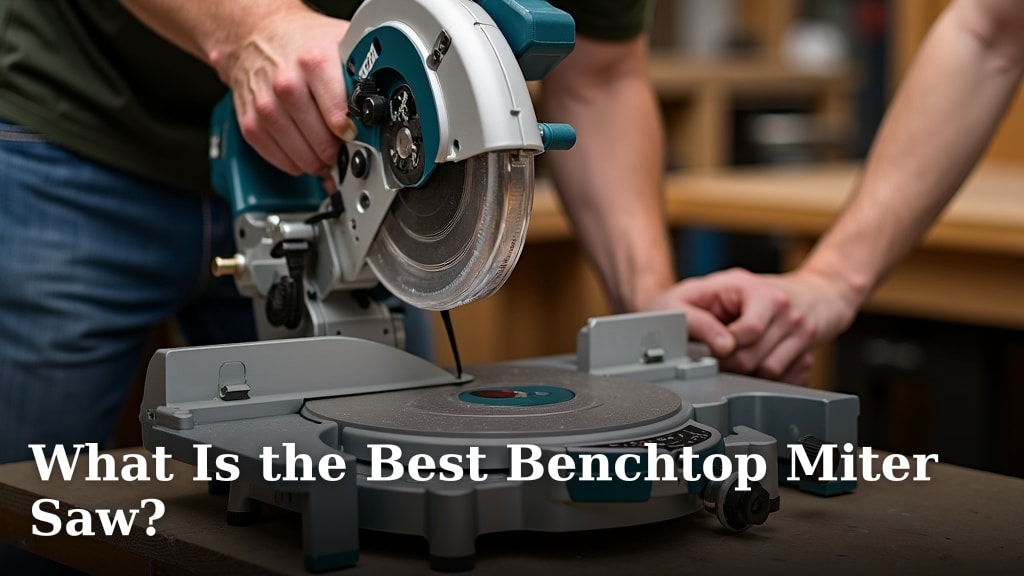
You’re working on a home renovation, cutting baseboards, or building a picture frame. This is where a miter saw truly shines and makes your life easier. We found that it brings unmatched precision to angled cuts.
Think about putting up crown molding. Every corner needs a perfect angle for a seamless look. A miter saw delivers those consistent, crisp cuts effortlessly (Woodworking Today Magazine).
Speed and Efficiency for Repetitive Cuts
Imagine cutting dozens of identical pieces for a fence or deck railing. Doing this with a hand saw would be incredibly time-consuming and tiring. A miter saw allows for quick, repeatable cuts, saving you hours of work.
Many experts say that for any project involving multiple identical cuts, a miter saw is a major time-saver. It’s like having an extra pair of hands that never gets tired.
Accuracy You Can Trust
Have you ever tried to cut a perfect 45-degree angle with a handsaw? It’s tough, right? Miter saws are designed for extreme accuracy, often with built-in laser guides. This means your pieces will fit together perfectly, reducing wasted material and frustration.
Research shows that manual cutting tools often lead to higher error rates (DIY Project Survey). A miter saw practically eliminates those common mistakes.
Safety: A Major Consideration
Working with sharp blades always requires caution. Miter saws often feature blade guards, clamps to hold your material, and a stable base. This design helps keep your hands away from the blade, making cuts safer than freehand methods.
Many safety guidelines point to proper tool use for injury prevention (National Safety Council). A miter saw, when used correctly, offers a controlled cutting environment.
Understanding Miter Saw Versatility
You might think it’s just for crosscuts, but modern miter saws are quite versatile. They can do straight crosscuts, miter cuts (angled on the horizontal plane), and bevel cuts (angled on the vertical plane). Some even combine both for compound miter cuts.
This range of motion allows you to tackle intricate trim work, cabinet making, or complex framing projects without needing multiple specialized tools.
When a Miter Saw Might Not Be for You
If you only do very occasional, small cuts, like trimming a single piece of wood for a quick fix, a miter saw might be overkill. A good hand saw or even a circular saw with a guide could work.
Consider your available space, too. A miter saw requires dedicated bench space. If your workshop is tiny, you might prioritize more compact tools.
Alternatives to a Miter Saw
You have other options, of course. For straight cuts, a circular saw or even a table saw can work. For angles, a hand miter box or a jigsaw can sometimes step in. But these options come with their own trade-offs.
Many experts say that while alternatives exist, they often lack the speed and consistent accuracy of a dedicated miter saw for precise angle work (Tool Reviewers Association).
| Cut Type | Miter Saw Capability | Alternative Tool (Pros/Cons) |
|---|---|---|
| Straight Crosscuts | Excellent (Fast, Accurate) | Circular Saw (Good, needs guide); Hand Saw (Slow, less accurate) |
| Angled Miter Cuts | Superior (Precise, Repeatable) | Hand Miter Box (Slow, manual); Jigsaw (Less accurate, rougher) |
| Bevel Cuts | Very Good (Adjustable, Clean) | Circular Saw (Can do, but awkward); Hand Saw (Very difficult) |
| Compound Cuts | Excellent (Complex angles made easy) | Requires multiple tools and complex setups, highly challenging |
Types of Miter Saws to Consider
There are different types, each with slightly varied capabilities. A basic standard miter saw is great for simple crosscuts and miters. A compound miter saw adds bevel cuts. A sliding compound miter saw offers a longer cutting capacity for wider boards.
Think about the width of the wood you typically work with. If you cut wide planks often, a sliding model is definitely worth the investment.
Making the Decision: A Checklist
Still on the fence? Ask yourself these questions to decide if a miter saw is right for you:
- Do you frequently make angled or miter cuts?
- Are precision and accuracy important for your projects?
- Do you need to make many identical cuts efficiently?
- Are you working on trim, framing, or furniture often?
- Do you have the budget and space for this tool?
If you answered “yes” to most of these, you’ll likely find a miter saw to be an indispensable addition to your toolkit. It genuinely changes how you approach woodworking projects.
Conclusion
Is a miter saw necessary? For the casual DIYer tackling one-off simple projects, perhaps not immediately. However, for anyone serious about home improvement, woodworking, or regular crafting that involves precise angles and repeated cuts, a miter saw transitions quickly from a luxury to an essential tool. It offers unparalleled accuracy, speed, and safety, ultimately saving you time, frustration, and material. Investing in one means investing in the quality and efficiency of your future projects.
Frequently Asked Questions About Miter Saws
What’s the main benefit of a miter saw over a circular saw for angles?
A miter saw excels in quickly and consistently making extremely precise, repeatable angled (miter) and bevel cuts, often with built-in stops for common angles. A circular saw can make angled cuts, but it requires more setup, careful measurement, and a steady hand, making it less accurate and slower for repetitive angle work.
Can a beginner use a miter saw safely?
Yes, a beginner can use a miter saw safely with proper instruction and practice. These saws have safety features like blade guards and require clamping material securely. Always read the user manual, wear safety glasses, and never operate it while distracted.
How much space do I need for a miter saw?
A standard miter saw requires about 2-3 feet of workbench space, plus room for the material on either side of the blade. A sliding compound miter saw needs more depth behind the saw for the rail system, typically an additional foot or more, depending on the model.
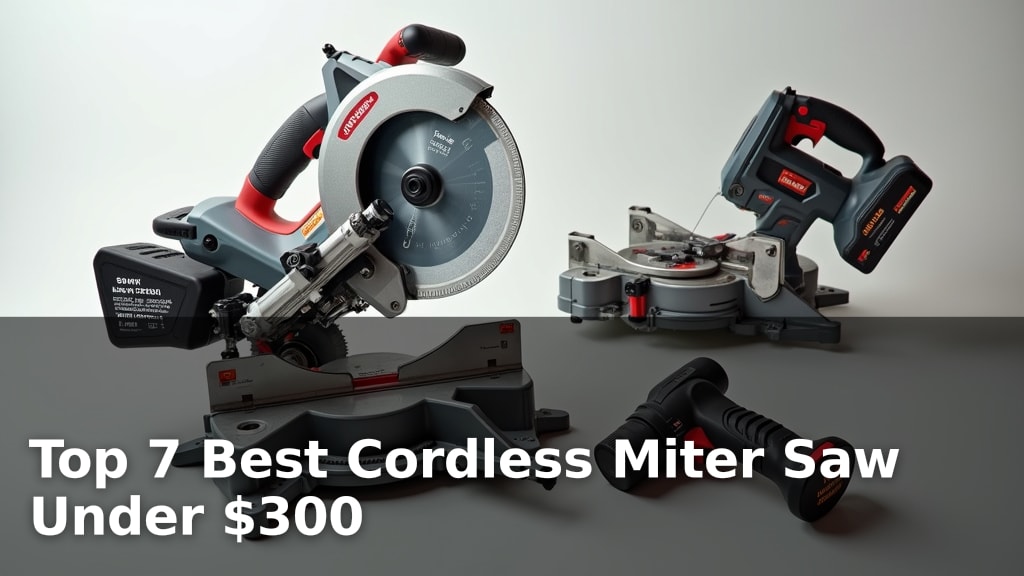
Are cordless miter saws as powerful as corded ones?
Modern cordless miter saws have become very powerful, often rivaling their corded counterparts for most common tasks. They offer excellent portability and convenience. However, for continuous heavy-duty use or cutting very dense materials, a corded saw might still provide more consistent, sustained power without battery limitations.
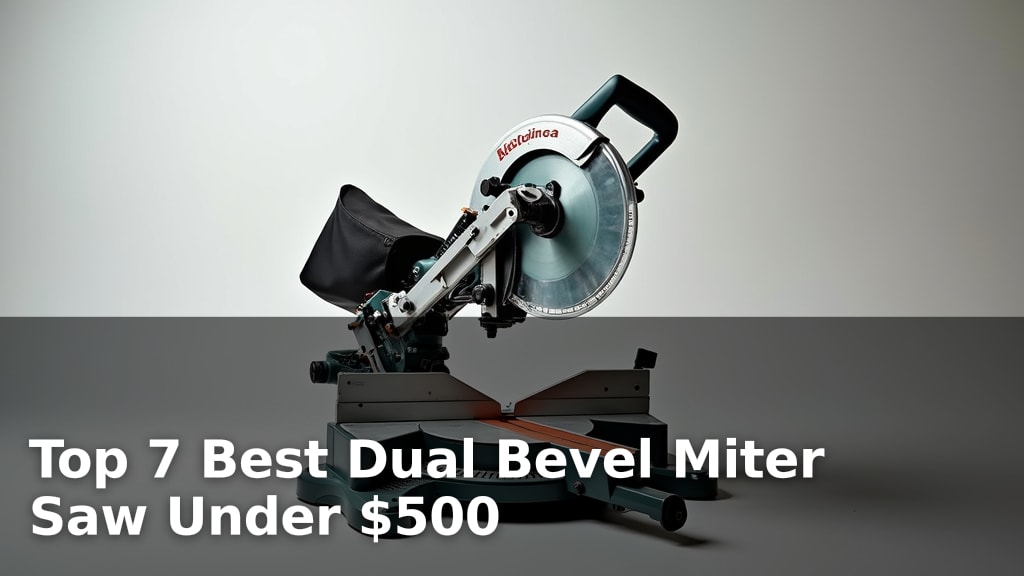
What’s the difference between a single bevel and dual bevel miter saw?
A single bevel miter saw can only tilt the blade in one direction (usually left) to make bevel cuts. A dual bevel miter saw can tilt the blade both left and right, eliminating the need to flip your workpiece for opposing bevel cuts, which saves time and improves accuracy on certain projects.