What Accessories Do Professional Trim Carpenters Use?
On this page (8 sections)
- The Essential Gear for Precision Trim Carpentry
- Cutting Edge: Blades and Saw Accessories
- Holding it All Together: Fasteners and Nail Guns
- Precision and Accuracy: Measuring and Marking Tools
- Comfort and Safety: Protecting Your Investment
- The Backbone of the Operation: Tool Bags and Organizers
- Conclusion
- Frequently Asked Questions
Professional trim carpenters rely on a specific set of high-quality tools and accessories to achieve precise results. These include a powerful yet lightweight miter saw, a versatile nail gun, and an array of measuring and marking tools like tape measures and chalk lines. Having the right gear makes all the difference in speed and accuracy.
Beyond the big tools, smaller accessories play a huge role. Think about specialized saw blades for clean cuts and durable tool belts to keep everything close at hand. Many pros also use safety equipment like ear protection and safety glasses to work comfortably and safely on any jobsite.
TL;DR:
- Key tools: miter saw, nail gun, tape measure.
- Essential accessories: specialized blades, tool belts, safety gear.
- Precision matters for trim work.
- The right tools save time and improve finish quality.
Ready to see what makes a trim carpenter’s toolkit truly professional? Let’s dive into the specific accessories that help them create those clean lines and perfect fits.
The Essential Gear for Precision Trim Carpentry
So, what separates a pro trim carpenter from someone just starting out? It’s often the tools and, just as importantly, the accessories they use. These aren’t just any tools; they’re the carefully chosen companions that help create those flawless finishes you see in high-end homes. Think of them as the artist’s brushes and palettes.
You might be surprised how much detail goes into selecting the right accessories. It’s not just about owning the tools, but about how you use them and what supports them. We’re going to break down the must-have accessories that help trim carpenters work faster, safer, and with incredible accuracy.
Cutting Edge: Blades and Saw Accessories
The saw is king in trim carpentry, but the blade makes the cut. For trim work, you need blades that leave a smooth, splinter-free edge. Standard blades often aren’t up to the task. Pros invest in specialized blades designed for fine cuts. Pros invest in specialized blades designed for fine cuts; our guide explains how to choose the right miter saw blade.
Fine-Tooth Blades for Cleanliness
You’ll often see professional trim carpenters using fine-tooth blades on their miter saws. These blades have more teeth per inch than standard blades. This means they remove less material with each pass. The result is a much cleaner cut with fewer splinters. This is especially important when working with delicate woods like oak or maple.
Research shows that using the right blade can drastically reduce sanding time. This is a huge time saver on any project. We found that blades with 80 or more teeth are common for trim work. Your saw’s manual will tell you the maximum tooth count it can handle.
Blade Storage and Maintenance
Keeping these specialized blades in good condition is also key. Professionals often have protective sleeves or cases for their blades. This prevents damage and keeps them sharp. A dull blade can ruin a cut and even damage your workpiece. Regularly cleaning and inspecting your blades is a small step that makes a big difference.
Holding it All Together: Fasteners and Nail Guns
Nailing is a big part of trim carpentry. You need fasteners that hold strong but leave minimal visible marks. This is where nail guns and the right nails come in. Professionals don’t rely on hammers for most trim work.
The Nail Gun Arsenal
Trim carpenters typically use several types of nail guns. The most common are finish nailers and brad nailers. A finish nailer drives slightly larger nails for baseboards and crown molding. A brad nailer uses very thin nails, perfect for delicate trim like shoe molding or window casings.
Many pros also carry a framing nailer for heavier structural work, though it’s less common for detailed trim. The key is having the right size gun for the job. We found that cordless models are becoming increasingly popular, offering more freedom on the jobsite.
Choosing the Right Nails
The type and size of the nail matter as much as the gun. For trim work, you’ll want smooth shank nails. These are less likely to split the wood than ring shank nails. The length of the nail should be appropriate for the thickness of the trim you’re installing.
Many carpenters also use collated nails, which come pre-loaded in strips. This makes loading the nail gun quick and easy. Just be sure to use the correct collation angle for your specific nail gun. Using the wrong angle can cause jams and damage to the tool.
Precision and Accuracy: Measuring and Marking Tools
Trim carpentry is all about tight fits and clean lines. You can’t achieve that without accurate measurements and markings. Professionals have a few favorite tools that help them get it right the first time.
The Indispensable Tape Measure
This might seem obvious, but the quality of your tape measure matters. Pros often choose tape measures with a wide, stiff blade that extends further without bending. This makes it easier to measure long distances accurately. Look for clear, bold markings that are easy to read.
Some carpenters prefer tape measures with a magnetic tip. This helps them secure the tape to metal surfaces, which can be handy. We found that a 25-foot tape measure is a good all-around choice for most trim jobs.
Chalk Lines and Levels for Straightness
For long, straight lines on walls or floors, a chalk line is invaluable. It allows you to snap a clear, visible line that serves as a guide. Pros often use chalk lines with a fine chalk powder to avoid heavy, smudgy lines. Red chalk is popular because it’s highly visible against most surfaces.
A reliable level is also essential. While many power tools have built-in levels, a separate torpedo level or a longer level ensures your trim is perfectly plumb and level. We found that bubble levels with clear, easy-to-read vials are preferred by many.
Pencils and Marking Knives
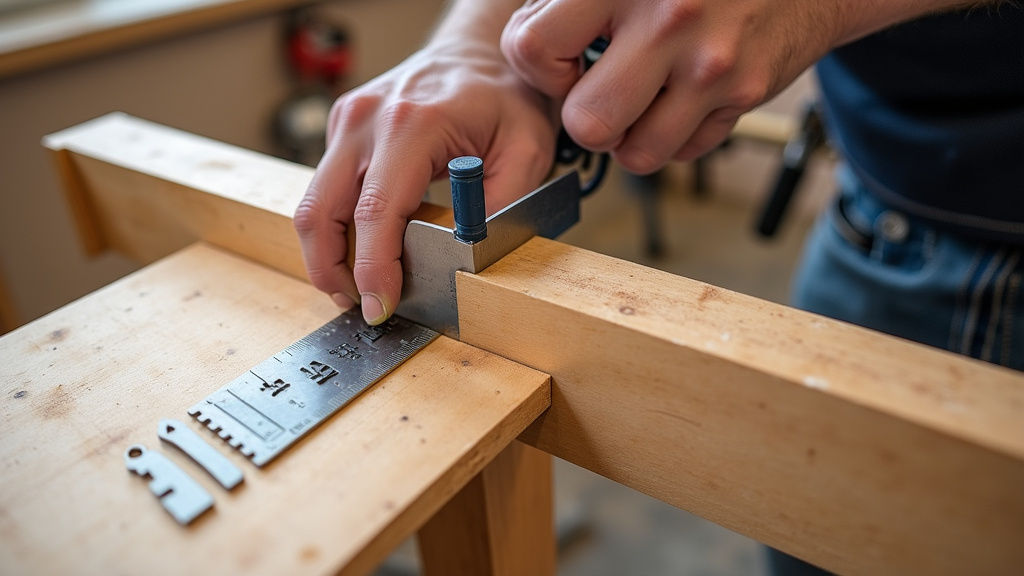
Beyond chalk, a good carpenter’s pencil is a staple. These pencils have a flat lead that doesn’t roll away easily. They make a clear, visible mark. For very precise marks, some trim carpenters use a marking knife or a utility knife. This creates a fine score line that guides a saw blade, preventing tear-out.
Comfort and Safety: Protecting Your Investment
Working long hours on a jobsite requires comfort and, most importantly, safety. Professional trim carpenters understand that their well-being is directly linked to their ability to perform their job. They invest in accessories that protect them and make their work more comfortable.
Eye Protection is Non-Negotiable
Safety glasses are a must. Flying debris, dust, and even accidental nail ricochets can cause serious eye injury. We found that anti-fog lenses are a great feature, especially when working in humid conditions or when you’re working up a sweat. Comfortable, wraparound styles offer the best protection.
Hearing Protection for the Long Haul
Power tools are loud. Prolonged exposure to loud noise can lead to permanent hearing loss. Many experts say that using earplugs or earmuffs is essential for anyone working around noisy machinery (CDC). Many professional carpenters opt for comfortable, over-the-ear earmuffs that can be easily slipped on and off.
Gloves for Grip and Protection
While some carpenters prefer bare hands for delicate work, many wear work gloves for protection and better grip. Gloves can prevent splinters, cuts, and abrasigns. Look for gloves that offer a good balance of protection and dexterity. Thin, leather, or synthetic gloves often work well for trim carpentry.
Knee Pads for Joint Health
Much of trim carpentry involves working at floor level, kneeling for extended periods. This can take a toll on your knees. Wearing comfortable, well-fitting knee pads can significantly reduce strain and prevent long-term joint issues. Many professionals find that gel-filled knee pads offer superior comfort and support.
The Backbone of the Operation: Tool Bags and Organizers
Having the right tools is one thing; keeping them organized and accessible is another. A professional trim carpenter’s workflow is often enhanced by smart storage solutions.
Tool Belts and Pouches
A good tool belt or apron is essential. It keeps frequently used items like tape measures, pencils, utility knives, and nail sets within easy reach. This saves countless trips back to a toolbox. We found that durable, adjustable tool belts are preferred. Look for padded belts for added comfort.
Small Parts Organizers
When dealing with various fasteners, shims, or small hardware, compartmentalized organizers are a lifesaver. These clear plastic boxes with multiple small bins keep everything separated and visible. This prevents fumbling through a big bin looking for a specific screw or nail.
Here’s a quick checklist of accessories that make a trim carpenter’s life easier:
- High-quality tape measure (25-foot recommended)
- Fine-tooth saw blades (80+ teeth)
- Hearing protection (earplugs or earmuffs)
- Safety glasses with anti-fog coating
- Comfortable, durable work gloves
- Pencils and a sharp utility knife
- Chalk line for long straight guides
- Well-padded tool belt or apron
Conclusion
You’ve learned that professional trim carpenters rely on a specific set of accessories to achieve their signature clean lines and perfect fits. It’s more than just having tools; it’s about having the right blades for smooth cuts, the correct fasteners for secure joints, and accurate measuring tools for precision. Don’t forget the safety gear and smart organizers that keep you comfortable and efficient on the job. Now, take a moment to assess your own toolkit. Consider investing in a few key accessories we discussed to significantly improve your trim work quality and speed. Your projects will thank you for it!
Frequently Asked Questions
What’s the biggest difference between a pro’s trim saw blade and a standard one?
Professional trim carpenters use fine-tooth blades, often with 80 or more teeth per inch. This design removes less material per cut, resulting in a much cleaner edge with fewer splinters. Standard blades have fewer teeth, which can lead to rougher cuts that require more sanding.
Are cordless nail guns really as good as pneumatic ones for trim work?
Cordless nail guns offer excellent freedom and portability, making them very popular. While some very demanding tasks might still favor pneumatic power, modern cordless models provide sufficient power and convenience for most trim carpentry jobs. Many pros find them to be a great upgrade.
Why do some carpenters use a marking knife instead of just a pencil?
A marking knife creates a fine score line on the wood’s surface. This score line acts as a precise guide for your saw blade, helping to prevent tear-out and ensuring a perfectly straight cut. It’s a technique used for achieving the absolute highest level of precision.
How important are knee pads for trim carpentry?
Knee pads are very important for protecting your joint health. You’ll be kneeling frequently during trim installation, and comfortable, well-fitting knee pads can prevent strain and long-term knee issues. Many carpenters find gel-filled options offer the best support for extended wear.
What’s the best way to keep small fasteners organized on a job site?
Using compartmentalized organizers is the most effective method. These clear plastic boxes with multiple small bins allow you to separate different types and sizes of nails, screws, or shims. This prevents clutter and saves you time searching for the right hardware.