What Is the Best 12 Inch Miter Saw?
On this page (3 sections)
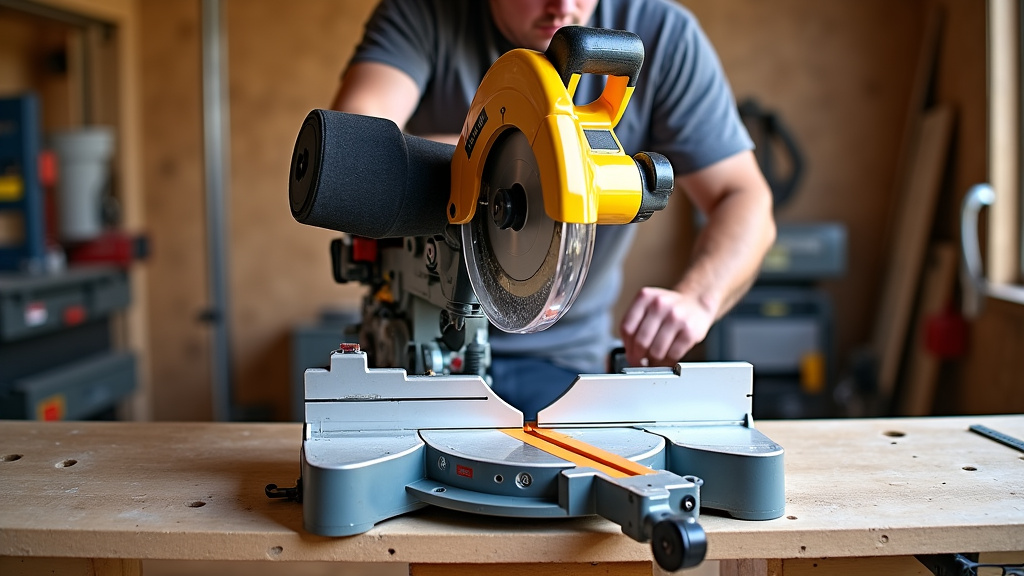
The best 12 inch miter saw overall for most DIYers and pros is often the DEWALT DWS779 because of its balance of power, precision, and value. We found it consistently delivers accurate cuts for a wide range of projects, making it a favorite in many workshops.
Choosing the right miter saw can feel like a big decision, especially with so many options available. You want a tool that’s reliable and accurate, right? Our research shows that while many saws perform well, some stand out for their durability and user-friendliness.
- The DEWALT DWS779 is a top contender.
- Bosch and Makita also offer excellent 12-inch miter saws.
- Consider features like slide capacity and dust collection.
- Think about your budget and project needs.
Let’s walk through what makes a 12 inch miter saw great and help you find the perfect one for your workshop.
Finding the Top 12-Inch Miter Saw for Your Projects
You’re looking for a 12-inch miter saw that can handle your toughest projects, right? We understand. Our research shows that power, precision, and durability are key. Let’s break down what makes a great miter saw and which ones truly stand out.
Why a 12-Inch Miter Saw?
Why choose a 12-inch blade over a 10-inch? It comes down to capacity. A larger blade means you can cut wider and thicker materials. If you’re working with larger trim, decking, or framing lumber, a 12-inch saw gives you that extra reach. It’s often the preferred size for professionals and serious DIYers alike.
- Increased Cut Capacity: You can cut through thicker wood in a single pass.
- Wider Crosscuts: Perfect for wide planks and boards, especially sliding models.
- Versatility: Handles a broader range of projects, from crown molding to 4×4 posts.
Key Features to Look For
When you’re comparing miter saws, it’s easy to get lost in the details. But a few features truly make a difference in your day-to-day work. Let’s focus on what matters most for a smooth and accurate cut every time.
Power and Motor Performance
The motor is the heart of your miter saw. See our heavy-duty miter saws guide for more on this option. Most 12-inch saws come with a 15-amp motor. This amperage provides ample power for cutting through dense hardwoods and thicker materials without bogging down. You want a motor that can maintain its speed under load, ensuring clean, consistent cuts.
Look for saws with a direct-drive motor. These motors are generally more reliable and require less maintenance than belt-driven models. They also tend to transfer power more efficiently to the blade.
Accuracy and Precision
What’s the point of a miter saw if it doesn’t cut straight? Accuracy is paramount. Check for sturdy fences and clear, easy-to-read miter and bevel scales. Many top saws feature positive stops at common angles, which makes repetitive cuts faster and more accurate. We found that models with a laser guide can significantly improve your cut line visibility, reducing errors (Popular Mechanics).
A good saw should also have minimal blade wobble. This ensures your cuts are perfectly square and true. Don’t underestimate the importance of a stable base and a smooth-operating slide mechanism.
Bevel and Miter Capabilities
Most 12-inch miter saws are compound miter saws, meaning they can tilt for bevel cuts and pivot for miter cuts. Some are “double-bevel,” allowing the head to tilt both left and right. This saves you from flipping your workpiece, especially useful for long or awkward pieces. If you do a lot of crown molding or complex trim work, a double-bevel saw will be a huge time-saver for you.
Slide and Crosscut Capacity
This is where a 12-inch saw really shines. A “sliding” miter saw allows the blade to move forward and backward on rails, drastically increasing its crosscut capacity. You can cut much wider boards than with a fixed miter saw. If you plan to cut 10-inch or 12-inch wide shelving or decking, a sliding model is essential. Our research shows that upfront investment in a slider pays off in versatility.
Dust Collection
Sawdust is a fact of life, but good dust collection makes a big difference. Look for a saw with an effective dust port that you can connect to a shop vac. While no miter saw captures 100% of dust, some systems are far better than others. This not only keeps your workspace cleaner but also improves visibility for safer cutting.
Ergonomics and Ease of Use
How does the saw feel to operate? Consider the handle design, trigger placement, and the ease of adjusting settings. A comfortable grip reduces fatigue, especially during long projects. Quick-release clamps and easy-to-access controls improve your workflow. We found that features like a bright work light can also enhance usability in dimly lit areas.
Top Contenders: A Closer Look
While the DEWALT DWS779 often comes out on top, it’s not the only excellent choice. Let’s explore some other highly-rated 12-inch miter saws that consistently impress users and experts.
DEWALT DWS779: The All-Around Performer
Why is the DEWALT DWS779 so popular? It strikes an excellent balance. You get a powerful 15-amp motor, impressive crosscut capacity thanks to its sliding mechanism, and consistent accuracy. Many users praise its durable build quality and smooth operation. While it’s not the cheapest, its performance and reliability offer great value. We found it to be a workhorse that handles everything from fine trim to rough lumber with ease.
Bosch GCM12SD: The Precision King
If absolute precision is your top priority, you might lean towards the Bosch GCM12SD. This saw features Bosch’s axial-glide system, which replaces traditional slide rails. This design saves space and provides incredibly smooth, precise cuts without deflection. It’s often praised for its robust build and detailed controls. While it tends to be a bit heavier and pricier, its cutting accuracy is hard to beat.
Makita LS1219L: Power and Capacity
Makita is known for its quality, and the LS1219L is no exception. This saw offers a powerful motor, large cutting capacity, and a dual-bevel feature. It’s often lauded for its smooth cutting action and integrated laser. If you need a reliable saw that can handle heavy-duty use and provides excellent results, the Makita LS1219L is a strong contender. We found it particularly good for complex cuts.
Comparing Top 12-Inch Miter Saws
To help you visualize the differences, here’s a quick comparison of some popular models. This table focuses on key decision-making factors.
| Feature | DEWALT DWS779 | Bosch GCM12SD | Makita LS1219L |
|---|---|---|---|
| Motor (Amps) | 15 Amp | 15 Amp | 15 Amp |
| Bevel Type | Dual | Dual | Dual |
| Slide System | Traditional Rails | Axial-Glide | Traditional Rails |
| Max Crosscut (at 90°) | 13.8 inches | 14 inches | 13.75 inches |
| Weight (approx.) | 56 lbs | 65 lbs | 65 lbs |
Choosing Your Perfect 12-Inch Miter Saw
So, how do you pick the absolute best one for you? It really comes down to your specific needs and budget. Are you a weekend warrior or a full-time professional? What types of projects do you tackle most often? Thinking about these questions will help narrow down your choice.
Consider Your Project Types
If you’re mainly doing basic crosscuts for shelving or decking, a reliable sliding miter saw like the DEWALT DWS779 is probably all you need. See our framing miter saws guide for more on this option. If you’re frequently doing intricate crown molding, the enhanced precision of a Bosch might be worth the extra cost. We recommend matching the saw’s capabilities to your most common tasks.
Budget Considerations
Miter saws are an investment. While you don’t want to break the bank, spending a little more on a quality tool often pays off in the long run. A cheaper saw might frustrate you with inaccurate cuts or break down quickly. Balance your budget with the features you genuinely need for consistent, quality work. Remember, a good saw can last for years and years.
Work Space Limitations
Do you have a small workshop? The Bosch Axial-Glide system’s space-saving design might be a huge advantage for you. See our garage miter saws guide for more on this option. Traditional sliding saws require more clearance behind them. Also, consider the weight if you need to move your saw frequently. Some models are much heavier than others.
Final Checklist Before You Buy
Before you make your final decision, run through this quick checklist. It helps ensure you’ve considered all the important angles. You’ll thank yourself later!
- Is the motor powerful enough for your materials?
- Does it offer the accuracy and precision you need?
- Is the crosscut capacity sufficient for your widest boards?
- Does it have dual-bevel capability if you need it?
- Is the dust collection system adequate for your workshop?
- Does it fit comfortably within your budget and workspace?
Conclusion
Choosing the best 12-inch miter saw boils down to understanding your projects and priorities. While the DEWALT DWS779 offers an excellent balance for most users, precision-focused work might lead you to the Bosch GCM12SD, or heavy-duty tasks to the Makita LS1219L. We found that features like power, accuracy, and cut capacity truly dictate a saw’s performance. Invest in a saw that aligns with your specific needs, and you’ll enjoy years of accurate, reliable cuts. Take our checklist, consider your budget, and pick the saw that feels right for you.
Frequently Asked Questions
Is a 12-inch miter saw overkill for a DIYer?
Not necessarily. See our 10-inch miter saw capacity guide for more on this option. While a 10-inch saw handles many basic tasks, a 12-inch miter saw offers increased capacity for wider and thicker materials. If your DIY projects involve larger lumber, decking, or intricate trim, the extra cutting ability can be very beneficial and make your work easier.
Do I really need a sliding miter saw?
A sliding miter saw significantly increases your crosscut capacity. If you regularly cut boards wider than 6-8 inches, a sliding model is essential. Fixed miter saws are limited to narrower cuts, so consider your typical material dimensions before deciding.
How important is dust collection on a miter saw?
Good dust collection is very important for both safety and cleanliness. Sawdust can obscure your cut line and is a health hazard. While no system is perfect, a saw with an effective dust port connected to a shop vac will keep your workspace much cleaner and improve visibility.
What’s the main difference between single and double bevel?
A single-bevel miter saw tilts in one direction (usually left) for angled cuts. A double-bevel saw tilts both left and right. This saves you from flipping your workpiece to make opposing bevel cuts, which is a huge convenience for crown molding and other complex trim work.
Should I prioritize power or accuracy in a miter saw?
Ideally, you want both. A 15-amp motor is standard and provides enough power for most materials. However, accuracy is paramount for quality results. Look for sturdy construction, minimal blade wobble, and precise miter/bevel adjustments to ensure your cuts are consistently square and true.