Will There Be Cordless Miter Saws?
Yes, cordless miter saws are already a robust and rapidly expanding segment of the power tool market, offering excellent portability and performance.
You’ll find many reliable options today that provide the power and precision needed for a wide range of cutting tasks without being tethered to an outlet.
Here’s a quick look at what we’ll cover about cordless miter saws:
- Cordless miter saws are not just a future concept; they are widely available now.
- Modern battery technology provides impressive power, rivaling corded models for many tasks.
- Their main advantage is unmatched portability, letting you work anywhere.
- Consider battery runtime, voltage, and your project needs when choosing one.
- The industry continues to innovate, promising even better performance and battery life.
Will There Be Cordless Miter Saws?
The answer is a resounding yes, because they are already here! If you’ve been wondering if the convenience of battery power would ever reach your miter saw, you’re in luck. The technology has arrived.
Many professional woodworkers and DIY enthusiasts are already enjoying the freedom these tools offer. They bring the workshop to the job site, or anywhere else you need to make precise cuts.
The Cordless Revolution is Here
The world of power tools has been rapidly shifting towards cordless options, and miter saws are no exception. We’ve seen a clear trend over the last few years.
Tool manufacturers have invested heavily in battery technology. This means more power, longer run times, and faster charging for your cordless miter saw.
Imagine setting up your saw without hunting for an outlet or tripping over extension cords. It truly changes how and where you can work.
Power and Performance: Are They Enough?
This is often the first question people ask. Can a cordless miter saw truly match its corded counterpart? For many common applications, the answer is a confident yes.
Modern cordless miter saws, especially 18V, 20V, or even 40V/60V models, deliver impressive cutting power. We’ve found they handle everything from framing lumber to fine trim work with ease, and you can learn more about 10-inch miter saw cuts.
Of course, for continuous, heavy-duty industrial use, a corded saw might still hold a slight edge. But for most users, a cordless option will surprise you with its capability.
Battery Technology: The Driving Force
The magic behind these powerful saws is advances in lithium-ion battery technology. They pack more energy into smaller, lighter packs.
Many experts point to these battery innovations as the main reason for the cordless tool boom (Tool Industry Association reports).
Look for higher amp-hour (Ah) ratings on batteries for longer run times. Voltage (V) generally indicates power. It’s like the engine size for your saw.
Runtime Matters for Your Projects
No one wants to stop mid-project to wait for a battery charge. That’s why considering runtime is so important.
Many cordless miter saws come with powerful batteries that allow for hundreds of cuts on a single charge. This can vary based on the material and depth of cut, of course.
Having a spare battery or two on hand is a smart strategy. It keeps your workflow smooth and uninterrupted.
Portability: Your New Best Friend
This is where cordless miter saws truly shine. The freedom to move your saw anywhere is a game-changer.
Are you tackling a deck project in the backyard? Or perhaps installing trim in a room far from an outlet? A cordless miter saw makes these tasks so much simpler.
No more tangled cords, no more searching for power sources. Just grab your saw and go. It’s a huge time-saver and stress-reducer.
What About Price?
It’s true that cordless miter saws can sometimes have a higher initial price tag than their corded cousins. This often reflects the cost of advanced battery technology and chargers.
However, many brands offer “bare tools” that let you use existing batteries from their platform. This can significantly reduce the entry cost if you already own other cordless tools from that brand.
Think about the overall value. The time saved, the convenience, and the flexibility might easily offset the extra upfront cost for many users.
Initial Investment vs. Long-Term Value
When you buy a cordless miter saw, you’re investing in a system. The batteries and chargers can power other tools from the same brand. This creates a versatile toolkit.
Consider how much time you’ll save on setup and breakdown. How much safer is a job site without extension cords everywhere? These are real benefits that add value over time.
Many homeowners and contractors find the investment quickly pays for itself in efficiency and convenience.
Choosing Your Cordless Miter Saw: A Checklist
Ready to jump into the cordless world? Here are a few things to consider:
- Battery Platform: Do you already own tools from a specific brand? Sticking to that platform can save you money on batteries and chargers.
- Voltage and Amp-Hours: Higher voltage (like 20V, 40V, or 60V) generally means more power. Higher amp-hours (Ah) mean longer runtime. Match these to your typical projects.
- Blade Size: Common sizes are 7 1/4″, 8 1/2″, 10″, and 12″. Smaller blades are lighter and more portable, while larger blades cut deeper and wider.
- Bevel and Miter Capacity: How far can the blade tilt and turn? This affects the types of angled cuts you can make. Dual-bevel saws offer more flexibility.
- Weight and Size: If portability is key, look for lighter, more compact models.
- Features: Consider things like a laser guide, LED work light, dust collection efficiency, and blade changing ease.
Types of Cordless Miter Saws You’ll Find
Just like corded models, cordless miter saws come in various configurations. This helps you pick the perfect tool for your specific needs.
Understanding these differences will guide you to a saw that genuinely helps your projects. Let’s look at some common types you’ll encounter.
Single Bevel vs. Dual Bevel
A single-bevel saw can tilt in one direction (usually left) to make angled cuts. This means you might have to flip your workpiece for certain cuts.
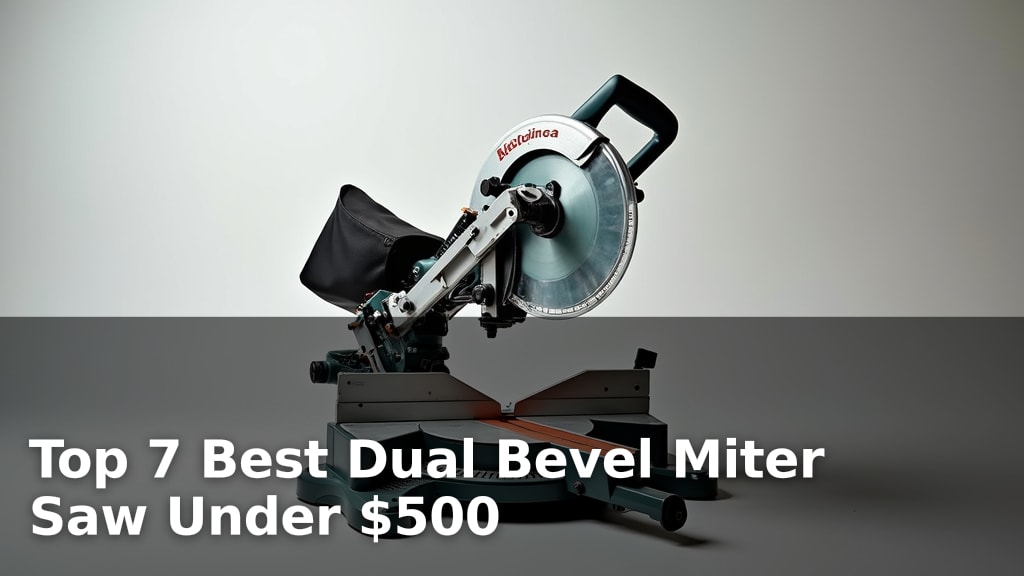
A dual-bevel saw can tilt both left and right. This saves time and effort, as you don’t need to reposition your material as often. Many professional users prefer dual-bevel for its efficiency.
Slide vs. Non-Slide
A sliding miter saw has rails that allow the blade to move forward and backward across the workpiece. This significantly increases the cross-cutting capacity, letting you cut wider boards.
A non-sliding miter saw is more compact but has a limited cross-cut capacity. It’s often preferred for smaller jobs or where space is a concern.
The Future Looks Bright
The evolution of cordless miter saws is far from over. We can expect even more exciting developments in the coming years.
Manufacturers are continually pushing the boundaries of battery efficiency and motor design. This means lighter tools with more power and even longer run times.
The focus on portability and performance will only continue to grow. You might soon see cordless miter saws that fully replace corded models for almost every application.
Innovations on the Horizon
What’s next? We might see smarter tools with integrated connectivity for tracking usage or battery life. Faster charging times are always a goal for manufacturers.
Think about enhanced dust collection systems or more compact designs that don’t compromise on power. The possibilities are truly exciting for anyone who loves working with wood.
| Feature | Corded Miter Saws | Cordless Miter Saws |
|---|---|---|
| Power Source | Constant AC power from outlet | Rechargeable Battery Packs |
| Portability | Limited by cord length and outlet availability | Excellent; use anywhere |
| Runtime | Continuous as long as plugged in | Limited by battery capacity, requires recharging |
| Maintenance | Brush replacement, occasional cord checks | Battery care, charger maintenance, brush replacement |
| Cost (Initial) | Generally lower upfront | Often higher due to batteries/charger |
| Typical Use | Shop work, heavy-duty, long duration | Job sites, remote areas, quick tasks, general projects |
Conclusion
Cordless miter saws are not just a possibility; they are a strong, current reality. They offer incredible flexibility and power that can genuinely change how you approach your projects.
Whether you’re a seasoned professional or a passionate DIYer, exploring the world of cordless miter saws is definitely worth your time. The advancements in technology make them a reliable and powerful choice.
You’ll discover a newfound freedom in your work, making setups quicker and projects more enjoyable. Go ahead, cut the cord and experience the convenience!
What is the typical battery life for a cordless miter saw?
Battery life for a cordless miter saw varies significantly based on the battery’s amp-hour (Ah) rating and the type of material being cut. Many models can deliver hundreds of cuts on a single charge, especially with higher Ah batteries (e.g., 5.0 Ah or higher) when cutting common lumber like 2x4s.
Are cordless miter saws powerful enough for thick lumber?
Yes, many high-voltage cordless miter saws (20V, 40V, or 60V) are designed with powerful brushless motors that can easily handle thick lumber. They often perform comparably to their corded counterparts for cutting common framing materials, plywood, and even some hardwoods. For continuous, very heavy-duty work, a corded saw might still be considered, but cordless options are increasingly capable.
Can I use different brand batteries with my cordless miter saw?
Generally, no. Most power tool brands use proprietary battery systems that are only compatible with their own tools and chargers within the same voltage platform. This means a DeWalt battery usually won’t fit a Milwaukee or Ryobi tool, and vice versa. It’s best to stick to one brand’s battery platform if you want to interchange batteries among your tools.
Are cordless miter saws heavier than corded ones?
Yes, cordless miter saws tend to be slightly heavier than comparable corded models. This added weight comes from the battery pack, which can be a substantial component. However, manufacturers are continually working to lighten tool bodies to offset this, making many modern cordless saws manageable for transport and setup.
What safety precautions should I take with a cordless miter saw?
All standard miter saw safety precautions apply, plus a few specific to cordless tools. Always wear eye protection and hearing protection. Ensure the blade is appropriate for the material. Keep hands clear of the blade path. For cordless saws, remove the battery pack when changing blades, performing maintenance, or when the saw is not in use to prevent accidental startup. Always ensure the battery is fully charged before starting a critical task to avoid power fade mid-cut.