How To Build A Compound Miter Saw Table?
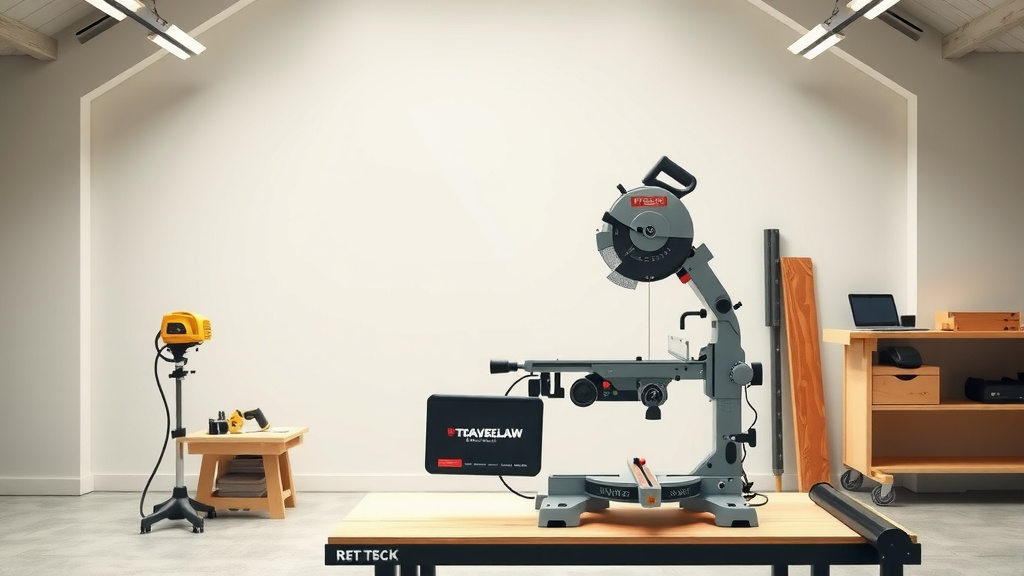
To build a compound miter saw table, you create a dedicated, stable workstation around your saw, featuring extended wings that precisely match the saw’s deck height for optimal material support.
This DIY project greatly improves accuracy and safety, allowing you to cut longer workpieces with much more confidence and control.
Here’s a quick summary of what you’ll learn:
- A compound miter saw table offers critical support for long lumber.
- The project involves building a sturdy base and perfectly level side wings.
- Accurate measurements are the cornerstone for a safe and effective setup.
- You will need durable materials like plywood or MDF for a lasting workbench.
- Always keep safety in mind throughout the building process and when operating your saw.
How To Build A Compound Miter Saw Table?
Building your own compound miter saw table involves constructing a robust, custom-fit workstation that integrates your saw seamlessly. This setup provides much-needed support for long materials, ensuring more accurate and safer cuts.
Why a Custom Miter Saw Table is a Game Changer
Ever struggled to support a long board while cutting? A custom miter saw table solves that. It gives you unwavering stability and extended support, transforming your cutting experience.
Many experts say a dedicated station reduces errors and improves precision significantly. Think of it as giving your saw its own perfect home (Woodworking Magazine).
Understanding Your Saw’s Needs
Before you build, take a moment to really look at your saw. What’s its deck height? How much space does it need for bevel cuts? These details are super important for the table’s design.
We found that ignoring these early measurements often leads to frustrating rework later on. You want a table that works *with* your saw, not against it.
Gather Your Materials and Tools
No successful project starts without the right supplies. Think of it like cooking a great meal; you need all the ingredients ready. Having everything at hand makes the process smoother and faster.
Essential Materials List
- ¾-inch plywood or MDF (for the top and shelves)
- 2×4 lumber (for the frame and legs)
- Wood screws (various lengths)
- Wood glue
- Leveling feet (optional, but highly recommended)
- T-track and stops (for fences, optional)
- Dust collection port (optional)
Must-Have Tools
You don’t need a full workshop, but certain tools are non-negotiable. A reliable measuring tape is your best friend here. Also, a circular saw or table saw will make breaking down sheet goods much easier.
We found that having a drill/driver and a good square dramatically speeds up assembly. Don’t forget safety gear, like eye and ear protection!
Designing Your Miter Saw Table
Planning is everything. A well-thought-out design saves time and prevents headaches. Imagine building a house without blueprints—not a good idea, right?
Key Design Considerations
Consider the total length of your typical workpieces. Will you cut 8-foot boards often? Then make your wings long enough. Also, think about storage underneath, like drawers for blades or measuring tools.
Many woodworkers choose to integrate a dust collection system into their design. This keeps your workspace cleaner and safer (Fine Woodworking).
Measuring for Success
This is where precision really counts. Place your miter saw on a temporary surface and measure its deck height. Your table wings must match this height exactly. We often hear from builders that a tiny difference can cause big problems for accurate cuts.
Center your saw on your planned table space. Then measure out the length of the support wings you want on each side. Remember, longer wings mean more support.
Step-by-Step Construction Guide
Ready to build? Let’s walk through the steps. Think of it as assembling a big, useful puzzle piece by piece.
Building the Base Cabinet
Start with a strong foundation. Use your 2x4s to build a sturdy frame for the base. This frame will support everything else, so make sure it’s square and strong. We recommend using both screws and wood glue for maximum strength.
Attach the legs securely to this base. If you add leveling feet now, you can adjust the table perfectly on uneven floors later. This small addition makes a big difference for stability.
Crafting the Support Wings
The wings are the heart of your miter saw table. Cut your plywood or MDF to the measured lengths and widths. Remember that critical deck height? Each wing needs to be built so its top surface lines up perfectly with your saw’s cutting surface. It should be flush, without any lip.
You can use a cleat system or simply build box frames for the wings. Attach them to the central base. Double-check for levelness with a long straight edge across the saw and both wings.
Attaching the Top and Fences
Once the wings are stable, add your top surface if you’re not using the wing structure as the final top. Then, create and attach back fences. These fences give you a reliable reference for your workpieces and help contain dust.
Make sure your fences are perfectly square to the saw blade at 90 degrees. This ensures accurate crosscuts. Many builders use T-track systems for adjustable stops on their fences, which is a clever upgrade.
Adding Storage and Features
Now for the fun part: making it truly yours! Add shelves, drawers, or even small cabinets under the wings. This is where you can store blades, safety glasses, or measuring tools, keeping them always within reach.
Consider adding a dedicated port for dust collection. Connecting your shop vac or dust collector here will keep your air cleaner and your workshop tidier. It’s a smart investment in your health and workflow.
Fine-Tuning Your New Workbench
You’re almost there! A few final touches make all the difference. Think of it as the final polish on a piece of furniture.
Calibration for Precision Cuts
Even with careful building, a quick calibration is wise. Use a reliable square to check if your fence is truly 90 degrees to the blade. Cut a test piece and measure it. Small adjustments now mean big accuracy gains later.
We found that taking this extra step ensures your new table lives up to its potential for precise woodworking. It’s worth every minute (Popular Woodworking).
Maintenance Tips for Longevity
Your new table will serve you well for years with a little care. It’s like taking care of a good tool—it performs better and lasts longer.
Keep the surface clean of sawdust and debris. Regularly check that all screws are tight and the structure remains stable. A little bit of occasional maintenance goes a long way in preserving your investment.
Safety First: Always!
No matter how well-built your table is, safety rules still apply. Always wear appropriate eye and hearing protection. Keep your hands clear of the blade path.
A well-designed miter saw table actually enhances safety by providing better material support, but it’s still your responsibility to stay alert and cautious.
Common Miter Saw Table Styles
When designing, you’ll see a few common styles. Each has its own benefits, depending on your space and needs.
| Style | Description | Best For |
|---|---|---|
| Basic Stationary | A simple, sturdy base with fixed support wings on each side. Often includes a back fence. | Workshops with ample space, general cutting tasks. |
| Integrated Storage | Adds drawers, cabinets, or shelves below the saw and wings for tool and accessory organization. | Smaller shops, keeping tools tidy and accessible. |
| Folding or Mobile | Designed with wheels or folding legs for easy movement and storage when not in use. | Garages, multi-purpose workspaces, portability. |
| Modular System | Built in sections that can be reconfigured or expanded later. Often features T-tracks and clamps. | Future expansion, adaptable needs, custom jig use. |
Conclusion
Building your own compound miter saw table is a rewarding project that significantly upgrades your woodworking capabilities. You gain enhanced accuracy, improved safety, and a more organized workspace.
By taking precise measurements and following these steps, you’ll create a custom station that serves your needs for years to come. Isn’t it great to know you built something so useful with your own hands?
What are the best materials for a miter saw table?
For durability and stability, ¾-inch plywood or MDF are excellent choices for the top and support wings. For the frame and legs, 2×4 or 2×6 lumber provides robust support. Many builders find a combination of these materials works best.
How do I ensure my miter saw table is level?
Use a long straight edge and a reliable level. Place the straight edge across your saw’s deck and extend it over the support wings. Make sure there are no gaps or height differences. Adjustable leveling feet on the base can help achieve perfect flatness on uneven floors.
Can I add storage to a miter saw table?
Absolutely! Adding storage is one of the biggest benefits of a custom build. You can design in shelves, drawers, or even small cabinets beneath the saw and support wings. This keeps your blades, safety gear, and measuring tools organized and close at hand.
How important is dust collection for a miter saw table?
Integrating dust collection is very important for both cleanliness and health. Miter saws create a lot of sawdust. A good dust port or shroud helps capture this debris, keeping your workshop cleaner and the air safer to breathe (OSHA guidelines suggest controlling wood dust).
What if my workshop space is small?
Even with limited space, you can still build a very effective miter saw table. Consider designs with folding wings, a mobile base with casters, or a modular system that can be stored away. The key is to optimize for your available footprint while still getting good material support.