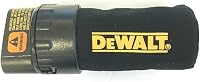
9 Best Handheld Sanders for Wood (November 2026)
The best handheld sanders for wood include the SKIL Corded Multi-Function Detail Sander with Micro-Filter for all-around detail sanding, the WEN 6307 Variable Speed Detailing File Sander for narrow corners and contours, and the DEWALT Orbital Sander Kit for controlled flat-surface finishing.
On this page (4 sections)
The best handheld sanders for wood depend on the surface and the finish you need. The SKIL multi-function detail sander is the most flexible pick for corners and contours, while the DEWALT orbital sander is better for broad panels and the Jellas belt sander removes material fastest.
That short answer only helps if you know where each tool will sit on the wood. A detail sander spends most of its time near edges, a palm sander follows hand pressure, an orbital sander spreads work across a round pad, and a belt sander pulls a long abrasive strip across the surface.
Start with the shape of the workpiece before you look at motor speed. A large panel rewards coverage, while a small trim piece rewards a pad that can reach the point where the cut or joint begins.
The wrong shape can make even a strong motor feel slow or clumsy.
Think also about the stage of the job. Stripping an old coating needs a different approach from smoothing wood that is already flat and clean.
The early stage needs removal, while the later stage needs control and a finer surface.
Dust setup matters more on indoor work than many buyers expect. A dust box or bag helps during short jobs, but a vacuum port can keep visibility higher on longer sessions.
Empty the container often, because a full box will stop collecting well before the wood is finished.
Corded power suits work near an outlet and avoids waiting for a battery. It also means the cord can drag across a bench, catch on a clamp, or limit movement on a large board.
Plan where the cord will run before you start sanding.
For a wider overview, start with our guide to different types of sanders. If you are choosing a tool for a larger woodworking project, our guide to the best type of sander for woodworking explains how each format fits common tasks.
Use that background to narrow the field, then compare the individual models below. The right choice should feel matched to the wood, not simply the most powerful tool in the group.
Our picks at a glance
-
1
 Best for all-around detail sanding
SKIL Corded Multi-Function Detail Sander with Micro-Filter
9.7/10 our score
See it on Amazon -
2
 Best for narrow corners and contours
WEN 6307 Variable Speed Detailing File Sander
9.7/10 our score
See it on Amazon -
3

- 4
 Best for compact corner workCheck it
- 5
 Best for lightweight general sandingCheck it
- 6
 Check it
WEN 6301 Electric Detailing Palm Sander
Best for palm-held finishing - 7
 Check it
SKIL 5” Random Orbital Sander with Cyclonic
Best for variable-speed dust control - 8
 Check it
HYCHIKA 5-Inch Random Orbital Sander
Best for a varied sanding-paper kit - 9
 Check it
Jellas 7Amp Handheld Belt Sander
Best for aggressive stock removal
The best handheld sanders for wood by task
The SKIL multi-function model is the best general-purpose choice, but each sander here has a clearer advantage for a certain wood surface. Match the badge to your work before considering motor speed or included accessories.
Our score weighs specs, features and buyer feedback against what you're shopping for. Product facts below come from the supplied product information, while the buying advice explains how those facts affect sanding work.
| Product | Best for | Motor | Sanding action | Included | Our score |
|---|---|---|---|---|---|
| SKIL Corded Multi-Function Detail Sander with Micro-Filter | all-around detail sanding | 1.2 A, corded electric, 120 V | Detail sander, up to 14,500 rpm | Dust box, 3 attachments and 12 sanding sheets | 9.7 |
| WEN 6307 Variable Speed Detailing File Sander | narrow corners and contours | 2 A, corded electric | Three sanding belts and dust port attachment | 9.7 | |
| DEWALT Orbital Sander Kit | controlled flat-surface finishing | 3 A, corded electric, 120 V | 5 in random orbital, 12,000 OPM | Sander, dust bag and carrying bag | 9.5 |
| BLACK+DECKER Detail Sander | compact corner work | 1.2 A, corded electric | Detail sander, 16,000 rpm | Mouse detail sander | 9.4 |
| BLACK+DECKER Orbital Sander | lightweight general sanding | 2.0 A corded electric | 5 in random orbital, 12,000 OPM | Sander, 1 sanding sheet and dust bag | 9.3 |
| WEN 6301 Electric Detailing Palm Sander | palm-held finishing | 0.8 A, corded electric, 120 V | Attachments and 1 sheet of sandpaper | 9.3 | |
| SKIL 5” Random Orbital Sander with Cyclonic | variable-speed dust control | 2.8 A, corded electric, 120 V | 5 in random orbital, up to 13,000 OPM | Dust box and 3 sanding sheets | 9.2 |
| HYCHIKA 5-Inch Random Orbital Sander | a varied sanding-paper kit | 2.5 A, corded electric, 120 V AC | 5 in random orbital, up to 13,000 RPM | 12 discs in 80, 120 and 240 grit, instructions and dust bag | 8.9 |
| Jellas 7Amp Handheld Belt Sander | aggressive stock removal | 7 A, corded electric, 120 V | 10 sanding belts, dust bag, 2 C clamps and vacuum adapter | 8.8 |
SKIL Corded Multi-Function Detail Sander with Micro-Filter: Best for all-around detail sanding
- 1.2 amp motor
- 13,500 orbits per minute
- 3 additional attachments
- Micro-filtration and 1-1/4 in dust port
- 12 sanding sheets
The 4-in-1 design covers large surfaces, corners, edges and curved contours. Its micro-filtration system and vacuum port give you two dust-control options.
Pros
- Three tool-free attachments
- Micro-filter dust box
- Low-vibration design
Cons
- Corded operation
- Detail pad is less suited to broad stock removal
The SKIL SR232301 is the most versatile choice for woodworkers who switch between broad detail work, edges and curved surfaces. Its 3 additional attachments cover large surfaces, corners and edges, narrow areas and surface contours.
The 1.2 amp corded motor reaches 13,500 orbits per minute in the bullet data, while the specifications list a maximum rotational speed of 14,500 rpm. Use its hook-and-loop system to change sheets without a separate tool.
Dust control is another reason it leads this group. You can use the micro-filtration dust box or connect a vacuum through the 1-1/4 in dust port.
The 2.6 lb body, soft rubber grip and counterweight balance are suited to detail work where hand position changes often. The package includes 12 sanding sheets, the dust box and 3 attachments.
Choose it when one handheld tool needs to cover corners, edges and smaller flat sections. It is less efficient than a 5 in orbital sander when you need to prepare a large board quickly.
WEN 6307 Variable Speed Detailing File Sander: Best for narrow corners and contours
- 1/2 x 18 in pivoting belt
- Variable speed from 1,080 to 1,800 ft per minute
- 55-degree belt pivot
- Auto-tracking belt
- Three abrasive sanding belts
The narrow file-sander belt reaches tight spaces, odd angles and contours that a standard palm sander may miss. Variable speed helps you slow down for controlled detail work.
Pros
- 55-degree pivot
- Tool-free belt installation
- Auto-tracking belt system
Cons
- Narrow belt covers less area
- Corded operation
The WEN 6307 is the strongest choice for narrow slots, tight corners and unusual contours. Its 1/2 x 18 in belt pivots up to 55 degrees, so you can change the sanding angle without forcing the whole tool into an awkward position.
A variable speed dial moves the belt from 1,080 to 1,800 ft per minute. That range gives you more control than a fixed-speed file sander when you move between detail removal and lighter finishing.
The auto-tracking system keeps the belt aligned without tensioning or adjustment. Tool-free belt installation also makes grit changes simpler during a project.
The 2.4 lb corded body is compact for a belt tool, and the included dust port attachment gives you a way to connect dust collection. Three abrasive sanding belts are included.
Pick it for narrow wood parts, carved sections and tight spaces. Its slim belt is not the right shape for covering a wide tabletop efficiently.
DEWALT Orbital Sander Kit: Best for controlled flat-surface finishing
- 5 in sanding pad
- 3 amp motor
- 12,000 OPM
- Separate counterweight
- One-handed locking dust bag
This 5 in random orbital model suits wood panels and other broad surfaces where you want steady removal with a fine finish. Its shorter height brings your hand closer to the workpiece.
Pros
- Separate counterweight
- Dust-sealed switch
- Dust bag or compatible dust-collector connection
Cons
- Single-speed design
- Larger than a detail sander in tight corners
The DEWALT DWE6421K is the best fit for broad wooden surfaces that need controlled random-orbit sanding. Its 5 in pad and 3 amp motor reach 12,000 OPM, giving it more surface coverage than the detail-focused picks.
The shorter height places your hand closer to the workpiece. A separate counterweight and rubber over-mold in key areas are designed to reduce the effect of vibration during longer sanding passes.
Dust collection comes through a one-handed locking dust bag. The dust port also fits the DWV010 or DWV012 dust collectors directly, while other vacuum systems with 1-1/4 in hoses need the DWV9000 Universal Quick Connector.
The kit includes the sander, dust bag and carrying bag. Its corded 120 V design provides continuous operation, but it requires access to an outlet.
Choose this model for panels, shelves and other flat wood where a 5 in random orbital pad saves time. For small corners, a detail or palm sander is easier to control.
BLACK+DECKER Detail Sander: Best for compact corner work
- 1.2 amp motor
- 16,000 OPM
- 3-position grip
- Detail finger attachment
- Dust collection canister
The compact body and detail finger attachment make this a useful palm sander electric option for narrow edges, corners and small finishing tasks.
Pros
- Compact design
- Three-position comfort grip
- Dust-sealed switch
Cons
- Less surface coverage than a 5 in orbital sander
- Corded operation
The BLACK+DECKER BDEMS600 suits small wood projects with cramped corners and narrow edges. Its compact detail design includes a detail finger attachment and a detail sanding pad for odd angles.
The 1.2 amp motor reaches 16,000 OPM, and the three-position grip gives you several hand positions for close work. That range of grips helps when a workpiece sits against a wall or inside a frame.
Its corded design offers continuous power for a project that stays near an outlet. You do not need to pause for a battery, but you should keep the cord clear of the sanding path.
A dust collection canister helps keep debris near the sanding area, while the dust-sealed switch helps protect the switch from dust. Empty the canister as it fills, since a packed container can reduce collection and make cleanup harder.
The product information identifies the included component as the Mouse detail sander. Set up the pad, check that the sheet sits flat, and test the motion on scrap wood before moving to the finished piece.
This is a practical choice for trim pieces, small furniture parts and detail preparation. It is not the most efficient choice for a large flat panel because its detail pad covers less area than a 5 in orbital pad.
BLACK+DECKER Orbital Sander: Best for lightweight general sanding
- 5 in random orbital action
- 12,000 OPM
- Comfort grip handle
- Dust collection bag
- Hook-and-loop paper changes
This compact 5 in orbital sander fits routine wood preparation and finishing on flat surfaces. Random orbital movement helps reduce visible swirl patterns when you keep the tool moving.
Pros
- 5 in pad
- Dust bag included
- Fast hook-and-loop changes
Cons
- Only 1 sanding sheet included
- No variable-speed control
The BLACK+DECKER BDERO100 is a compact 5 in random orbital sander for routine wood preparation and finishing. Its 12,000 OPM random orbital action is designed for fast material removal and a swirl-free finish.
The 2.0 amp corded motor works with a 5 in pad, and the comfort grip helps keep your hand over the workpiece. Keep the pad flat and keep moving, because sitting in one spot can leave a visible change in the surface.
Hook-and-loop paper changes let you switch sheets quickly. That simple change matters when you move from rough preparation to a finer finishing grit during the same session.
A built-in dust collection bag helps limit debris around the work area. It will not replace ventilation, so empty the bag often and clean the pad holes when dust builds up.
The dust-sealed switch keeps dust and debris away from the switch, and the package includes 1 sanding sheet and 1 dust bag. Price and availability of extra sheets are worth checking before you plan a large job.
Choose it when you need a straightforward orbital sander for shelves, boards or furniture surfaces. For a furniture refinishing project, compare sanders for refinishing furniture.
The included paper is limited, so plan your grit sequence before starting a larger project. A little planning at the start will save time once the wood is already partly smoothed.
WEN 6301 Electric Detailing Palm Sander: Best for palm-held finishing
- 3.75 x 5.5 in pad
- Angled tip
- 13,500 OPM
- Two-pound design
- Dust collection port
The angled pad tip gives you more control around small wood details and edges. Its 2 lb body is easier to hold for short finishing sessions than a heavier belt sander.
Pros
- Light 2 lb design
- Angled precision tip
- Dust collection port
Cons
- Small pad covers less area
- Limited power compared with larger sanders
The WEN 6301 is a good palm sander for small wooden surfaces and detail finishing. For cordless sheet sanding, compare cordless palm sanders.
Its 3.75 x 5.5 in pad with an angled tip gives you a narrow point for edges and precision work. That tip can follow a shaped edge more closely than a full round pad.
The 0.8 amp motor reaches 13,500 OPM in the product bullets, while the manufacturer description gives a no-load speed of 12,000 orbits per minute. Either figure places it in the palm sander class, where control matters as much as speed.
Its 2 lb body is the lightest stated weight among the products here. A light body is easier to guide on small parts, though it still needs steady pressure to avoid rocking at the edges.
A Velcro base pad makes sandpaper changes simple, and the dust collection port can connect to dust collection devices. Check that the sheet aligns with the pad before you switch the tool on.
Attachments and 1 sheet of sandpaper are included. Keep spare paper on hand if the job moves through more than one grit.
This is the right scale for small furniture parts, trim and detail areas. It will take longer on a wide board than a 5 in orbital sander because the pad covers less surface per pass.
SKIL 5” Random Orbital Sander with Cyclonic: Best for variable-speed dust control
- 2.8 amp motor
- 13,000 OPM
- Variable speed control
- X-flow cyclonic dust box
- 3 sanding sheets
Choose this sheet finishing sander when you want a 5 in pad with speed adjustment and a transparent dust container. The compact shape also helps on smaller workpieces.
Pros
- Variable speed
- Cyclonic dust collection
- Low-vibration design
Cons
- Corded operation
- Only 3 sanding sheets included
The SKIL SR211601 is the better choice when you want a 5 in sheet finishing sander with variable speed. Its 2.8 amp motor reaches up to 13,000 OPM, and the speed control lets you adjust the sanding pace across different materials.
Lower speed suits finer work and softer control near edges. Higher speed suits broader preparation, provided you keep the pad moving and avoid pressing hard enough to stall the motion.
The X-flow dust collector uses cyclone force to gather dust in a transparent container. You can see when it needs emptying, and the dust-sealed switch is designed for sanding environments.
The compact shape and soft rubber grip support control in tighter areas than a larger belt sander. Counterweight balance is intended to reduce vibration, which helps when the hand needs to guide the pad along a long edge.
The package includes a dust box and 3 sanding sheets. Check the grit of those sheets before you begin, and keep extras ready if the surface needs several stages.
Choose it for wood panels where you want more speed control than the DEWALT or BLACK+DECKER orbital models offer. It remains a corded tool, and its dust box needs regular emptying during dusty work.
HYCHIKA 5-Inch Random Orbital Sander: Best for a varied sanding-paper kit
- 300 W motor
- 13,000 RPM
- 6 variable speeds
- 12 sanding discs
- Dust collection bag
The three included grits cover coarse preparation through finer finishing without requiring a separate first paper order. Six speed settings let you adjust the pace for different wood tasks.
Pros
- 12 sanding discs
- Six speed settings
- Dust collection bag
Cons
- Corded operation
- The circular body is less focused than a detail pad
The HYCHIKA 5-Inch Random Orbital Sander is a useful pick when included sanding discs matter. Its 300 W motor reaches 13,000 RPM, and 6 variable speeds let you adjust the tool for preparation, smoothing and polishing work.
For polishing, see this orbital sander vs buffer comparison.
The package includes 12 discs: 4 each of 80, 120 and 240 grit. That range gives you a coarse starting option, a medium step and a finer finishing stage without changing to a different paper size.
Eight vacuum holes feed the dust collection system, and the dust bag is designed for easy emptying. The textured rubber grip supports one-handed control, while the hook-and-loop fastening makes disc changes quick.
Choose it for general woodworking when you want several grits included. Its circular orbital pad is less precise around sharp corners than the SKIL detail sander or WEN palm sander.
Jellas 7Amp Handheld Belt Sander: Best for aggressive stock removal
- 7 amp motor
- 3 x 21 in belt
- 6 speed dials
- 10 ft power cord
- Dust bag and 2-in-1 vacuum adapter
The broad belt removes material quickly from large, flat wooden surfaces. Its variable speed, long cord and optional bench-sander setup make it more suitable for heavy work than detail finishing.
Pros
- 10 sanding belts from 40 to 180 grit
- 10 ft cord
- Can be fixed to a table with 2 C clamps
Cons
- Too aggressive for delicate finishing
- Heavier-duty design needs careful control
The Jellas BS02 is the right tool here for aggressive removal from large, flat wooden surfaces. Its 3 x 21 in belt and 7 amp motor cover more area and remove material faster than detail and palm sanders.
Six speed dials let you match the belt to the job. Lower settings suit finer smoothing, while higher settings suit stripping and fast leveling on wood that needs real material removed.
The included belts cover 40, 60, 80, 120 and 180 grit, with 2 belts at each grit. That range lets you start coarse and finish finer without buying a separate belt set first.
The dust bag is detachable, and the 2-in-1 adapter supports 35 mm and 32 mm vacuum connections. Connect a vacuum when the setup allows, and empty the bag before dust packs down inside it.
Two C clamps let you fix the sander to a table for bench-sanding use, while the 10 ft cord gives extra reach. Use a stable surface for that setup, and keep your hands clear of the belt path.
Install the belt with its arrow pointing in the same direction as the arrow on the machine. A misaligned belt can wear faster and may leave an uneven result on the wood.
Choose this model for stripping coatings or leveling broad boards, not for delicate final finishing where a belt can remove too much material quickly.
How do you choose a handheld sander for wood?
Choose a detail sander for corners and contours, a palm sander for close control, a random orbital sander for broad surfaces, and a belt sander for fast stock removal. The best handheld sander for wood is the one whose pad or belt matches the shape of your workpiece.
What shape of wood are you sanding?
A triangular or narrow detail pad reaches corners better than a round orbital pad. The SKIL multi-function model adds a finger extension and flexible pad extension, while the WEN 6307 uses a narrow pivoting belt for tight areas.
A 5 in orbital pad is more efficient on boards and panels. The DEWALT, BLACK+DECKER, SKIL and HYCHIKA models all fit that broader surface role.
A 3 x 21 in belt is for large, flat areas where material removal matters. The Jellas can also be fixed to a table with its 2 C clamps, but that setup needs a stable work surface and careful control.
Do you need a palm sander electric model or an orbital sander?
Choose a palm sander electric model when hand position and edge control matter more than coverage. The WEN 6301 has a 2 lb body and angled tip, while the BLACK+DECKER detail sander adds a detail finger attachment.
A palm sander is often easier to angle into a corner or along a narrow edge. It works best when the workpiece is small enough that a broad pad would bridge over the detail.
Choose a random orbital sander when you need to prepare a larger surface with fewer visible swirl patterns. A 5 in pad covers more wood per pass, but it is less focused in narrow corners.
Random orbital motion spreads the scratch pattern, which helps on boards, shelves and panels. Keep the tool moving across the surface, since a pause can create a mark that shows later under finish.
Our guide to orbital sander vs disc sander explains how different sanding movements affect removal and finish. For a smaller tool, see our picks for the best small hand sander.
Also consider grit and dust control before you decide. A sander with the right pad still needs paper that matches the stage of the wood, and a container that is emptied at the right time.
What sanding paper should you use?
Start with a coarse grit only when the wood needs substantial material removal. Move through medium grit as the surface becomes more even, then use a finer grit for final finishing.
Match the paper shape and attachment method to the tool. Hook-and-loop systems make changes quick, while the WEN 6301 uses a Velcro base pad.
See our guide to the best palm sander sandpaper for paper selection and grit planning. The HYCHIKA includes 80, 120 and 240 grit discs, while the Jellas includes belts from 40 to 180 grit.
How should you use and care for a handheld wood sander?
Use light, even pressure, keep the tool moving and let the abrasive do the work. Connect the dust system when suitable, empty the container before it fills, and inspect the paper or belt before each session.
How do you avoid sanding marks?
Keep the sander flat on the wood and move it at a steady pace. Pressing down harder can slow the abrasive and create uneven areas, especially with a belt sander.
Let the pad or belt do the cutting instead of forcing it into the surface. Light pressure, steady motion and patience usually give a more even result than a single hard pass.
Start the tool before placing it on the workpiece, then lift it clear before switching it off. On a belt sander, keep the belt aligned with the machine's arrow and avoid stopping in one spot.
Check the sheet or belt before each session. A curled sheet, a worn edge or a belt that has picked up debris can all leave marks that are hard to remove later.
For a step-by-step process, read How to Use a Hand Sander. Wear suitable eye and breathing protection, and follow the tool's safety instructions when sanding treated, painted or unknown materials.
Work in a ventilated area and keep the cord behind the tool where possible. A cord laid across the workpiece can shift the sander or pull it off line during a pass.
Connect the dust system when suitable, empty the container before it fills, and inspect the paper or belt before each session. Clean the pad holes and ports after the tool cools, following the care guidance for that model.
Finish each grit stage before moving finer, and wipe the surface to check for missed spots. That pause between stages helps you catch scratches while they are still easy to remove.
How do you control sanding dust?
Use the included dust box or bag when it fits the job, and connect a compatible vacuum through the available port when possible. Empty dust containers regularly so the collection path stays useful.
The SKIL detail model has micro-filtration and a 1-1/4 in dust port. The Jellas includes a detachable dust bag and 35 mm and 32 mm vacuum adapters, while the WEN 6307 includes a dust port attachment.
Dust collection does not remove every airborne particle. Keep the work area ventilated and clean the tool after it cools, following the manufacturer's care instructions.
Which handheld sander for wood should you choose?
Choose the SKIL Corded Multi-Function Detail Sander when one tool needs to handle corners, edges, contours and smaller flat areas. Its attachments and dust options make it the most flexible pick in this group.
Choose the DEWALT Orbital Sander Kit for controlled work across broad wood surfaces. Its 5 in pad and counterweight design suit panels where steady coverage matters.
Pick the WEN 6307 for narrow contours and tight spaces where a slim belt can pivot into the work. Pick the Jellas for aggressive removal on large, flat boards where speed matters more than finesse.
Pick the WEN 6301 when a light palm-held tool suits the project and the wood is small enough for close control. Pick the SKIL random orbital model when variable speed and a transparent dust box are high on your list.
For the best handheld sanders for wood, match the sanding surface to the pad first, then choose the motor speed, dust setup and included abrasives that fit your work.
That order keeps the decision practical. Shape first, then stage of work, then the features that support the finish you want on the wood.
Our top 3 picks at a glance
-
1
Best for all-around detail sanding
SKIL Corded Multi-Function Detail Sander with Micro-Filter
9.7/10 our score
See it on Amazon -
2
Best for narrow corners and contours
WEN 6307 Variable Speed Detailing File Sander
9.7/10 our score
See it on Amazon -
3
Frequently asked questions
What is the best handheld sander for wood?
The SKIL Corded Multi-Function Detail Sander is the best all-around choice here because it combines a 1.2 amp motor, 3 detail attachments, micro-filtration and 12 sanding sheets.
Choose a 5 in random orbital sander for broad flat surfaces, or a belt sander when fast stock removal matters more than delicate finishing.
What type of sander is best for finishing wood?
A random orbital sander or sheet sander is usually the better fit for finishing broad wooden surfaces. The DEWALT and BLACK+DECKER orbital models use 5 in pads, while the WEN 6301 uses a smaller angled pad for detail work.
Use finer paper and light pressure as the surface becomes smoother.
Is a palm sander electric enough for wood?
Yes, an electric palm sander can handle small wooden surfaces, edges and finish preparation. The WEN 6301 has a 3.75 x 5.5 in pad, an angled tip and 13,500 OPM.
A palm sander is slower on large boards than a 5 in random orbital or belt sander.
What is the difference between a sheet sander and a random orbital sander?
A sheet sander uses a square or rectangular pad and is useful near edges and corners. A random orbital sander uses a round pad with random movement, which suits broad surfaces and can reduce visible swirl marks when used correctly.
Your choice depends on the shape of the workpiece and the finish you need.
What grit sandpaper should you use on wood?
Start with a coarse grit only when you need to remove material, old coating or a rough surface. Move to medium grit for shaping and use a finer grit for final finishing.
The HYCHIKA includes 80, 120 and 240 grit discs, while the Jellas includes belts from 40 through 180 grit.