Orbital Sander vs Buffer: Which Tool Do You Need? (November 2026)
Choose an orbital sander for removing material and smoothing surfaces, or choose a buffer for polishing and waxing. Some random-orbit tools can do both, but the pad, speed range and intended task still matter.
On this page (8 sections)
- Orbital sander vs buffer: what is the difference?
- Which tool should you use for wood?
- Which tool should you use for car polishing?
- Can one tool handle sanding and polishing?
- Does pad size change the choice?
- What about dust and cleanup?
- How should you choose between these 4 tools?
- Final choice: orbital sander or buffer?
Choose an orbital sander for removing material and smoothing surfaces, or choose a buffer for polishing and waxing. In an orbital sander vs buffer comparison, the right tool depends on the surface, pad and finish you want.
An orbital sander uses an abrasive sheet to level or smooth material. See air-powered orbital sanders for product options using that tool type.
The work starts with friction between grit and surface. Coarser grit removes more material quickly, while finer grit creates a smoother base for paint or clear finish.
That process suits wood preparation, repairs and surface correction rather than shine alone.
A buffer uses a softer pad with polish, wax or another finishing compound. The pad spreads the compound and creates a controlled sheen without the same kind of material removal.
Speed and pressure matter because the goal is an even appearance across paint or another smooth surface.
Some tools use random orbital motion for both sanding and polishing. That shared motion doesn't make every tool interchangeable, because speed, pad design and dust control still change how the tool fits the job.
Consider the stage of the surface before you choose. If scratches, uneven areas or old finish remain, a sander usually comes first.
If the surface is already smooth and the task is wax or polish, a buffer is the more direct match.
Setup also shapes the choice. Sanding needs a clean abrasive sheet that sits flat and a method for managing dust.
Polishing needs a pad suited to the compound, a clean surface and a low enough speed for control.
Care matters for both tools. Remove packed dust from a sanding pad after use and inspect the sheet for torn edges or clogged grit.
For polishing pads, cleaning off old compound helps the next pass spread evenly and reduces the risk of dragging residue across the finish.
Trade-offs follow the task. A sander gives you control over material removal but can leave dust and requires the right grit progression.
A buffer gives a smoother finish with less removal but will not correct a rough or uneven surface on its own.
The home workshop often needs one or the other first. Wood projects usually point to a sander, while car care and waxing projects usually point to a buffer.
Mixed work may justify a tool that accepts both types of accessories, provided the speed range suits each job.


Orbital sander vs buffer: what is the difference?
An orbital sander prepares a surface; a buffer refines its appearance. Use the sander when you need to remove scratches, old finish or uneven material, and use the buffer when the surface is already smooth.
A sander normally uses abrasive paper. The grit determines how much material it removes and how fine the next surface becomes.
A buffer normally uses foam, wool or waxing pads. The pad carries a compound or wax across the surface, so pressure and speed matter more than abrasive grit alone.
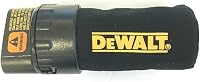
The DEWALT 20V MAX Orbital Sander uses variable speed from 8,000 to 12,000 OPM and an 8-hole hook-and-loop sanding pad. The SKIL 5” Random Orbital Sander runs from 7,000 to 13,000 OPM and includes a cyclonic dust box.
The PORTER-CABLE Buffer Polisher runs from 2,500 to 6,800 OPM. The VERVEWAVE Cordless Buffer Polisher uses 6 speed settings from 1,800 to 5,500 RPM, which gives a lower range for waxing and polishing.
Which tool should you use for wood?
Use an orbital sander for wood because sanding removes material and creates a surface ready for stain, paint or clear finish. Start with a suitable grit, keep the pad flat and move at a steady pace.
The DEWALT suits woodworkers who want a cordless 5 in sander with a brushless motor, a low-profile height and a one-handed locking dust bag. Its dust port is designed for DWV010 or DWV012 dust collectors, and a DWV9000 connector is available for other vacuum systems with 1-1/4 in hoses.
The SKIL suits a fixed work area where corded power is acceptable. Its 2.8 amp motor, variable speed and compact design support sanding on wood, metal and plastic, while the transparent X-flow dust box is easy to empty.
For more tool types and their best uses, see our guide to different types of sanders. If the project involves trim, our guide to What Tools Do You Need to Install Baseboards? covers the wider tool list.
Which tool should you use for car polishing?
Use a buffer for car polishing because it accepts polishing pads and works at a lower speed range than a sanding-first tool. Work on a clean surface, choose a pad made for the compound and keep the tool moving.
The PORTER-CABLE Buffer Polisher is a 6 in corded orbital polisher with a 4.5 amp motor. Its electronic speed dial covers 2,500 to 6,800 OPM, and its random-orbit action is intended for sanding and polishing.
The VERVEWAVE is a cordless 6 in orbital car polisher compatible with DeWalt 20V lithium-ion batteries. The tool-only kit includes 5 #80 sanding sheets, 3 #120 sanding sheets, 5 foam polishing pads, wool polishing pads, waxing pads and a user manual.
The orbital sander and polisher guide explains how one tool can serve more than one task. For pad selection, compare best orbital sander polishing pad options before using a polishing compound.
Can one tool handle sanding and polishing?
Choose a dual-purpose tool only when you can match its speed, pad and accessory to both jobs. A tool that accepts sanding and polishing accessories can reduce the number of tools you store, but it may not be ideal for every surface.
The PORTER-CABLE is the clearest mixed-use option here. Its product title identifies it as a buffer polisher, while its description also covers automotive and marine sanding.
The VERVEWAVE kit includes both sanding sheets and polishing accessories. Its eccentric motion keeps the pad moving rather than staying in one spot, and the 1,800 to 5,500 RPM range gives more control for waxing and polishing.
The DEWALT and SKIL are better choices when sanding is the main task. Their higher OPM ranges and sanding-focused designs make them natural fits for removing material and smoothing workpieces.
A sanding-first tool can still be useful for a limited polishing job only if the correct pad and accessory are approved for it. Don't attach a soft pad merely because its size looks similar to the sanding pad.
Does pad size change the choice?
Choose a pad size that matches the tool and the area you need to cover. A larger pad can cover more surface per pass, while a smaller 5 in sander can be easier to control on narrow workpieces.
The DEWALT and SKIL use 5 in random orbital sanding formats. The PORTER-CABLE and VERVEWAVE use 6 in formats for polishing work.
Pad size affects reach and control. A 5 in pad can move more easily along edges, trim and smaller sections where a larger disc may ride over details.
It also helps you keep the tool flat on narrow boards without pushing the edge into the surface.
A 6 in pad covers a wider area on flat panels, doors or vehicle surfaces. That wider contact can make broad polishing passes more efficient, but it also asks for steadier balance.
On curved areas, careful angle control keeps pressure even and avoids uneven finish.
Pad type matters as much as diameter. Sanding sheets cut and smooth, while foam, wool and waxing pads carry compound or wax.
Using a soft polishing pad on a sanding-first tool only works when the tool and pad are intended for that use.
A pad must attach correctly and stay balanced. Use the pad type and attachment system intended for the tool, then replace worn or damaged pads before starting.
Hook and loop systems make changes quick, but they still need clean mating surfaces. Dust packed into the hooks can reduce hold and let a sheet shift during use.
A brief check before each session helps keep the pad seated flat.
Balance influences vibration and finish. A damaged or uneven pad can wobble, chatter or leave marks that look like scratches.
Replacing a worn pad is a simple step that protects both the surface and the tool.
For DeWalt-compatible foam choices, see Best Foam Pads for DeWalt Orbital Sanders and Best Polishing Pads for DeWalt Orbital Sanders. Foam and polishing pads are not interchangeable with every sanding disc.
Match the pad to the stage of work. Use abrasive sheets for removal and smoothing, then switch to a finishing pad only when the surface is ready.
That order reduces wasted compound and helps each pad do the job it was made for.
What about dust and cleanup?
Choose an orbital sander when dust collection is a major part of the job. Sanding creates abrasive dust, so a dust bag or vacuum connection can reduce the amount left around the work area.
The DEWALT includes a dust bag and has a dust port designed for specific DEWALT dust collectors. The SKIL includes an X-flow cyclonic dust box with a transparent container.
Dust control changes more than comfort. Fine dust can settle on a fresh finish, coat the abrasive and make the surface harder to judge.
A bag or box will not capture everything, but it reduces the amount that spreads through the room.
Emptying the container at the right time keeps suction and collection steady. A full bag or box can cut air flow and leave more dust behind.
With a transparent container, you can see the level rise and decide when to stop and empty it.
A buffer used with polish or wax creates a different cleanup problem. Keep the work area clean before polishing, because loose grit can mark the surface as the pad moves.
Polishing cleanup focuses on residue rather than airborne dust. Wipe away excess compound so it does not dry in edges or trim.
Clean pads after use so old polish does not carry into the next job and create uneven results.
If you're considering concrete work, read Can You Use an Orbital Sander on Concrete? before choosing a disc or starting the job. Concrete dust needs a more careful control plan than ordinary wood sanding.
How should you choose between these 4 tools?
Pick the DEWALT for cordless sanding, the SKIL for corded sanding, the PORTER-CABLE for controlled corded polishing, and the VERVEWAVE for cordless automotive polishing. The best choice follows the job you do most often.
Choose the DEWALT when you already use its 20V MAX battery system or want a cordless 5 in sander. Remember that the battery and charger are sold separately.
Choose the SKIL when you want a corded sanding tool with a dust box and included sanding sheets. Its 120V corded format works best when the project stays near an outlet.
Choose the PORTER-CABLE when polishing control and a 6 in pad matter more than cordless movement. Its side handle can help you guide the tool during larger polishing tasks.
Choose the VERVEWAVE when you already have a compatible DeWalt 20V lithium-ion battery and want a cordless car-polishing kit. Its battery and charger are not included, but the kit includes several sanding and polishing accessories.
Final choice: orbital sander or buffer?
Choose an orbital sander when the surface needs material removed, and choose a buffer when the surface needs polishing or waxing. For mixed work, select a tool whose speed range and pad system cover both tasks.
The DEWALT and SKIL are the stronger sanding matches here. The PORTER-CABLE and VERVEWAVE are the better buffer matches, with lower speed ranges and polishing-focused accessories.
The DEWALT suits cordless wood sanding with 8,000 to 12,000 OPM and dust collection options. Its low profile helps with control close to the work surface, and the one-handed locking dust bag supports quick changes during a job.
Battery and charger are sold separately, so factor that into the setup if you do not already use the system.
The SKIL suits corded sanding in a fixed work area. Its variable speed, compact body and cyclonic dust box support general surface preparation on wood, metal and plastic.
The cord gives steady power for longer sessions but limits movement around a large workpiece or vehicle.
The PORTER-CABLE suits controlled polishing with a 6 in pad and a 2,500 to 6,800 OPM range. The side handle helps guide the tool during larger passes, and the random orbit motion supports swirl-free sanding or polishing.
It needs a corded connection, so plan for outlet placement before starting.
The VERVEWAVE suits cordless automotive polishing for users with compatible DeWalt 20V lithium-ion batteries. Its 1,800 to 5,500 RPM range and included sanding, foam, wool and waxing accessories cover a wider set of car care tasks.
Battery and charger are not included, and the main focus remains automotive work.
If you need pads for a finishing project, compare the best orbital sander polishing pad choices before buying. For another trim project, see What Tools Do You Need to Install Crown Molding?.
Make the final call by looking at your most common job. Choose a sander if most projects start with smoothing and prep.
Choose a buffer if most projects finish, polish or wax a surface that is already smooth.
Frequently asked questions
What is the main difference between an orbital sander and a buffer?
An orbital sander is mainly for removing material, smoothing wood and preparing surfaces for finish. A buffer is mainly for polishing, waxing and improving the appearance of an already smooth surface.
Their motions can overlap, but their pad materials, speed ranges and intended tasks are different.
Can you use an orbital sander as a buffer?
You can use some random orbital sanders for light polishing when the tool accepts a suitable foam pad and the maker allows that use. Keep the speed low, use the correct pad and compound, and avoid assuming that a sanding pad or high speed is safe for painted surfaces.
Can a buffer sand wood?
Some orbital buffers accept sanding accessories, but a dedicated random orbital sander is usually the simpler choice for wood preparation. Sanding depends on abrasive grit, dust control and consistent surface contact, while a buffer is often selected for polishing and waxing.
Which is better for car polishing, an orbital sander or buffer?
A buffer is the better match for car polishing because its lower speed range and polishing pads are designed for that type of surface work. The PORTER-CABLE and VERVEWAVE options here are buffer-focused, while the DEWALT and SKIL options are sanding-focused.