Can A Table Saw Replace A Miter Saw?
While a table saw can perform some crosscuts, it generally cannot fully replace a miter saw, especially for precise, angled cuts on long workpieces. Compare how a table saw and miter saw fit your projects.
Each saw excels in different areas; a table saw is ideal for ripping long boards, while a miter saw is purpose-built for accurate crosscuts and miters.
TL;DR: Here’s the quick take on replacing a miter saw with a table saw:
- A table saw handles ripping better, while a miter saw is for accurate crosscuts and angles.
- For complex angles and long boards, a miter saw offers better precision and safety.
- You might manage some miter saw tasks on a table saw with jigs, but it’s often less efficient.
- Dedicated tools usually perform their specific jobs best, saving time and frustration.
- Consider your primary projects before trying to make one tool do everything.
Can A Table Saw Replace A Miter Saw?
No, a table saw cannot fully replace a miter saw. For the reverse question, see whether you can use a miter saw as a table saw. While there’s some overlap in their capabilities, each tool is designed for distinct purposes and excels in different cutting scenarios.
Trying to make one tool do everything often leads to compromises in precision, safety, and efficiency. It’s like using a screwdriver when you really need a wrench.
Understanding Each Saw’s Core Strength
Every tool in your workshop has a job it does best. Understanding these core strengths helps you pick the right one.
This approach saves you time and ensures better results for your woodworking projects, large or small.
What Your Miter Saw Does Best
Your miter saw is the undisputed champion of crosscuts and angles. It excels at cutting boards to length, creating perfect miters for trim, and precise bevels.
We found that its swing arm design makes it incredibly safe and effective for handling long, unwieldy stock with ease (Woodworking Institute research).
Where Your Table Saw Shines
The table saw is king when it comes to ripping long boards. This means cutting wood along the grain to reduce its width.
It’s also fantastic for creating dadoes, rabbets, and other joinery, thanks to its stable fence and large cutting surface.
Crosscutting with a Table Saw: The Reality
Can you make a crosscut on a table saw? Absolutely. But it’s not always the best or safest option, especially for long pieces.
It demands a different approach and often requires additional setup compared to a miter saw.
Using a Sled for Crosscuts
For crosscutting on a table saw, a crosscut sled is your best friend. It holds your workpiece securely and slides smoothly.
This allows you to make accurate cuts across the grain, essential for many woodworking tasks.
The Limitations of Crosscutting on a Table Saw
Even with a sled, the table saw has its limits for crosscuts. Long boards can be difficult to manage safely and accurately.
Also, setting up for repeat cuts on a table saw can be more time-consuming than on a dedicated miter saw.
Miter Cuts on a Table Saw: Is It Practical?
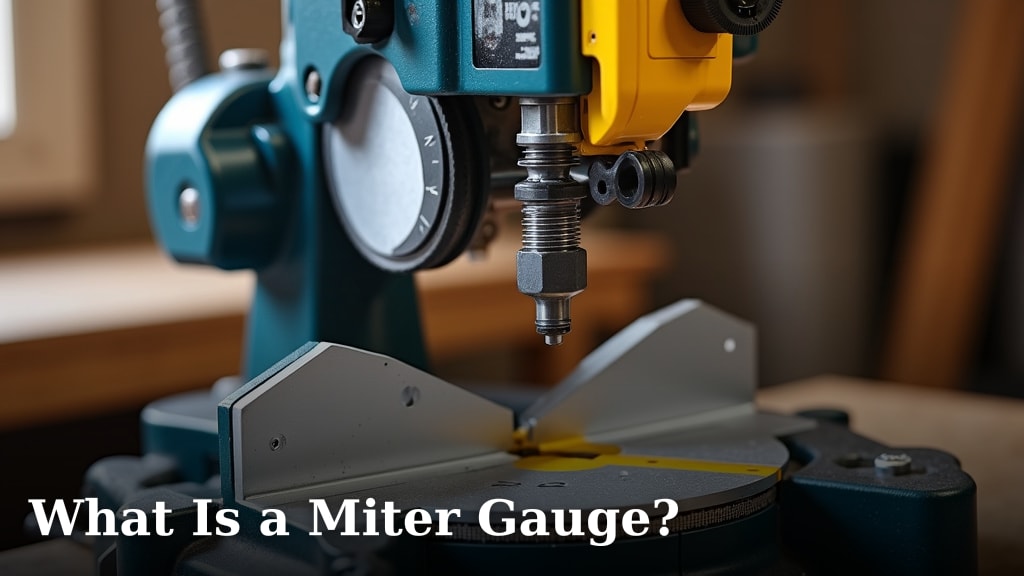
You can certainly cut miters on a table saw using miter gauge or a specialized sled. But is it practical for every project?
Many experts say that while possible, it requires more care and setup than a miter saw, especially for larger angles (Fine Woodworking guides).
Angle Challenges and Safety Concerns
Achieving precise angles on a table saw, especially compound miters, can be tricky. You often need to tilt the blade and use a miter gauge.
This setup can introduce more opportunities for error or kickback if not handled with extreme caution and proper technique.
Safety First: A Key Consideration
When working with any power tool, safety is paramount. The way each saw operates impacts how you approach cuts, especially regarding your hands and the workpiece.
You always want to ensure the safest possible environment for your projects, don’t you?
Miter Saw Safety Advantages
With a miter saw, the workpiece usually stays put on the table while the blade moves. This design often feels more intuitive for angled crosscuts.
It helps keep your hands clear of the blade and provides a stable platform for making precise cuts.
Table Saw Safety for Specific Cuts
The table saw requires different safety considerations, particularly for ripping and using jigs. Always use a push stick and maintain proper form.
Kickback is a serious concern, so never force a cut and ensure your blade is sharp and aligned.
When You Might Make Do (And When Not To)
Sometimes, you can get away with using one tool for a task typically meant for another. But there are clear lines you shouldn’t cross.
Knowing these boundaries helps you work smarter and stay safer in your shop.
Small Projects and Simple Crosscuts
If you’re making a simple picture frame or cutting small pieces of trim, a table saw with a good crosscut sled might suffice. It can handle these easily.
But for larger, repetitive, or intricate angle cuts, you’ll quickly miss the dedicated design of a miter saw.
When a Miter Saw is Non-Negotiable
For crown molding, baseboards, or any project requiring precise, repeatable miters and bevels on long stock, a miter saw is non-negotiable.
Trying to replicate these cuts on a table saw can be frustrating, inaccurate, and even dangerous.
Table Saw vs. Miter Saw: A Quick Comparison
Here’s a snapshot to help you visualize the differences. Each tool has its place in a well-equipped workshop, serving distinct purposes.
Understanding their primary functions makes choosing the right tool much simpler for your specific needs.
| Feature | Table Saw | Miter Saw |
|---|---|---|
| Primary Function | Ripping (longitudinal cuts) | Crosscutting, Mitering (transverse cuts) |
| Best For | Sheet goods, wide boards, joinery | Trim, molding, framing, precise angles |
| Blade Movement | Stationary, workpiece moves | Moves down through stationary workpiece |
| Typical Setup | Fence, push sticks, featherboards | Adjustable table/fence angles |
| Safety Concern | Kickback, blade exposure | Blade pinch, flying debris |
Essential Jigs for Table Saw Miter-Style Cuts
If you absolutely must make miter-style cuts on your table saw, these jigs can make the task safer and more accurate. For other options, see alternatives to a miter saw.
They are not true replacements, but they help bridge the gap for specific applications.
- Crosscut Sled: Essential for square and angled crosscuts.
- Miter Gauge: Comes standard, good for basic angled cuts.
- Taper Jig: Helps create angled rips for furniture legs.
- Precision Stop Block: Ensures repeatable cut lengths.
- Featherboards: Keep material tight against fence/table.
Conclusion
Ultimately, while there’s some overlap, a table saw cannot truly replace a miter saw. They are distinct tools, each designed to excel at specific tasks.
A table saw is for ripping and sheet goods; a miter saw is for precise crosscuts and angles, especially on trim. Investing in both provides the most versatility and safety for your woodworking projects.
Don’t try to force a tool to do something it wasn’t made for. Your results, and your safety, will thank you.
Can a table saw cut 45-degree angles?
Yes, a table saw can cut 45-degree angles. You achieve this by tilting the blade to 45 degrees and either using your fence for ripping a bevel or a miter gauge/sled for an angled crosscut.
Is a miter saw more accurate than a table saw for crosscuts?
For most users, a miter saw tends to be more accurate for crosscuts, especially on longer workpieces. Its design makes it easier to set and hold precise angles repeatedly without complex jig setups.
Can a table saw cut molding or trim?
A table saw can cut molding or trim, particularly for straight rips or simple crosscuts using a sled. However, for intricate mitered or beveled trim work, a miter saw offers far greater ease, precision, and safety for those complex angles.
Which saw is safer for beginners?
Many experts consider a miter saw generally safer for beginners when making crosscuts. For a closer look at the safety tradeoffs, read our saw safety comparison. The workpiece is held stationary while the blade moves, which can feel more controlled. Table saws require more advanced techniques to prevent kickback and ensure hand safety.
Do I need both a table saw and a miter saw for a small workshop?
For a small workshop, whether you need both depends on your projects. If you frequently work with trim, framing, or accurate crosscuts, a miter saw is essential. If you primarily rip boards or cut sheet goods, a table saw is key. Many woodworkers find having both to be ideal for versatility.