Do I Need A Miter Saw?
You likely need a miter saw if you often tackle projects requiring precise, angled cuts in wood, plastic, or even some metals.
It’s a fantastic tool for tasks like trim work, picture frames, deck building, or crafting furniture, making your work faster and more accurate.
Here’s a quick overview of why a miter saw might be a great addition to your workshop:
- Miter saws excel at precise cross-cuts and angled cuts, known as miter cuts.
- They are essential for jobs involving trim, molding, flooring, and accurate framing.
- Consider one if your projects involve repetitive cuts where consistency is key.
- It offers a significant upgrade in speed and accuracy compared to hand saws for these specific tasks.
- However, it might not be your first tool for rough cuts or projects not needing high precision.
Do I Need A Miter Saw?
Determining if you need a miter saw depends on your project types and your desire for precision. It’s a specialized tool for specific cutting tasks.
What Does A Miter Saw Actually Do?
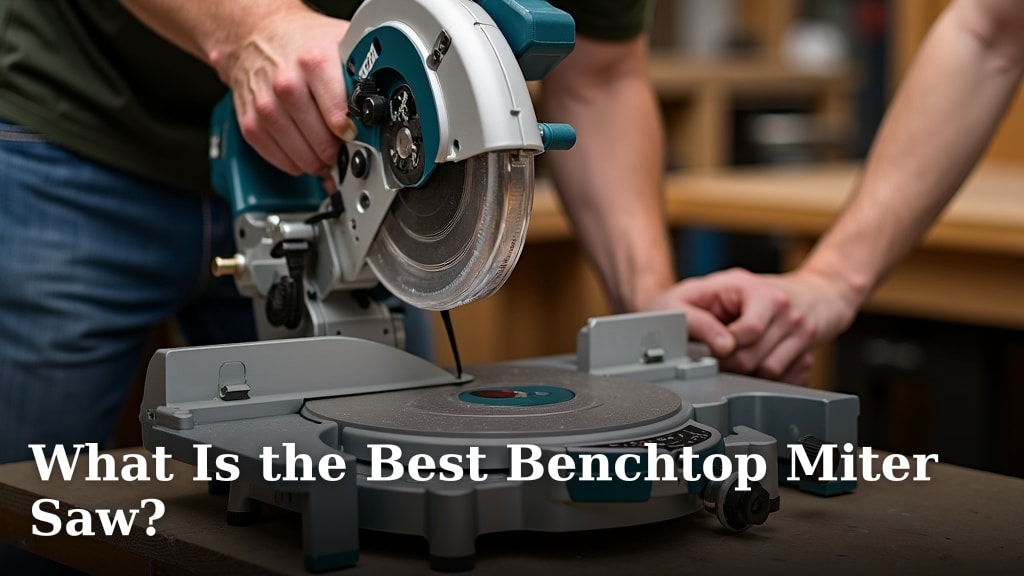
A miter saw is a power tool that cuts wood and other materials at various angles. Think of it as a highly accurate chop saw for your woodworking needs.
It uses a circular blade mounted on a swing arm that pivots left or right. This action creates exact miter cuts, perfect for joining corners.
Many models also bevel, meaning the blade can tilt to cut an angle on the edge of the material. This combines to create compound cuts, vital for complex trim work.
Who Really Needs A Miter Saw?
We found that a miter saw becomes indispensable for anyone craving clean, precise angles. Are you tired of eyeballing cuts and getting less-than-perfect joints?
If your projects regularly involve joining pieces at an angle, this tool will transform your workflow. It’s about consistency and saving time.
When a Miter Saw is Your Best Friend
Imagine effortlessly cutting perfect 45-degree angles for a picture frame. Or precisely trimming baseboards to fit seamlessly into a corner.
These are scenarios where a miter saw truly shines. It provides the accuracy needed for a professional finish every time.
Are You a DIY Enthusiast?
If you love home improvement projects, a miter saw can be a game-changer. It helps you tackle tasks with more confidence and better results.
From building custom shelves to installing new flooring, the precision it offers makes your DIY efforts look professional. Many experts say it’s a core tool for serious DIYers (Home Improvement Guides).
Working on Home Renovations?
Renovations often demand precise cuts for trim, molding, and framing. A miter saw makes these often-tedious tasks much faster and more accurate.
Installing crown molding, for example, becomes a manageable task rather than a daunting challenge. You’ll appreciate the clean lines and tight joints.
The Different Types of Miter Saws
Not all miter saws are created equal. Understanding the types helps you choose the right one for your needs.
Standard Miter Saws
These are the simplest, cutting straight crosscuts and basic miter angles. They are excellent for straightforward projects like basic framing.
Compound Miter Saws
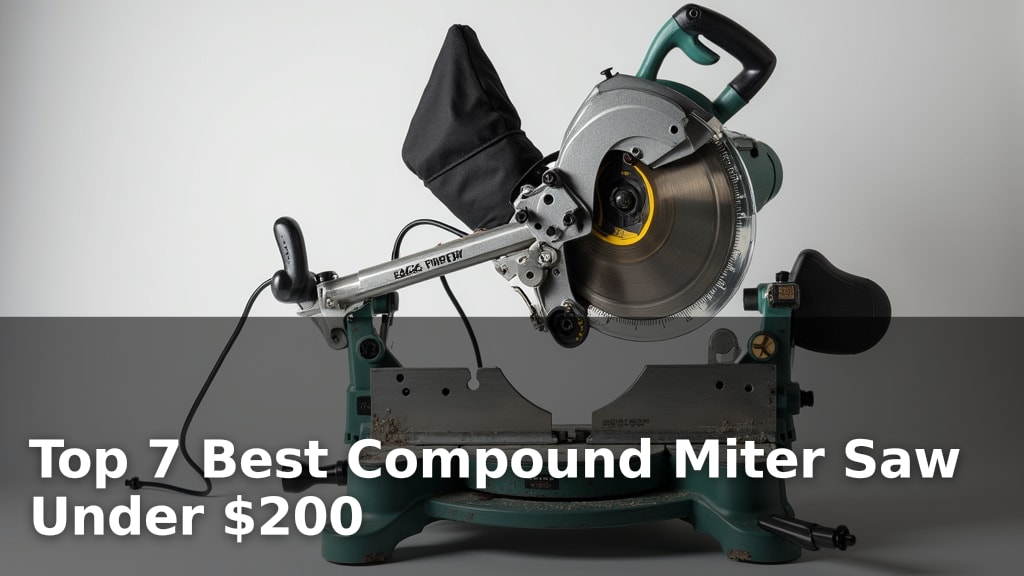
A compound miter saw adds the ability to bevel (tilt) the blade in one direction. This allows for both miter and bevel cuts at the same time, creating compound angles.
Sliding Compound Miter Saws
This type features a sliding arm, letting the blade move forward and back. This significantly increases the cutting capacity, allowing you to cut much wider boards.
Dual-Bevel Miter Saws
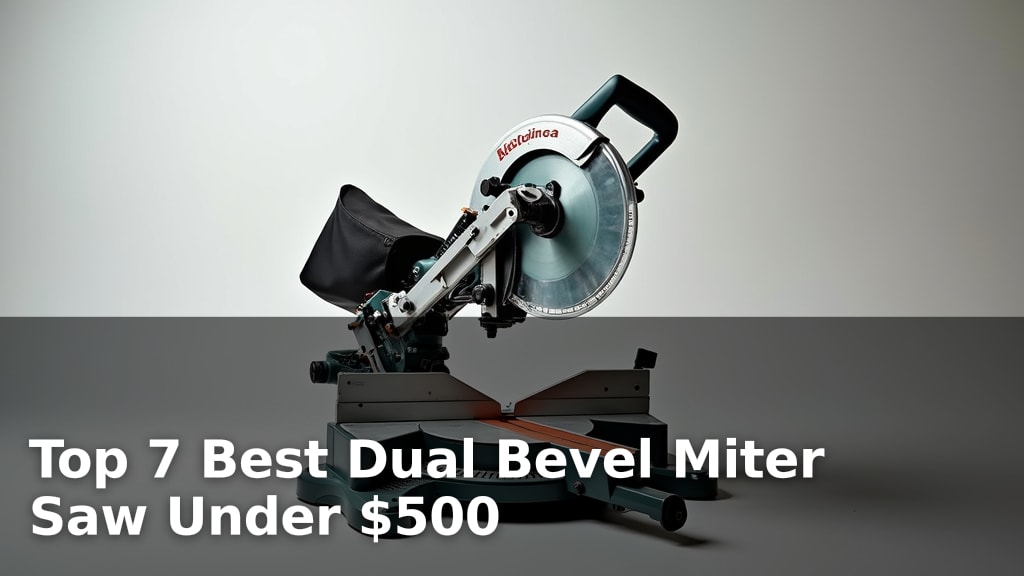
A dual-bevel saw can tilt the blade both left and right. This saves time because you don’t need to flip your workpiece for mirrored cuts, which is handy for crown molding.
Is It Right for Small Projects?
Absolutely. For small, detailed projects like custom jewelry boxes or decorative molding, a miter saw provides unmatched precision. A small benchtop model can be perfect.
What Can You Cut With It?
Miter saws are primarily designed for wood, but with the right blade, they can cut other materials. We found that they handle plastics, composite materials, and even some non-ferrous metals.
Always ensure you use the correct blade type for the material you are cutting. Safety first, always.
Miter Saw vs. Other Saws: A Quick Look
How does a miter saw compare to other common saws? Here’s a brief overview:
| Saw Type | Primary Use | Miter Saw Advantage |
|---|---|---|
| Miter Saw | Precise cross-cuts, miters, bevels | Unmatched accuracy for angles, repetitive cuts |
| Circular Saw | Straight cuts, ripping sheets, general construction | Better for precision angles and repeatable cuts |
| Table Saw | Ripping long boards, dados, panel cutting | Superior for cross-cutting long pieces, quicker setup for angles |
| Hand Saw | Manual cutting, small jobs, no power needed | Faster, more accurate, less effort, better finish |
When You Might NOT Need One
If your projects are mostly rough carpentry, like building a simple raised garden bed, a circular saw might be sufficient. It handles less precise cuts perfectly fine.
For very occasional small cuts, a hand saw might still be your go-to. Don’t buy a specialized tool if you won’t use its core capability often.
Considering a Miter Saw? Ask Yourself These
Before you commit, think about your typical projects and needs:
- Do you frequently need to cut precise angles?
- Are you often cutting trim, molding, or flooring?
- Do you want to achieve professional-looking joints in your projects?
- Is saving time on repetitive, accurate cuts important to you?
- Do you work with wider boards that might need a sliding model?
Choosing Your First Miter Saw
Start with a good quality compound miter saw. It offers a balance of versatility and affordability for most homeowners and DIYers.
Look for features like a good dust collection system and a strong motor. Prioritize safety features and a comfortable handle.
Conclusion
A miter saw is a powerful addition to any workshop, especially if you value precision and efficiency. It excels at making accurate angled and straight cuts, making your projects look cleaner and more professional.
While not for every type of cut, for tasks involving trim, framing, or any work requiring reliable angles, it’s an incredibly helpful tool. Consider your project needs, and you’ll easily decide if a miter saw is your next essential purchase.
What’s the main difference between a miter saw and a chop saw?
While often used interchangeably, a miter saw specifically cuts angles by pivoting its blade. A chop saw typically only cuts straight 90-degree crosscuts. Many miter saws are technically compound miter saws that can also make bevel cuts.
Can a miter saw replace a table saw for all cuts?
No, a miter saw cannot replace a table saw for all cuts. A miter saw is best for cross-cutting and angled cuts across the width of a board. A table saw excels at ripping (cutting along the length of a board) and handling larger sheet goods. For help deciding whether both tools suit your projects, read the guide to using both saws.
Is a sliding miter saw worth the extra cost?
A sliding miter saw is definitely worth the extra cost if you frequently cut wider boards, such as 2x10s or 2x12s, or need to cut wider trim. The sliding rail significantly increases the saw’s cross-cutting capacity compared to a non-sliding model.
What size miter saw blade should I get?
The most common miter saw blade sizes are 10-inch and 12-inch. A 10-inch blade is sufficient for most DIY and home renovation projects, handling standard lumber and trim. A 12-inch blade offers greater cutting depth and capacity for larger materials.
Are miter saws safe for beginners?
Miter saws can be safe for beginners with proper instruction and strict adherence to safety guidelines. Always read the manual, use safety glasses, and ensure the workpiece is clamped firmly. Start with simple cuts to build confidence and muscle memory.