How To Buy A Miter Saw?
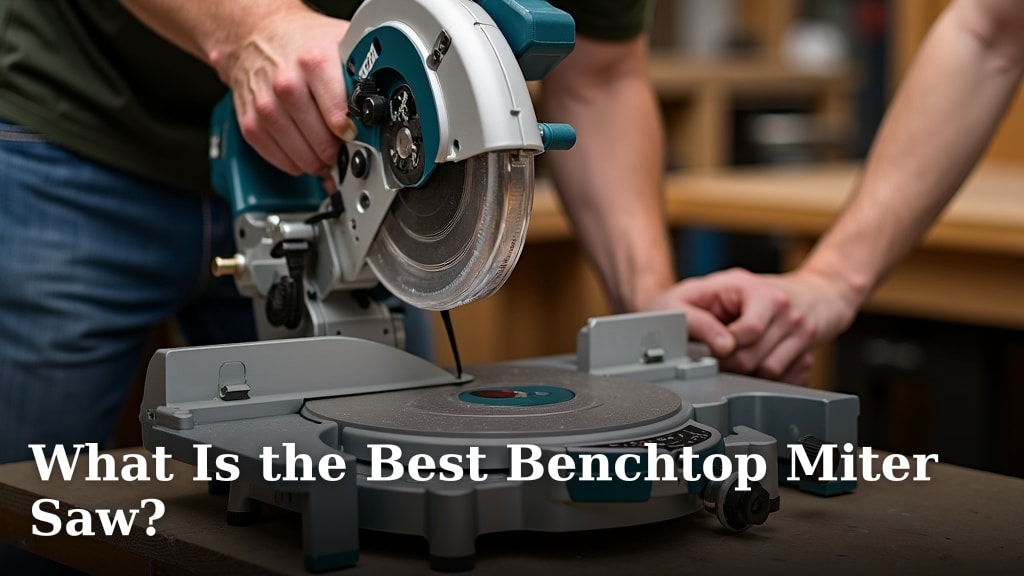
A miter saw is a power tool designed for making precise crosscuts and miter cuts, ideal for trim work, framing, and various woodworking projects.
To buy a miter saw, you should consider your project needs, desired power, blade size, and essential features like bevel and miter capabilities, ensuring the best fit for your workshop. Once you know what you need, our guide to where to buy a miter saw covers places to shop.
- Assess your project type: Are you cutting small trim or large lumber?
- Choose the right miter saw type: Standard, compound, or sliding?
- Consider blade size for depth and width of cuts you need.
- Look for helpful features like dust collection and laser guides.
- Decide between the consistent power of corded or the portability of cordless.
How To Buy A Miter Saw?
A miter saw purchase hinges on your project scope, required power, and key features like blade size and cut angles. Focus on matching the tool to your specific woodworking or construction needs.
Understanding Miter Saws: What Are They?
Imagine a precise saw mounted on a pivoting arm that swings left and right. That’s a miter saw. It excels at making accurate angle cuts. These cuts are often called miter cuts.
You can also make straight crosscuts with ease. It’s a fundamental tool for any serious DIYer or professional. Many carpenters consider it a workshop cornerstone.
Why Do You Need a Miter Saw?
Are you tackling crown molding, picture frames, or deck building? A miter saw makes these tasks simple. It offers speed and accuracy unmatched by hand saws.
Without one, you might struggle with crooked cuts. This tool brings a new level of professionalism to your projects. It saves both time and frustration.
Types of Miter Saws: Which One Fits You?
Not all miter saws are the same. Each type offers different capabilities. Understanding these differences is key to making a smart purchase.
Think about the kinds of cuts you’ll be making most often. This will guide your choice.
Standard Miter Saw
This is the most basic type. It cuts straight down and pivots for miter angles. You can cut angles from 0 to 50 degrees.
A standard miter saw is good for simpler tasks. It’s often the most affordable option. We found it’s a great starting point for beginners.
Compound Miter Saw
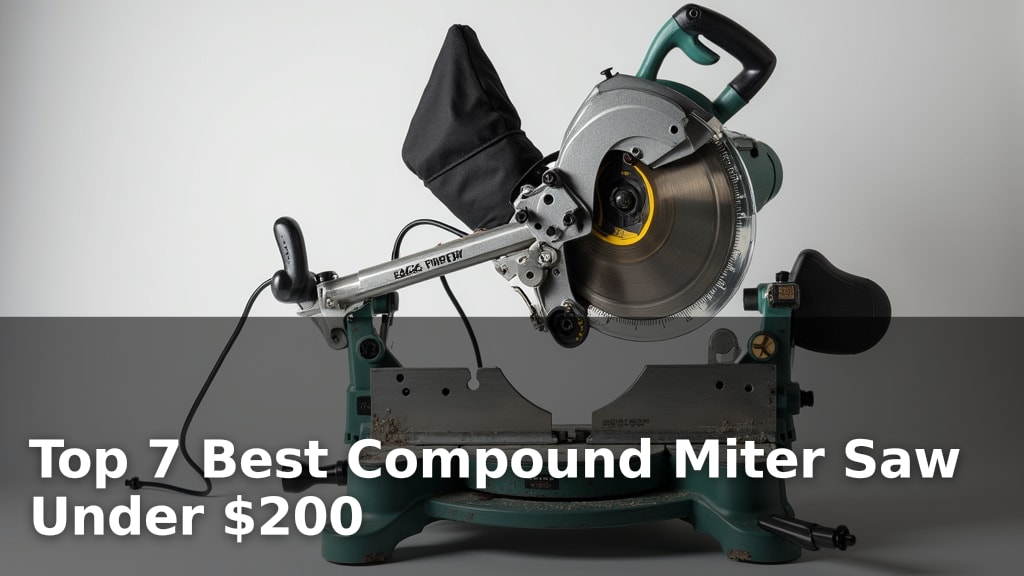
A compound miter saw does everything a standard saw does. But it also tilts, or “bevels,” for angled cuts. This means you can cut both a miter and a bevel at once.
This capability is super handy for crown molding. Many experienced users say it simplifies complex trim work. Look for models that bevel in one direction (single) or both (dual).
Sliding Compound Miter Saw
This saw adds a sliding rail to the compound miter saw. The blade can move forward and backward. This feature greatly increases the cutting capacity.
You can cut wider boards with ease. If you work with 2×12 lumber, this is often your best friend. Many professionals rely on its versatility.
Dual Bevel Miter Saw
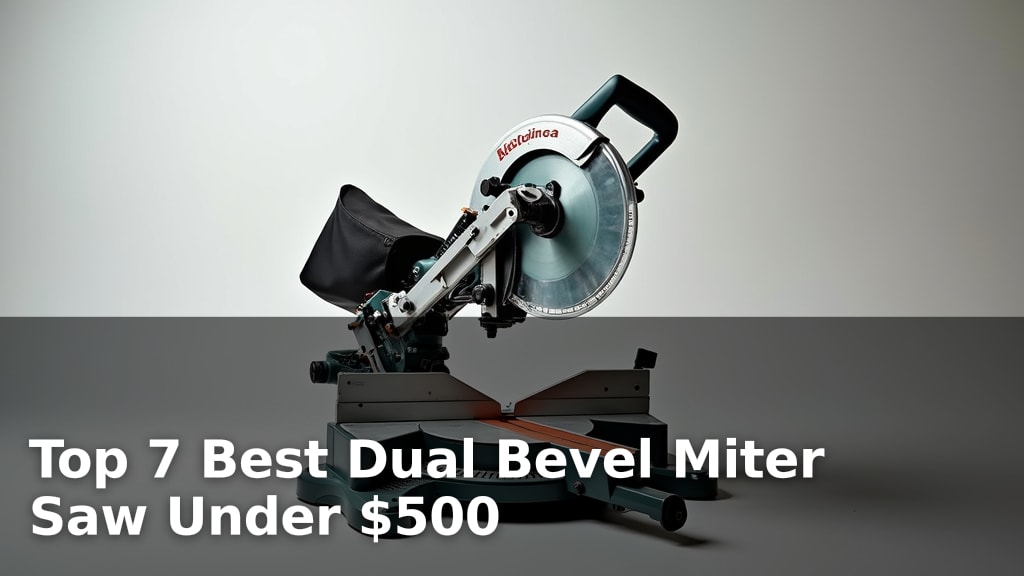
A dual bevel compound miter saw tilts both left and right. You don’t need to flip your workpiece. This saves time and increases safety.
For repetitive bevel cuts, this feature is a game-changer. Research shows it can significantly speed up your workflow. It’s a popular choice for serious woodworkers.
Key Features to Look For
Beyond the type, several features impact a saw’s performance. Knowing what to prioritize helps you pick the right tool. These details often make a big difference.
Blade Size Matters
Miter saws typically come with 10-inch or 12-inch blades. A 10-inch blade is common for lighter tasks. It spins faster and makes fine cuts.
A 12-inch blade offers greater cutting depth and width. It’s suitable for larger lumber and more demanding jobs. Many experts recommend matching blade size to your typical material dimensions.
Power and Motor
The motor’s power is measured in amps or horsepower. More power means easier cutting through dense wood. Most saws range from 10 to 15 amps.
A higher amperage motor will maintain speed under load. This prevents bogging down. Many tool manufacturers often highlight motor strength for tough materials.
Bevel and Miter Angles
Check the maximum miter and bevel angles the saw can achieve. Most saws miter up to 50-60 degrees. Bevels usually go up to 45 degrees.
Look for easy-to-read scales and positive stops. These detents lock the blade at common angles. This makes repeatable cuts simple and accurate (many experienced users confirm this).
Dust Collection System
Miter saws generate a lot of sawdust. A good dust collection system is essential. It keeps your workspace cleaner and safer.
Some saws have integrated bags; others connect to shop vacs. We found that connecting to a shop vac generally offers superior dust control. Breathing in sawdust is never fun.
Safety Features
Safety should always be a top priority. Look for a blade guard that retracts smoothly. An electric brake stops the blade quickly.
A comfortable D-handle grip also helps control. Many manufacturers prioritize user safety. Always wear appropriate eye and hearing protection.
Laser Guides and Work Lights
A laser guide shows exactly where the blade will cut. This feature boosts accuracy and confidence. It takes the guesswork out of alignment.
Integrated work lights illuminate your cutting area. This is particularly helpful in dimly lit workshops. Many find these small additions extremely useful.
Corded vs. Cordless: Your Power Choice
Corded miter saws offer consistent power all day long. You never run out of battery. They are generally more powerful for heavy-duty tasks.
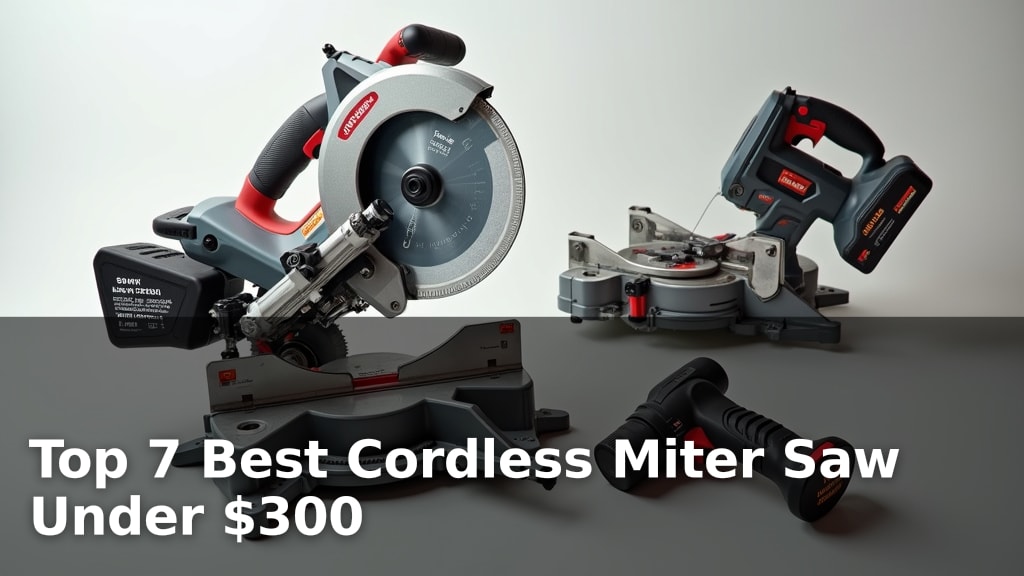
Cordless models provide unmatched portability. You can work anywhere without an outlet. Battery technology has improved significantly (many industry reviews show this). Consider your work environment.
What’s Your Budget Range?
Miter saws vary widely in price. Entry-level models start around $150. Professional-grade saws can easily exceed $600.
Determine your needs versus your spending limit. Don’t overspend on features you won’t use. But also, don’t underspend if you need durability and precision for frequent work.
A Miter Saw Buying Checklist
- Decide on the saw type: Standard, Compound, Sliding, or Dual Bevel.
- Choose appropriate blade size (10-inch or 12-inch) for your materials.
- Check motor power (amps) for consistent cutting performance.
- Look for easy-to-adjust miter and bevel angles with positive stops.
- Evaluate dust collection efficiency and essential safety features.
- Consider extra features like laser guides and work lights if desired.
- Pick between corded (power) or cordless (portability) based on your needs.
Comparing Common Miter Saw Features
| Feature | Standard Miter Saw | Single Bevel Compound Miter Saw | Dual Bevel Compound Miter Saw | Sliding Compound Miter Saw |
|---|---|---|---|---|
| Miter Cuts | Yes | Yes | Yes | Yes |
| Bevel Cuts | No | One Direction (e.g., Left) | Both Directions (Left & Right) | Both Directions (Left & Right) |
| Wider Cuts | No | No | No | Yes (sliding rail) |
| Complexity | Low | Medium | Medium-High | High |
| Typical Price | $ | $$ | $$$ | $$$$ |
Conclusion
Buying a miter saw doesn’t have to be a confusing experience. By focusing on your specific project needs and understanding the key features, you can confidently choose the right tool. Think about the types of cuts you’ll make, the materials you’ll use, and the level of precision you require. With the right miter saw, your projects will become much more enjoyable and your results will look professional.
What is the main difference between a single and dual bevel miter saw?
A single bevel miter saw only tilts in one direction (usually left) to make angled cuts. A dual bevel model can tilt both left and right, allowing you to make opposing bevel cuts without flipping your workpiece, saving time and effort.
How important is a laser guide on a miter saw?
A laser guide can significantly improve your cutting accuracy by projecting a line where the blade will cut. While not strictly essential, many users find it incredibly helpful for precise alignment, especially for intricate trim work.
Can a 10-inch miter saw cut a 4×4 post?
A 10-inch miter saw typically can’t cut through a 4×4 post in a single pass due to depth limitations. You would usually need to flip the material and cut from both sides, or opt for a larger 12-inch blade saw, or a sliding model for greater capacity.
Are cordless miter saws as powerful as corded ones?
Modern cordless miter saws are surprisingly powerful and can handle many tasks effectively. However, for continuous heavy-duty cutting, corded models often offer more consistent power without needing battery changes. Your project type and duration will determine the best choice.
What’s a good budget for a first-time miter saw buyer?
For a first-time buyer with general DIY needs, a budget of $150 to $300 can get you a reliable compound miter saw. If your projects involve wider materials or require more advanced features, you might need to budget closer to $400 or more for a sliding or dual-bevel model.