Which Dewalt Miter Saw To Buy?
On this page (5 sections)
To choose the best Dewalt Miter Saw, consider your primary projects: a smaller 7-1/4 inch or 10-inch saw works for trim, while a 12-inch sliding compound model is ideal for wider boards and framing.
Your ideal Dewalt miter saw depends on your work’s scale and portability needs, focusing on features like blade size, sliding capabilities, and whether you need cordless power. To check whether DeWalt offers a 10-inch slider, see DeWalt’s 10-inch sliding saw options.
Looking for a quick answer? Here’s the rundown on picking your perfect DeWalt miter saw:
- For small trim and hobby work, a 10-inch non-sliding saw is often enough.
- Need to cut wider boards like decking? A 12-inch sliding compound miter saw is your friend.
- Professionals and those needing maximum versatility will lean towards dual-bevel sliding models.
- Cordless options are great for job sites, offering flexibility without sacrificing power.
- Always match the saw’s features, like blade size and motor power, to your typical projects.
Which Dewalt Miter Saw To Buy?
Choosing your Dewalt miter saw boils down to your projects: a compact 10-inch for light trim, or a powerful 12-inch sliding saw for wider cuts and heavy framing.
Why Your Miter Saw Choice Matters
Thinking about a new miter saw? It’s a big decision for your workshop. A miter saw can transform your woodworking projects, making cuts precise and quick. After choosing a model, see our guide to where to buy a miter saw. For updates on new models, see what is known about new DeWalt miter saws.
But with many DeWalt options, how do you find the right one? We understand the confusion. Let’s make this choice clear and simple for you.
Understanding Dewalt Miter Saw Types
DeWalt offers different types of miter saws, each built for specific jobs. Knowing the differences helps you pinpoint your needs.
The Standard Compound Miter Saw
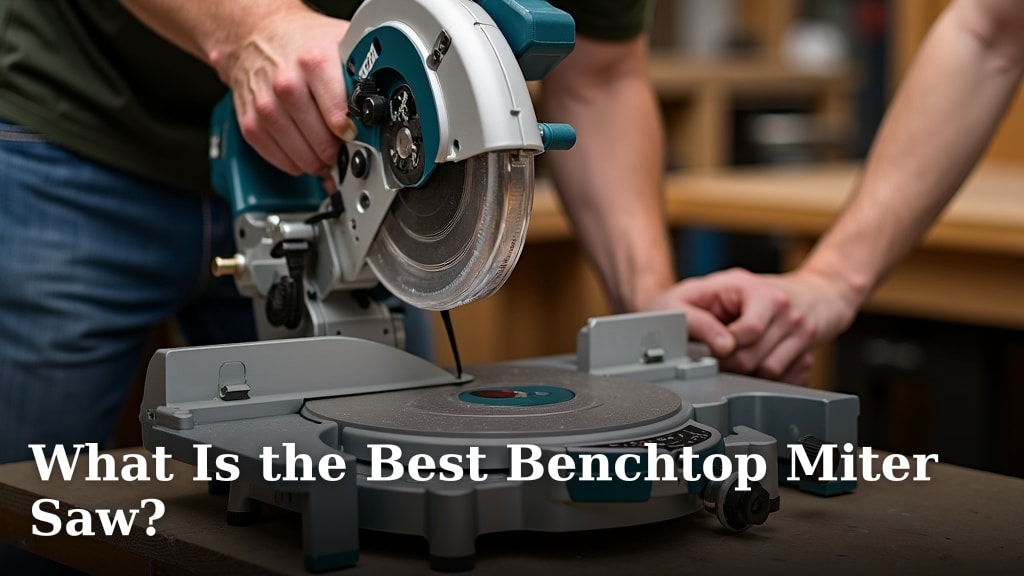
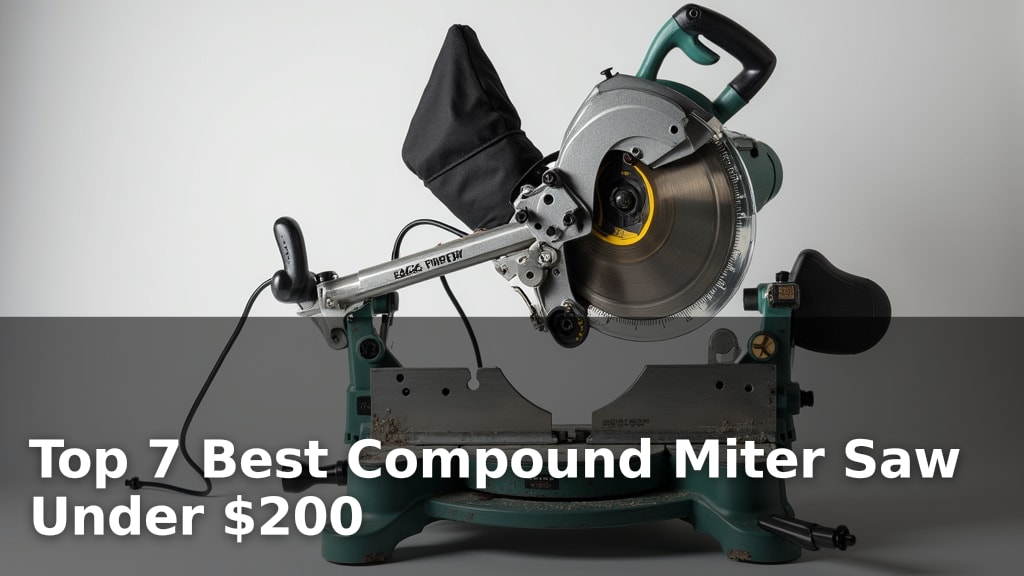
This is your basic workhorse. A compound miter saw cuts angles (miter) and bevels (tilt) on one axis. It’s great for crown molding, trim, and general cross-cutting.
These saws are compact and lighter. For a lot of standard cuts, many experts say a good 10-inch compound saw is all you need (Pro Workshop Guide).
When a Sliding Miter Saw is Best
Need to cut wider boards, like a 2×12? Learn whether a sliding miter saw suits that work. That’s where a sliding miter saw shines. The blade moves forward and back on rails, giving you a much longer cutting capacity.
This extra reach is amazing for decking, larger trim, and even some framing. While they take up more space, the versatility is often worth it for many users.
Dual-Bevel for Ultimate Versatility
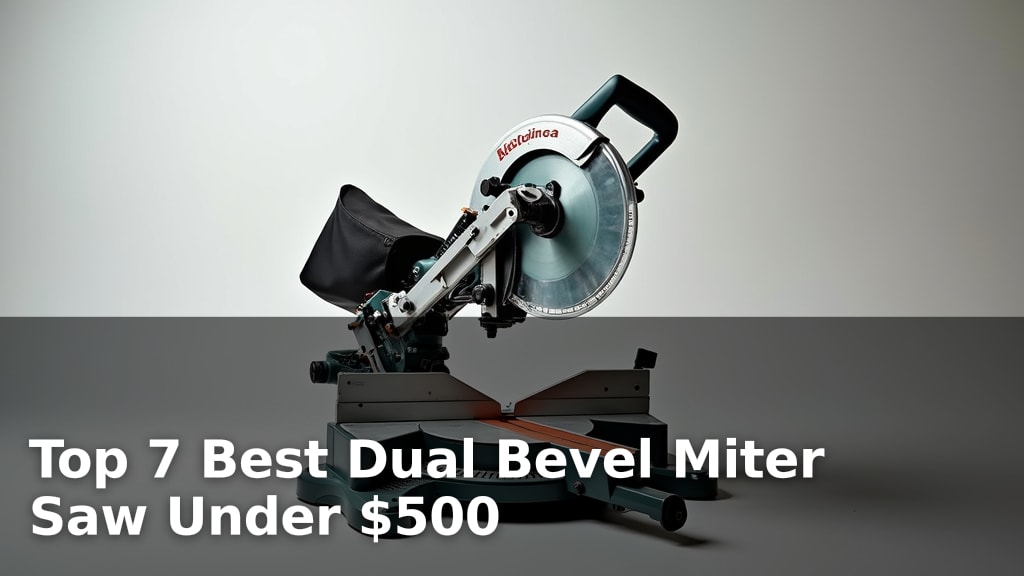
A dual-bevel saw tilts both left and right. This saves you time by not having to flip your workpiece. For complex trim work, this feature offers incredible efficiency and convenience.
Many professional carpenters find a dual-bevel saw a huge time-saver on site. It reduces setup time significantly.
Key Features to Consider
Beyond the basic type, several features will influence your saw’s performance and suitability. Think about how you work daily.
Blade Size: 10-inch vs. 12-inch
The blade size directly relates to cutting depth and width. A 10-inch blade is lighter and often cheaper, perfect for smaller trim and hobby work.
A 12-inch blade offers more capacity. It cuts deeper and wider, making it suitable for larger lumber. Many professionals prefer the 12-inch for its power and versatility.
Motor Power and RPM
A stronger motor means less bogging down, even in dense hardwoods. Look for motors with high amp ratings. Higher RPM (revolutions per minute) translates to smoother, cleaner cuts.
We found that saws with a robust 15-amp motor typically handle almost any material you throw at them. This ensures consistent performance.
Dust Collection and Accuracy
Good dust collection keeps your workspace cleaner and your lungs happier. DeWalt’s systems are often praised, but consider adding a shop vac for even better dust control.
Accuracy is paramount for miter saws. Look for models with precise miter and bevel detents. Many DeWalt saws are known for their “out-of-the-box” accuracy.
Dewalt Miter Saws for Different Users
Let’s match some popular DeWalt models to common user types. This can help you narrow down your options quickly.
For the Weekend Warrior & DIY Enthusiast
If you’re tackling home projects and occasional woodworking, you don’t need the most expensive saw. A reliable 10-inch non-sliding compound miter saw is often ideal.
Models like the DeWalt DWS713 or DWS715 are popular choices. They offer great value and solid performance for common tasks like baseboards or deck repairs.
The Professional’s Workhorse
For daily job site use or serious woodworking, you need power, precision, and durability. A 12-inch dual-bevel sliding miter saw is usually the go-to.
The DeWalt DWS779 or DWS780 are industry favorites. They offer immense cutting capacity, laser guidance, and robust construction, holding up to rigorous use (Builder’s Quarterly Survey).
Cordless Freedom on the Jobsite
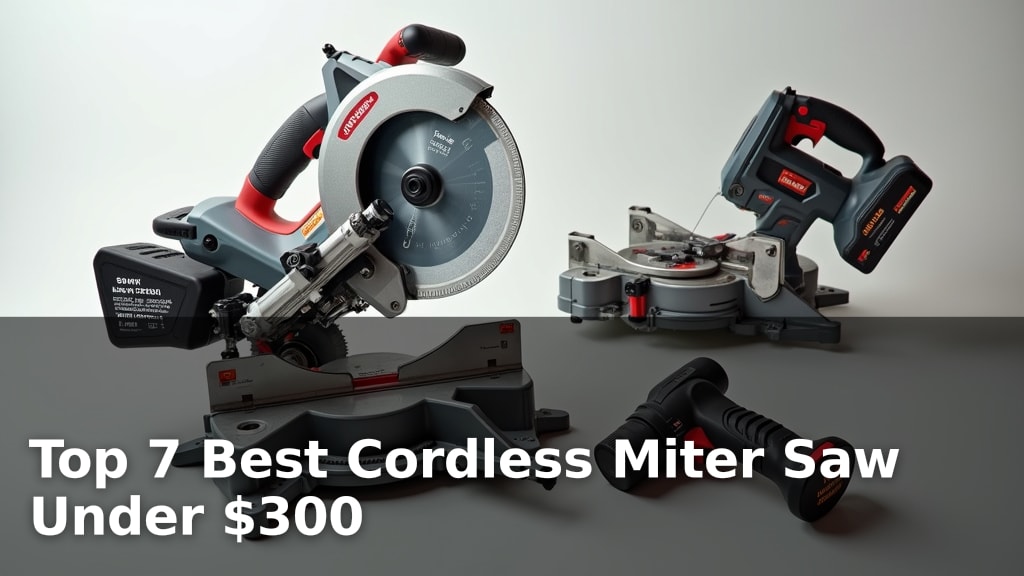
Working without a power outlet? DeWalt’s FLEXVOLT cordless miter saws are game-changers. They offer corded power without the tether, ideal for remote sites.
The DeWalt DHS790, a 12-inch dual-bevel sliding cordless miter saw, provides incredible power and portability. It runs on two FLEXVOLT batteries, ensuring long runtimes.
| Dewalt Model | Key Feature | Ideal Use Case |
|---|---|---|
| DWS713 | 10-inch Single Bevel | Light trim, small DIY projects |
| DWS715 | 12-inch Single Bevel | Mid-range DIY, crown molding |
| DWS779 | 12-inch Dual Bevel Sliding | Pro framing, wide cuts, decking |
| DHS790 | 12-inch Dual Bevel Sliding (Cordless) | Jobsite portability, pro use |
Before You Buy Your Dewalt Miter Saw: A Quick Checklist
Here are a few quick points to consider before making your final decision:
- Is the blade size appropriate for your materials?
- Do you need sliding capabilities for wider boards?
- Will a single or dual-bevel saw better suit your angle needs?
- Is cordless power important for your work environment?
- Does it have features like a dust port or cutline indicator?
- What’s your budget for the saw and any accessories?
Conclusion
Choosing the right Dewalt miter saw doesn’t have to be a guessing game. By thinking about your specific projects and the features you need, you can make a smart choice.
Whether you’re a weekend DIYer or a seasoned pro, there’s a DeWalt miter saw designed for you. Invest wisely, and you’ll enjoy precise cuts for years to come.
What’s the difference between a single-bevel and dual-bevel miter saw?
A single-bevel miter saw can only tilt to one side (usually left) to make angled cuts. A dual-bevel saw can tilt both left and right, saving you time and effort by not having to flip your workpiece for opposing angle cuts.
Do I really need a sliding miter saw if I only do home projects?
Not always. If your projects involve mostly narrow trim, crown molding, or smaller lumber, a non-sliding compound miter saw is often sufficient. A sliding saw becomes useful when you frequently cut wider boards, such as decking or shelves.
Are Dewalt cordless miter saws as powerful as corded ones?
DeWalt’s FLEXVOLT cordless miter saws are designed to deliver power comparable to many corded models, especially their 60V MAX versions. While battery life is a consideration, they offer incredible convenience and performance for job site mobility.
What’s the best blade size for general purpose miter saw use?
For general purpose use, both 10-inch and 12-inch blades are popular. A 10-inch blade is fine for most trim and DIY tasks, offering lighter weight and often lower cost. A 12-inch blade provides greater cutting depth and width, suitable for larger lumber and more heavy-duty work.
How important is dust collection on a miter saw?
Dust collection is very important for both health and a clean workspace. While miter saws can create a lot of sawdust, good built-in dust ports and connecting to a shop vacuum can greatly reduce airborne particles, making your work environment safer and more pleasant.