What Type Of Miter Saw Do I Need?
Choosing the right miter saw depends on your project needs, available space, and budget. For simple, straight cuts on trim or small boards, a basic miter saw often works best, while complex angles and wider materials usually require a compound or sliding miter saw.
To determine what type of miter saw you need, consider the types of cuts you’ll make most often, the material width, and whether you need portability for your woodworking projects.
Here’s a quick overview of what to know before you pick your miter saw:
- For basic straight cuts on molding, a standard miter saw is a great starting point.
- If you plan on cutting bevels and angles for crown molding, a compound miter saw is essential.
- Working with wider lumber, like shelving or decking, means you’ll want a sliding miter saw.
- Portability matters if you move your saw around often; cordless options offer freedom.
- Always match the saw’s capabilities to your most common tasks to prevent frustration.
What Type Of Miter Saw Do I Need?
The right miter saw helps you make clean, precise crosscuts and angled cuts every time. Thinking about your typical projects will guide you toward the perfect choice.
Understanding Miter Saw Basics
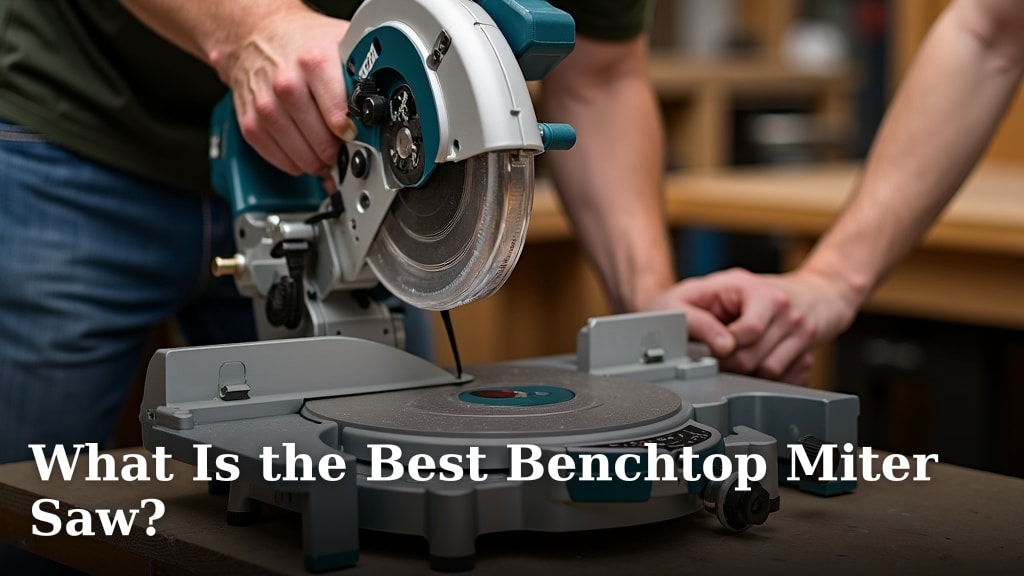
A miter saw is a special tool designed for cutting angles with high accuracy. Imagine needing to frame a picture or build a deck; these saws deliver the precise cuts you require for those tasks.
Most miter saws feature a blade on a pivot, allowing you to swing it left or right for miter cuts. Some also tilt for bevel cuts. We found this versatility makes them a workshop staple for many.
Simple Miter Saws: The Entry Point
Sometimes called a standard miter saw, this tool excels at straight crosscuts and basic mitered angles. If you’re just starting out or only do small trim work, this could be your best friend.
These saws are generally lighter and more affordable. Many experts say they are perfect for cutting picture frames, door casings, or small baseboards quickly and cleanly.
Who is a Simple Miter Saw for?
- Beginners in woodworking.
- Homeowners with light DIY tasks.
- Anyone cutting narrow materials like trim.
- People who need a budget-friendly option.
Compound Miter Saws: Adding Bevels to the Mix
A step up from the basic model, a compound miter saw offers more flexibility. Not only can it make miter cuts (angled side to side), but it can also make bevel cuts (angled up and down).
This “compound” ability means you can cut both angles at once. Think about crown molding; it requires both a miter and a bevel cut, which this saw handles with ease.
Single vs. Double Compound Miter Saws
A single compound saw tilts only one way, usually left. This means you might need to flip your workpiece for certain cuts. It’s effective for many tasks, though.
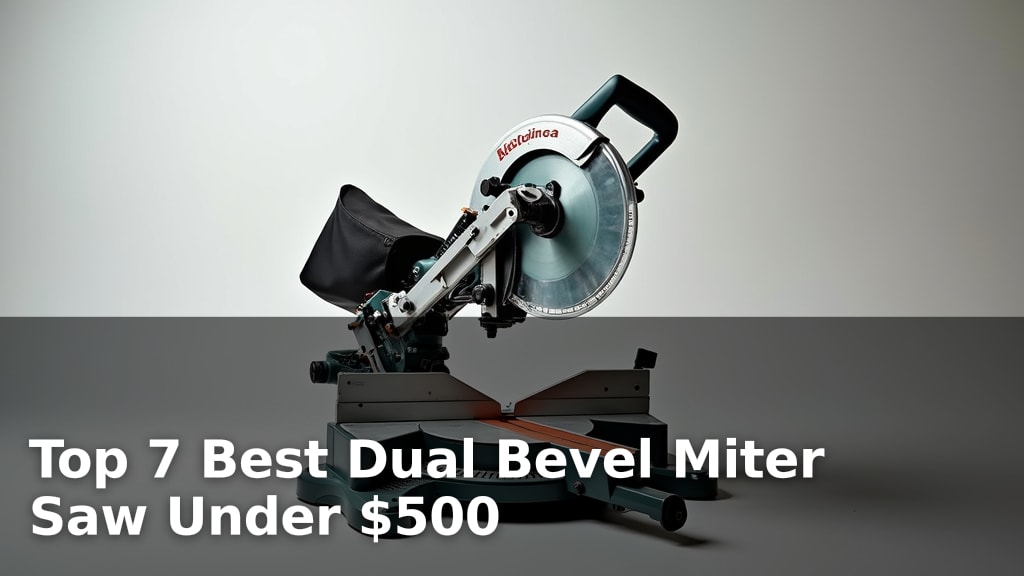
A double or dual compound miter saw tilts both left and right. This saves time and effort, as you won’t need to re-position your material as often. Many experienced users truly appreciate this convenience.
Sliding Compound Miter Saws: For Wider Wood
Do you often work with wider boards, like decking or shelves? A sliding compound miter saw might be your ideal match. It has rails that let the blade move forward and backward.
This sliding action greatly increases the saw’s cross-cut capacity. Imagine cutting a 12-inch wide board; a non-sliding saw can’t do it, but a sliding saw handles it easily.
Research often connects the sliding feature with versatility for larger projects (Wood Magazine).
Benefits of a Sliding Miter Saw
- Cuts significantly wider lumber.
- Combines miter and bevel cutting abilities.
- Offers great precision across the entire cut.
- Can tackle everything from thin trim to large planks.
Cordless Miter Saws: Power on the Go
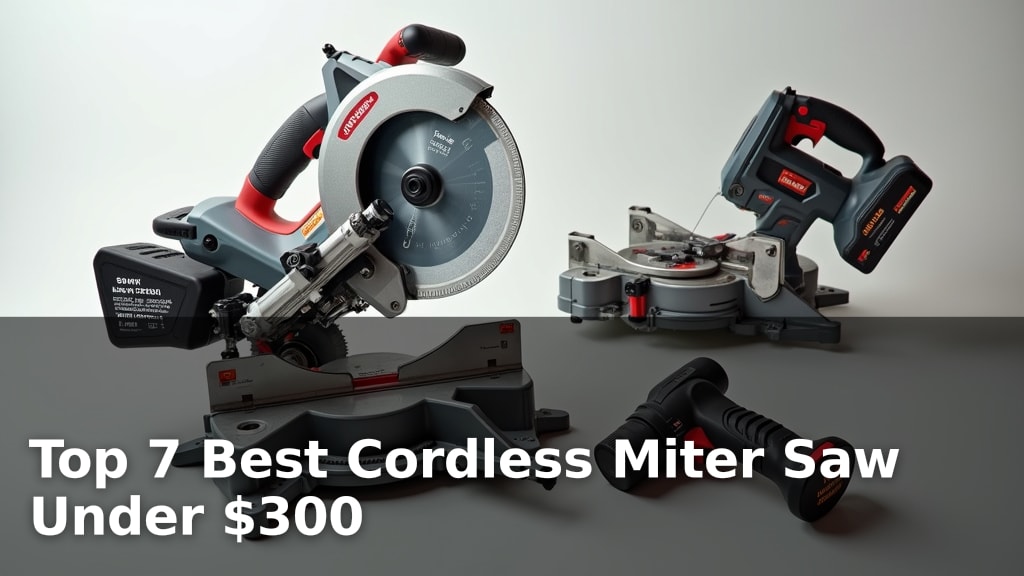
Need to work away from an outlet? A cordless miter saw gives you freedom. These battery-powered options are incredibly handy for job sites or areas without easy power access.
While they offer fantastic portability, we found that battery life and power can sometimes be a consideration for heavy-duty, continuous work. Always keep a spare battery charged.
Miter Saw Size Matters: Blade Diameter
Miter saws come with different blade diameters, commonly 8.5, 10, or 12 inches. A larger blade means deeper and sometimes wider cuts.
Most experts suggest a 10-inch blade is a great all-rounder for many DIYers. Professional builders often gravitate toward 12-inch blades for their increased capacity.
Key Features to Look for
Beyond the basic type, some features genuinely improve your experience. Consider these when making your choice:
| Feature | Why it Matters |
|---|---|
| Laser Guide | Shows you where the blade will cut, boosting accuracy. |
| Dust Collection | Keeps your workspace cleaner, especially indoors. |
| Positive Stops | Preset detents for common angles, ensuring quick, repeatable cuts. |
| Blade Brake | Stops the blade quickly for safety and efficiency. |
| Work Clamp | Secures your material for safer and more accurate cutting. |
Assessing Your Project Needs
Before you commit, take a moment to really think about your projects. What types of materials will you cut? How often will you use it? Where will you use it?
Imagine yourself cutting a piece of baseboard or a 2×4. Does the saw you are looking at truly fit that picture? It’s like buying shoes; you need the right fit for your journey.
A Quick Checklist for Choosing Your Saw
- What is the widest material you expect to cut?
- Do you need to make bevel cuts (angled up/down)?
- Will you be cutting crown molding or complex angles?
- Is portability a top priority for your work?
- What is your approximate budget for the tool?
- How much storage space do you have in your workshop?
Safety First with Miter Saws
No matter which type of miter saw you choose, always prioritize safety. Wear eye protection, hearing protection, and keep your hands clear of the blade.
Many guidelines point to always unplugging the saw before changing blades or making adjustments (OSHA).
Conclusion
Choosing the best miter saw doesn’t have to be a mystery. Start with your primary projects: if it’s just small trim, a basic miter saw works well. For intricate crown molding, a compound saw is your friend. If you need to cut wide boards, the sliding compound model is a clear winner.
Think about your workshop space, your budget, and how often you’ll use the tool. With these considerations in mind, you’re now equipped to make a truly informed decision and find the miter saw that fits your needs perfectly.
What is the difference between a miter saw and a circular saw?
A miter saw is a stationary tool primarily used for precise crosscuts and angle cuts on fixed materials, ideal for trim and framing. A circular saw is a handheld, portable tool designed for making long, straight cuts in larger sheet goods or rough lumber, offering more versatility on different surfaces.
Can a miter saw cut metal?
Most standard miter saws are designed for wood and plastic. To cut metal, you would need a specialized miter saw or an abrasive chop saw equipped with the correct metal-cutting blade. Using a wood blade on metal is extremely dangerous and can cause severe injury or damage to the tool.
How accurate are miter saws?
Miter saws are known for their high accuracy, especially when properly calibrated and maintained. Most can achieve cuts within a fraction of a degree, making them essential for projects that require tight joints and precise angles, like cabinetry or fine trim work.
Do I need a stand for my miter saw?
While not strictly necessary, a miter saw stand provides a stable and ergonomic workspace. It raises the saw to a comfortable working height and often includes extensions to support longer materials. Many experts agree it significantly improves safety and accuracy, especially for frequent use.
What should I look for in a miter saw blade?
When choosing a miter saw blade, consider the tooth count: fewer teeth (24-40) are good for faster, rougher cuts on framing lumber, while more teeth (60-100) are better for fine, splinter-free cuts on delicate materials like plywood or trim. Also, match the blade’s arbor size to your saw and select carbide-tipped blades for durability.