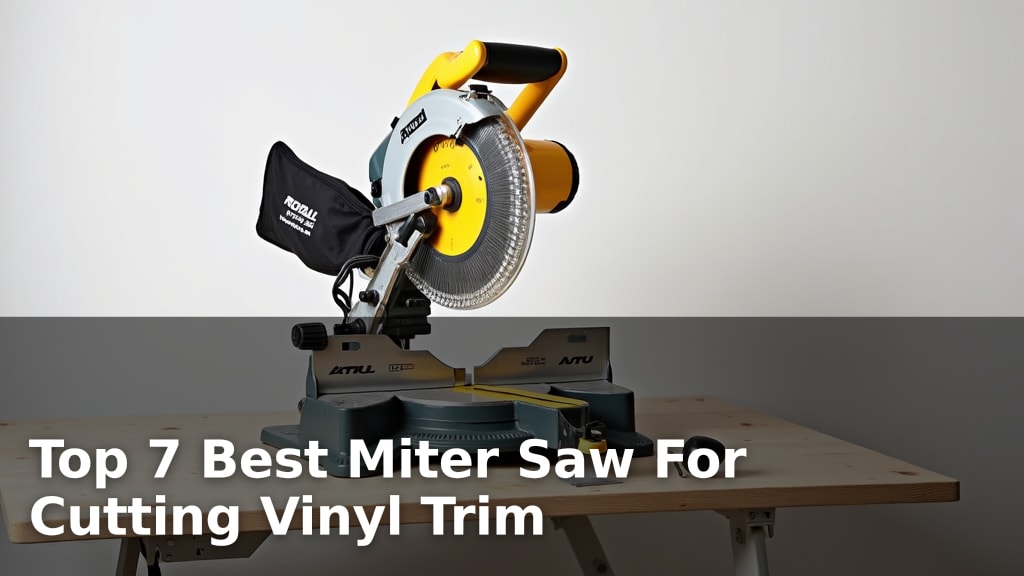
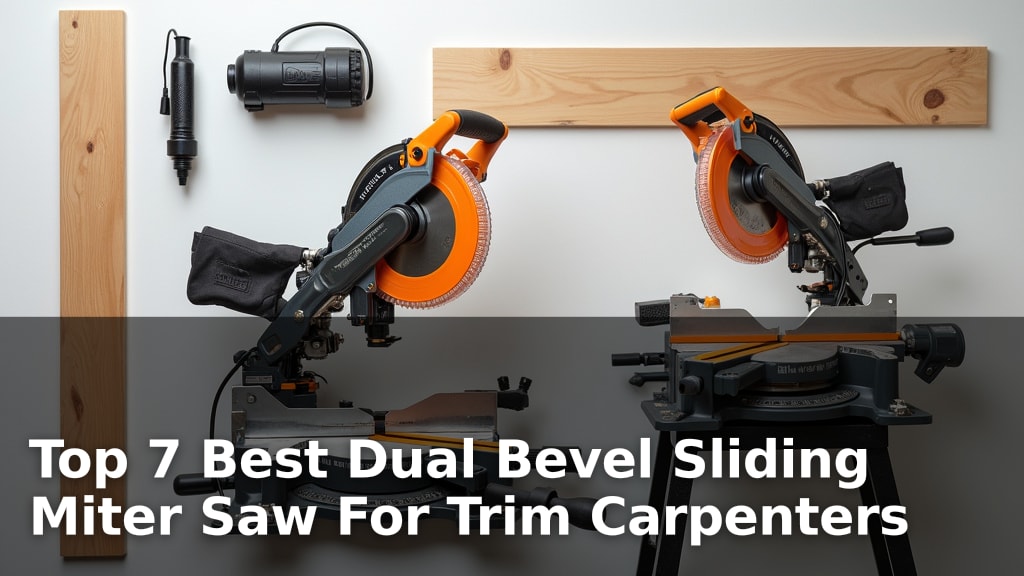
How To Make A Picture Frame With A Miter Saw?
To make a picture frame with a miter saw, you will accurately cut four pieces of wood at precise 45-degree angles, creating mitered joints that form a perfect 90-degree corner when assembled.
You then join these angled pieces using wood glue and fasteners to create a strong, beautiful frame, ready for sanding and finishing.
- Achieve perfect picture frame corners by making precise 45-degree cuts with your miter saw.
- Prioritize safety by wearing protective gear and understanding your saw’s functions before any cut.
- Measure meticulously and make test cuts to ensure your frame pieces are the exact length.
- Securely join the mitered pieces with glue and clamps, then reinforce them for lasting stability.
- Finish your frame with sanding, staining, or painting for a personalized, professional look.
How To Make A Picture Frame With A Miter Saw?
Making a picture frame with a miter saw involves precise angular cuts on wood to form clean corners, followed by assembly and finishing. It’s a rewarding project that combines accuracy and creativity. If you do not have a miter saw, learn how to make a picture frame by hand.
Ever wanted to frame that cherished photo or artwork perfectly? A miter saw makes it surprisingly simple to craft a professional-looking picture frame right in your workshop. Let’s walk through the steps, ensuring your next framing project is a success.
Getting Started: Your Essential Prep List
Before any wood dust flies, preparing your workspace and materials is a smart move. Think of it like a chef prepping ingredients before cooking. A little planning saves a lot of headaches!
Safety First: Protecting Yourself
When working with power tools, safety isn’t just a suggestion; it’s a must. We found that most workshop accidents are preventable with simple precautions. Always remember your safety gear.
- Wear safety glasses or goggles to shield your eyes from flying debris.
- Use ear protection, like earmuffs or earplugs, to guard against loud noise.
- Put on dust mask or respirator to avoid inhaling fine wood particles.
- Keep your work area clean and free of clutter to prevent trips or slips.
Selecting Your Wood: The Right Foundation
The type of wood you choose greatly impacts your frame’s look and durability. Many experts recommend starting with softer woods like pine or poplar if you’re new to framing. They are forgiving and easier to cut.
Hardwoods like oak or maple offer a premium feel and lasting strength, but they do require a bit more effort to cut cleanly. Think about the style you want for your picture and pick wood that matches.
Setting Up Your Miter Saw for Precision
A miter saw is a fantastic tool for accurate angle cuts. But like any precision instrument, it needs a little care and setup. A properly aligned saw means straighter, cleaner cuts for your frame.
The Right Blade Makes a Difference
For picture frames, you need a blade designed for fine crosscuts. We found that a blade with 60-80 teeth (or more) provides a smoother cut, reducing tear-out on your wood. A general-purpose blade might work, but a fine-finish blade truly makes your edges sing.
Calibrating Your Miter Saw
Before cutting, always check your saw’s angle. Even slight deviations can ruin your frame’s corners. Use a digital angle gauge or a reliable machinist’s square to confirm your saw is cutting a perfect 45-degree angle. This small step can prevent major frustration later on.
Measuring and Marking: The Art of Accuracy
This is where patience pays off. A picture frame looks best when all sides are precisely the same length (or opposite sides are the same length for rectangles). Take your time here.
Why 45 Degrees? The Corner Secret
You’ll make four pieces, each cut at a 45-degree angle to form a mitered picture frame corner. When you join two of these 45-degree angles, they combine to form a perfect 90-degree corner. That’s the magic behind a beautifully mitered frame!
Marking Your Cuts Clearly
Place your chosen wood face up on the saw table. Measure from the inside edge of your frame, often called the “rabbet” or “lip,” to get the actual picture opening size. Mark your cut lines with a sharp pencil and a square. Many professionals recommend marking your cut on the waste side of the line.
The Cutting Process: Making It Happen
Now for the fun part! With your saw calibrated and your wood marked, you’re ready to cut. Remember those safety tips?
Mastering the Test Cut
Before cutting your actual frame pieces, make a few test cuts on scrap wood. This lets you confirm your saw’s angle and ensures your measurements are correct. It’s like a dress rehearsal before opening night.
Making Your Four Cuts
Carefully place your first piece of wood against the fence. Align your blade with your mark. Slow and steady wins the race here. Make your cut. Repeat for the other three pieces. Remember to flip the angle of your saw for opposing cuts to create the right “left” and “right” sides of the frame. This creates the classic picture frame shape where all four pieces meet cleanly.
Joining Your Frame: Bringing It All Together
You have four perfectly cut pieces. Now, to make them a frame! This stage is all about creating strong, lasting corners.
Wood Glue and Clamps: Your Best Friends
Apply a thin, even bead of wood glue to both mitered faces of two pieces. Bring them together to form a corner. Use picture frame clamps or strap clamps to hold them tightly while the glue dries. Many guidelines suggest letting glue dry for at least 30 minutes, but some say to wait a few hours (Titebond).
Repeat this process until all four corners are glued and clamped. Ensure the frame remains square during drying by checking with a speed square.
Reinforcing Your Frame Joints
While glue is strong, adding reinforcement ensures your frame lasts for years. We found several methods work well for added stability.
| Reinforcement Method | Description | Benefits |
|---|---|---|
| V-Nails (or Joiner’s Nails) | Small metal fasteners driven into the back of the joint. | Strong, discreet, simple. |
| Splines (or Biscuits) | Small strips of wood or compressed wood discs inserted into slots cut in the joint. | Very strong, good for heavier frames. |
| Corner Brackets | Metal brackets screwed into the back corners. | Easy to apply, good for quick fixes. |
Finishing Touches: The Frame’s True Character
Your frame is now assembled. Time to give it that polished, professional look!
Sanding for Smoothness
Start with a medium-grit sandpaper (around 120-grit) to smooth out any rough spots or glue squeeze-out. Then, move to a finer grit (180-220 grit) for a silken finish. Sanding makes all the difference for how your final coating looks.
Staining or Painting: Your Personal Touch
This is where your creativity shines. Apply your chosen stain, paint, or clear coat according to the product directions. Allow proper drying time between coats. This step seals the wood and brings out its character, or gives it a completely new one.
Adding the Backing and Hanger
Once your finish is dry, insert your picture, matting, and glass. Secure them with flexible points or brads. Attach a sawtooth hanger or D-rings with picture wire to the back for easy wall mounting. Your masterpiece is almost ready for its debut!
Conclusion
Crafting a picture frame with a miter saw is a deeply satisfying project. It combines the joy of working with wood and the reward of creating something functional and beautiful. By focusing on precision, patience, and safety, you can confidently turn raw wood into a custom frame that perfectly showcases your cherished memories. So grab your miter saw, select your wood, and start building – you might just surprise yourself with what you can create!
Frequently Asked Questions
What kind of wood is best for a beginner making a picture frame?
For beginners, softwoods like pine or poplar are often recommended. They are easier to cut and sand, more forgiving with minor errors, and readily available. Once you gain confidence, you can move to hardwoods.
How do I ensure my miter saw cuts are perfectly at 45 degrees?
Always calibrate your saw before starting. Use a reliable digital angle gauge or a high-quality machinist’s square to check that your blade is precisely set to 45 degrees against the fence. Test cuts on scrap wood will also confirm accuracy.
Can I use screws instead of V-nails to reinforce frame corners?
While screws can reinforce corners, they often require pre-drilling to prevent splitting the wood, especially near the end grain of mitered joints. V-nails or splines are generally preferred for picture frames as they are less likely to split the wood and offer a cleaner look.
What if my frame corners don’t meet perfectly after cutting?
If your corners have small gaps, it usually means your saw’s angle is slightly off, or your measurements weren’t exact. You can try a very light sanding or use wood filler for tiny gaps. Re-calibrating your saw and making test cuts are key to preventing this.
How do I protect the glass or picture during the finishing process?
It’s best to perform all sanding, staining, and painting steps before inserting the glass, picture, and backing. This prevents any accidental damage, smudges, or overspray on your artwork and ensures a clean finish on the frame itself.