
How Dangerous Is a Miter Saw?
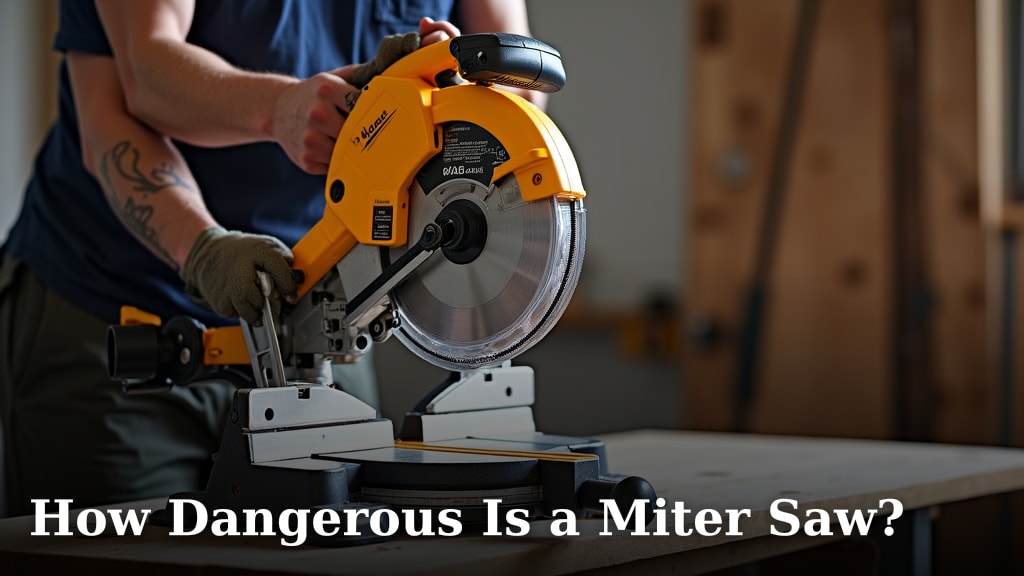
Yes, a miter saw can be quite dangerous if not used correctly. We found that it is a powerful tool with a rotating blade. This means it can cause serious harm if you’re not careful.
You might wonder, just how dangerous is it? Well, improper use can lead to cuts, lost fingers, or even worse. Many experts say that understanding the risks and safety measures is key to preventing accidents.
- Miter saws are powerful and need respect.
- Serious injuries can happen without proper care.
- Always follow safety guidelines.
- The blade spins very fast.
Let’s dive into the specifics of miter saw dangers and how you can keep yourself safe in your workshop.
Understanding Miter Saw Risks
You’re probably asking, “Just how risky is this tool?” It’s a valid question. Miter saws bring power and precision to your projects. But with that power comes a potential for harm if you’re not careful. We found that the biggest dangers come from its fast-spinning blade and the way you interact with it.
Think of it like driving a car. You can get to your destination quickly, but you need to follow rules. Similarly, a miter saw makes quick cuts, but demands your respect and attention. The goal is always to keep all your fingers and toes intact!
What Makes a Miter Saw So Dangerous?
Several factors contribute to the miter saw’s danger profile. It’s not just one thing. It’s a combination of mechanics, physics, and sometimes, human error. Understanding these elements can help you avoid accidents.
The High-Speed Blade
The blade is the heart of the miter saw, and it spins incredibly fast. We found that most miter saw blades can reach speeds of 3,000 to 5,000 revolutions per minute (RPM). To give you an idea, that’s like a small turbine engine! Imagine what that could do if it came into contact with your skin or bone.
This high speed means the blade can cut through wood with ease. But it also means it can cut through anything else in its path just as easily. A momentary lapse in concentration can have severe consequences when dealing with such speed.
Kickback Potential
Have you ever heard of “kickback”? It’s when the saw blade binds or jams in the wood. When this happens, the saw can aggressively jump back towards you or throw the wood piece violently. We found that kickback is a common cause of injury with many power saws, including miter saws.
It’s like a spring coiling up and then suddenly releasing. The force can be surprising and often happens too fast to react. Keeping your workpiece secure and using the right blade can help reduce this risk.
Blade Guards Aren’t Foolproof
Miter saws come equipped with blade guards. These are designed to protect you from the spinning blade. However, we found that blade guards don’t always offer full protection. Sometimes they can stick, or they might not fully cover the blade during certain cuts.
You should never rely solely on the blade guard for your safety. It’s a crucial layer of protection, but your vigilance is even more important. Always visually check that the guard is functioning freely before each use.
Common Miter Saw Injuries
When injuries occur with a miter saw, they are often significant. Prevention is always the best approach. But knowing what kind of injuries can happen helps drive home the importance of safety.
Lacerations and Amputations
The most obvious risk is severe cuts, or lacerations. The blade is extremely sharp. Contact with it can result in deep wounds that require stitches or even surgical repair. Unfortunately, hand and finger amputations are also a very real possibility. We found that power saw accidents are a leading cause of finger amputations in workshops (CDC).
It’s not just the direct contact with the blade. Sometimes, a piece of wood can splinter and hit you, causing cuts. Always wear appropriate gloves for handling rough wood, but never when operating the saw, as they can get caught.
Flying Debris and Eye Injuries
When cutting wood, especially treated or knotty pieces, debris will fly. Sawdust, wood chips, and even small fragments of wood can be ejected at high speeds. These can strike your eyes, causing anything from minor irritation to severe, permanent vision loss.
Many experts say that eye protection is non-negotiable when using any power tool, especially a miter saw. Think of it like a superhero’s mask for your eyes—it’s there for a reason!
Hearing Damage
Miter saws are loud. Very loud. Extended exposure to loud noises can cause permanent hearing damage over time. We found that many woodworking tools operate at noise levels well above what is considered safe for prolonged periods (OSHA).
You might not notice it at first, but cumulative exposure can lead to a gradual loss of hearing. This is why hearing protection, like earmuffs or earplugs, is just as important as eye protection. Protect your ears now to enjoy the sounds of your workshop for years to come.
Mitigating Miter Saw Hazards: Safety First!
So, how do you manage these risks? It’s all about proactive safety measures. Think of it as a checklist you run through each time before you start cutting. Your safety is worth those extra few moments.
Pre-Operation Checklist
Before you even plug in your saw, take a moment. A quick check can prevent a bad day. It’s like checking your car’s tires before a long trip. Simple, but essential.
- Inspect the blade for damage or dullness.
- Ensure the blade guard moves freely.
- Check that the work area is clear of clutter.
- Verify that the workpiece is properly secured.
- Make sure you are wearing appropriate safety gear.
Proper Cutting Techniques
How you hold the wood and operate the saw makes a huge difference. We found that many accidents happen due to improper hand placement or hurried actions. Take your time. Precision is better than speed when it comes to safety.
Always keep your hands away from the blade’s path. Use clamps to hold smaller workpieces. Never try to cut freehand. Let the blade reach full speed before engaging the material, and allow it to slow down before lifting it after the cut.
The Importance of Personal Protective Equipment (PPE)
This isn’t just a suggestion; it’s a requirement for safe operation. PPE acts as a barrier between you and potential hazards. Skipping PPE is like trying to catch a baseball without a glove – you’re just asking for trouble.
| PPE Item | Why It’s Important |
|---|---|
| Safety Glasses/Goggles | Protects eyes from flying debris and dust. |
| Hearing Protection | Prevents long-term hearing damage from loud noise. |
| Dust Mask/Respirator | Filters airborne sawdust, protecting your lungs. |
| Appropriate Clothing | Avoids loose clothing that can get caught in the saw. |
Always tuck in loose clothing, tie back long hair, and remove jewelry. These items can easily get entangled in the spinning blade, pulling you or parts of you into danger. We found that entanglement is a common cause of serious injury with rotating machinery (OSHA).
Miter Saw Safety Habits to Cultivate
Safety with a miter saw isn’t just a one-time setup. It’s a mindset and a set of habits you develop over time. Think of it as building “muscle memory” for safety. The more you practice safe habits, the more automatic they become.
Never Rush a Cut
We’ve all been there: you’re eager to finish a project. But rushing is your biggest enemy when using a miter saw. Haste leads to carelessness, and carelessness leads to accidents. Take a deep breath. Focus on the task at hand. Your project will still be there in a few extra seconds.
Stay Alert and Focused
Avoid using a miter saw when you’re tired, distracted, or under the influence of anything that impairs your judgment. This includes certain medications. Your full attention is necessary. It’s like being a pilot; you need to be completely focused when operating complex machinery.
Many experts emphasize the importance of a clear mind when operating power tools. A momentary lapse in judgment is all it takes for things to go wrong. If you feel tired, take a break. Your safety is more important than meeting a deadline.
Regular Maintenance and Inspection
A well-maintained tool is a safer tool. Regularly inspect your miter saw for any loose parts, damaged cords, or dull blades. A dull blade can bind in the wood, increasing the risk of kickback. Keeping your saw in top condition ensures it operates as safely as intended.
Maintenance is like giving your car an oil change. It keeps everything running smoothly and prevents bigger problems down the road. Cleaning out sawdust build-up also ensures all moving parts, like the blade guard, can function correctly.
Conclusion
You’ve learned that a miter saw, while incredibly useful, demands your respect and attention. Its dangers are real, ranging from severe cuts and amputations to hearing loss and eye injuries. We’ve seen that understanding these risks and applying consistent safety measures truly makes all the difference.
By making PPE, proper technique, and regular maintenance part of your routine, you can use your miter saw safely. Always prioritize your well-being overspeed or convenience. So, before your next cut, take a moment, review your safety checklist, and make safety your top priority. Your hands, eyes, and ears will thank you!
Frequently Asked Questions
Can a miter saw cut off a finger easily?
Yes, a miter saw can cut off a finger very easily. The blade spins at thousands of RPMs and can sever flesh and bone almost instantly. Even a brief moment of inattention can lead to severe injury.
What is the most common injury from a miter saw?
The most common injuries from miter saws are lacerations and amputations to the hands and fingers. Flying debris causing eye injuries is also very common. Prevention through proper technique and PPE is vital.
Is a miter saw safer than a table saw?
Generally, many experts consider miter saws to be *slightly* safer than table saws for certain cuts. This is because the blade is often enclosed and moves away from you during the cut. However, both tools are powerful and require extreme caution and adherence to safety protocols.
How close can your hands be to a miter saw blade?
You should never bring your hands closer than six inches to a miter saw blade while it’s operating or still spinning. Always use clamps or push sticks to secure your workpiece and keep your hands a safe distance away. When in doubt, use a tool, not your hand.
What should I do if my miter saw kicks back?
If your miter saw kicks back, the most important thing is to maintain a firm grip on the saw handle and let go of the workpiece if it’s thrown. Never try to fight the kickback. Immediately shut off the saw and assess the situation before making another cut.
