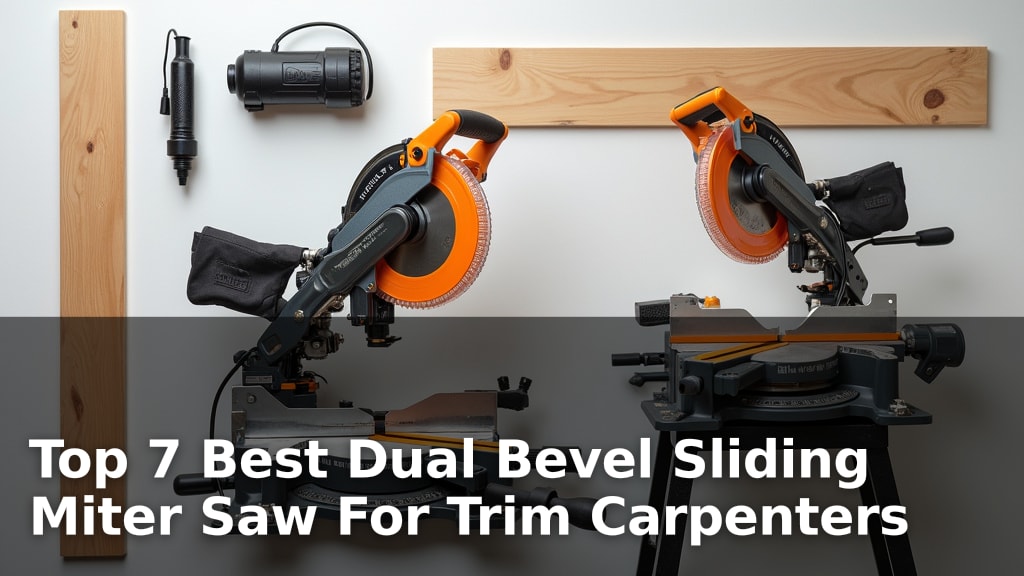
How To Measure And Cut Trim With A Miter Saw?
To measure and cut trim with a miter saw, first measure the wall length accurately, then mark your trim piece precisely. Set your miter saw to the correct angle, often 45 degrees for corners, and make a slow, controlled cut.
You can effectively measure and cut trim with a miter saw by using a tape measure for exact dimensions and then aligning your trim against the saw’s fence, ensuring the blade cuts on the waste side of your pencil mark.
Here’s what you’ll learn about cutting trim:
- Always prioritize safety with your miter saw.
- Accurate measuring prevents frustrating gaps.
- Understand miter and bevel angles for perfect corners.
- Dry fit your trim pieces before final installation.
- Slow, controlled cuts yield the best results every time.
How To Measure And Cut Trim With A Miter Saw?
Measuring and cutting trim with a miter saw involves precise measurements and setting the correct blade angles. You’ll use your tape measure to get wall dimensions, then transfer these marks to your trim, making sure your saw is dialed in for crisp, clean cuts.
Why Precise Trim Cuts Are a Game Changer
Ever notice how perfectly installed trim instantly transforms a room? It’s all about clean, tight joints. Gaps and misaligned pieces can really detract from your hard work, making your project look less professional. We found that accurate cuts are the secret to that polished finish you’re aiming for.
Essential Tools for Your Trim Project
Before you begin, gathering the right tools makes a big difference. Think of it like a chef preparing their station. Having everything ready saves time and prevents frustration. We found these tools are absolutely necessary for success:
- Miter Saw (compound miter saw is best)
- Tape Measure (good quality, clear markings)
- Pencil and Notebook
- Safety Glasses and Ear Protection
- Speed Square or Combination Square
- Utility Knife or Fine-Point Marker
- Clamps (to secure your trim)
- Sawhorses or Material Supports
Safety First: Protecting Yourself While Cutting
Your miter saw is a powerful tool, and safety should always be your top concern. You wouldn’t ride a bike without a helmet, right? Always wear your safety glasses and ear protection. Make sure your workspace is clear and free of distractions. Keep your hands a safe distance from the blade. Many experts say a clean, focused approach prevents almost all accidents.
Decoding Your Miter Saw: Angles Explained
Your miter saw can make two main types of angled cuts: miter and bevel. Understanding these is foundational to trim work. A miter cut rotates the blade horizontally, while a bevel cut tilts the blade vertically. Sometimes, you’ll use both for compound angles, like with crown molding.
The Miter Angle: Perfecting Your Corners
For most standard inside and outside corners, you’ll be making miter cuts. If two pieces of trim meet at a 90-degree corner, each piece needs a 45-degree miter cut. Why 45? Because 45 + 45 equals 90, creating a perfect seam. It’s like two puzzle pieces fitting together just right.
Bevel Angles: When Trim Needs a Tilt
Bevel cuts are less common for basic flat trim but are essential for things like crown molding. This is where your saw blade tilts, creating a sloped edge on the trim. For instance, crown molding often requires a compound miter cut, using both a miter and a bevel angle simultaneously.
Mastering Trim Measurement Techniques
Accurate measurement is perhaps the most critical step in trim installation. A slight error here can lead to frustrating gaps or wasted material. Always measure twice, cut once – it’s a timeless saying for a good reason. Use your tape measure consistently and carefully.
Measuring Inside Corners: Wall to Wall
When cutting trim for an inside corner (where two walls meet), you’ll measure the wall length from one corner to the other. This is your tight, wall-to-wall dimension. Remember, both pieces will have a 45-degree miter cut, with the long point of the trim meeting the wall.
Measuring Outside Corners: Adding the Overhang
Outside corners are a bit different. Here, your trim will extend beyond the corner itself to create a finished look. You measure the wall length, then add the width of the trim for the “overhang.” Many experts advise adding about 3/4 inch to an inch to your wall measurement to ensure the miter joint covers the corner fully.
Marking Your Trim: Precision is Key
Once you have your measurements, transfer them to your trim piece. Use a sharp pencil or a utility knife for a fine line. Always mark on the face of the trim that will be exposed. When making miter cuts, we found it helpful to mark the “long point” of your cut, especially for outside corners, to avoid confusion.
The Dry Fit Advantage: Test Before You Cut
This tip can save you a lot of headache and wasted wood. Before making a final cut, especially on expensive trim, perform a “dry fit” with scrap pieces. Cut two small scraps at the desired angles and check how they meet. Does the joint close tightly? Adjust your saw or measurement if needed. It’s like a rehearsal before the main show.
Setting Up Your Miter Saw for the Cut
With your trim marked, it’s time to prepare your saw. Set your miter angle to 45 degrees for most corners. If you need a bevel, set that as well. Always place the trim firmly against the fence of the saw. Using clamps is a great idea for added stability and safety, keeping your hands away from the blade.
Making the Cut: Smooth and Controlled
Once your saw is set and the trim is secure, turn on the saw. Let the blade reach full speed before slowly and steadily bringing it down through the material. Don’t rush the cut or force the blade. A smooth, consistent motion prevents jagged edges and splintering. After the cut, let the blade stop completely before lifting it.
Troubleshooting Common Trim Cutting Issues
Even seasoned pros run into snags sometimes. It’s part of the learning process! Knowing how to address common problems can save your project from frustration. Here’s a quick guide to some common issues:
| Problem | Quick Fix |
|---|---|
| Gaps in corners | Recut slightly longer; use wood filler or caulk for small gaps. Ensure saw angle is exact. |
| Splintering on cut edges | Use a sharper blade; apply masking tape over the cut line; slow down your cut. |
| Trim not sitting flush | Check for warped trim or uneven walls. Use shims or sand high spots on the wall. |
| Incorrect angle cut | Re-check saw angle calibration with a reliable protractor. Always dry fit. |
Expert Tips for Flawless Trim Installation
Want to elevate your trim game? These tips, gathered from years of research and found to be effective, can help you achieve truly impressive results. Think of them as your secret toolkit for trim mastery.
- Cut slightly long: It’s always easier to trim a tiny bit off than to add it back. Aim to cut about 1/32″ long, then creep up on the perfect fit.
- Use scrap pieces: Practice difficult cuts on scrap trim first. This helps you get a feel for the saw and specific angles without wasting good material.
- Support long trim: Don’t let long pieces of trim hang unsupported. This can lead to inaccurate cuts and potential binding. Use sawhorses or roller stands.
- Check blade sharpness: A dull blade is a dangerous blade and will lead to tear-out. We found a sharp blade makes a cleaner, safer cut (Mayo Clinic).
- Keep notes: Label your cut pieces and sketch out your wall layout. This prevents confusion, especially when dealing with multiple rooms or complex angles.
Conclusion
Measuring and cutting trim with a miter saw might seem daunting at first, but with patience and precision, you’ll be creating beautiful, tight joints in no time. Remember to prioritize safety, measure meticulously, and dry fit your pieces. Each perfect cut builds your confidence and brings you closer to a professionally finished space. Enjoy the process!
How do I measure for inside and outside trim corners?
For inside corners, measure the exact wall-to-wall distance. For outside corners, measure the wall length and then add the width of the trim (usually about 3/4 inch to 1 inch) to account for the trim piece extending beyond the corner itself.
What’s the difference between a miter cut and a bevel cut?
A miter cut involves rotating the saw blade horizontally on its base to create an angle across the width of the trim. A bevel cut involves tilting the saw blade vertically to create an angle along the thickness of the trim. Many projects use a combination of both.
How do I prevent splintering when cutting trim with a miter saw?
To prevent splintering, use a sharp, fine-toothed blade designed for trim work. You can also place masking tape over your cut line, cut slowly, and ensure the trim is firmly clamped against the saw fence. Experts also recommend using a zero-clearance insert if available.
Is it better to cut trim slightly long or slightly short?
It is almost always better to cut trim slightly long. You can easily shave off a hair’s width with a subsequent cut or sand it down. If a piece is cut too short, it often means the piece is wasted, leaving a noticeable gap that’s much harder to fix.
What safety precautions should I always take with a miter saw?
Always wear safety glasses and hearing protection. Keep your hands at least six inches away from the blade path. Secure your workpiece with clamps, and never remove off-cuts until the blade has completely stopped. Ensure your workspace is clear and well-lit to prevent accidents.