How To Operate A Miter Saw?
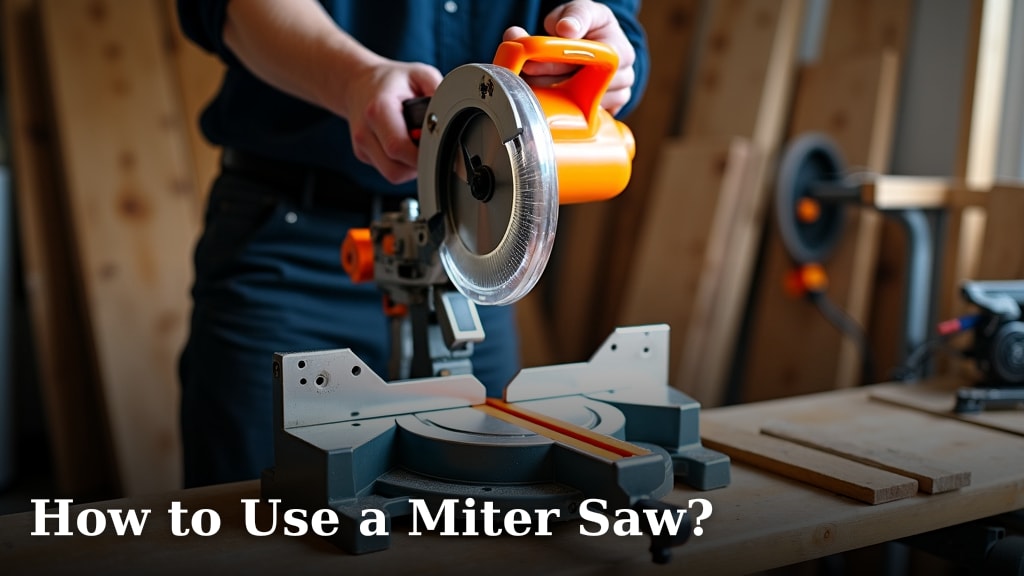
Operating a miter saw involves securely positioning your material and carefully lowering a spinning blade to make precise angled cuts.
You operate a miter saw by first understanding its safety features, then preparing your workpiece, and finally executing the cut with proper technique and control. For model-specific steps, see our guide to operating a DeWalt miter saw. Before making a cut, learn how to open a miter saw.
Here’s what you need to know about using a miter saw, in a nutshell:
- Always prioritize safety: wear eye and ear protection.
- Ensure your saw is stable and properly plugged in.
- Select the correct blade for your material and task.
- Secure your wood with clamps to prevent movement during cutting.
- Practice basic cuts before attempting complex angles or projects.
How To Operate A Miter Saw?
Operating a miter saw requires understanding its safety features, selecting the right blade, and carefully setting up your workpiece for a clean, accurate cut. For model-specific steps, see our guide to operating a Ryobi miter saw.
Safety First: Your Top Priority
Working with any power tool demands respect for safety. A miter saw can be a fantastic tool, but it also requires your full attention. For model-specific steps, see our guide to using a Craftsman miter saw. Never skip these initial steps.
Essential Personal Protective Gear
Always wear safety glasses or goggles. Eye protection is non-negotiable when operating any saw. We also found that ear protection is a must, as saws can be very loud (National Safety Council).
Consider wearing a dust mask too. Wood dust can be an irritant for your lungs. Avoid loose clothing or jewelry that could snag on the spinning blade.
Workspace Readiness
Keep your work area clean and clear of clutter. You need space to move freely and to support your material properly. Make sure there’s good lighting so you can clearly see your cut line.
Getting Acquainted With Your Saw
Before you make any cuts, take a moment to understand your specific miter saw model. Read your saw’s manual; it offers important details unique to your tool.
Key Components to Know
You have the blade, the fence (which the material rests against), and the miter scale. The guard protects the blade and retracts during a cut. Understand how to adjust angles and bevels on your saw.
Setting Up for Success
A good setup is half the battle. This ensures accuracy and helps keep you safe. Don’t rush this part of the process.
Stable Foundation is Key
Mount your miter saw on a sturdy workbench or a dedicated saw stand. Wobbling is not an option when cutting. The saw should be firmly secured and level.
Ensure your material has adequate support. If cutting long boards, use outfeed supports or roller stands. This prevents the wood from tipping or binding the blade.
Choosing the Correct Blade
The right blade makes a big difference. Different blades are designed for different tasks and materials. Many experts say that matching the blade to the job improves both cut quality and safety.
| Blade Type | Tooth Count | Best For |
|---|---|---|
| Rough Cutting | 24-40 teeth | Fast, aggressive cuts, framing lumber |
| General Purpose | 60-80 teeth | Good balance of speed and finish, most woodworking |
| Fine Finish | 80-100+ teeth | Smooth, precise cuts, trim, molding |
| Non-Ferrous | Specialized | Aluminum, plastics (use specific blades only) |
Before any cut, take a moment to inspect your blade. Look for any damage, missing teeth, or excessive buildup. A dull or damaged blade not only cuts poorly but can also be dangerous to operate.
Precise Measuring and Marking
Measure twice, cut once! This old saying is true for a reason. Use a reliable tape measure and a sharp pencil or marking knife for clear, accurate lines.
Some people mark the cut line directly. Others prefer to mark the “waste side” of the line. The key is consistency so you always know where to cut.
Securing Your Material Firmly
This step is absolutely vital for safety and accuracy. Never hold your workpiece with just your hands. Use clamps to secure it against the fence.
Many miter saws include a built-in clamp. If yours doesn’t, use C-clamps or quick-release clamps. The wood should be snug and unable to shift during the cut.
Performing a Standard Crosscut
A crosscut is a straight cut across the grain of the wood. This is often your starting point with a miter saw. Follow these steps for a clean and safe cut.
- Position your material firmly against the fence and clamp it.
- Line up your blade with your mark, ensuring the teeth are on the waste side.
- Start the saw and allow the blade to reach full speed before engaging.
- Slowly and smoothly lower the blade through the material.
- Once through, release the trigger and allow the blade to stop spinning before raising it.
- Remove the cut piece, keeping your hands clear of the blade.
Resist the urge to force the blade. Let the saw do the work. Pushing too hard can lead to a rough cut or kickback.
Unlocking Angled Cuts: Miter and Bevel
The real power of a miter saw is its ability to make precise angled cuts. This is perfect for trim work, picture frames, and complex woodworking projects.
Adjusting for Miter Cuts
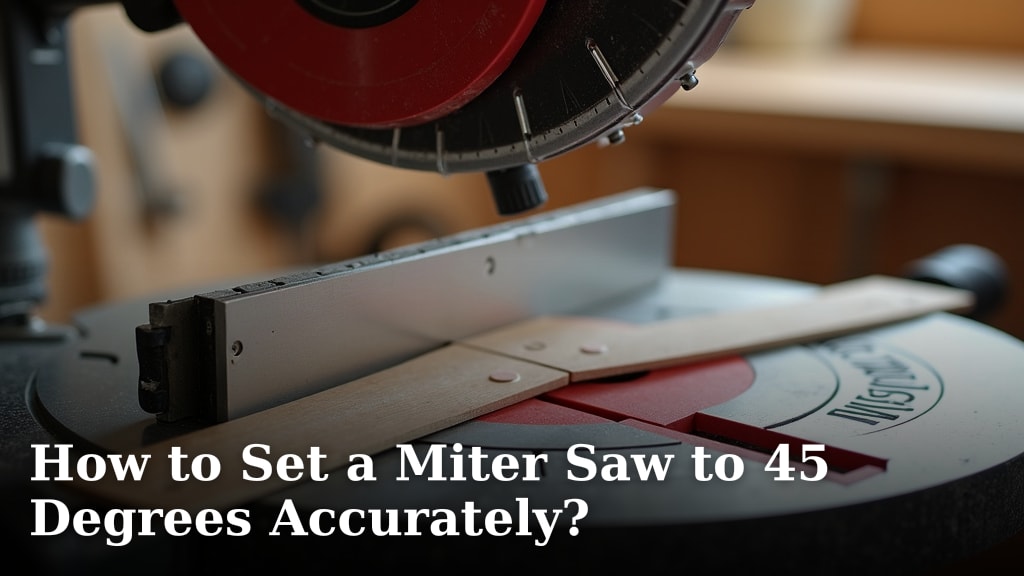
A miter cut changes the angle horizontally across the face of the wood. Locate the miter scale and lock handle on your saw. Unlock the handle, rotate the saw head to your desired angle, and then lock it back securely.
Setting Up Bevel Cuts
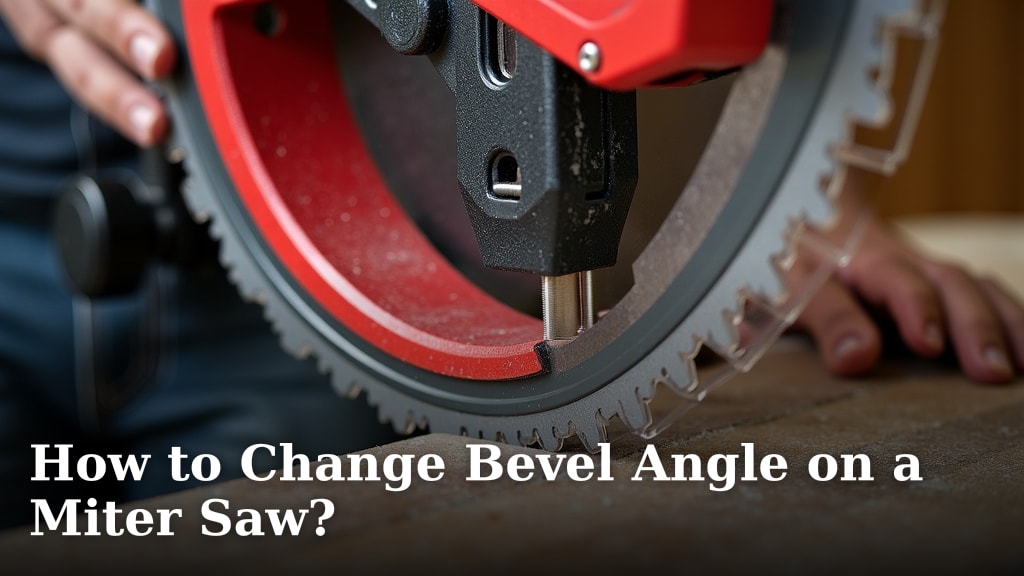
A bevel cut changes the angle vertically, through the thickness of the wood. Look for the bevel adjustment knob or lever on your saw. Tilt the blade to the chosen angle, usually up to 45 or 49 degrees, and tighten it.
Combining for Compound Cuts
A compound cut is simply a miter cut and a bevel cut combined. This is common for crown molding. You’ll set both a horizontal miter and a vertical bevel angle simultaneously.
Troubleshooting Common Issues
Sometimes things don’t go perfectly. If your saw isn’t cutting smoothly, check the blade for sharpness. A dull blade can cause burning or splintering. If the saw struggles, you might be pushing it too fast.
Maintaining Your Miter Saw
Regular care keeps your saw running well and safely. A well-maintained tool is a joy to use. It also extends the lifespan of your investment.
When to Replace Your Blade
A dull blade is a dangerous blade. If you notice smoke, splintering, or if you’re having to force the saw, it’s likely time for a new blade. Research often connects sharp blades with safer operation (Woodworking Safety Standards).
Quick Miter Saw Pre-Operation Checklist
- Is your workpiece securely clamped?
- Is the blade clean and sharp?
- Are all guards in place and functioning?
- Have you set the correct miter and bevel angles?
- Are you wearing all personal protective gear?
Conclusion
Operating a miter saw can seem daunting at first, but with a focus on safety, proper setup, and careful technique, you’ll be making precise cuts in no time. Remember that practice makes perfect. Start with simple cuts, always prioritize safety, and slowly work your way up to more complex projects. Your miter saw is a powerful ally for many woodworking tasks, and learning to use it well will open up a world of creative possibilities. We found that patience and respect for the tool are your best guides to successful and safe operation.
How do I know what size miter saw blade to use?
Miter saw blades are typically 10 or 12 inches in diameter. The size you need depends on your saw’s specifications. Always use the blade size recommended by your saw’s manufacturer, as listed in your manual.
Can a miter saw cut metal?
A standard miter saw with a wood blade should never be used to cut metal. Cutting metal requires a specialized metal-cutting miter saw or a cold saw, fitted with a specific non-ferrous metal blade designed for that purpose.
What is the difference between a compound miter saw and a sliding miter saw?
A compound miter saw can tilt (bevel) the blade in one or two directions in addition to making miter cuts. A sliding miter saw offers the same features but also allows the blade to slide forward and backward, significantly increasing its cutting capacity for wider materials.
Why does my miter saw leave burn marks on the wood?
Burn marks usually indicate a dull blade or that you are forcing the cut too quickly. A sharp blade will cut cleanly without excessive friction. Also, ensure the blade is not warped or gummed up with resin.
How do I adjust my miter saw for perfect 90-degree cuts?
To check for a perfect 90-degree crosscut, use a reliable square against the blade and fence. Most miter saws have adjustment screws or bolts to fine-tune the 90-degree stop. Consult your saw’s manual for specific adjustment instructions.