Is a Laser Guide Worth It on a Miter Saw?
On this page (8 sections)
For many woodworkers, the question of whether a laser guide on a miter saw is worth the extra cost comes up often. We found that for most DIYers and even many professionals, a miter saw laser guide is absolutely worth it. It’s a simple tool that can dramatically improve the accuracy of your cuts, saving you time and reducing material waste.
Think about those frustrating moments when your cut isn’t quite where you intended it. A laser guide helps you visualize the blade’s path before you even make the cut. Many users report that it greatly increases their confidence, especially for repeatable cuts or when working with expensive materials. It’s like having a second set of eyes for precision.
- Laser guides improve cut accuracy.
- They help you see the cut line clearly.
- This reduces mistakes and wasted material.
- Many find it boosts their confidence.
Below, we’ll break down exactly why a laser guide makes such a difference and help you decide if it’s the right addition for your miter saw.
Should You Add a Laser Guide to Your Miter Saw?
Many woodworkers wonder if a laser guide on their miter saw is a worthwhile investment. We found that for most DIYers and even many professionals, a miter saw laser guide is absolutely worth it. It’s a simple tool that can dramatically improve the accuracy of your cuts. This saves you time and reduces material waste.
Think about those frustrating moments when your cut isn’t quite where you intended it. A laser guide helps you visualize the blade’s path before you even make the cut. Many users report that it greatly increases their confidence, especially for repeatable cuts or when working with expensive materials. It’s like having a second set of eyes for precision.
Understanding How Miter Saw Lasers Work
A miter saw laser is a small device attached to your saw’s head. It projects a thin, bright red line onto your workpiece. This line shows you exactly where the saw blade will cut. Most lasers are powered by small batteries. They are designed to be highly visible even in a workshop with some ambient light.
The laser line is typically positioned to align with the left or right edge of the blade. Some models allow you to adjust this alignment. This lets you customize it to your preference. You can see the cut line before you pull the trigger. This pre-visualization is key to improving accuracy.
The Science Behind the Line
Miter saw lasers use a simple diode to emit a concentrated beam of light. This light is then passed through a lens or a set of lenses. These lenses spread the beam into a thin, straight line. The line is calibrated to match the kerf of your saw blade. The kerf is the width of the material removed by the saw blade during a cut.
This technology is quite straightforward. It doesn’t require complex electronics on the saw itself. This makes it a relatively affordable add-on for many saws. The brightness and visibility of the laser depend on the diode’s power and the quality of the optics. We found that higher-quality lasers offer a sharper, more visible line.
Benefits of Using a Laser Guide on Your Miter Saw
Adding a laser guide can significantly enhance your woodworking experience. It helps you achieve cleaner, more precise cuts consistently. This is especially true when you’re working on projects that require a high degree of accuracy. Let’s look at some of the main advantages. Adding a laser guide can significantly enhance your woodworking experience, especially when you’re doing trim work.
Increased Cutting Accuracy
The most significant benefit is improved cutting accuracy. Without a laser, you rely on your eyes to line up the blade with your pencil mark. This can be tricky, especially on smaller marks or in varying light conditions. The laser provides a clear, unmistakable guide.
We found that users often achieve cuts that are closer to the intended line. This is because the laser line is thinner than the physical width of the saw blade. It allows for more precise targeting. This precision is vital for joinery, trim work, and any project where a perfect fit matters.
Reduced Material Waste and Mistakes
Accurate cuts mean less waste. When you make a mistake, you often have to discard the piece. This is especially frustrating when working with expensive hardwoods or precious materials. A laser guide helps prevent these costly errors. It gives you the confidence to make the cut correctly the first time.
Think about a project where you need 10 identical pieces. If each piece is slightly off, you might end up with only 8 or 9 usable ones. A laser guide can help you get all 10 perfect. This saves money and reduces frustration. It makes your projects more efficient.
Enhanced Visibility and Confidence
The laser line makes your cut line highly visible. This is true even for faint pencil marks or dark wood. You can easily see where the blade will enter and exit the material. This visibility boosts your confidence, especially for beginners. It lets you focus on the cutting process rather than the alignment.
Many woodworkers, both experienced and novice, report feeling more confident using a laser guide. This confidence can lead to faster work and a more enjoyable experience. You’re less likely to second-guess your setup. You can proceed with certainty.
Easier Repeat Cuts
When you need to make multiple identical cuts, a laser guide is invaluable. You can set your miter saw to the desired angle and then use the laser to position your first piece. For subsequent pieces, simply align the laser with your mark. This ensures perfectly repeatable cuts.
Imagine building a fence or installing a deck. You’ll need many pieces of wood cut to the same length and angle. A laser guide makes this process much simpler and more accurate than using only your eyes or a tape measure for each cut. It ensures uniformity across all your pieces.
Potential Drawbacks to Consider
While laser guides offer many advantages, it’s important to be aware of their limitations. No tool is perfect, and understanding these points can help you make an informed decision. For most users, these drawbacks are minor compared to the benefits.
Battery Dependence
Most laser guides are battery-powered. This means you need to ensure the batteries are fresh. A dying battery can result in a dim or non-existent line. This can happen at the worst possible moment. You’ll need to keep spare batteries on hand. This is a minor inconvenience for many.
Line Width and Precision Limits
While the laser line is thin, it still has a width. For extremely fine work, some very experienced woodworkers might still prefer to rely on their eyes and a keen pencil line. The line can also be affected by dust or debris on the lens. Keeping the laser clean is important for optimal performance.
Alignment Can Drift
On some models, the laser alignment can drift over time or with heavy use. This means the line might not perfectly represent the blade’s path. Most lasers allow for recalibration. This involves adjusting screws to move the laser emitter. This process is usually simple but requires occasional checking. We found that higher-end models tend to hold their alignment better.
Not Always Included as Standard
Many entry-level and even some mid-range miter saws do not come with a built-in laser guide. You may need to purchase one as an aftermarket accessory. While aftermarket lasers are available, they might not integrate as cleanly as a factory-installed option. Some may also require drilling small holes for mounting.
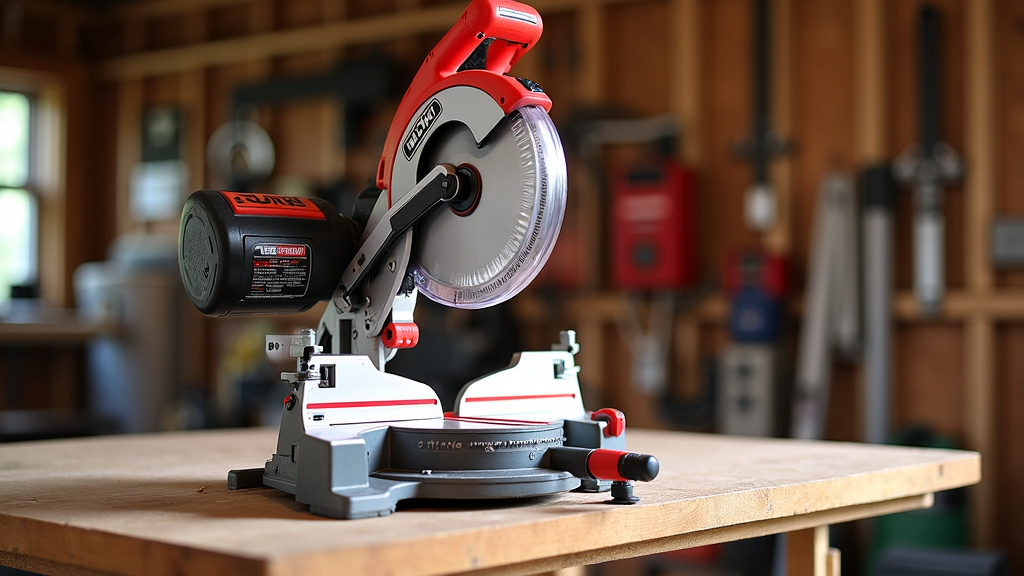
Types of Miter Saw Laser Guides
You’ll find that miter saw lasers come in a few different forms. Understanding these options can help you choose the best fit for your saw and your needs. Most are simple add-ons, but some saws have them built-in.
Aftermarket Laser Attachments
These are separate units you can buy and attach to your existing miter saw. They typically clamp or screw onto the saw’s housing. Many brands offer these universal fit options. Installation is usually straightforward. You’ll want to ensure it fits securely to your specific saw model.
Integrated Laser Systems
Some higher-end miter saws come with a laser guide built directly into the saw’s design. These are often more robust and better aligned than aftermarket options. They might also be more durable. However, they usually come with a higher price tag for the saw itself.
Making Your Decision: Is It Worth It For You?
So, to answer the question directly: for most people, yes, a laser guide is worth the investment. It’s a relatively inexpensive accessory that can pay for itself quickly through reduced material waste and fewer mistakes. If you value accuracy and want to improve your woodworking results, a laser guide is a smart addition.
Consider your typical projects. If you frequently cut trim, build furniture, or work with expensive woods, the precision it offers will be invaluable. Even for simpler DIY projects, the confidence and ease of use it provides can make a big difference. It helps make the process more enjoyable and less prone to error.
Checklist: Is a Laser Guide Right for Your Miter Saw?
- Do you often struggle to see your cut line clearly?
- Do you frequently make repeatable cuts?
- Are you working with expensive or precious materials?
- Do you want to reduce material waste and mistakes?
- Would increased confidence improve your woodworking experience?
- Is your budget flexible enough for this small accessory?
If you answered “yes” to most of these questions, then a laser guide is likely a great purchase for you. It’s a tool that can genuinely improve your accuracy and enjoyment in the workshop. Many users find it quickly becomes an indispensable part of their miter saw setup.
Conclusion
Ultimately, for most woodworkers, adding a laser guide to your miter saw is a smart move. We’ve seen how it can dramatically boost your cutting accuracy and confidence. It helps you avoid costly mistakes and material waste, especially on projects demanding precision. While minor considerations like battery changes exist, the benefits clearly outweigh them for many users. If you’re looking to improve your woodworking results and make projects more enjoyable, investing in a laser guide is a practical step. Consider checking compatibility with your saw and picking one up to see the difference for yourself.
Frequently Asked Questions
Will a laser guide make my cuts perfectly straight?
A laser guide helps you visually align your cut, significantly improving accuracy. However, the final cut quality still depends on your miter saw’s precision and your technique. It’s a tool to aid your accuracy, not a guarantee of perfection on its own.
How do I know if the laser line is accurate to my blade?
Most laser guides can be adjusted. You’ll want to calibrate it by making a test cut and checking if the laser line accurately represents where the blade cuts. Many models have small adjustment screws to fine-tune the alignment to match your blade’s kerf.
Are laser guides bright enough for a well-lit workshop?
Yes, quality laser guides are designed to be quite bright and visible even in moderately lit workshops. The visibility can be reduced by bright sunlight or very strong overhead lights. Keeping the laser lens clean also helps maintain its brightness.
Can I put a laser guide on any miter saw?
Most aftermarket laser guides are designed to be universal and can be attached to most miter saws. You’ll want to ensure the mounting mechanism is compatible with your saw’s housing. Integrated lasers are, of course, specific to the saw model they come with.
What happens if the laser guide’s battery dies mid-cut?
If the battery dies, the laser line will simply disappear. This means you’ll be back to aligning visually. It’s a good practice to keep spare batteries handy and check the laser’s function before you start a critical cut to avoid interruptions.