Miter Saw vs Radial Arm Saw: Which Should You Choose? (November 2026)
Choose a miter saw for repeatable crosscuts in a compact station; consider a radial arm saw when its broader reach suits your work and shop. A miter saw is a type of radial saw, but the names usually refer to different machines.
On this page (7 sections)
- Miter saw vs radial saw: what’s the difference?
- Which saw gives you enough crosscut capacity?
- Which saw is easier to use for repeatable cuts?
- How much workshop space does each saw need?
- Which saw suits common home and shop projects?
- What safety and setup checks matter?
- How do you choose between the two saws?
Choose a miter saw for repeatable crosscuts in a compact station; consider a radial arm saw when its broader reach suits your work and shop. A miter saw is a type of radial saw, but “radial arm saw” usually means a different machine.
A miter saw pivots its blade down through stock held against a fence. A radial arm saw carries its blade on a head that moves along a horizontal arm, which can offer a long crosscut stroke but needs room around the machine.
The right choice depends on the pieces you cut, how often you make angled cuts, and the space you can dedicate to setup and support. If noise matters too, see whether belt-drive miter saws are quieter.

Miter saw vs radial saw: what’s the difference?
A miter saw pivots through the cut; a radial arm saw moves its blade along an arm. Both can crosscut boards, but they hold and move the blade differently.
A miter saw’s workpiece stays against the fence and table as the blade assembly pivots down. Many models also tilt for bevel cuts or slide forward and back to increase crosscut capacity.
A radial arm saw’s head travels across the work on an overhead arm. Its arm can often rotate to set different angles, and the head may be repositioned for other operations depending on the machine and its manual.
The phrase “radial saw” can cause confusion. A miter saw belongs to the broader family of radial-blade machines, but most people comparing these tools mean a miter saw versus a radial arm saw.
Which saw gives you enough crosscut capacity?
Match the saw’s rated crosscut capacity to your widest stock, then allow room to support it. Blade diameter alone doesn’t tell you the maximum width a saw can cut.
Sliding miter saws extend the blade across the work, while non-sliding models rely on the blade’s arc. For example, the DEWALT 12-Inch Miter Saw is rated to crosscut 2 x 8 in lumber at 90 degrees and 2 x 6 in at 45 degrees.
A radial arm saw’s crosscut reach depends on its arm and head travel. If you’re comparing a specific machine, check its manual or maker specifications for capacity at the angles and material thicknesses you use.
Long boards need support on both sides of either saw. Measure the full station, including the infeed and outfeed areas, rather than comparing only the saw bases.
For help matching blade size and capacity to your projects, read How To Choose Miter Saw Size?. If you’re still deciding among saw styles, What Type Of Miter Saw Do I Need? covers common miter saw options.
Which saw is easier to use for repeatable cuts?
A miter saw is usually easier to set up for repeated crosscuts at common angles. Its fence, table, and miter detents give you a fixed place to register stock and set an angle.
The DEWALT 20V MAX 7-1/4-Inch Miter Saw has 11 positive miter stops and an integrated cut line indication system. Its compact 30 lb design may suit a portable station or a shop where storage space matters.
A radial arm saw can also make angled crosscuts, but setting up and using one depends on that model’s controls, arm adjustments, and instructions. Read its manual before using operations beyond the basic cuts it specifies.
For trim, flooring, and frame parts, consider how often you’ll repeat the same length or angle. A miter saw’s fixed table and fence can make those jobs straightforward, while a radial arm saw may be useful if its travel or adjustment options fit a broader set of tasks.
Before choosing a model, use How To Choose A Miter Saw? to compare the features that matter for your cuts.
How much workshop space does each saw need?
A miter saw needs space for the saw and the stock; a radial arm saw also needs clear travel along its arm. Plan the working area before you buy or mount either tool.
A miter saw may fit on a bench or portable stand, but long boards extend well beyond its table. Leave room to feed and support stock without blocking a walkway, door, or nearby tool.
A radial arm saw has a wider operating envelope because the head travels across the table. Its arm and rails also need clearance, and the workpiece needs support so it stays stable through the cut.
Mark the saw’s footprint and the longest stock you expect to cut on the floor. Then check that you can stand in a balanced position and move the stock without hitting storage or other equipment.
If handling and storage are major concerns, compare saw weight and setup needs as well as cutting capacity. Best Miter Saw For Seniors discusses factors such as portability and ease of adjustment.
Which saw suits common home and shop projects?
Choose a miter saw for trim, molding, framing pieces, and other repeated crosscuts. A radial arm saw can suit a fixed shop when its longer travel or setup options match your range of work.
A miter saw is a practical fit for cutting boards to length, making repeated miters, and trimming stock at a workbench. The DEWALT 12-inch model lists capacity for 2 x 8 in stock at 90 degrees, while the smaller DEWALT cordless model is designed around a 7-1/4 in blade and portability.
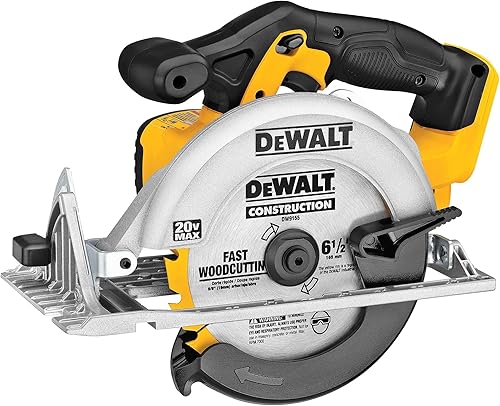
For occasional long straight cuts in lumber or sheet goods, a handheld circular saw may take up less bench space. The DEWALT 20V MAX Circular Saw Cordless has a 0–50 degree bevel capacity, but it must be guided by hand and doesn’t provide the same fixed fence arrangement as a miter saw.
The SKIL 15 Amp 7-1/4 Inch Circular Saw is another corded option for handheld cuts, with a laser guide and dust blower. A guide or square can help establish a straight path, but setup and control still rest with the operator.
A radial arm saw may make sense when you have a permanent station, need its crosscut reach, and are comfortable setting it up according to its manual. If you mainly make trim cuts and want a familiar fence-and-table workflow, a miter saw is usually the more direct fit.
What safety and setup checks matter?
Read the exact saw manual and set up the workpiece, guards, and support before cutting. The controls and approved operations vary by model, especially with a radial arm saw.
Keep hands clear of the blade path, secure stock as the manual directs, and use appropriate eye and hearing protection. Don’t make a cut if the workpiece can shift or if the blade guard doesn’t operate as intended.
Radial arm saws can be configured for different operations, so avoid relying on a general description or old shop advice. Follow the manufacturer’s instructions for blade direction, adjustments, and permitted cuts.
For either tool, make sure the floor and work surface are stable and the blade is suitable for the material and operation. Disconnect power before blade changes or maintenance, following the manual’s procedure.
How do you choose between the two saws?
Pick a miter saw for frequent, repeatable crosscuts and angled trim; pick a radial arm saw when its travel and fixed-shop layout serve more of your work. Capacity, space, and the cuts you actually make should decide it.
Choose a miter saw if you want a straightforward setup for cutting stock to length, need repeatable miter angles, or have limited room for a permanent machine. If price is the main constraint, see miter saws under 100 dollars for budget options.
Compare the miter saw with steel locking mechanism guide if secure, repeatable angle settings are important to your selection.
Choose a radial arm saw if you have room for the arm’s full movement and a specific reason to use its reach or adjustments. Confirm its capacity and operation in the manual before planning projects around it.
If you’re still weighing whether a dedicated saw station fits your work, start with Do I Need A Miter Saw?. For most home shops focused on trim, framing, and repeat crosscuts, a miter saw is the easier choice to size and place.
Frequently asked questions
Is a miter saw a radial saw?
A miter saw is a radial saw because its blade moves down through the work on an arm or pivot. In everyday shop talk, radial arm saw usually means a different machine with a motor and blade that travel along a horizontal arm, while a miter saw pivots for angled crosscuts.
Which saw takes up less workshop space?
A typical miter saw station can be compact when the saw is stored or mounted on a bench, though long stock needs support on both sides. A radial arm saw needs room for its arm and for the blade assembly to travel, so plan its full operating envelope before choosing a location.
Can a miter saw cut boards as wide as a radial arm saw?
It depends on the exact models and cut. A sliding miter saw can crosscut wider stock than a basic non-sliding model, while radial arm saw capacity depends on arm travel and blade size.
Check each saw's published crosscut capacity against the widest piece you expect to cut.
Can a circular saw replace either saw?
A circular saw can handle many straight crosscuts and bevels when paired with a square or guide, but you guide it by hand. A miter saw holds stock against a fence for repeated angles, while a radial arm saw has its own fixed table and traveling head.


