Is a Miter Saw or Circular Saw Better for a Beginner?
On this page (3 sections)
For a beginner, a circular saw is generally a better starting point than a miter saw. It offers more versatility for various cuts and is often more budget-friendly. We found that many woodworking experts agree it’s the right tool for learning the basics of cutting wood.
While a miter saw excels at precise crosscuts and angled cuts, its specialized function might be overkill for your first projects. For a fuller comparison, see our guide to the two saws. A circular saw lets you handle rip cuts, crosscuts, and even some angled cuts with a bit of practice. Think of it as your all-around workhorse before you specialize.
- A circular saw is more versatile for beginners.
- It handles many types of cuts, not just crosscuts.
- Circular saws are generally less expensive.
- A miter saw is great for accuracy but less flexible.
- Start with a circular saw, then consider a miter saw later.
Let’s dive into why we recommend starting with a circular saw, and what makes each tool unique for your woodworking journey.
Circular Saw vs. Miter Saw: Which Tool for Your First Woodworking Project?
You’re ready to start cutting wood, and you’re wondering which saw to buy first. It’s a common question! We found that for most beginners, a circular saw offers a better starting point. It’s more flexible and will let you tackle a wider range of projects without needing to buy multiple tools right away.
Think of it this way: a circular saw is like a general-purpose utility knife. A miter saw is a very specialized, super-sharp bread knife. Both cut, but one is good for almost anything, and the other excels at one specific task.
Understanding the Circular Saw: Your Versatile Workhorse
The circular saw is probably what you picture when you hear “power saw.” It has a round blade that spins at high speed. You push it along a piece of wood to make cuts. We found it’s a fantastic tool for beginners because of its adaptability.
What Makes a Circular Saw So Good for Beginners?
Many experts agree that its versatility is key. You can take it to the material, which is a huge benefit when you’re working with large sheets of plywood or long boards. It doesn’t need a dedicated workstation, making it great for small shops or even working outdoors.
- Portability: You can easily move a circular saw around your workspace.
- Affordability: Generally, circular saws are much cheaper than miter saws.
- Multiple Cut Types: It handles rip cuts (along the grain), crosscuts (across the grain), and even bevel cuts (angled cuts).
- Material Versatility: With the right blade, it cuts wood, plastic, and even thin metal.
We found that learning to control a circular saw helps build a good foundation for understanding how power tools cut. It teaches you about blade depth, straight lines, and safety.
Understanding the Miter Saw: The Precision King
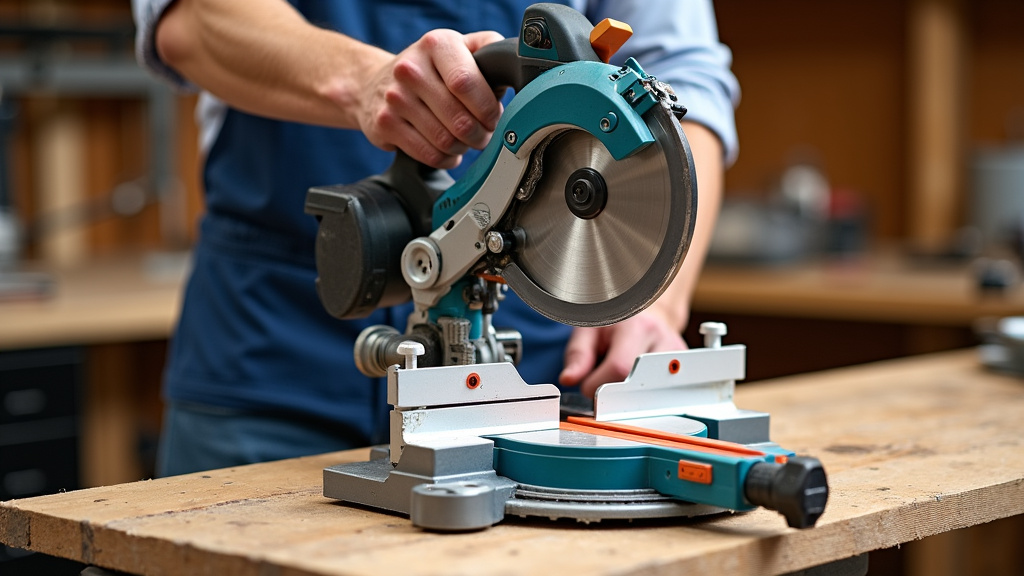
Now, let’s talk about the miter saw. This tool is designed for accuracy and repeat cuts, especially for angled pieces. It has a rotating blade that pivots down onto your workpiece, which is usually held against a fence. It’s a marvel of precision, but maybe not your first choice.
Where a Miter Saw Shines (But Maybe Not for Your First Tool)
If you’re building picture frames, trim work, or anything that needs perfect angles, a miter saw is your best friend. It excels at making consistent, clean crosscuts and miter cuts. It’s built for speed and accuracy in these specific situations.
However, its specialized nature is its biggest limitation for beginners. You can’t use it to rip a long board down the middle. You can’t easily cut large sheets of material. Its primary job is to cut across narrower boards, at various angles.
Key Differences: Circular Saw vs. Miter Saw
To help you decide, let’s look at some direct comparisons. We found these points are often the deciding factors for people just starting out in woodworking.
| Feature | Circular Saw | Miter Saw |
|---|---|---|
| Primary Use | All-around cutting, rip cuts, crosscuts | Precise crosscuts, miter cuts (angles) |
| Portability | Highly portable; you take it to the work | Less portable; work comes to the saw |
| Cost | Generally lower (entry-level options) | Generally higher (even basic models) |
| Versatility | High; cuts various materials and cut types | Lower; specialized for certain cuts |
| Workspace Needs | Minimal; can be used on sawhorses or ground | Needs a dedicated bench or stand |
| Learning Curve | Moderate; mastering straight lines takes practice | Lower for basic crosscuts; higher for complex angles |
As you can see, the circular saw consistently comes out on top for versatility and affordability. These are big advantages when you’re just dipping your toes into the world of woodworking.
Safety First: Which is Easier to Master for a Beginner?
Safety is paramount with any power tool. We found that both saws require respect and proper technique. However, learning to use a circular saw often involves less setup and fewer moving parts to worry about initially. You’ll focus on keeping the blade straight and your hands clear.
With a miter saw, you have the blade coming down towards you, plus the fence and hold-downs to consider. While very safe when used correctly, the specialized motions can be a little less intuitive at first. Many woodworking instructors we researched emphasize starting with simpler tools to build confidence.
When to Consider a Miter Saw (After Your Circular Saw)
Don’t get us wrong, a miter saw is an amazing tool! Once you’ve mastered your circular saw and have a few projects under your belt, you might find yourself wanting one. So, when should you think about adding a miter saw to your toolkit? If you do decide to invest in one, our guide to the best miter saw for beginners can help you choose.
- You’re regularly cutting many pieces to the exact same length.
- Your projects involve a lot of trim work, framing, or precise angled cuts.
- You have a dedicated workshop space where it can live comfortably.
- You’re looking for super clean, finish-quality crosscuts every time.
Many experienced woodworkers have both, using the circular saw for general cuts and large materials, and the miter saw for precise finish work. It’s about having the right tool for the specific job, but you don’t need all the tools at once.
Making Your First Purchase: What to Look For
If you’re going with a circular saw as your first tool, here’s a quick checklist of things to consider:
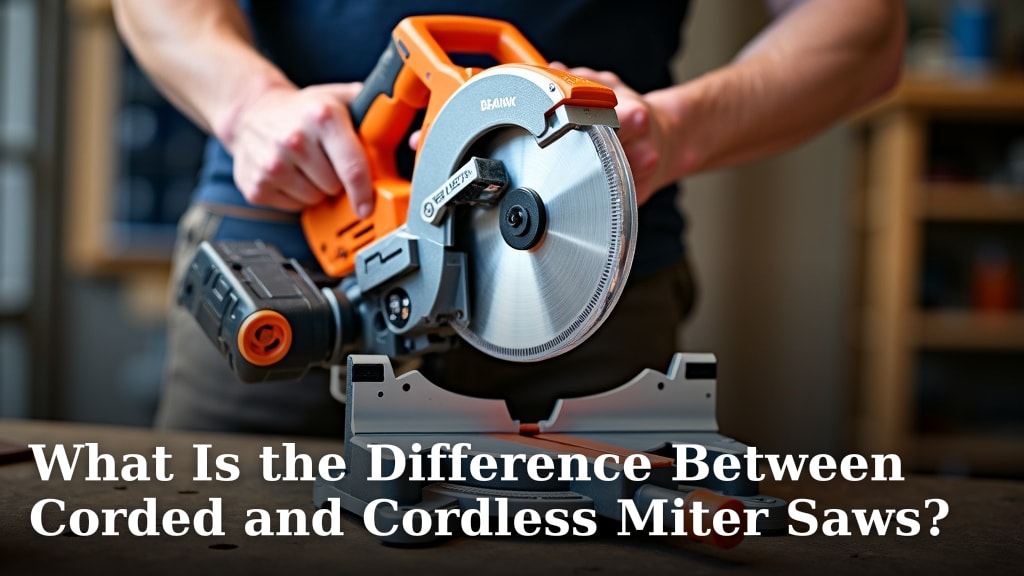
- Corded vs. Cordless: Corded offers constant power; cordless offers portability.
- Blade Size: 7 1/4 inches is a very common and versatile size.
- Power: Look for at least 15 amps for corded models.
- Safety Features: A good blade guard and an easy-to-use depth adjustment are important.
- Comfort: Hold it in your hand; does it feel balanced and comfortable?
- Reputable Brand: Invest in a known brand for better reliability and customer support.
We found that investing a little more in a quality circular saw upfront can save you headaches later. It will perform better and last longer as you learn and grow your skills.
Ultimately, your first power tool purchase is a big step. Choosing a circular saw allows you to learn fundamental cutting techniques, tackle a wide array of projects, and build your confidence before investing in more specialized equipment.
Conclusion
As you begin your woodworking journey, choosing the right first saw is important. We found that a circular saw offers unmatched versatility and affordability for beginners. It allows you to tackle a wide variety of projects, from simple cuts to more complex tasks, all while building essential safety and handling skills.
Don’t let the specialized nature of a miter saw tempt you too early. Start with the circular saw, master its capabilities, and then consider expanding your toolkit. Your initial investment in a quality circular saw will serve as a strong foundation for many successful projects to come.
Frequently Asked Questions
Is a circular saw hard for a beginner to use?
No, a circular saw is not overly difficult for a beginner. It requires practice to make perfectly straight cuts, but its basic operation is straightforward. Focus on setting the depth correctly and maintaining a steady hand, and you’ll quickly get the hang of it.
Can a circular saw make angled cuts like a miter saw?
Yes, a circular saw can make angled or bevel cuts, though not with the same precision or ease as a miter saw. Most circular saws allow you to tilt the blade to a desired angle. You’ll likely need a guide or speed square to help maintain accuracy.
What are the essential safety accessories for a circular saw?
Always use safety glasses and hearing protection. Gloves can also be helpful. Additionally, consider using a clamping straight edge or guide for cleaner cuts, and ensure your workpiece is securely clamped before cutting to prevent kickback.
How much should a beginner spend on a circular saw?
You don’t need to break the bank for your first circular saw. We found many reliable options in the $50-$150 range. Look for reputable brands and read reviews to find a good balance of quality and features within your budget.
When would a beginner absolutely need a miter saw instead of a circular saw?
A beginner would primarily need a miter saw if their first projects involve a lot of precise, repeated angled cuts for things like picture frames, crown molding, or intricate trim work. However, for general cutting, the circular saw is usually sufficient.