What Will A 10 Inch Miter Saw Cut?
A 10-inch miter saw can cleanly cut various materials, primarily wood, plastic, and some non-ferrous metals, making it perfect for most home improvement and woodworking projects.
You’ll find a 10-inch miter saw excels at precise crosscuts and angled cuts on lumber up to about 2×6 or 4×4, depending on the saw type.
Here’s a quick overview of what a 10-inch miter saw can do for you:
- Excellent for common woodworking projects and DIY tasks.
- Handles standard lumber sizes like 2x4s, 2x6s, and even some 4x4s.
- Perfect for precise trim, molding, and picture frames.
- Can cut various materials with the right blade, from wood to PVC.
- A versatile tool for most homeowners and hobbyists.
What Will A 10 Inch Miter Saw Cut?
A 10-inch miter saw is a fantastic tool for most DIYers and professional carpenters. It cuts common lumber sizes and a range of materials with impressive accuracy.
You can expect it to handle the majority of your cutting tasks without a problem. It’s often the go-to size for workshops everywhere.
The Core Capabilities of Your 10-Inch Miter Saw
Think of your 10-inch miter saw as the workhorse for many tasks. It’s particularly good at making precise crosscuts and angled cuts.
Research shows this size is ideal for cutting standard dimensional lumber. This means pieces like 2x4s or 2x6s are easily managed.
Common Wood Cuts You’ll Make
You’ll find your 10-inch saw cuts most wood types with ease. This includes pine, oak, maple, and plywood. It’s perfect for everyday woodworking projects.
Many experts say it handles trim work beautifully. Imagine cutting baseboards or crown molding with clean, perfect angles (Wood Magazine).
What About Wider Boards?
For wider boards, a standard 10-inch miter saw might have limits. It generally cuts up to a 6-inch width at 90 degrees. If you have a sliding miter saw, that changes everything.
A sliding 10-inch miter saw can cut much wider boards. We found some models can slice through a 2×10 or even a 2×12 (Fine Woodworking).
Understanding Cut Capacity: It’s More Than Just Diameter
The 10-inch blade size tells you a lot, but not everything. The saw’s design also impacts what it can cut. Things like the fence height and arbor size matter.
You’ll want to check the specific saw’s manual for its maximum cutting dimensions. This ensures you always stay within safe limits.
Straight Cuts vs. Angled Cuts
When you cut at an angle (a miter or bevel cut), your saw’s capacity shrinks. A 10-inch saw might cut a 2×6 straight, but only a 2×4 at a 45-degree angle.
Always plan for this reduced capacity when tackling intricate angles. It’s a common experience for anyone using a miter saw.
Depth of Cut Considerations
The depth your 10-inch blade can plunge is also key. Generally, it can cut through a standard 2-inch thick board, like a 2×4. Some saws can cut up to 3.5 inches deep.
This depth is usually plenty for most projects. You rarely need to cut anything thicker than a 4×4 post in a single pass with this saw.
Beyond Wood: Other Materials Your 10-Inch Saw Can Tackle
Your 10-inch miter saw isn’t just for wood. With the right blade, it becomes quite versatile. Many homeowners find this feature really useful.
It’s about matching the blade to the material for optimal results and safety.
Here’s a quick list of other materials you can cut:
- PVC pipe and plastic trim
- Aluminum and other thin, non-ferrous metals (with a special blade)
- Fiber cement siding
- Laminate flooring planks
Cutting Plastics and PVC
You can easily cut PVC pipes and plastic molding with a 10-inch saw. Just swap to a blade designed for plastic. This creates cleaner edges and prevents melting.
We found that a fine-tooth blade works best for these materials. It reduces chipping and leaves a smooth finish.
Thin Metals: A Careful Approach
Cutting aluminum or other thin non-ferrous metals is possible, but requires caution. You need a specific non-ferrous metal cutting blade. This blade often has many teeth.
Always clamp the material securely and wear proper safety gear. Research suggests this approach prevents kickback (OSHA guidelines).
Table: Comparing 10-Inch Miter Saw Capacities (Approximate)
Here’s a simple table to help you visualize common cutting capacities:
| Cut Type | Standard (Fixed) 10-inch Saw | Sliding 10-inch Saw |
|---|---|---|
| 90-degree Crosscut (Max Width) | Up to 6 inches | Up to 12 inches |
| 45-degree Miter Cut (Max Width) | Up to 4 inches | Up to 8 inches |
| Max Material Thickness | Around 3 inches | Around 3.5 inches |
| Max Lumber Size (Example) | 2×6 | 2×12 |
When to Consider a Larger Saw (or a Different Tool)
While your 10-inch miter saw is great, it does have limits. If you’re consistently cutting very wide boards, like 16-inch shelves, it might not be the best choice.
You might need a 12-inch miter saw or even a table saw for those larger projects. This helps save time and ensures safer cuts.
Thick Beams and Posts
Cutting really thick posts, say 6x6s, usually requires multiple passes or a different saw. A 10-inch miter saw might struggle with extreme thickness in one go.
We found that a circular saw or a larger beam saw is better for these heavier duty cuts. Don’t force your miter saw past its limits.
Maximizing Your 10-Inch Miter Saw’s Potential
To get the most out of your saw, preparation is key. A sharp, clean blade makes all the difference. Dull blades can lead to bad cuts and kickback.
You’ll also want to use proper techniques for accuracy and safety. It’s about working smarter, not harder.
Here’s a quick checklist for maximizing your saw’s performance:
- Choose the right blade for your material.
- Ensure your workpiece is firmly clamped.
- Always allow the blade to reach full speed before cutting.
- Keep the saw and blade clean from sawdust.
- Regularly check saw alignment for accuracy.
Blade Selection Makes a Huge Difference
The blade is the heart of your saw’s cutting ability. A general-purpose blade is fine for many tasks, but specialized blades really shine.
For fine finish work, a high-tooth-count blade (60-80 teeth) is ideal. For fast framing cuts, a lower tooth count (24-40 teeth) works well.
Safety First, Always
No matter what you’re cutting, safety should be your top priority. Always wear eye protection and hearing protection.
Ensure your work area is clean and well-lit. We often say that a moment of inattention can lead to a lifetime of regret.
Conclusion
Your 10-inch miter saw is a incredibly versatile and powerful tool for a wide range of projects. It confidently handles most common lumber sizes and can cut various materials like plastics and thin metals with the correct blade.
Whether you’re trimming windows, building furniture, or tackling decking, this saw is often the perfect companion. By understanding its capacities and using the right techniques, you’ll achieve precise, clean cuts every time. It’s a true staple in any workshop, giving you the precision you need for your creative endeavors.
What is the thickest wood a 10-inch miter saw can cut?
A 10-inch miter saw typically cuts wood up to 3 to 3.5 inches thick in a single pass. For example, it can easily cut through a 2×4 or a 4×4 post, depending on the saw’s specific design and fence height.
Can a 10-inch miter saw cut a 4×4 post?
Yes, a 10-inch miter saw can generally cut a 4×4 post. Most models have enough depth capacity to pass through a 3.5-inch thick 4×4 at a 90-degree angle, making it suitable for tasks like deck building or fence repairs.
Is a 10-inch miter saw good for cutting crown molding?
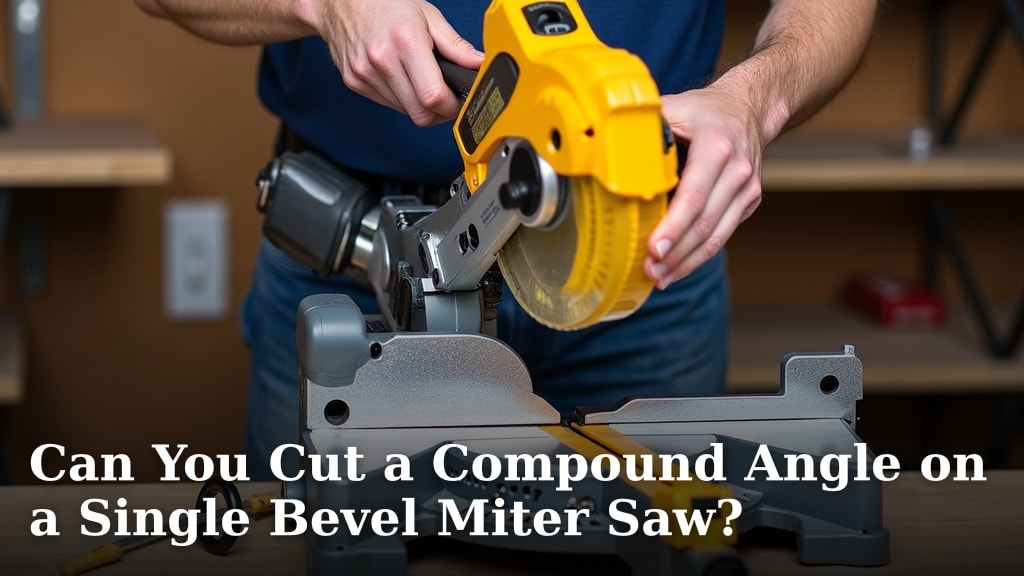
Absolutely, a 10-inch miter saw is excellent for cutting crown molding. Its precision and ability to make compound miter and bevel cuts are ideal for fitting intricate trim pieces perfectly, creating professional-looking results.
What’s the difference between a 10-inch standard and a 10-inch sliding miter saw’s capacity?
The main difference is width capacity. A standard 10-inch saw usually cuts up to 6 inches wide at 90 degrees, while a 10-inch sliding miter saw can cut much wider boards, often up to 12 inches, because the blade slides along rails.
Can you cut metal with a 10-inch miter saw?
Yes, you can cut thin, non-ferrous metals like aluminum with a 10-inch miter saw. However, you must use a specialized metal-cutting blade designed for non-ferrous materials and always secure the workpiece firmly while wearing appropriate safety gear.