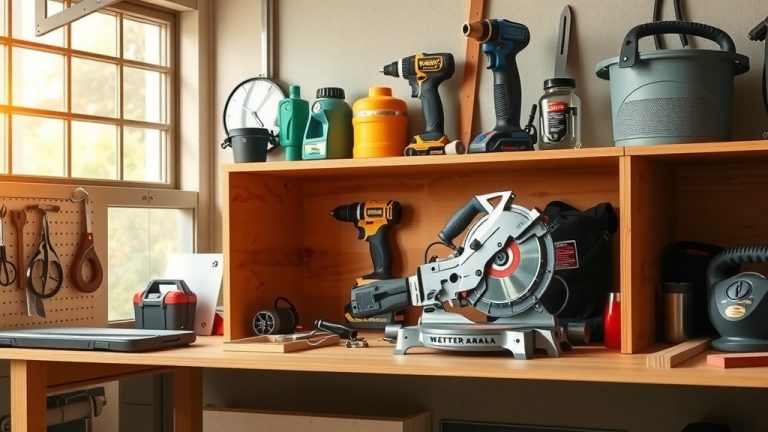
How To Build A Miter Saw Workbench?
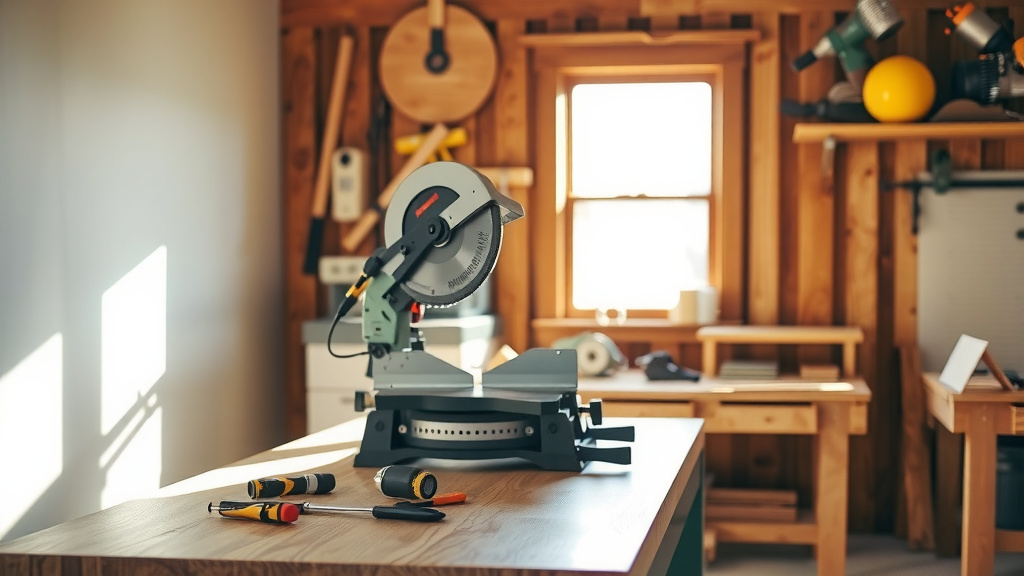
Building a miter saw workbench involves creating a sturdy, level surface with wings for material support, often incorporating storage and dust collection. You will typically construct it from plywood, 2x4s, and a durable countertop for precision cuts.
You can construct a functional miter saw workbench in a weekend, providing a stable platform that significantly improves accuracy and safety for your woodworking projects.
TL;DR: Building a Miter Saw Workbench
- A custom workbench stabilizes your miter saw, boosting accuracy and safety.
- Start with a clear plan, considering saw dimensions and your workshop space.
- Essential materials include strong lumber (2x4s) and flat plywood for surfaces.
- Focus on a level saw platform and extendable support wings for long materials.
- Add convenient features like storage drawers, integrated dust collection, and mobility with casters.
Do you ever feel like your miter saw is just floating in space? Maybe you’re constantly struggling to support long pieces of wood, or perhaps dust is taking over your entire shop. It’s a common frustration for many woodworkers, isn’t it?
A dedicated miter saw workbench isn’t just a luxury; it’s a game-changer. It transforms your cutting station into a precise, efficient, and safer zone. Let’s build something awesome together!
How To Build A Miter Saw Workbench?
To build a miter saw workbench, you need to design a stable base, integrate your saw for a flush cutting surface, and add extension wings to support long materials. Many designs also include storage and dust collection to keep your workspace tidy.
Why Bother Building a Custom Workbench?
You might ask, “Can’t I just use a portable stand?” While those are fine for quick jobs, a custom workbench offers unmatched stability. It provides a rock-solid foundation, which is paramount for precise cuts every single time.
We found that stability directly impacts accuracy in woodworking (Woodworking Magazine). Think about it: a wobbly saw can throw off your angle by a hair, and that tiny error multiplies over a project.
Planning Your Ultimate Miter Saw Station
Before you cut a single board, grab a pencil and paper. This is where your vision comes to life. Your planning makes a big difference in the final product’s usefulness.
Taking Measurements for Success
First, measure your miter saw. Get its width, depth, and especially its height from the base to the cutting surface. These numbers are vital for ensuring your saw sits perfectly flush with the workbench top.
Next, consider your available workshop space. Do you have a small corner or a wide-open wall? Your workbench needs to fit without making your shop feel cramped.
Drafting Your Design
Sketching out a simple diagram helps visualize your workbench. Include where the saw will sit, how long your extension wings will be, and any storage ideas. It’s like drawing a map before a journey – you know where you’re going.
Essential Materials and Tools You’ll Need
Gathering your supplies beforehand saves you time and frustration later. Imagine starting a project only to realize you’re missing a key component! Not fun, right?
Core Materials Checklist:
- 2×4 Lumber: For the sturdy frame and legs.
- Plywood Sheets (3/4″): For the top, shelves, and cabinet sides.
- MDF (Medium-Density Fiberboard): Excellent for the saw platform and flat surfaces.
- Wood Screws: Various lengths for assembly.
- Wood Glue: For added joint strength.
- Casters (Optional): If you want a mobile workbench.
Power Tools for the Project
You’ll want your circular saw or table saw for cutting larger sheets of plywood. A drill or impact driver is essential for fastening everything together. Don’t forget your measuring tape, speed square, and safety glasses!
Building the Foundation: The Workbench Frame
The frame is the skeleton of your workbench. It needs to be strong and level to support your saw and materials. We’re aiming for a fortress, not a flimsy card table.
Constructing the Base
Cut your 2x4s to create two identical rectangular frames for the top and bottom. Use wood glue and screws at each joint for maximum strength. Many experts recommend pocket hole joinery for a robust frame (Fine Woodworking).
Adding the Legs
Attach the legs to the corner of your base frames. Ensure they are plumb and secure. Cross-bracing with additional 2x4s will eliminate any wobble, making your workbench feel incredibly solid.
Integrating Your Miter Saw
This step is where the magic happens. Your saw needs to sit just right to make those clean, accurate cuts.
Creating the Saw Platform
Build a raised box or platform within your main frame that perfectly fits your miter saw. The goal is for the cutting surface of the saw to be exactly flush with your extension wings. This takes careful measurement and adjustment.
Many builders find that dry-fitting components first saves headaches. Don’t attach anything permanently until you’re certain it’s level.
Building Extension Wings
These wings provide the much-needed support for longer workpieces. Cut plywood sheets to match the depth of your saw platform. Attach them firmly to the workbench frame on either side of the saw. You can design them to be fixed or even folding for space saving.
Adding Smart Features and Accessories
Now, let’s make this workbench truly yours. What makes your workflow smoother?
Optional Workbench Enhancements:
- Storage Drawers: Keep blades, pencils, and safety gear handy.
- Dust Collection Port: Integrate a vacuum hose for a cleaner workspace.
- Measuring Tape: Mount a self-adhesive tape on the fence for quick cuts.
- Bench Vise: A small vise can be incredibly useful for holding smaller pieces.
Considering Casters for Mobility
If your shop space is dynamic, adding heavy-duty locking casters is a stroke of genius. You can easily move your workbench out of the way or reposition it for different tasks. Just ensure they are rated for the weight of your workbench and saw.
| Feature | Benefit | Consideration |
|---|---|---|
| Dust Collection | Cleaner air, less mess | Requires vacuum port access |
| Storage Drawers | Organized tools, clear surface | Adds to build complexity |
| Mobile Casters | Easy repositioning, space saving | Needs heavy-duty locking type |
| Adjustable Legs | Perfect height for any user | More involved construction |
Safety First: Tips for Your New Workbench
A safe workspace is a happy workspace. Even the best workbench is only as safe as its user.
Workbench Safety Checklist:
- Ensure your workbench is stable and doesn’t wobble.
- Keep the surface clear of scraps and debris to prevent tripping.
- Always use your miter saw’s blade guard and safety features.
- Wear appropriate eye and hearing protection.
- Make sure your saw is securely fastened to the bench.
Many guidelines point to clear pathways around your cutting station as a good first step (Occupational Safety and Health Administration).
Conclusion
Building your own miter saw workbench might seem like a big undertaking, but the rewards are immense. You’re not just building a piece of furniture; you’re crafting a workspace that enhances your precision, boosts your efficiency, and keeps you safer.
Imagine the satisfaction of making perfectly square cuts, always having support for your material, and knowing exactly where your spare blade is. Go ahead, take that first step. Your future woodworking projects will thank you for it!
What kind of wood is best for a miter saw workbench?
For the frame, 2x4s or 2x6s are excellent due to their strength and affordability. For the work surfaces, 3/4-inch plywood or MDF (Medium-Density Fiberboard) are popular choices because they are stable, flat, and durable.
How high should a miter saw workbench be?
The ideal height for your miter saw workbench allows the saw’s cutting surface to be at a comfortable working level for you. This often means a height between 34 and 38 inches, but it depends on your own height and preferences for comfortable standing work.
Can I build a miter saw workbench with storage?
Absolutely! Integrating storage, like drawers, shelves, or even dust collection compartments, is a very popular and practical feature. It helps keep your shop organized and your essential tools within easy reach, significantly improving workflow.
How do I make sure my miter saw sits flush with the workbench?
Achieving a flush surface is critical for accurate cuts. You will build a recessed platform within your workbench frame where the miter saw sits. Measure your saw’s base-to-table height precisely, then construct the platform so the saw’s cutting deck aligns perfectly with your workbench extension wings.
Is it worth adding casters to a miter saw workbench?
Yes, adding heavy-duty locking casters is highly recommended if you need to move your workbench. It offers incredible flexibility in workshop layout, allowing you to reconfigure your space for different projects or to store the bench out of the way when not in use. Just ensure the casters can handle the combined weight of the bench, saw, and any materials.