
How To Build A Portable Miter Saw Table?
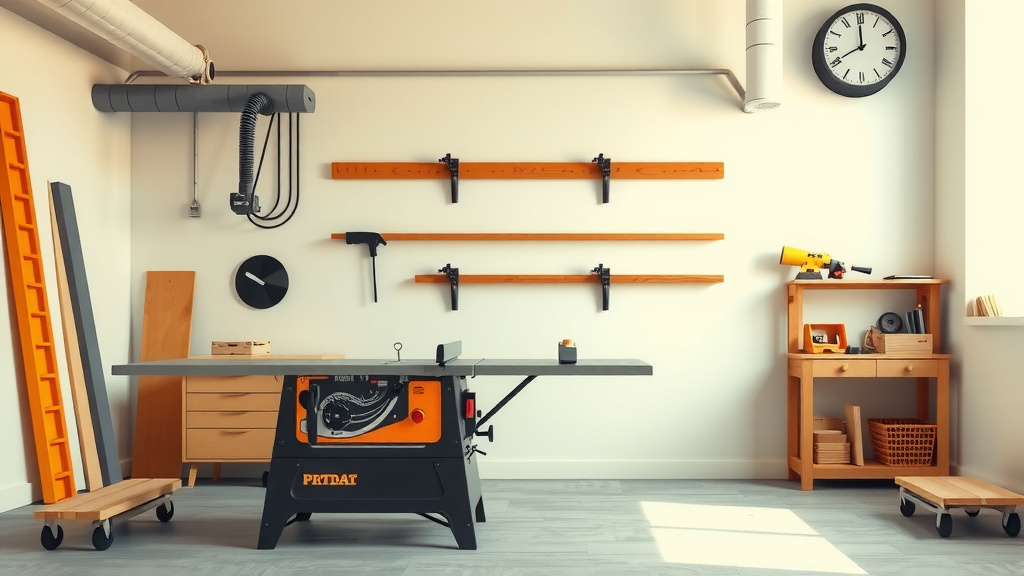
To build a portable miter saw table, you generally construct a stable frame from plywood or 2x4s, design a secure mounting system for your saw, and add extension wings for material support.
The key is creating a sturdy, level surface that’s easy to transport, making your cutting tasks much more efficient wherever you work.
- A portable miter saw table boosts precision and safety for your cuts.
- Planning your design based on your saw and workspace is crucial.
- You’ll need common tools like drills, saws, and measuring tape.
- Construction involves building a base, mounting the saw, and adding support wings.
- Always prioritize safety during construction and use.
How To Build A Portable Miter Saw Table?
Building a portable miter saw table involves creating a robust, level platform that securely holds your miter saw, often with collapsible legs or wheels for easy transport.
You’ll focus on stability and material support to improve accuracy and safety on any job site.
Why Bother with a Portable Table?
Ever found yourself wrestling long boards on two sawhorses, trying to make an accurate miter cut?
It’s not just frustrating; it can be unsafe. A dedicated table provides a stable, uniform work surface that drastically improves your cutting precision.
We found that many carpenters and DIY enthusiasts struggle with consistent cuts without proper support (Fine Woodworking Magazine).
A portable table keeps your saw at an optimal height, reducing back strain and giving you better control over your material.
Beyond Basic Sawhorses
While sawhorses are handy, they often lack the integrated support wings and stability a custom table offers.
Think of it as bringing your workshop’s accuracy right to your job site or garage, without needing a permanent setup.
Planning Your Design: Get It Right From the Start
Before you cut a single piece of wood, take some time to plan. What kind of miter saw do you have?
The size and style of your saw will dictate the dimensions of your table.
Measure Your Miter Saw
Carefully measure the base of your miter saw, paying attention to the mounting holes and any moving parts.
You want your saw to sit snugly and securely within the table’s frame, with no wobble or play.
Consider Your Workspace and Storage Needs
Will your table be stationary or truly portable? Do you need it to fold up or have wheels?
Many experts say thinking about storage and transport early saves headaches later (This Old House).
Essential Tools and Materials Checklist
Gathering your supplies beforehand makes the building process smoother. Here’s what you’ll likely need:
- Plywood (3/4-inch recommended for the top)
- 2x4s or 2x6s (for the frame and legs)
- Wood screws (2-1/2 inch and 1-1/4 inch)
- Wood glue
- Miter saw (ironic, right? But you’ll need it for cuts!)
- Drill/driver
- Measuring tape
- Pencil
- Square
- Clamps
- Safety glasses and hearing protection
Choosing the Right Wood for Stability
When selecting your wood, prioritize straight and knot-free lumber. This ensures a strong and stable frame.
Many builders opt for construction-grade pine or fir for the frame and high-quality plywood for the top surfaces (Wood Magazine).
Building the Base: The Foundation of Stability
Your table’s base is its backbone. A sturdy base prevents your saw from shifting during cuts, which is key for accuracy.
Start by creating a rectangular frame from your 2x4s, sized to fit your miter saw plus any desired clearances.
Crafting the Saw Platform
The saw platform is where your miter saw will sit. It should be recessed so the saw’s bed is flush with the extension wings.
This flush surface is what allows for uninterrupted material support across the entire cutting area.
Adding Extension Wings: Supporting Your Work
The extension wings are the unsung heroes of a miter saw table. They support long workpieces, preventing them from tipping or bowing.
Measure and cut plywood pieces for these wings, ensuring they match the height of your saw’s cutting surface.
| Component | Primary Material | Key Feature |
|---|---|---|
| Base Frame | 2×4 or 2×6 lumber | Sturdy, non-flexing support |
| Table Top/Wings | 3/4″ Plywood | Flat, stable work surface |
| Legs | 2×4 lumber or metal | Adjustable or collapsible for portability |
Securing Your Miter Saw
Once your platform is ready, mount your miter saw. Use bolts that go through the saw’s base and into your table’s platform.
This creates a rock-solid connection, preventing any movement during operation.
Mounting Hardware Matters
We found that carriage bolts with washers and wing nuts often provide the best combination of security and easy removal for transport (Popular Woodworking).
Ensure everything is tightened properly, but not so tight that it damages your saw’s base.
Making it Portable: Legs and Wheels
For true portability, you’ll need sturdy legs. Some designs feature folding legs that tuck away for easy transport.
Others include heavy-duty locking casters, allowing you to roll the table around your workspace with ease.
Folding Leg Mechanism
Research often shows that simple hinge mechanisms or even removable bolted legs work well (DIY Network).
Consider the trade-off between quick setup and maximum stability when choosing your leg design.
Adding Fences and Stops for Precision
To further enhance your table’s capabilities, consider adding a fence and adjustable stops.
These allow for repeatable cuts at specific lengths without constant remeasuring.
Many experts agree that a good fence system drastically improves efficiency and accuracy (Family Handyman).
You can create a simple wooden fence that clamps to your extension wings.
Safety First: Always Wear Protection
No matter how well you build your table, safety remains paramount. Always wear appropriate personal protective equipment.
This includes safety glasses, hearing protection, and gloves when handling rough lumber.
Before making any cuts, ensure your saw is properly plugged in and your work area is clear. A clean workspace is a safe workspace.
Customization Ideas: Make It Yours
This is your table, so feel free to personalize it! You could add drawers for blades or pencils, or even a power strip for your saw and a shop light.
Some builders incorporate dust collection ports for a cleaner cutting experience.
You might also add measuring tape adhesive strips along the extension wings for quick, visual measurements.
The possibilities are vast, limited only by your needs and imagination.
Maintenance Tips for Longevity
To keep your portable miter saw table in top shape, a little maintenance goes a long way.
Periodically check all screws and bolts for tightness, especially after transporting it.
Keep the surface clean of sawdust and debris, which can affect the flatness of your cutting surface.
If your table gets wet, dry it thoroughly to prevent warping or damage to the wood.
Quick Checklist for Your Build:
- Plan your design carefully, considering saw dimensions.
- Gather all necessary tools and materials before starting.
- Build a stable, level base for your miter saw.
- Ensure the saw platform is flush with extension wings.
- Securely mount your miter saw to the platform.
- Choose a portable leg design that suits your needs.
Conclusion
Building a portable miter saw table is a rewarding project that significantly upgrades your woodworking capabilities.
By following these steps, you create a dedicated workstation that offers superior stability, accuracy, and support for all your miter cuts.
It’s an investment in your craftsmanship, providing a consistent, safe environment for making precise cuts wherever your projects take you.
Frequently Asked Questions
How important is it for the saw platform to be flush with the extension wings?
It is incredibly important. A flush surface ensures that your workpiece has continuous, even support as it passes through the saw, leading to much more accurate and safer cuts, especially with longer materials.
Can I add a dust collection system to my portable miter saw table?
Absolutely! Many designs incorporate a simple dust port or shroud around the saw’s dust collection area, directing sawdust into a shop vacuum. This keeps your workspace cleaner and improves visibility during cuts.
What’s the best way to make the table truly collapsible for transport?
Using folding leg hardware or designing detachable legs that can be easily unbolted and re-secured are popular methods. Ensuring your extension wings also fold or detach quickly will maximize portability.
Are there any specific types of wood screws recommended for building this table?
Yes, exterior-grade or construction-grade wood screws are generally preferred due to their strength and resistance to stripping. Using pre-drilled pilot holes will also prevent wood splitting, especially when working near edges.
How can I make sure my table is level on uneven ground?
Some designs incorporate adjustable feet or leveling pads at the bottom of the legs. Alternatively, carrying a few shims or small blocks of wood can help you quickly level the table on varying surfaces.
