What Is A Sliding Miter Saw?
On this page (8 sections)
A sliding miter saw is a power tool designed for precise crosscuts and miter cuts on long workpieces. It features a saw head that glides along horizontal rails, extending its cutting capacity significantly.
This design lets you make wide cuts on larger boards that a standard miter saw cannot handle, making it a favorite for many woodworking tasks.
- A sliding miter saw extends its blade on rails for wider cuts than standard models.
- It offers great versatility for crown molding, decking, and various trim work.
- You gain increased accuracy and power, especially with different blade types.
- Safety is paramount; always follow proper operating procedures.
- Choosing the right saw depends on your project needs and available space.
What Is A Sliding Miter Saw?
A sliding miter saw is essentially a miter saw with an added sliding mechanism. This mechanism allows the blade and motor to slide forward and backward on sturdy rails, greatly increasing the cutting width.
Think of it like a train on tracks; the saw head moves smoothly along, letting you cut much wider boards. Many experts say this feature transforms a good saw into a truly versatile tool for your workshop.
How Does It Work Its Magic?
You might wonder how it achieves those long cuts. The saw blade moves on a pivot, just like a regular miter saw, allowing for angled cuts. But the key difference is the rails.
These rails extend from the back of the saw, letting the entire motor and blade assembly glide. This movement effectively pushes the blade further through your material, giving you a greater reach.
The “Sliding” Advantage You’ll Love
The main advantage is simple: wider cuts. If you’re working with wide shelves, decking boards, or intricate crown molding, a standard miter saw often falls short. We found that the sliding feature makes quick work of these wider materials.
Imagine trying to cut a 12-inch board with a 10-inch stationary blade. It’s impossible! But with a sliding model, that’s not a problem at all.
Why Choose a Sliding Miter Saw?
Many woodworkers consider a sliding miter saw a workshop staple. It offers power and precision that can truly elevate your projects. You gain the ability to tackle a broader range of materials and cut sizes.
We found that this type of saw saves you time and effort, especially when you need repeatable, accurate cuts on numerous pieces.
Key Benefits for Your Projects
What specific benefits will you see? Well, for starters, you get unmatched versatility. Crown molding, deck boards, shelving, and door frames become much easier to manage. Research often connects this versatility with greater project efficiency (Fine Woodworking Magazine).
You’ll also notice improved precision. The sliding action, when well-maintained, keeps your cuts straight and true across wider dimensions.
Here’s a quick look at why these saws are so popular:
- Wider Cutting Capacity: Cut boards up to 16 inches or more, depending on the blade size.
- Increased Accuracy: Smooth rail movement helps maintain a consistent cut line.
- Versatility: Perfect for crosscuts, miter cuts, and bevel cuts on various materials.
- Efficiency: Reduces the need for multiple passes or tools on wide stock.
- Power: Typically features powerful motors to handle tough wood.
Types of Sliding Miter Saws
Did you know there isn’t just one type? Understanding the differences helps you pick the best one for your needs. The main distinction often lies in the blade size and how the sliding mechanism is designed.
Some models offer a compact rail system, which is great if your workshop space is tight. Others prioritize maximum cutting width.
Single Bevel vs. Dual Bevel
This is an important choice. A single bevel saw only tilts in one direction (usually left) for bevel cuts. If you need to cut a bevel in the opposite direction, you’d flip your workpiece.
A dual bevel saw, however, tilts both left and right. This feature saves you time and effort, as you don’t have to reposition your material as often. Many professionals prefer dual-bevel for speed and convenience (Tools of the Trade).
Corded vs. Cordless Models
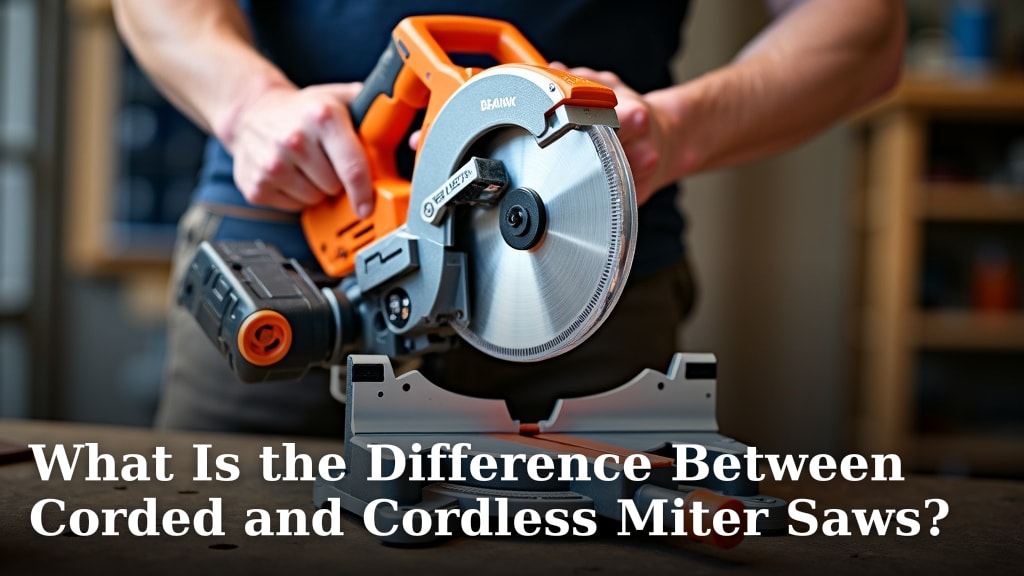
Most sliding miter saws are corded, offering continuous power. But cordless options are gaining popularity, especially for job sites or areas without easy power access.
Cordless models provide incredible portability, letting you move the saw where the work is. Just remember to have extra batteries charged and ready to go!
Sliding Miter Saw vs. Standard Miter Saw
What’s the real difference, you ask? For a fuller comparison, see our guide to sliding and non-sliding saws. It all comes down to cutting capacity. A standard miter saw pivots on a fixed point, limiting its crosscut width to roughly the blade’s diameter.
A sliding miter saw overcomes this limitation with its rails. It’s like comparing a regular ruler to an extendable tape measure; both measure, but one gives you more reach.
| Feature | Sliding Miter Saw | Standard Miter Saw |
|---|---|---|
| Cutting Width | Much wider (e.g., 12-16 inches) | Limited (e.g., 6-8 inches) |
| Complexity | More moving parts, higher cost | Simpler, often more affordable |
| Footprint | Requires more back clearance | Less back clearance needed |
| Versatility | High (decks, flooring, trim) | Good (trim, small stock) |
| Precision | Excellent for wide materials | Excellent for narrow materials |
Using Your Sliding Miter Saw Safely
Power tools demand respect. Safety isn’t just a suggestion; it’s a requirement for every cut you make. Always take a moment to review the basics before starting any project.
We found that many accidents happen due to rushing or neglecting simple safety steps. Your well-being is the most important thing.
Essential Safety Checklist
Before you even plug in your saw, run through this mental checklist. It will help keep you and your fingers safe.
- Always wear safety glasses to protect your eyes from flying debris.
- Use hearing protection; these saws can be loud.
- Ensure the workpiece is clamped firmly before cutting.
- Keep your hands a safe distance from the blade at all times.
- Unplug the saw when changing blades or making adjustments.
- Clear your work area of clutter and potential trip hazards.
Choosing the Right Sliding Miter Saw
Ready to get one? Great! But how do you pick from all the options? It truly depends on your specific needs and the types of projects you plan to tackle. Don’t just grab the first one you see.
Consider what you’ll be cutting most often. Will it be thick lumber, delicate trim, or wide panels?
Factors to Consider
When you’re comparing models, think about a few key things. The blade size (10-inch or 12-inch) dictates cutting depth and width. A 12-inch blade generally offers more capacity.
Also, look at the motor power. A higher amperage motor means less bogging down when cutting harder or thicker materials. Many experts suggest a motor around 15 amps for general use.
Space and Portability Matters
Do you have a dedicated workshop, or do you need to move your saw frequently? Some sliding miter saws have a large footprint due to their rails. Others feature front-mounted rails or unique designs that save space.
If portability is key, weigh the saw’s physical size and weight. A lighter model might be easier to transport, but could sacrifice some stability.
Maintenance Tips for Longevity
To keep your sliding miter saw performing its best, a little care goes a long way. Regular maintenance ensures accuracy and extends its lifespan. Treat your tools well, and they will serve you faithfully.
Think of it like tuning up your car; consistent checks prevent bigger problems down the road.
Simple Steps to Keep It Running Smooth
First, always keep the saw clean. Sawdust can gunk up the sliding mechanism, leading to rough movement. Use compressed air or a brush to clear debris regularly.
Also, periodically check and tighten any loose bolts or screws. A well-maintained saw is a safe saw (Occupational Safety and Health Administration).
Conclusion
A sliding miter saw is a game-changer for anyone serious about woodworking or home improvement. It brings immense versatility and precision to your projects, letting you cut wider materials with ease. From framing to finishing, this tool can significantly enhance your capabilities.
By understanding its features, choosing the right model, and prioritizing safety, you’ll find it an incredibly valuable addition to your workshop. So, are you ready to expand your cutting horizons?
What is the main benefit of a sliding miter saw over a regular one?
The primary benefit is its significantly increased cutting capacity. The sliding rails allow the blade to move across a wider board, enabling you to cut materials that a stationary miter saw cannot reach in a single pass.
Can a sliding miter saw make bevel cuts?
Yes, absolutely. Most sliding miter saws are designed to make both miter (angled horizontal) and bevel (angled vertical) cuts. Many advanced models offer dual-bevel capabilities, allowing the blade to tilt both left and right.
What size blade is best for a sliding miter saw?
The best blade size depends on your typical projects. Common sizes are 10-inch and 12-inch. A 12-inch blade offers greater depth and width of cut, which is ideal for larger lumber or crown molding. A 10-inch blade is often more compact and suitable for smaller, more precise trim work.
Do sliding miter saws require a lot of space?
Compared to standard miter saws, sliding models generally require more depth in your workspace due to the rails extending backward. Some newer designs feature front-mounted rails or compact sliding systems to minimize this footprint, making them more suitable for smaller shops.
Is a sliding miter saw good for beginners?
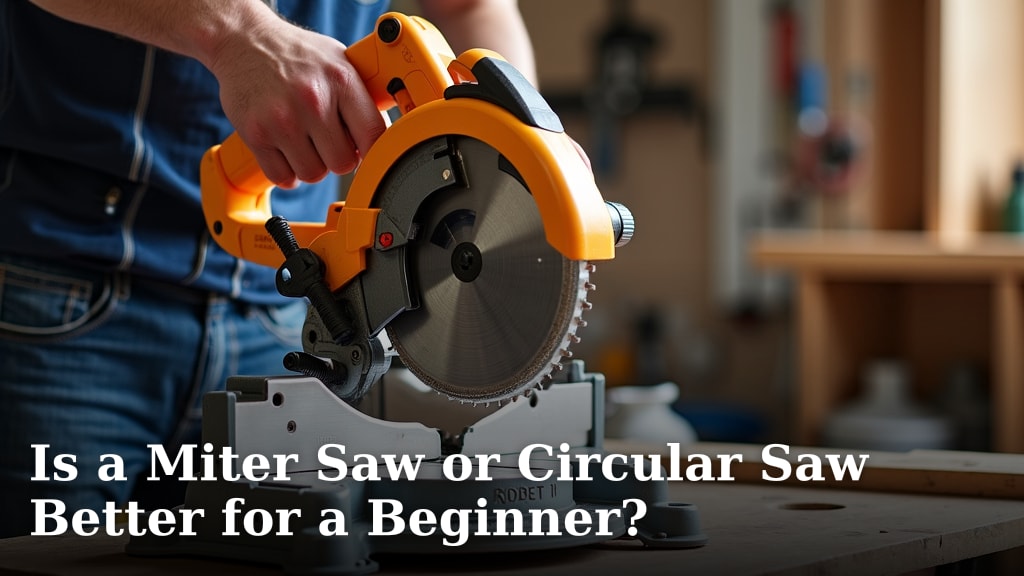
Yes, a sliding miter saw can be a great tool for beginners, offering excellent accuracy and versatility from the start. However, as with any power tool, beginners should prioritize learning proper safety procedures and practice cuts on scrap material before tackling important projects.