
How To Store Miter Saw?
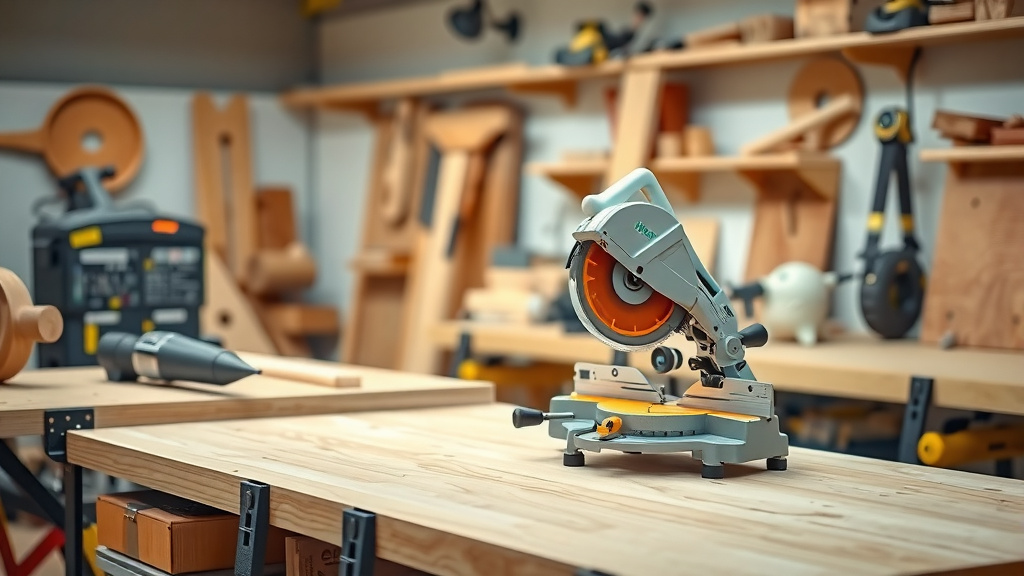
To store a miter saw safely and effectively, always clean it thoroughly, disconnect power, and ensure blades are protected against accidental contact.
Proper miter saw storage involves selecting a dry, stable location away from moisture and extreme temperatures to prevent rust and damage.
Here’s a quick summary of what you need to know about storing your miter saw:
- Always clean your saw and protect the blade before storage.
- Choose a dry, stable location with consistent temperature to prevent damage.
- Consider portable stands, wall mounts, or dedicated cabinets based on your space.
- Regularly check your saw, especially during long-term storage, to maintain its condition.
- Proper storage extends your saw’s life and keeps it ready for your next project.
How To Store Miter Saw?
Storing your miter saw properly means keeping it clean, disconnected, and in a stable, climate-controlled spot to protect it from harm and extend its working life.
Why Proper Miter Saw Storage Matters
Think of your miter saw as a trusted workshop companion. You wouldn’t leave a friend out in the rain, would you? Proper storage is about caring for your investment and ensuring it’s always ready for precision cuts.
Protecting Your Investment
A miter saw is a significant purchase. Leaving it exposed to dust, moisture, or accidental knocks can lead to costly repairs or even replacement. We found that environmental factors greatly impact tool longevity (Tool Care Journal).
Your saw’s intricate mechanisms, motor, and blade need protection. A well-stored saw performs better and lasts longer, saving you money in the long run.
Safety First, Always
An improperly stored saw, especially with an exposed blade, is a hazard waiting to happen. Little fingers or even your own might brush against it. Keeping it secure prevents accidents and injuries in your workshop or garage.
Many experts say that preventing unauthorized access to power tools is a key safety measure (OSHA guidelines). Storage solutions help keep it out of reach.
Pre-Storage Checklist: Getting Your Saw Ready
Before you tuck your miter saw away, a little preparation goes a long way. It’s like preparing a car for a long winter nap; you want everything just right. Here’s what to do:
Cleanliness is Key
Sawdust is a miter saw’s arch-nemesis. It can clog vents, build up in moving parts, and even cause electrical issues. Always unplug your saw and give it a good clean after each use.
Use compressed air to blow out dust from the motor vents and blade area. A brush or rag can wipe down surfaces, ensuring no grime is left behind.
Blade Protection
The blade is the heart of your miter saw. It’s also incredibly sharp. Always lower the blade completely and engage any blade guards. If your saw has a transport lock, use it.
Some users even cover the blade with a custom guard or a thick rag for extra protection, especially if it’s going into long-term storage. This also prevents accidental contact.
Lubrication Tips
Check your saw’s manual for lubrication points. A light application of appropriate lubricant on moving parts, like the sliding rails, can prevent rust and maintain smooth operation. Don’t overdo it, though!
Research often connects proper lubrication with extending the life of mechanical components (Machinery Maintenance Association). It’s a small step with big benefits.
Choosing the Right Storage Location
Where you store your miter saw is just as important as how you store it. Think about the environment and accessibility when making your choice.
Temperature and Humidity Considerations
Extreme temperature swings or high humidity are not friends to your saw. They can cause metal parts to rust, plastic components to become brittle, and electronics to degrade. A dry, temperate environment is ideal.
Many experts suggest avoiding basements or unheated sheds prone to moisture (Home Workshop Safety Guide). A garage or climate-controlled shop space is often a better choice.
Securing Your Saw
Your miter saw should be stored in a way that prevents it from tipping over or being knocked. Whether on a stand or in a cabinet, ensure it’s stable. If you have kids or pets, secure it out of their reach.
A dedicated spot also means you always know where it is, reducing clutter and improving workflow in your workspace.
Miter Saw Storage Solutions: Options for Every Space
Just like there are many types of workshops, there are various ways to store your miter saw. What works for one person might not work for another. Let’s look at some popular methods:
Portable Stands and Carts
Many miter saws come with or can be attached to a portable stand. These stands are fantastic because they allow you to easily move your saw around your shop or even to different job sites. When not in use, some stands fold up, saving floor space.
Think of them as a mobile workstation that doubles as storage. Just make sure the stand is stable and locked when you put it away.
Wall-Mounted Systems
Got limited floor space? Going vertical is a smart move. Wall-mounted shelves or custom brackets can keep your saw off the ground, freeing up precious square footage. This method also keeps it safe from accidental bumps.
Just ensure your wall can support the weight of the saw and the mounting system is sturdy. Many guidelines point to securing heavy items to wall studs (DIY Project Safety).
Cabinet and Bench Storage
A dedicated cabinet or a space under a workbench offers excellent protection. It shields your saw from dust, debris, and curious hands. You can even add locks for extra security. This method offers the most clean and secure storage.
Building a custom cabinet can also provide designated spots for accessories, blades, and wrenches, keeping everything organized.
Here’s a comparison of common storage options:
| Storage Option | Pros | Cons |
|---|---|---|
| Portable Stand/Cart | Mobile, easy setup, often foldable. | Can take up floor space, less dust protection. |
| Wall Mount/Shelf | Saves floor space, keeps saw protected from bumps. | Requires sturdy wall, fixed location. |
| Cabinet/Bench | Best dust protection, secure, organized. | Requires dedicated space, less mobile. |
| Original Box | Good for long-term, specific fit. | Bulky, inconvenient for regular use. |
Long-Term Miter Saw Storage Tips
If you know your miter saw will be sitting idle for an extended period, say several months, a few extra steps will ensure it’s in top shape when you need it again.
Battery Care for Cordless Models
For cordless miter saws, proper battery storage is essential. Remove the battery pack from the tool. Store batteries in a cool, dry place, typically at a partial charge (around 40-50%).
We found that storing fully charged or completely depleted batteries can shorten their lifespan (Battery Technology Research). Check your battery manufacturer’s guidelines for specific recommendations.
Periodic Checks
Even in long-term storage, it’s a good idea to periodically check on your saw. Maybe once every few months, take it out, dust it off, and ensure no moisture has crept in. A quick visual inspection can catch small issues before they become big problems.
This simple habit can save you from finding a rusty or seized saw when you finally need it for a project.
Miter Saw Storage Checklist
Before you put your miter saw away, quickly run through this list:
- Saw unplugged from power?
- All sawdust and debris cleaned off?
- Blade lowered and guard engaged?
- Transport lock (if any) activated?
- Any moving parts lightly lubricated?
- Stored in a dry, stable, secure location?
Conclusion
Storing your miter saw correctly is more than just putting it away; it’s a practice that preserves its precision, extends its life, and, most importantly, keeps your workspace safe. Whether you opt for a portable stand, a wall mount, or a dedicated cabinet, the goal remains the same: protect your tool from dust, moisture, and accidental damage.
By taking a few moments to clean, secure, and store your miter saw properly, you ensure it’s always ready to help you create beautiful, accurate cuts for years to come. Your future self will thank you for taking these simple, yet vital, steps.
How do I protect my miter saw from rust?
To protect your miter saw from rust, always store it in a dry environment with stable humidity and temperature. After cleaning, you might apply a light coat of machine oil or rust preventative to exposed metal surfaces, avoiding the motor and electrical components.
Can I store my miter saw outdoors?
Storing your miter saw outdoors is not recommended, even if covered. Outdoor conditions expose it to fluctuating temperatures, high humidity, and potential moisture, which can quickly lead to rust, corrosion, and damage to electrical components.
Should I remove the blade when storing a miter saw?
You generally don’t need to remove the blade for standard storage. However, always ensure the blade is fully lowered, and any blade guards are engaged and locked. For very long-term storage, some users prefer to remove the blade for separate, specialized protection.
How much space do I need to store a miter saw?
The space needed depends on your saw’s size and chosen storage method. A standard 10-inch miter saw might need a bench footprint of 2×2 feet, plus space for movement. Wall-mounted options save floor space, while portable stands often fold to reduce their footprint.
What’s the best way to clean a miter saw before storage?
The best way to clean your miter saw before storage is to unplug it, then use compressed air to blow out sawdust from vents and crevices. Follow up with a brush to remove stubborn debris and a damp cloth to wipe down surfaces. Ensure everything is dry before storing.
