How To Replace Guard On Ryobi Miter Saw?
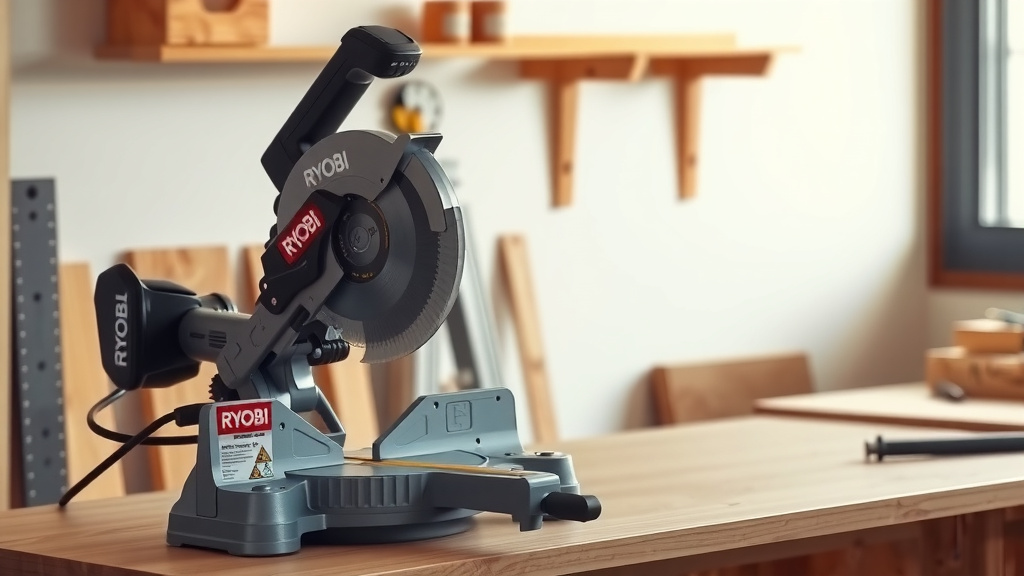
Replacing the guard on your Ryobi miter saw involves removing a few key fasteners and carefully detaching the old guard, often due to wear or damage.
You’ll then align the new guard, secure it with the appropriate screws or pins, and ensure it moves freely before making any cuts.
Here’s a quick overview of what you’ll learn:
- You will understand why a working guard is so important for safety.
- We will walk through the exact tools you’ll need for this simple swap.
- Get clear, step-by-step guidance on removing the old guard without fuss.
- Discover the best way to install your brand-new guard securely.
- Learn how to test your saw’s new guard to ensure everything works perfectly.
Picture this: you’re in your workshop, eager to tackle a new project, but your miter saw guard isn’t quite right. Maybe it’s cracked, stiff, or just missing a piece. It’s frustrating, isn’t it? But more than that, it’s a major safety concern. We’ve all been there, staring at a tool that needs a little TLC.
The guard is your first line of defense against flying debris and accidental contact with the blade. Using a saw with a damaged guard is like driving without a seatbelt. It’s just not worth the risk. Many safety experts, like those at OSHA, constantly remind us that machine guarding is critical.
How To Replace Guard On Ryobi Miter Saw?
To replace the guard on your Ryobi miter saw, you will need basic hand tools and patience to carefully remove the old parts and install the new one.
Safety First: Always Unplug Your Saw
Before you even think about touching your saw, please, unplug it. Seriously, this is not a step to skip. Think of it as hitting the pause button on danger. Many studies from various safety councils highlight how unplugging prevents accidental startups during maintenance. It keeps your fingers safe.
We’ve all heard stories, or maybe even had a close call, where a tool unexpectedly powered on. A few seconds to unplug the saw could save you a trip to the emergency room. Always make sure the saw is completely disconnected from power before proceeding. This is your number one priority.
Gathering Your Essential Tools
You wouldn’t start baking without your ingredients, right? The same goes for saw maintenance. Having the right tools makes the job smoother and quicker. We found that most Ryobi miter saw guard replacements typically require just a few common items. What do you have handy?
Here’s what you’ll generally need:
- A screwdriver set (both Phillips and flathead)
- Hex keys or Allen wrenches (these often come with your saw)
- Pliers (sometimes useful for stubborn pins)
- Your new Ryobi miter saw guard replacement part
It’s a good idea to lay everything out. This helps ensure you won’t be scrambling for a tool mid-task. Trust me, it makes a difference.
Clearing the Work Area
A cluttered workspace is a dangerous workspace. Before you start, take a moment to clear off your workbench. Remove any scrap wood, dust, or tools not needed for this specific task. A clean area helps you focus and keeps small parts from getting lost. We want this process to be stress-free for you.
Visual Inspection: Understanding Your Saw’s Guard Mechanism
Take a good look at your current guard. How does it attach? Does it pivot smoothly? Some Ryobi models have different attachment points. Noticing these details before you start helps you understand what you are about to do. It’s like studying a map before a road trip. What do you notice about yours?
Step-by-Step: Removing the Old Guard
Okay, it’s time to gently take apart your saw. Remember, you’re not wrestling a bear; you’re performing delicate surgery. Take your time with each fastener. Sometimes, the screws might be a bit tight, especially if they haven’t been touched in years.
Locating the Fasteners
On most Ryobi miter saws, the guard is attached with a few screws or pins near the blade. You might see them on the side, top, or even underneath. Many owner’s manuals detail these points clearly, so if you have yours, a quick check can be helpful. What fasteners do you spot?
Carefully Loosening and Removing
Using your screwdriver or hex key, slowly loosen these fasteners. Be gentle! You don’t want to strip the screw heads. Once loosened, remove them completely. It’s a good idea to keep these screws in a small container so they don’t roll away. A small magnetic dish works wonders here.
Once the fasteners are out, the old guard should come free. You might need to gently wiggle it a bit if it’s been in place for a long time. Don’t force anything. If it feels stuck, double-check for any missed fasteners. Patience is key here. Think of it as a puzzle.
Preparing the New Guard for Installation
Now that the old guard is off, take a moment to inspect your new replacement part. Does it look exactly like the old one? Are all the necessary pivot points and mounting holes present? Sometimes, slight variations exist, but they should generally be very similar. We found that most replacement parts are pretty straightforward.
Ensure there’s no packaging material or debris on the new guard. A clean part ensures a smooth installation. This also prevents any tiny bits from interfering with its movement later on. It’s a quick check that can save you trouble.
Installing Your New Ryobi Miter Saw Guard
This is where your saw starts to feel new again! Installing the new guard is essentially the reverse of removal. Take a deep breath, and let’s get it mounted securely.
Aligning the New Guard
Position the new guard exactly where the old one sat. Make sure the pivot points align with the saw’s mechanism. It should sit flush and feel natural. If it doesn’t seem to fit, gently re-examine the orientation. Sometimes, it just needs a small adjustment. Does it feel right in your hand?
Securing with Fasteners
Once aligned, reinsert the fasteners you removed earlier. Start by hand-tightening them a little. This helps prevent cross-threading. Once all are in place, use your tools to gently tighten them. Don’t overtighten! You want them snug, not strained. We found that overtightening can strip threads or crack plastic.
After tightening, check that the guard can move freely. It should retract and extend smoothly without sticking or grinding. This free movement is absolutely essential for safety and performance.
Post-Installation Checklist
You’re almost done! Before you plug that saw back in, let’s do a quick final check. This ensures everything is safe and ready to go. Think of it as your final safety dance.
- Is the guard securely fastened?
- Does it move freely up and down?
- Are there any loose screws or parts?
- Is the area around the blade clear of debris?
- Have you removed all your tools from the saw?
This quick scan prevents headaches later. Many guidelines point to this kind of checklist as a good first step after any maintenance (National Safety Council).
Testing Your Miter Saw Guard
Now, and only now, can you plug the saw back in. But don’t make a cut yet! First, observe the guard’s action without power. Manually raise and lower it. Does it feel smooth? Does it fully retract and cover the blade when not cutting?
Next, power on the saw. Listen for any unusual noises. Perform a few practice cuts on scrap wood, carefully observing how the guard behaves. It should lift as the blade descends and cover the blade as it rises. If anything feels off, immediately unplug and investigate.
Maintaining Your Guard for Longevity
A new guard is a happy guard. To keep it that way, regular cleaning is vital. Sawdust and resin can build up, causing the guard to stick. A quick wipe-down after each use can prevent this. We found that a clean guard performs better and lasts longer.
Periodically check the fasteners for tightness. Vibration from use can sometimes loosen them. A simple check ensures your guard stays secure. This little bit of attention keeps your saw in top working condition for years.
| Step | Action | Important Note |
|---|---|---|
| 1 | Unplug Saw | Always before starting work. |
| 2 | Gather Tools | Screwdrivers, hex keys, new guard. |
| 3 | Remove Old Guard | Locate fasteners, loosen gently. |
| 4 | Install New Guard | Align carefully, tighten fasteners. |
| 5 | Test Operation | Check for smooth movement, no binding. |
Conclusion
Replacing the guard on your Ryobi miter saw might seem like a daunting task at first, but with a clear plan and a bit of care, it’s a perfectly manageable project. You’ve now gained the knowledge and confidence to perform this crucial maintenance. Remember, a properly functioning guard is not just a feature; it’s a fundamental safety component.
By taking the time to replace a damaged guard, you’re not just fixing a tool; you’re safeguarding yourself and your projects. Keep your saw clean, perform regular checks, and always prioritize safety. Now go forth and create, knowing your Ryobi is ready for action!
How often should I inspect my Ryobi miter saw guard?
You should inspect your Ryobi miter saw guard before every use. A quick visual check for cracks, bending, or sticking can prevent potential hazards. Many woodworking experts suggest this routine inspection to ensure consistent safety.
Can I use a universal miter saw guard on my Ryobi?
While some universal guards exist, it’s generally best to use an OEM (Original Equipment Manufacturer) replacement guard specifically designed for your Ryobi model. Universal guards may not fit perfectly, potentially compromising safety and function. We recommend checking your saw’s model number for the correct part.
What if my new guard feels stiff after installation?
If your new guard feels stiff, first check if any fasteners are overtightened. Loosening them slightly might help. Also, ensure there’s no debris or misalignment in the pivot points. Sometimes, a tiny bit of dry lubricant, applied sparingly and carefully away from the blade, can aid smooth movement.
Is it normal for the guard to have some play?
A slight amount of manufacturing play in the guard mechanism is often normal. However, excessive wobbling or side-to-side movement that could expose the blade unexpectedly is not. It should move freely up and down but remain relatively stable otherwise. If in doubt, consult your Ryobi owner’s manual.
Where can I find the correct replacement guard for my Ryobi miter saw?
The best place to find the correct replacement guard is through Ryobi’s official parts website or authorized Ryobi service centers. You will need your miter saw’s model number, usually found on a sticker near the motor or base. Many retailers that sell Ryobi tools also stock common replacement parts.