What Age Is Safe to Use a Miter Saw?
There is no single safe age to use a miter saw. Readiness, training, physical control, close adult supervision, and the saw's manual matter more than a birthday.
On this page (8 sections)
- What age is safe to use a miter saw?
- Which readiness skills matter more than age?
- What supervision does a younger user need?
- What safety rules should younger users learn first?
- Does dust control matter for younger saw users?
- When should a younger user not operate the saw?
- How should families introduce miter saw use?
- What is the final age rule for miter saw use?
There is no single safe age to use a miter saw. A person is ready only when they can understand the hazards, control the work safely, follow instructions every time, and work under close supervision when required.
A miter saw has a fast-moving blade, a powerful motor, and a cutting path that can injure hands quickly. Age can be part of the decision, but maturity, reach, strength, attention, and training matter more.
What age is safe to use a miter saw?
The safe age depends on readiness and supervision, not a universal number. Some teens may be ready for limited, closely supervised work, while some older beginners may need more training before using a powered saw.
Check the owner's manual, school or workshop rules, and local requirements before allowing use. The [U.S.
Department of Labor youth employment guidance](https://www.dol.gov/agencies/whd/child-labor) also explains that restrictions may apply to young workers using power-driven woodworking machinery.
A younger user should begin with observation and instruction. They should be able to explain what the blade does, where their hands belong, how the guard works, and what to do if something moves or binds.
Which readiness skills matter more than age?
A ready user can repeat safe actions without reminders. They should understand the cut before starting, keep the workpiece stable, and stop immediately when the supervising adult gives an instruction.
Look for these signs:
- They can read or follow the saw's basic instructions.
- They can identify the blade path and danger zone.
- They keep both hands away from the blade area.
- They can hold or support material without reaching across the cut.
- They wait for the blade to stop before lifting the saw.
- They can stay focused without joking, rushing, or using a phone.
- They can explain why the guard must stay in place.
- They know how to stop work if the material shifts.
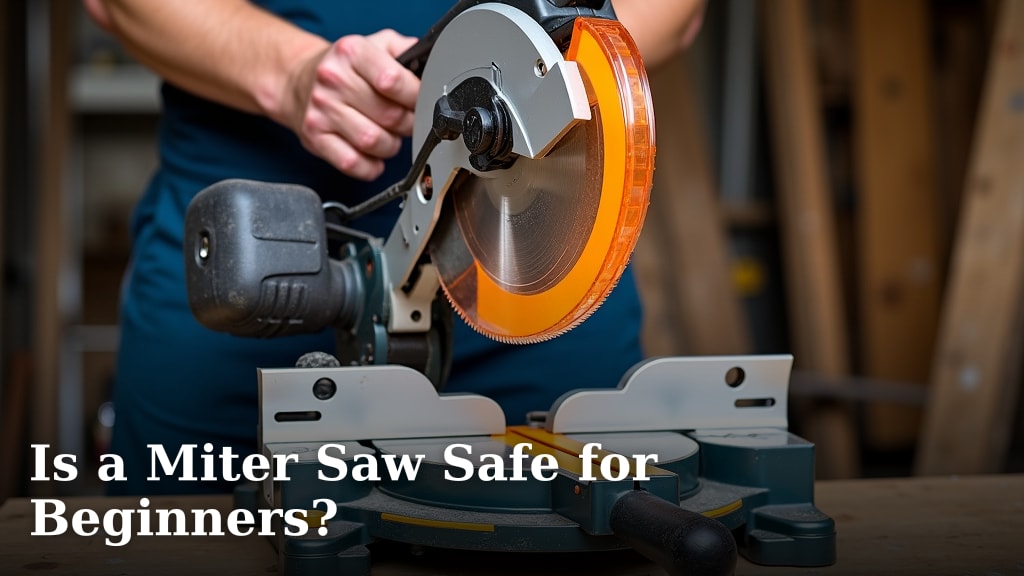
A user who forgets these steps after repeated teaching is not ready for unsupervised power-tool work. Review Is a Miter Saw Safe for Beginners? for the basic risk questions before moving to age-specific decisions.
Does physical size affect miter saw safety?
Yes, physical fit affects control. The user must be able to reach the controls without leaning into the blade area and position the material without placing fingers near the cut.
A workbench that is too high or too low can make a cut harder to control. Keep the saw on a stable surface, support long stock, and avoid asking a smaller user to manage material that is awkward to lift or hold.
If the user cannot see the cut line clearly without leaning forward, stop and correct the setup. Do not solve a reach problem by allowing a risky stance.
What supervision does a younger user need?
Younger users need close, active supervision, not an adult nearby in another room. The supervisor should watch the setup, hand position, trigger use, and blade movement for every cut.
Before power is connected, the adult should check the blade, guard, fence, table, cord, and workpiece support. Explain the cut, confirm the user's hand positions, and agree on a stop signal.
Stay close enough to disconnect power or stop the user if the material shifts. Never leave a younger user alone with a plugged-in saw, even during a short break.
The supervisor should also control the workspace. Keep other people away from the cutting area, remove distractions, and make sure loose clothing, hair, and cords cannot enter the blade path.
What safety rules should younger users learn first?
The first lessons should cover eye protection, hand placement, workpiece support, guards, and blade stop time. These rules apply before the first cut and on every later cut.
Wear eye protection that suits the workshop rules. Hearing protection and dust control may also be needed, especially during repeated cuts or indoor work.
Keep hands outside the saw's marked danger zone. Never hold a short offcut close to the blade, reach behind the blade, or move material while the blade is turning.
Clamp or support material when the setup calls for it. For round stock, see securing round stock.
Keep the fence and table clear, and make sure the stock sits firmly before squeezing the trigger.
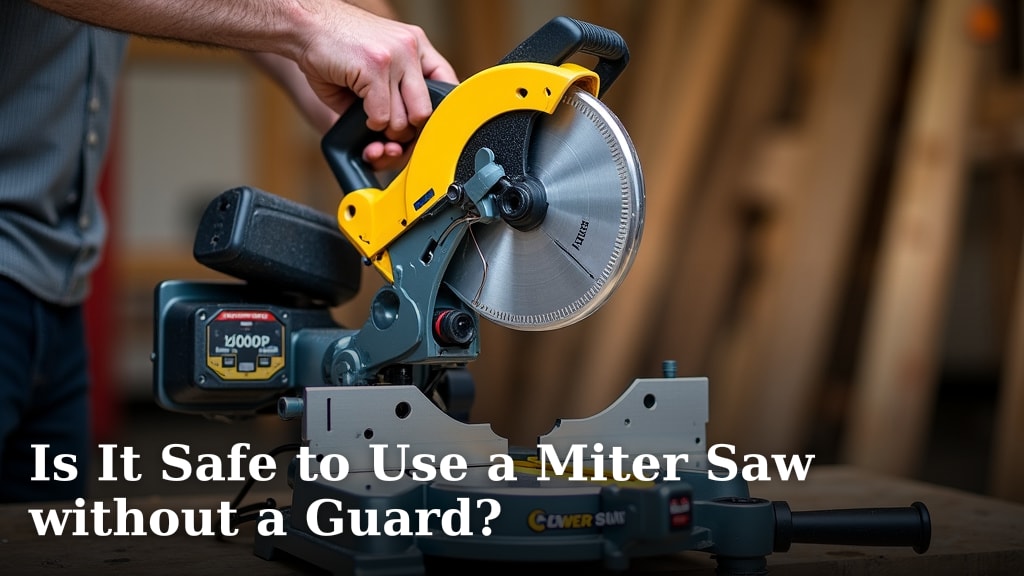
The blade guard should move freely and return to its protective position. Read Is It Safe to Use a Miter Saw without a Guard? before using any saw with a damaged, blocked, or removed guard.
Why must the blade stop before the user moves?
The user should wait until the blade has fully stopped before raising the saw or removing material. A spinning blade can still cut during the brief coast-down period after the trigger is released.
Make this a fixed routine: release the trigger, keep the saw down, watch the blade, and wait for complete stop. Why Wait for a Miter Saw Blade to Stop? explains why this small pause belongs in every cut.
Do not let a younger user hurry because the next cut looks simple. Repeated work increases the chance of distraction, and fatigue can reduce attention before the task is finished.
Does dust control matter for younger saw users?
Dust control matters because cutting can release particles into the work area. Use the saw's dust port as intended, keep the area ventilated, and follow the workshop's respiratory protection rules.
An automatic vacuum switch can help coordinate a compatible tool and vacuum, but it does not replace eye protection, ventilation, or a safe cutting setup.
The first Ortis Automatic Vacuum Switch supports miter saws and other tools up to 120V/15A and 1875W. It has two tool outlets, Auto, Off, and On modes, a selectable 30W/60W actuation threshold, and a selectable 3s/7s/10s shutoff delay.
The second Ortis Automatic Vacuum Switch has two tool outlets, automatic, off, and on modes, a 1-second start delay, and a 7-second shutoff delay in auto mode. It supports miter saws and other tools up to 120V/15A and 1875W.
The KTNNKG 120V Remote Outlet Automatic Vacuum Switch uses a 30W tool threshold, starts the vacuum within 1 second, and keeps it running for 7 seconds after the tool stops in VAC-AUTO mode. It supports equipment up to 120V/15A and 1800W, and includes two remotes with a stated 328 ft working distance.
Check the tool and vacuum ratings before connecting anything. A switch can automate power behavior, but the adult still needs to inspect the cords, outlets, dust hose, and work area.
When should a younger user not operate the saw?
Do not allow use when the user is tired, distracted, upset, rushed, or unable to follow the safety routine. Stop immediately if the material shifts, the guard sticks, the blade binds, or the user reaches toward the cut.
Do not allow powered cutting if the user cannot maintain a stable stance or cannot control the material. Watching from a safe location is a better lesson than forcing a first cut.
Avoid unsupervised use, even if the user has made several safe cuts. A familiar task can still change when the stock size, blade, angle, or support arrangement changes.
How should families introduce miter saw use?
Start with a powered-off demonstration, then use short supervised sessions. Show the fence, table, guard, trigger, release, and blade path before connecting power.
Have the learner describe each step before doing it. Begin with a simple, well-supported workpiece and stop after a small number of cuts so attention stays high.
Review the full process in How To Use A Miter Saw Safely? before the first powered session. If the work is occasional, Do I Need A Miter Saw? can help decide whether a powered saw is even necessary.
For older users who need a more comfortable setup, Best Miter Saw For Seniors covers control and workspace considerations that can also help families plan safer supervision.
What is the final age rule for miter saw use?
The safest answer to “what age is safe to use a miter saw” is the age at which the user shows consistent readiness under the required supervision. Choose observation or a safer tool when judgment, reach, hand placement, or attention is uncertain.
Pick a supervised introduction when the user can explain the hazards and repeat the safety routine. Keep supervision active, keep the guard in place, wait for the blade to stop, and control dust as part of every session.
Frequently asked questions
What age is safe to use a miter saw?
There is no universal minimum age for miter saw use. A young person should use one only after learning the manual, showing reliable control, wearing the required protective equipment, keeping hands outside the danger zone, and working under close adult supervision.
Local rules, school policies, and the saw's instructions may set stricter limits.
Can a teenager use a miter saw?
Some teenagers may be ready for supervised miter saw work, but age alone does not make it safe. The teen should understand the controls, wait for the blade to stop, secure the workpiece, keep clear of the blade path, and follow every instruction from the supervising adult and the saw manual.
Should a child use a miter saw?
Children should not use a miter saw simply because they can reach the controls. A supervising adult should consider physical size, attention, judgment, training, and the ability to hold material safely.
If any of those are uncertain, the child should observe or use a safer hand tool instead.
Is supervision enough for younger saw users?
Supervision helps, but it does not replace readiness, training, guards, eye protection, and correct setup. The adult should stay close enough to stop the work, explain each cut before it begins, and prevent distractions.
Never leave a younger user alone with a running or plugged-in saw.