
How To Cut Molding Without A Miter Saw?
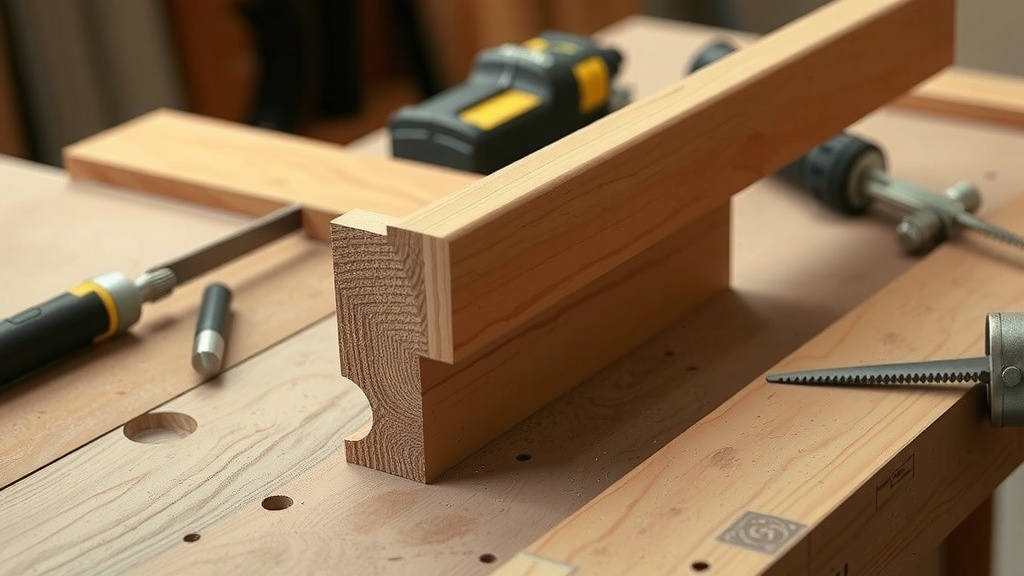
You can absolutely cut molding without a miter saw by using readily available hand tools like a handsaw, a miter box, and a coping saw. These tools allow you to achieve precise straight and angled cuts for various molding types.
For accurate results, especially for intricate angles or inside corners, a good miter box paired with a backsaw or a coping saw is often the most effective method when a miter saw isn’t an option.
A Miter Box and Handsaw are Your Best Friends: These tools make achieving precise straight and angled cuts surprisingly simple.
Coping Saws Shine for Inside Corners: For a seamless fit on inside corners, a coping saw is the specialized tool you’ll need.
Accuracy Starts with Measurement: Always measure twice and mark your cutting lines with a pencil for flawless results.
Practice Makes Perfect: Don’t be afraid to make test cuts on scrap pieces to get a feel for the tools and angles.
How To Cut Molding Without A Miter Saw?
Cutting molding without a miter saw is entirely possible and often done by homeowners and pros alike. You just need the right hand tools and a bit of technique.
Why You Might Need Alternatives
Maybe you don’t own a miter saw, or your project is too small to justify renting one. Perhaps you’re working in a tight space where a large saw won’t fit. These are all valid reasons to explore other methods.
Even for experienced DIYers, understanding hand tool techniques can be a valuable skill to have. It’s often more practical for smaller trim pieces or quick repairs.
The Essential Hand Tools for Molding
Don’t worry, you won’t need a huge arsenal of tools. A few basic items will get you through almost any molding job. We found these tools to be most effective for precision.
Understanding Your Molding Types
Different moldings have different purposes and often different sizes. You might be working with baseboard, crown molding, or simple quarter round. Knowing your type helps you choose the best approach.
For example, crown molding often requires compound angles, which can be trickier without a miter saw but still achievable with patience. Baseboards and quarter rounds are generally more straightforward to cut.
Mastering the Straight Cut
Most molding projects start with some straight cuts. These are the easiest to make without a miter saw. A good handsaw and a reliable guide are all you really need.
Your Best Friend: The Miter Box
A miter box is a simple, three-sided box with pre-cut slots at common angles like 90 degrees and 45 degrees. You place your molding inside, hold it firmly, and saw through the appropriate slot. It’s an old but reliable tool (Popular Mechanics).
This simple jig acts as a guide for your saw, ensuring your cuts are straight and at the precise angle you need. We found that a good quality miter box can be just as accurate as a miter saw for many basic cuts.
The Right Saw for the Job
For use with a miter box, a backsaw is ideal. It has a stiff spine that prevents the blade from bending, ensuring a straight cut. For intricate curves and inside corners, a coping saw is your go-to.
Techniques for Perfect Angles (Without a Miter Saw)
Angles are where many people get nervous, but they don’t have to be. With the right technique and tools, you can achieve professional-looking corners. Remember, precision is key here.
Marking Your Cuts Accurately
This step is non-negotiable. Always use a pencil to mark your cut lines clearly. A speed square or a combination square can help you draw a perfectly straight line across your molding. Many experts say to measure twice, cut once.
Holding the pencil at a slight angle can help create a finer line. Make sure your marks are on the side of the cut that will be waste, so your final piece is the exact length needed.
The Power of a Miter Box
The miter box truly shines when you need angled cuts for corners. It takes the guesswork out of holding the saw at the right angle. Think of it as a manual miter saw station.
Setting Up Your Miter Box
Place your miter box on a sturdy workbench. Secure the molding inside the box, ensuring it’s flush against the back fence. Use clamps if possible to prevent any movement during the cut.
Making the Angle Cut
Insert your backsaw into the desired angle slot. Start with light strokes to create a kerf, then apply steady pressure. Keep the saw moving smoothly to avoid binding. This method creates clean, consistent angles (This Old House).
Freehand Angles: When You’re Confident
While a miter box is recommended for most angle cuts, you can achieve angles freehand with a good guide. Clamping a straight edge or a scrap piece of wood at the desired angle can act as a temporary saw guide.
This method requires more control and practice. Use a square to set your guide accurately, and take your time. It’s a bit like driving without cruise control, requiring constant attention and adjustment.
Tackling Inside and Outside Corners
Corners are often the trickiest part of molding installation. Don’t worry, we have specific strategies for each type to help you get a tight, professional fit.
The Coping Saw for Inside Corners
For inside corners, a coping saw is your secret weapon. Instead of mitering both pieces, you cut one piece straight into the corner. The second piece is then “coped” to fit perfectly against the first. This technique handles imperfect wall angles beautifully (Fine Woodworking).
To cope, first cut a 45-degree angle on the end of the molding you want to cope. Then, use the coping saw to cut along the profile of that angle, removing the waste. It’s like a jigsaw for fine details, letting you match contours precisely.
Mating Outside Corners with Precision
Outside corners usually require two pieces of molding to be mitered at opposing 45-degree angles. When joined, they form a perfect 90-degree corner. Your miter box is perfect for these cuts.
Make sure the angles are cut in the correct direction so the visible face of the molding forms the outside corner. Always do a dry fit before final installation to check your angles.
A Quick Checklist Before You Cut
- Safety First: Wear safety glasses.
- Measure and Mark: Double-check your measurements and draw clear lines.
- Secure the Molding: Use clamps or hold it firmly in the miter box.
- Choose the Right Saw: Backsaw for straight/miter box, coping saw for curves.
- Practice Cuts: Use scrap pieces to get a feel for the angle and tool.
- Patience is a Virtue: Don’t rush, especially on tricky cuts.
Comparing Methods: Miter Saw vs. Hand Tools
Let’s quickly look at the trade-offs between using a dedicated miter saw and our hand tool approach. Both have their place depending on your project. Research shows each has clear advantages and disadvantages.
| Feature | Miter Saw | Hand Tools (Miter Box, Saws) |
|---|---|---|
| Speed | Very Fast | Slower, more deliberate |
| Precision for Angles | Excellent, repeatable | Good, requires more user skill |
| Cost | High initial investment | Low initial investment |
| Portability | Moderate to Low | Very High, lightweight |
| Noise Level | High | Low |
| Dust/Cleanup | Significant, needs collection | Minimal |
Pro Tips for Flawless Molding Cuts
A few extra steps can make all the difference in the final look of your molding. We found these suggestions to be consistently helpful.
Always keep your saw blades sharp. A dull blade can tear the wood or make it harder to cut cleanly. A sharp blade means less effort and better results.
After cutting, a light sanding with fine-grit sandpaper can clean up any rough edges. This creates a smoother surface for painting or staining and helps pieces join more seamlessly. It’s a small step with a big impact.
And remember, test cuts on scrap material are your best friend. This allows you to fine-tune your technique and check your angles before cutting into your actual molding. It saves material and frustration.
Conclusion
Cutting molding without a miter saw is not just possible, it’s a practical and often preferred method for many DIYers. With a simple miter box, a good handsaw, and a coping saw, you can achieve precise, professional-looking cuts.
The key lies in careful measurement, accurate marking, and understanding how each tool works for specific cuts. Don’t be afraid to take your time and practice. You’ll be amazed at the results you can achieve with these traditional methods.
How do I cut a 45-degree angle without a miter saw?
To cut a 45-degree angle, use a miter box. Secure your molding firmly inside the box, aligning your cut line with the pre-cut 45-degree slot. Then, use a backsaw to make a steady, guided cut through the slot. This ensures an accurate and clean angle.
Can I use a circular saw for molding cuts without a miter saw?
While a circular saw can make straight cuts, achieving accurate angles for molding is much harder without a miter guide or jig. It lacks the precision and stability of a miter box or a dedicated miter saw for intricate trim work. It’s generally not recommended for angled molding cuts due to safety and accuracy concerns.
What’s the easiest way to cut small pieces of molding?
For small pieces of molding, a hand miter box and a small backsaw or dovetail saw are often the easiest and safest options. Their compact size and precise guides are ideal for cutting short lengths accurately without the need for large power tools.
How do I ensure my molding cuts fit perfectly?
Achieving perfect fits involves several steps: always measure accurately, use a sharp pencil for clear marks, make test cuts on scrap pieces, and dry fit your molding before applying adhesive or fasteners. For inside corners, the coping saw technique offers the best seamless fit.
Are there any safety tips for cutting molding by hand?
Absolutely. Always wear safety glasses to protect your eyes. Ensure your molding is securely clamped or held firmly in your miter box to prevent it from shifting. Keep your fingers away from the saw blade, and always use a sharp saw to prevent binding or kickbacks.
